Multi-Vehicle Accident: What Happens Next
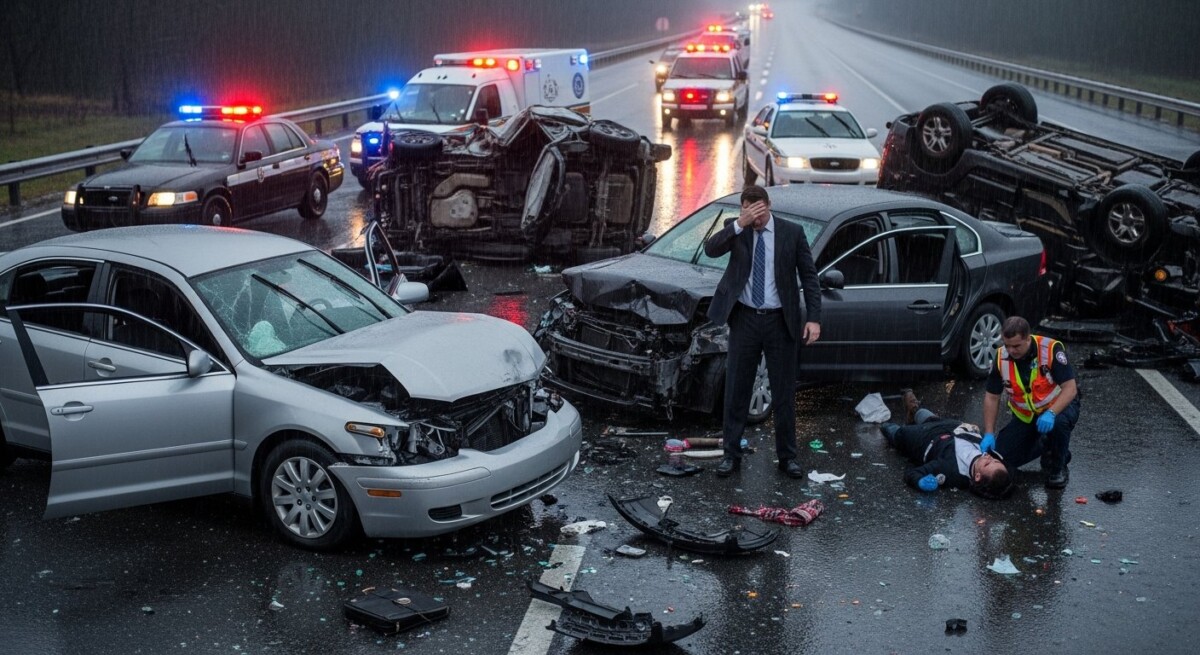
You are driving on a busy highway when a sudden chain reaction of screeching tires and crunching metal unfolds around you. In an instant, what was a routine commute becomes a tangled scene involving three, four, or even more vehicles. A multi-vehicle accident is chaotic, confusing, and often frightening. The immediate aftermath raises urgent questions about fault, insurance, medical care, and legal responsibility. Understanding what happens if an accident involves multiple vehicles can help you protect your rights, avoid costly mistakes, and navigate the claims process with confidence.
Unlike a simple two-car collision, a pile-up introduces layers of complexity. Multiple drivers may share blame, insurance companies may point fingers at one another, and injuries can range from minor to catastrophic. The legal and procedural steps that follow are not always intuitive. This article breaks down the entire process from the moment of impact through final resolution. Whether you are a driver, a passenger, or a family member of someone involved, knowing what to expect can make a critical difference in your recovery.
Immediate Steps at the Scene
The moments after a multi-vehicle crash are often disorienting. Your first priority must always be safety. If your vehicle is drivable and it is safe to do so, move it to the shoulder or a nearby parking area. Turn on your hazard lights to alert other drivers. If the cars are not movable, stay inside with your seatbelt fastened until help arrives, especially if you are on a high-speed roadway. Exiting a vehicle in live traffic can lead to further injury or death.
Once you are in a secure location, call 911 immediately. Do not assume that another driver has already called. Provide the dispatcher with the exact location, the approximate number of vehicles involved, and any visible injuries. Emergency responders will prioritize medical triage and traffic control. While you wait for help, do not discuss fault with other drivers. Even a casual statement like “I didn’t see you” can be used against you later by an insurance adjuster or in litigation.
If you are physically able, begin documenting the scene. Take photos and videos of all vehicles from multiple angles. Capture skid marks, debris patterns, traffic signals, road conditions, and the positions of each car. This visual evidence is invaluable when reconstructing the accident later. Exchange information with every driver involved: names, phone numbers, insurance policy numbers, driver’s license numbers, and license plate numbers. Also collect names and contact information from any witnesses. Their accounts can help clarify the sequence of events when memories fade or conflict.
How Fault Is Determined in Multi-Vehicle Crashes
Determining fault in a multi-vehicle accident is rarely straightforward. Unlike a rear-end collision where the following driver is typically presumed at fault, a chain-reaction crash often involves multiple contributing factors. Police officers, accident reconstruction experts, and insurance adjusters work together to piece together what happened. They analyze physical evidence, witness statements, vehicle damage patterns, and sometimes data from event data recorders (black boxes) installed in modern cars.
The legal concept of comparative negligence often applies in these cases. Under this rule, each driver may be assigned a percentage of fault based on their actions. For example, Driver A might be 40% at fault for speeding, Driver B might be 30% at fault for sudden braking, and Driver C might be 30% at fault for following too closely. Each driver’s insurance company then pays claims according to their share of blame. In some states, if a driver is found to be more than 50% at fault, they may be barred from recovering any compensation at all.
Several common scenarios emerge in multi-vehicle accidents. The first vehicle to cause a sudden stop or collision is often considered the primary trigger. However, subsequent drivers who fail to maintain a safe following distance or who are distracted may also bear significant responsibility. Weather conditions, road hazards, and mechanical failures can further complicate fault allocation. In our guide on multi-party car accident what happens next, we explain how these nuances affect your claim.
Insurance Claims and Multiple Parties
Filing an insurance claim after a multi-vehicle accident involves more paperwork and more parties than a standard collision. Each driver will file a claim with their own insurance company, and those companies will communicate with one another to determine how much each policy must pay. The process can be slow, especially if liability is disputed. In some cases, you may need to file claims against multiple policies to recover your full damages.
Your own insurance policy may include several types of coverage that become relevant in a multi-vehicle crash. Liability coverage pays for damages you cause to others. Collision coverage pays for damage to your own vehicle regardless of fault. Uninsured or underinsured motorist coverage protects you if another driver lacks sufficient insurance. Medical payments coverage can help pay for your medical bills immediately, regardless of who caused the accident.
Here are key steps to take when filing a claim after a multi-vehicle accident:
- Contact your insurance company as soon as possible. Provide them with the police report number, photos, and contact information for all involved drivers and witnesses.
- Do not accept a settlement offer until you have a clear picture of your total damages, including future medical expenses and lost wages.
- Keep a detailed record of all medical treatments, repair estimates, rental car expenses, and any other out-of-pocket costs.
- If the insurance company denies your claim or offers an unfair amount, you have the right to appeal or seek legal representation.
Insurance adjusters are trained to minimize payouts. They may try to shift blame onto you or downplay your injuries. Having solid documentation and a clear understanding of your policy limits can help you push back. If you suspect that the police report contains inaccuracies that could harm your claim, you should understand how to address those errors. Our article on accident report errors what happens if it is incorrect provides guidance on correcting mistakes that could affect your case.
Medical Considerations and Injury Claims
Injuries in multi-vehicle accidents can be severe because of the repeated impacts and the number of vehicles involved. Whiplash, broken bones, traumatic brain injuries, spinal cord damage, and internal bleeding are common. Even if you feel fine immediately after the crash, some injuries take hours or days to manifest. Adrenaline can mask pain, and conditions like concussions or soft tissue damage may not show up on initial scans.
Seek medical evaluation as soon as possible, even if you believe you are unhurt. A doctor can document your condition and establish a baseline for future treatment. This medical record becomes crucial evidence if you later develop symptoms and need to prove they are related to the accident. Delaying treatment gives insurance companies a reason to argue that your injuries were caused by something else or that they are not serious.
Follow your doctor’s treatment plan consistently. Attend all follow-up appointments, complete physical therapy, and take prescribed medications. If you stop treatment prematurely, the insurance adjuster may claim that your injuries have resolved and that no further compensation is warranted. Keep copies of all medical bills, diagnostic reports, and prescription receipts. These documents form the foundation of your injury claim.
Legal Options and When to Hire an Attorney
Multi-vehicle accidents often involve complex legal issues that exceed what a typical person can handle alone. If liability is disputed, if multiple insurance companies are involved, or if your injuries are serious, consulting an attorney is strongly advisable. A lawyer can investigate the accident, gather expert testimony, negotiate with insurers on your behalf, and file a lawsuit if necessary.
One common complication in these cases is that insurance companies may try to settle quickly with some drivers while leaving others without adequate compensation. They may also attempt to use conflicting statements from different drivers to create confusion and delay. An experienced attorney knows how to cut through these tactics. They can also help you understand the statute of limitations in your state, which is the deadline for filing a lawsuit. Missing this deadline can permanently bar you from recovering any money.
If you have already filed a claim and it was rejected, do not give up. There are still avenues for recourse. Our resource on claim rejected twice what happens next outlines steps you can take after a denial. An attorney can review your policy, identify errors in the claims process, and challenge the insurer’s decision.
Frequently Asked Questions
What if I am partially at fault for the multi-vehicle accident?
In most states, you can still recover compensation even if you are partially at fault, as long as your share of fault is below a certain threshold (usually 50% or 51%, depending on state law). Your recovery will be reduced by your percentage of fault. For example, if your total damages are $100,000 and you are found 30% at fault, you can recover $70,000.
How long does it take to resolve a multi-vehicle accident claim?
The timeline varies widely based on the complexity of the case, the severity of injuries, and whether liability is contested. Some claims settle in a few months, while others take a year or more. If a lawsuit is filed, it can take additional months or years to reach trial or settlement.
Can I sue multiple drivers for the same accident?
Yes. You can name multiple defendants in a lawsuit if each driver contributed to your injuries. The court will apportion fault among them, and each defendant’s insurance company will pay their share. Your attorney can advise you on the best strategy for pursuing claims against multiple parties.
What should I do if the insurance company offers me a quick settlement?
Do not accept a quick settlement without consulting an attorney. Early offers are often low and may not cover future medical expenses or lost earning capacity. Once you accept a settlement, you waive your right to seek additional compensation later. Always get a full evaluation of your damages before signing anything.
Final Thoughts on Multi-Vehicle Accidents
A multi-vehicle accident can upend your life in an instant, but understanding the process helps you regain control. From the critical moments at the scene to the complexities of fault allocation and insurance claims, every step matters. Document everything, seek medical care promptly, and do not hesitate to consult a legal professional when the stakes are high. If you find discrepancies in the official accident report, learning about accident report errors what happens if it is wrong can protect your case. With the right knowledge and support, you can navigate the aftermath and secure the compensation you deserve.