Accident Report Errors: What Happens If It Is Incorrect
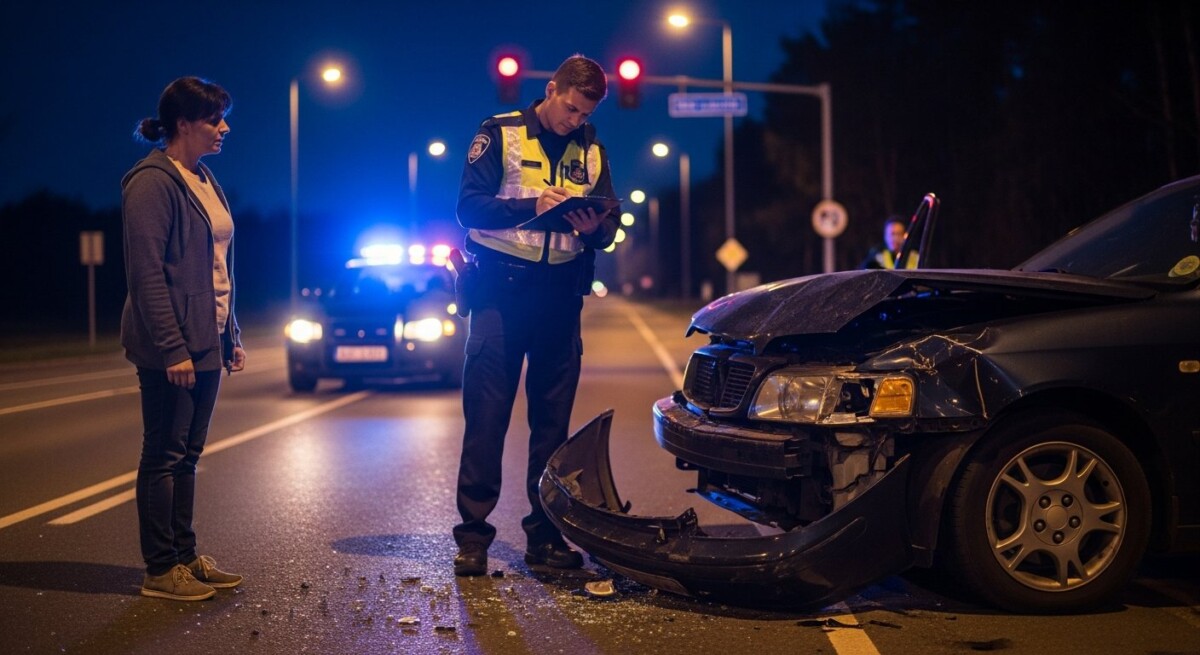
A police report after a car crash is often treated as the official record of what happened. But what happens if accident report is incorrect? Mistakes in these reports are surprisingly common. They can affect insurance payouts, liability decisions, and even the outcome of a lawsuit. Understanding the consequences of an inaccurate report is essential for protecting your rights and ensuring a fair resolution. This article explains the potential fallout from errors in accident reports and the steps you can take to correct them.
Common Types of Errors in Accident Reports
Accident reports are human documents. Officers sometimes misrecord details due to stress, poor lighting, or witness confusion. Common mistakes include incorrect dates, times, or locations. An officer might also misidentify the parties involved or list the wrong vehicle. These errors can seem minor but may have major implications for fault determination.
Another frequent issue involves the narrative section of the report. The officer describes what they believe happened based on witness statements and physical evidence. If a witness gives inaccurate information, the narrative may reflect that error. For example, a witness might claim one driver ran a red light when the light was actually green. The report then repeats this mistake, potentially assigning blame incorrectly.
How Errors Affect Insurance Claims
Insurance companies rely heavily on accident reports. When you file a claim, the adjuster reviews the report to assess fault and estimate damages. If the report contains an error that suggests you were at fault, the insurer may deny your claim or offer a low settlement. Conversely, if the error shifts blame to the other driver, your claim might proceed smoothly. In either case, the truth matters for a fair outcome.
Consider a scenario where the report states you were speeding when you were not. The insurer might argue you contributed to the accident and reduce your payout. Your premium could also increase because the error appears in your driving record. Correcting the report becomes critical to avoid financial penalties and higher rates.
Legal Consequences of an Incorrect Report
In litigation, the accident report is often introduced as evidence. A judge or jury may give it significant weight, assuming the officer is an objective observer. If the report contains errors, it can mislead the court and lead to an unjust verdict. For instance, if the report incorrectly states that you failed to yield, the court might find you liable for damages you did not cause.
Errors can also affect your ability to recover compensation. Under comparative fault laws, your damages are reduced by your percentage of fault. An incorrect report that overstates your fault could slash your recovery. In extreme cases, a report error might even lead to a criminal citation for reckless driving or DUI if the officer misinterpreted the evidence.
Steps to Correct an Inaccurate Accident Report
If you discover an error in your accident report, do not panic. You have options to address it. The first step is to obtain a copy of the report from the responding police department. Review it carefully for factual mistakes. Then, follow a clear process to request corrections.
Here are the key steps to correct an inaccurate accident report:
- Contact the officer who wrote the report and explain the error politely. Provide supporting evidence such as photos, video footage, or witness contact information.
- File a formal request for amendment with the police department. Some agencies have a specific form for this purpose.
- Gather independent evidence that contradicts the error. This might include dashcam video, surveillance footage, or statements from unbiased witnesses.
- If the police department refuses to correct the report, consult an attorney. They can help you file a motion with the court to have the report amended or excluded from evidence.
Acting quickly is important. Some jurisdictions have deadlines for requesting corrections. Delaying could mean the error remains on file indefinitely. Once the report is corrected, request a certified copy of the amended version. Provide this to your insurance company and any other parties involved.
When to Involve an Attorney
Not every error requires a lawyer. Minor mistakes like a misspelled name or wrong street address may not affect your case. However, if the error impacts liability, damages, or insurance coverage, legal help is wise. An attorney can evaluate whether the mistake is worth challenging and guide you through the process.
In our guide on what happens if accident report contains errors, we explain how legal representation can pressure insurers to accept corrected facts. Lawyers also understand the rules of evidence and can object if a flawed report is introduced at trial. If the error stems from police misconduct or bias, an attorney can pursue remedies beyond simple correction.
Impact on Personal Injury Claims
Personal injury cases often hinge on the accident report. If the report says the other driver was at fault, your claim is stronger. But if the report incorrectly blames you, the defense will use it against you. This can delay settlement or force you to go to trial. Correcting the report early can prevent these problems.
For example, imagine a rear-end collision. The report states the front driver stopped suddenly, suggesting they were partly at fault. In reality, the front driver stopped for a pedestrian. A dashcam video proves this. Without correction, the front driver might face a reduced settlement. With the corrected report, the rear driver is fully liable. This shows why accuracy matters so much.
Insurance Company Responses to Corrected Reports
Once you submit a corrected accident report, the insurance company must reevaluate your claim. They cannot ignore official amendments. However, they may still rely on the original report if the correction is not properly documented. Always send the certified amended report via certified mail and keep a copy for your records. Follow up with the adjuster to confirm receipt and ask for a revised decision in writing.
If the insurer refuses to acknowledge the correction, you may need to escalate the issue. File a complaint with your state insurance commissioner. Alternatively, hire a lawyer to send a demand letter. The goal is to force the insurer to use accurate information when evaluating your claim.
Preventing Errors in the First Place
While you cannot control what the officer writes, you can take steps to reduce the chance of errors. At the accident scene, stay calm and gather your own evidence. Take photos of the vehicles, the surrounding area, and any visible injuries. Exchange information with the other driver and witnesses. When the officer arrives, provide a clear, concise statement. Do not guess about facts you are unsure of. Stick to what you know.
After the report is filed, request a copy as soon as possible. Review it immediately. If you spot an error, act quickly. The longer you wait, the harder it is to prove the mistake. Our article on dealing with incorrect accident reports offers more prevention tips.
Frequently Asked Questions
Can I sue the police for an incorrect accident report?
Suing the police is difficult. Officers have qualified immunity for discretionary decisions made in the line of duty. Unless the error was intentional or grossly negligent, a lawsuit is unlikely to succeed. Your better option is to request a correction through the police department’s internal process.
Will a corrected report erase the error from my driving record?
Not automatically. If the error was submitted to the Department of Motor Vehicles (DMV), you may need to contact the DMV separately to correct your record. Provide them with the amended report and any supporting evidence. The DMV has its own procedures for record corrections.
How long do I have to correct an accident report?
Deadlines vary by state. Some allow corrections within 30 days. Others have no specific deadline but require prompt action. Check with the police department that issued the report. In general, the sooner you act, the better.
What if the other driver lies on the report?
False statements on an accident report can constitute fraud. If you suspect the other driver lied, gather evidence to prove the truth. Witness statements, photos, and video footage are powerful tools. You can also file a complaint with the police department. If the lie leads to a false insurance claim, the insurer may investigate for fraud.
For more on incomplete reports, see our resource on handling incomplete accident reports. Understanding these nuances can protect your rights after a crash.
An incorrect accident report is not the end of the road. With diligence, evidence, and sometimes legal help, you can correct the record and ensure your case is judged on facts. Stay proactive. Review every report carefully. If something seems wrong, speak up. Your financial recovery and legal standing may depend on it.