
What Happens If Accident Report Is Incomplete
An incomplete accident report can hurt your claim and delay compensation. Call us at (833) 227-7919 for guidance on protecting your rights.

By Samira Lockwood
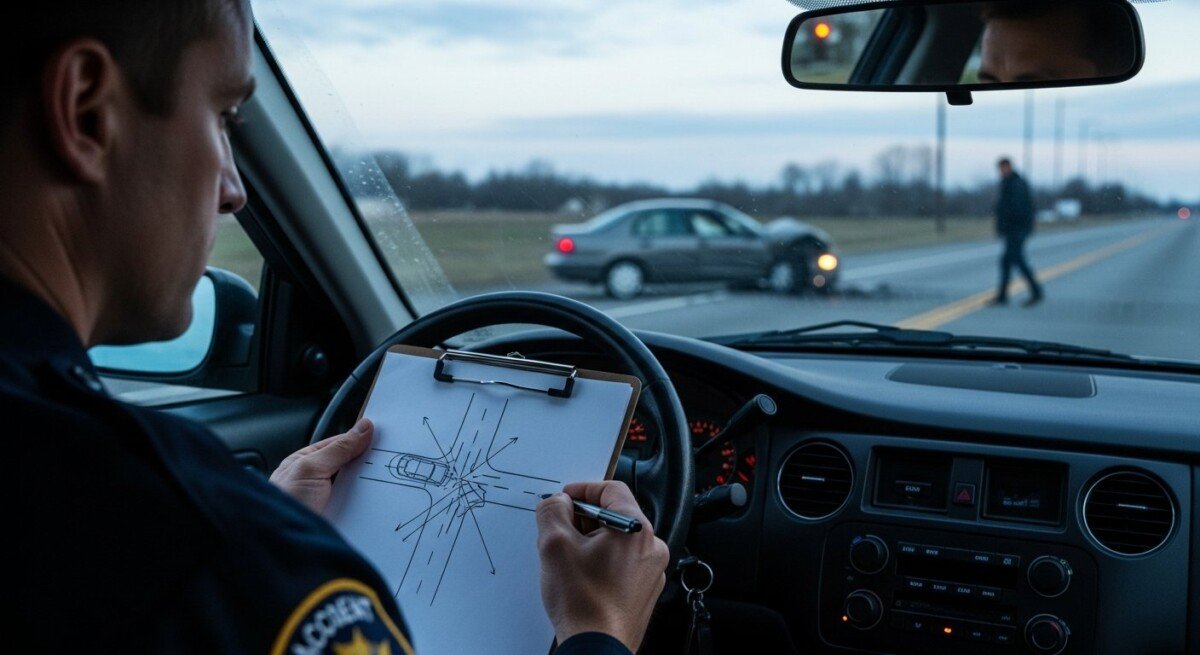
You are sitting in your car after a crash, waiting for the police to finish their report. When you finally get a copy, you notice gaps. A witness statement is missing. The officer did not note the road conditions. The diagram of the collision is vague. You wonder: what happens if accident report is incomplete? The answer can affect your insurance claim, your legal rights, and even your ability to recover compensation for injuries or property damage. An incomplete report does not automatically destroy your case, but it creates challenges that you must address quickly.
Police accident reports serve as official records of a crash. They summarize what happened, who was involved, and what factors contributed to the incident. Insurance adjusters, lawyers, and judges rely on these reports to determine fault and liability. When a report has missing information or errors, it weakens the evidence available to support your version of events. Understanding the consequences of an incomplete report helps you take the right steps to protect yourself.
This article explains the real-world impact of an incomplete accident report. We will cover how it affects insurance claims, legal proceedings, and fault determination. We also provide practical steps you can take to fix or supplement a flawed report. If you are dealing with an incomplete report, you need to know your options and how to move forward.
How an Incomplete Report Affects Your Insurance Claim
Insurance companies treat police reports as neutral, third-party evidence. When a report is incomplete, the adjuster cannot rely on it fully. This often leads to delays, lower settlement offers, or even denial of coverage. The insurance company may argue that without complete information, they cannot assess fault accurately.
For example, if the report fails to mention that the other driver ran a red light, the adjuster might split fault equally. This can reduce your payout by 50 percent or more. In some cases, the insurer might use the incomplete report as a reason to question your credibility. They may ask for additional evidence, such as photos, witness statements, or a sworn affidavit from you. This extra step can delay your claim by weeks or months.
To counter this, you should gather your own evidence as soon as possible. Take photos of the scene, the vehicles, and any visible injuries. Collect contact information from witnesses before they leave. If you have a dashcam recording, save the footage immediately. The more independent evidence you provide, the less the incomplete report matters. In our guide on what happens if accident report is incorrect, we explain how to challenge errors and omissions effectively.
Legal Consequences and Fault Determination
In a lawsuit, accident reports are often admissible as evidence. Judges and juries give them significant weight because they assume officers are trained and objective. An incomplete report can create reasonable doubt about who caused the crash. The opposing lawyer will almost certainly point out the gaps to argue that the fault lies with you or that the evidence is unreliable.
For instance, if the report does not include a skid mark analysis or a measurement of the stopping distance, the other side might claim that you were speeding. Without that data, you have to rely on other proof, such as expert testimony or reconstruction analysis. This adds cost and complexity to your case.
Additionally, some states require a complete accident report to file a lawsuit within the statute of limitations. If the report is missing key details, the court might dismiss your case for lack of sufficient evidence. This is rare but possible in jurisdictions with strict pleading requirements.
To minimize legal risks, you should request a corrected report from the police department. You can also hire an accident reconstruction expert to create an independent analysis. These experts can fill in the gaps and provide a professional opinion that carries weight in court.
Common Reasons for Incomplete Reports
Understanding why reports become incomplete helps you identify what might be missing and how to fix it. Here are the most common reasons:
- Busy officer or high call volume: Police officers often respond to multiple incidents in a shift. They may rush through the report, leaving out secondary details like weather conditions or witness statements.
- Limited visibility or scene contamination: If the crash scene is chaotic or unsafe, the officer may not be able to gather all evidence. Vehicles may be moved before measurements are taken, or debris might be cleared away.
- Witness reluctance: Witnesses may leave before providing contact information. The officer cannot force them to stay, so their accounts are lost.
- Technical or equipment failure: Some departments use electronic reporting systems. If the software crashes or the officer’s device fails, data may be lost.
- Miscommunication between parties: Drivers may give conflicting statements, and the officer might not record all versions. This can lead to an incomplete narrative of the crash.
Once you know why the report is incomplete, you can target your efforts. If witnesses left, try to find them through social media or neighborhood forums. If weather data is missing, check local meteorological records for that date and time.
Steps to Correct or Supplement an Incomplete Report
You have options when the police report is incomplete. The first step is to obtain a copy of the report from the local police department. Review it carefully for omissions or errors. Then follow these steps:
Request a Formal Amendment
Most police departments have a procedure for requesting corrections or additions to an accident report. You will need to submit a written request explaining what is missing and why it matters. Include supporting evidence such as photos, witness affidavits, or dashcam footage. The department may approve the amendment if the evidence is credible and relevant.
File a Supplemental Report
If the police will not amend the original report, you can file your own supplemental report with the department. This is a separate document that adds information without changing the original. Insurance companies and courts will consider both reports together. This is especially useful for adding witness statements or photos that were not available at the scene.
Gather Your Own Evidence
As mentioned earlier, independent evidence is your best tool. Create a timeline of the accident. Write down everything you remember, including the sequence of events, the speed of vehicles, and any statements made at the scene. Collect medical records, repair estimates, and receipts for any expenses related to the crash. This creates a complete picture that compensates for the incomplete report.
Consult an Attorney
If the incomplete report is causing significant problems with your claim or lawsuit, speak with a lawyer. An experienced attorney can request the official records from the police, depose the officer who wrote the report, or hire experts to fill the gaps. They can also negotiate with the insurance company to ensure the incomplete report does not unfairly harm your case. For more guidance, see our article on what happens if accident report is incorrect and how legal professionals handle these issues.
How Long Do You Have to Correct a Report?
Time limits vary by state and police department. Some agencies allow amendments for up to 30 days after the accident. Others have no formal deadline but will only accept changes within a reasonable period. In general, you should act as quickly as possible. The longer you wait, the harder it becomes to verify new information or locate witnesses.
If you are pursuing a lawsuit, the discovery phase allows you to subpoena records and depose witnesses. This can happen months after the accident. However, the police report itself may be locked after a certain period. Always check with the specific department for their policy.
Impact on Settlement Negotiations
Insurance adjusters often use incomplete reports as leverage. They may say the report does not prove the other driver was at fault, so they are offering a low settlement. Do not accept this without pushing back. Provide the adjuster with your own evidence and a written explanation of why the report is incomplete. If they still refuse to adjust their offer, consider involving a lawyer or filing a complaint with your state insurance commissioner.
In some cases, the adjuster may request a recorded statement from you. Be cautious. Without a complete report, the adjuster might try to get you to say something that contradicts the available evidence. You have the right to decline a recorded statement or to have your lawyer present. Use that right if you feel uncertain.
Frequently Asked Questions
Can I still get compensation if the accident report is incomplete?
Yes, you can still recover compensation. An incomplete report does not automatically bar your claim. However, it may make the process harder. You will need to provide other evidence to prove fault and damages. The more evidence you gather on your own, the better your chances.
Will my insurance company deny my claim because of an incomplete report?
It is possible if the report is the only evidence of fault. Most insurance companies will investigate further before denying a claim. They may ask for photos, witness statements, or a police follow-up. If you cooperate and provide additional evidence, the claim should proceed.
How do I know if my accident report is incomplete?
Request a copy from the police department and compare it to what you remember. Missing elements often include: a diagram of the crash, weather and road conditions, witness names, the officer’s narrative, or the other driver’s insurance information. If any of these are absent, the report is likely incomplete.
Can I sue the police for an incomplete accident report?
Lawsuits against police for report errors are difficult. Officers generally have qualified immunity for their official duties unless they acted with gross negligence or intentional misconduct. Your better option is to supplement the report or use independent evidence.
What if the other driver’s statement is missing from the report?
Contact the other driver directly (through your insurance company) to get their version of events. You can also ask the police if they have any notes or recordings from the scene. If nothing is available, your own testimony and witness accounts will be crucial.
An incomplete accident report is a hurdle, not a dead end. By taking proactive steps to gather evidence, request corrections, and consult professionals, you can overcome the gaps and protect your legal rights. For more information on handling defective police reports, read our article on what happens if accident report is incorrect and learn strategies to strengthen your case.
Remember that time is critical. Evidence disappears, witnesses forget details, and memories fade. Act now to preserve what you can. If you have questions about your specific situation, consider reaching out to a qualified attorney who handles car accident cases. They can evaluate your report, identify weaknesses, and build a strategy to ensure the incomplete document does not undermine your recovery.