Multi-Party Car Accident: What Happens Next
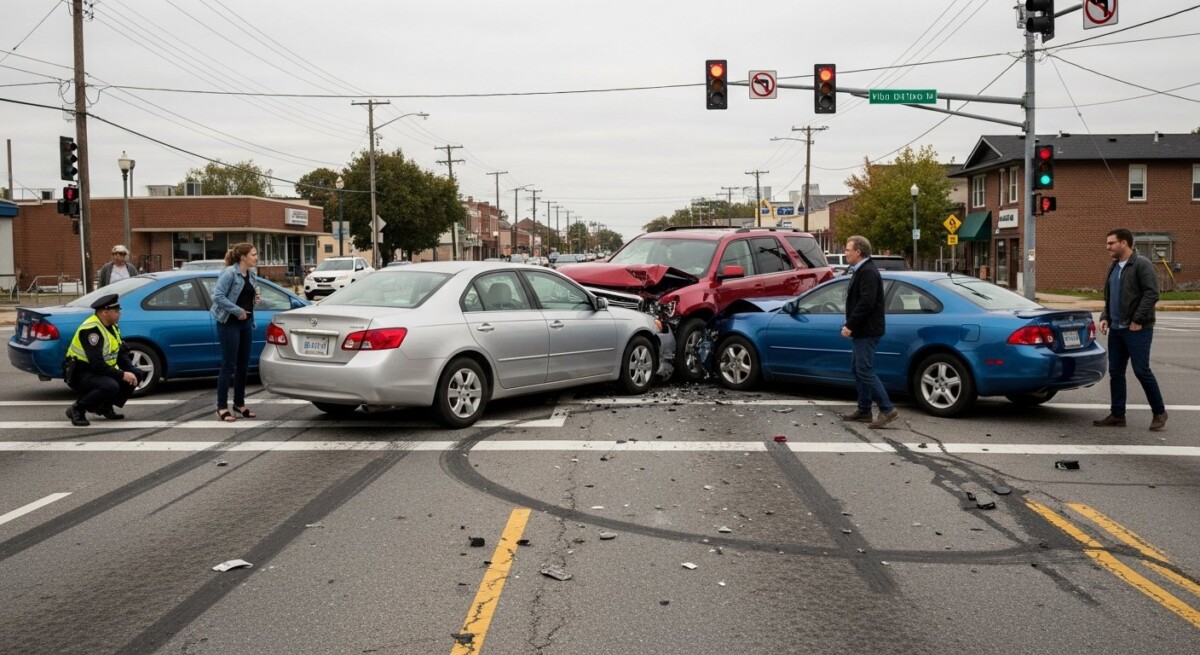
You are driving through an intersection when a chain reaction unfolds. One car rear-ends another, which then pushes into your vehicle. Now you have three drivers, three insurance companies, and a web of conflicting stories. When an accident involves multiple parties, the process changes dramatically from a simple two-car collision. The legal system treats these cases differently because fault is rarely clear-cut. Understanding what happens if an accident involved multiple parties can help you protect your rights and avoid costly mistakes.
Multi-vehicle accidents create unique challenges. Insurance adjusters will try to shift blame to reduce their payout. Without a clear understanding of how the process works, you could end up paying for damages caused by another driver. This guide walks through the specific steps you must take, how liability is determined, and what to expect when pursuing compensation.
How Liability Is Determined in a Multi-Vehicle Crash
Fault in a multi-car accident is rarely simple. Unlike a rear-end collision where the trailing driver is usually at fault, multiple parties often share responsibility. Insurance companies and courts use a combination of evidence to allocate fault percentages. They examine police reports, witness statements, traffic camera footage, and vehicle damage patterns. Each party’s degree of fault is expressed as a percentage. For example, Driver A might be 40 percent at fault, Driver B 35 percent, and Driver C 25 percent.
Your state’s laws determine how these percentages affect your recovery. In pure comparative fault states like California, you can recover damages even if you are 99 percent at fault (though your recovery is reduced by your percentage of fault). In modified comparative fault states such as Texas, you can recover only if you are less than 51 percent at fault. Some states follow contributory negligence rules, where any fault at all bars recovery entirely. Knowing your state’s rule is critical because it directly impacts your settlement.
The complexity increases when commercial vehicles or government vehicles are involved. A multi-party accident involving a delivery truck or a city bus introduces additional defendants and potentially higher insurance limits. In our guide on suing multiple parties in one case, we explain how to join multiple defendants in a single lawsuit to avoid piecemeal litigation.
Insurance Complications With Multiple Claimants
When three or more vehicles are involved, insurance companies must coordinate among themselves. Each insurer will try to minimize its policyholder’s liability. This often leads to delays and disputes over coverage. The at-fault driver’s insurance may try to argue that another driver was primarily responsible. Meanwhile, your own insurance company may initially deny your claim, hoping that another insurer will pay first.
You should be aware of the following key insurance issues in multi-party accidents:
- Policy limits stacking: If multiple parties are at fault, you may recover from each insurer up to their policy limits. For example, if Driver A has $25,000 in coverage and Driver B has $50,000, you could potentially recover up to $75,000 total.
- Subrogation battles: After paying your claim, your insurer may try to recover from other at-fault parties. This can take months or years and may require your cooperation.
- Uninsured/underinsured motorist coverage: If one of the at-fault drivers has no insurance, your own UM/UIM policy may step in to fill the gap.
Each insurance company will demand recorded statements. Be careful here. Adjusters often ask leading questions designed to elicit admissions of fault. You are not required to give a statement immediately. Politely decline until you have spoken with an attorney. What you say in a recorded statement can be used against you later. If you have already given a statement and later discover errors, review our article on accident report errors to understand your options for correction.
Legal Options for Seeking Compensation
You have two primary paths for recovering damages after a multi-party accident: filing a claim with each at-fault driver’s insurance company, or filing a lawsuit against all responsible parties. Most cases settle without going to court. However, multi-party cases are more likely to require litigation because insurers cannot agree on fault allocation.
If you choose to file a lawsuit, you will name all potentially responsible parties as defendants. This includes drivers, vehicle owners, and sometimes employers if the driver was working at the time. Joining all parties in one lawsuit ensures that fault is allocated fairly and that you can recover from each defendant according to their share of liability. The court will hear evidence from all sides and make a binding determination of fault percentages.
One significant advantage of litigation is the ability to conduct discovery. You can obtain cell phone records, driver logs, maintenance records, and other evidence that insurance companies might not share voluntarily. Discovery often reveals additional liable parties, such as a trucking company that failed to maintain its brakes or a municipality that ignored a dangerous intersection.
When to Consider Settlement vs. Trial
Settlement offers in multi-party cases often come in pieces. One insurer may offer to settle while another refuses. You can accept a settlement from one party and continue pursuing claims against others. However, you must ensure that any settlement agreement does not release other parties from liability. Read the fine print carefully. Some settlement offers include broad release language that could bar future claims against additional defendants.
Trials are expensive and time-consuming. But they can be necessary when insurers refuse to offer fair compensation. A jury may be more sympathetic to an injured plaintiff than an insurance adjuster sitting behind a desk. If your case goes to trial, the jury will assign fault percentages and award damages accordingly. The downside is that you may receive nothing if the jury finds you more at fault than the defendants.
Delays in settlement negotiations are common in multi-party cases. If your insurer is dragging its feet, read our guide on insurance delays settlement to learn what steps you can take to pressure them into action.
Documenting Your Claim After a Multi-Party Accident
Strong documentation is essential when multiple parties are involved. Without clear evidence, insurers will dispute the sequence of events and your injuries. Start gathering evidence at the scene if you are physically able. Take photos of all vehicles from multiple angles. Capture skid marks, debris fields, traffic signals, and road conditions. Get contact information from witnesses before they leave. Witness testimony can be decisive when drivers give conflicting accounts.
Seek medical attention immediately, even if you feel fine. Adrenaline can mask injuries for hours or days. A prompt medical examination creates a record linking your injuries to the accident. This is critical because insurance companies will argue that any delay in treatment means your injuries were pre-existing or not serious. Follow all treatment recommendations and keep a pain journal documenting your symptoms, limitations, and recovery progress.
Preserve physical evidence as well. Do not repair your vehicle until the insurance adjuster has inspected it. Store any damaged personal property, such as a shattered phone or torn clothing. These items can demonstrate the force of the impact and support your claim for property damage. If you have a dashcam, save the footage immediately. Dashcam video can prove fault conclusively and prevent disputes.
If the police report contains errors, take action quickly. In our article on incorrect accident report next steps, we outline the process for requesting corrections from law enforcement. An inaccurate report can hurt your case if it misstates who was at fault.
Frequently Asked Questions
How long do I have to file a claim after a multi-party accident?
Statutes of limitations vary by state. Most states allow one to three years from the date of the accident. However, if a government entity is involved (such as a city bus), you may have as little as six months to file a notice of claim. Check with an attorney promptly to avoid missing deadlines.
Can I sue all drivers separately instead of together?
You can, but it is usually not advisable. Suing each driver separately increases costs and risks inconsistent verdicts. One jury might find Driver A 100 percent at fault, while another jury might find Driver B 100 percent at fault. Joining all parties in one lawsuit ensures a single determination of fault.
What if one of the at-fault drivers has no insurance?
You can still recover from other at-fault drivers who have insurance. Additionally, your own uninsured motorist coverage may apply. Some states require insurers to offer UM coverage that covers accidents involving uninsured drivers.
Will my insurance rates increase if I am not at fault?
Possibly. Some insurers raise rates after any claim involving their policyholder, regardless of fault. However, many states prohibit rate increases for not-at-fault accidents. Check your policy and state regulations. If your rates increase unfairly, you may have grounds to dispute the increase or switch insurers.
Do I need an attorney for a multi-party accident?
While not legally required, an attorney is highly recommended. Multi-party cases involve complex liability issues, multiple insurance companies, and potentially large damages. An experienced attorney can negotiate with adjusters, gather evidence, and ensure you receive full compensation. Many personal injury attorneys offer free consultations and work on a contingency fee basis.
Protecting Your Rights After a Multi-Vehicle Crash
When multiple parties are involved in an accident, the stakes are higher and the process is more complicated. Insurance companies will try to minimize their exposure, often at your expense. By understanding how liability is determined, documenting your claim thoroughly, and seeking legal guidance when needed, you can navigate this challenging situation effectively. Remember that you have rights, and you do not have to accept a lowball offer from any insurer. With patience and the right strategy, you can recover the compensation you deserve for your injuries, lost wages, and other damages.