What Happens If Your Accident Report Is Wrong
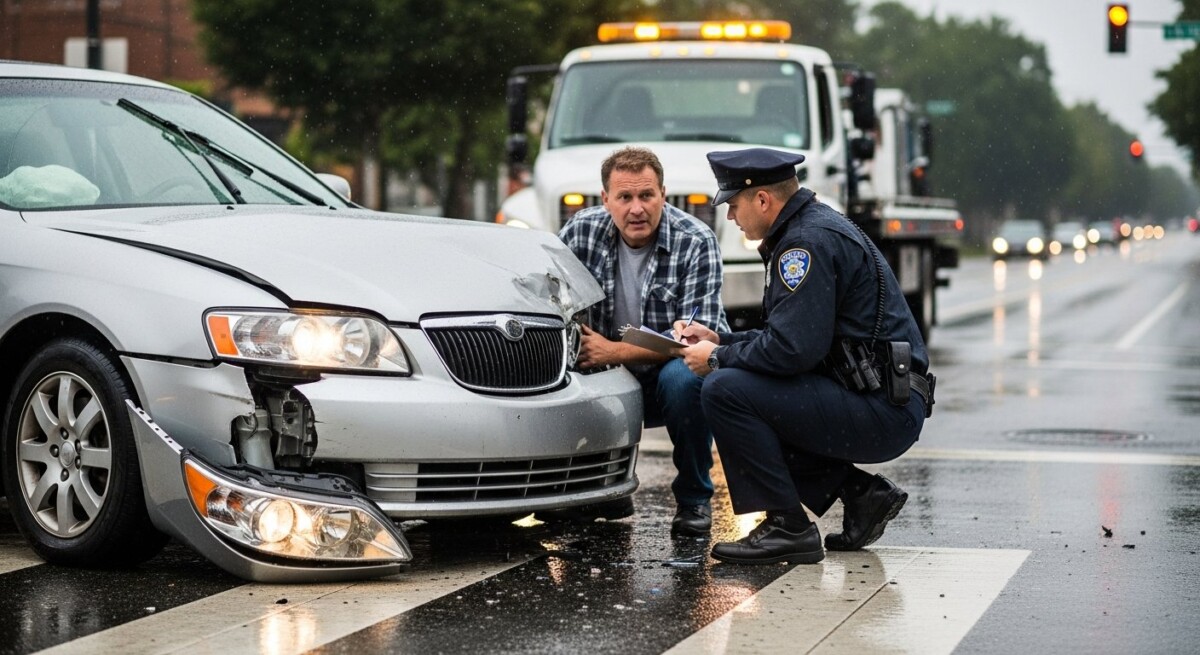
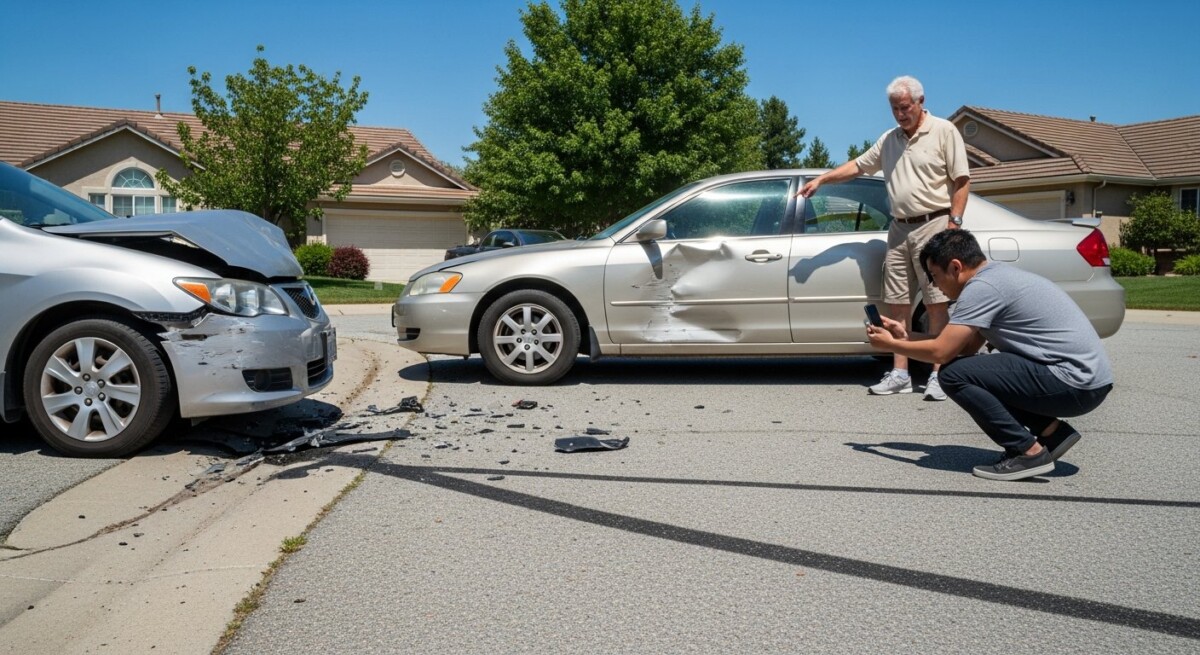
You walk away from a car crash feeling shaken but relieved that everyone is okay. A police officer arrives, takes statements, and files an accident report. Weeks later, your insurance company calls with bad news: the report contains errors that could cost you thousands. This scenario happens more often than most people realize. Understanding what happens if an accident report is incorrect is critical because those documents often determine fault, insurance payouts, and even legal liability. A single mistake can shift blame to the wrong driver, reduce your settlement, or complicate a personal injury claim.
Accident reports are not infallible. Officers work under pressure, witnesses may give inaccurate statements, and details like time, location, or vehicle descriptions can be recorded incorrectly. If you discover an error, your first instinct might be to panic. However, there are clear steps you can take to correct the record and protect your rights. The key is acting quickly and knowing which errors matter most to your case. In our guide on what happens if accident report is incorrect, we explore how these mistakes affect claims and what you can do to fix them.
Why Accident Report Accuracy Matters
An accident report serves as the official record of a crash. Insurance adjusters, attorneys, and judges rely on it to determine who caused the collision and how much compensation is owed. When the report contains errors, it can distort the facts and lead to unfair outcomes. For example, if the report states you were speeding when you were not, the insurance company may deny your claim or reduce your payout. Similarly, if the report omits a key detail like the other driver running a red light, you could be held partially at fault.
Errors also affect your ability to recover damages for medical bills, lost wages, and pain and suffering. A report that misidentifies the point of impact or lists the wrong driver can derail negotiations with insurers. In some cases, an incorrect report can even lead to traffic citations or legal penalties that do not reflect what actually happened. This is why knowing what happens if an accident report is incorrect is essential for anyone involved in a crash. You cannot afford to ignore mistakes and hope they go unnoticed.
Common Types of Accident Report Errors
Not all errors carry the same weight. Some are minor typos that have no impact on fault or liability. Others are substantive and can completely change the outcome of your claim. Understanding the difference helps you prioritize which corrections to pursue. Below are the most frequent types of mistakes found in accident reports.
- Factual inaccuracies: Wrong date, time, location, weather conditions, or road description. These can affect how the crash is categorized and investigated.
- Vehicle or driver information errors: Incorrect license plate numbers, VINs, insurance policy details, or driver names. These may delay claims processing or cause confusion about who is responsible.
- Fault and narrative mistakes: The officer’s written description of the crash may misstate who had the right of way, how fast each vehicle was traveling, or what actions led to the collision. This is often the most damaging type of error.
- Missing evidence or witness statements: The report may fail to include a witness who saw the other driver run a stop sign or omit a photo that shows your vehicle’s position after the crash.
Each of these errors can create headaches during the claims process. A factual inaccuracy might seem minor, but if your insurance adjuster relies on a wrong time stamp to argue that you were distracted, it can hurt your credibility. Vehicle information errors can lead to delays while insurers sort out which policy applies. The most serious mistakes are those that affect the officer’s opinion of fault, because that opinion often carries significant weight with adjusters and juries.
How Incorrect Accident Reports Affect Insurance Claims
Insurance companies use accident reports as a primary source of information when evaluating claims. If the report contains errors that suggest you were at fault, the insurer may deny your claim or offer a low settlement. Even if the error is not your fault, you may have to fight to prove your version of events. This is where understanding what happens if an accident report is incorrect becomes a practical necessity. You need to know how to challenge the report and present counter-evidence.
For instance, imagine the report says you changed lanes without signaling, causing the crash. You know you signaled and that the other driver was speeding. Without correcting the report, the insurance company will likely assign you majority fault. This could reduce your compensation by the percentage of fault assigned to you under comparative negligence laws. In some states, being found even 1% at fault can bar you from recovering any damages. Correcting the report is not just about pride; it is about protecting your financial recovery.
Additionally, errors in the report can complicate claims against the other driver’s insurance. If the report misstates the other driver’s insurance information or fails to list their vehicle correctly, the adjuster may struggle to process your claim. Delays can lead to missed deadlines for filing a lawsuit, especially if the statute of limitations is approaching. In our detailed post on accident report errors, we explain how these inaccuracies can derail even straightforward claims.
Steps to Correct an Incorrect Accident Report
If you discover an error in your accident report, do not assume it is too late to fix it. Most police departments have procedures for amending reports, though the process varies by jurisdiction. Acting quickly is critical because memories fade and evidence disappears. Here is a step-by-step approach to correcting the record.
- Obtain a copy of the report: Request the report from the responding police department as soon as possible. Review it carefully for any inaccuracies, and make notes of what is wrong.
- Gather supporting evidence: Collect photos, dashcam footage, witness statements, and any other documentation that proves the error. The more evidence you have, the stronger your request for amendment becomes.
- Contact the officer or department: Reach out to the officer who filed the report or the department’s records division. Explain the error politely and provide your evidence. Some departments allow you to submit a written request for correction.
- File a formal amendment request: If the officer refuses or is unresponsive, ask to speak with a supervisor. You may need to file a formal request in writing, citing the specific error and why it should be corrected.
- Consult an attorney: If the error is serious and the department will not correct it, a lawyer can help. They may send a letter on your behalf or use discovery tools to obtain the correct information for your case.
Keep in mind that not all errors will be corrected. Officers are often reluctant to change reports because they view them as official records. However, if you have clear evidence, most departments will at least add a supplemental note or correction. This note may not remove the original error but will alert anyone reading the report that a dispute exists. For insurance purposes, a supplemental correction can be enough to shift the adjuster’s analysis.
Legal Consequences of an Incorrect Accident Report
Beyond insurance disputes, an incorrect accident report can have legal ramifications. If the report leads to a traffic citation you do not deserve, you may face fines, points on your license, or even increased insurance premiums. In more serious cases involving injuries or fatalities, an erroneous report could contribute to criminal charges like reckless driving or vehicular manslaughter. Understanding what happens if an accident report is incorrect in a legal context is vital for protecting your freedom and driving record.
For example, suppose the officer writes that you failed to yield at a stop sign, causing a crash that injured another person. The report becomes evidence in any civil lawsuit or criminal proceeding. If the report is wrong, you must prove it is inaccurate before a judge or jury. This requires expert witnesses, accident reconstruction, and careful legal strategy. Without a corrected report, you start your case at a significant disadvantage. This is why many attorneys advise clients to address errors immediately, even if they seem minor.
Additionally, if the report contains false information that you know is wrong, failing to correct it could be seen as an admission of fault. In some jurisdictions, you may have a duty to report inaccuracies to avoid being held liable for consequences that flow from the error. While this is rare, it underscores the importance of being proactive rather than passive.
When to Hire a Lawyer for an Incorrect Report
Not every mistake requires an attorney. If the error is minor and has no effect on fault or damages, you can often handle it yourself by contacting the police department. However, certain situations demand professional legal help. You should consider hiring a lawyer if the error involves fault assignment, if the other driver is disputing your version of events, or if you have suffered serious injuries. A lawyer can negotiate with insurance companies, gather evidence to contradict the report, and file a lawsuit if necessary.
Another scenario where legal help is crucial is when the report contains statements from witnesses that are false or misleading. An attorney can depose those witnesses and expose inconsistencies. They can also work with accident reconstruction experts to create an alternative narrative that is more accurate. In our comprehensive article on what happens if accident report is incorrect, we discuss how legal representation can level the playing field when the report works against you.
Remember that insurance companies have teams of adjusters and lawyers who use the report against you. Having your own attorney ensures that someone is fighting for your interests. Many personal injury lawyers offer free consultations and work on a contingency fee basis, meaning you pay nothing unless they recover compensation for you. This makes legal help accessible even if you are worried about upfront costs.
Frequently Asked Questions
Can I dispute an accident report that is wrong?
Yes, you can dispute an incorrect accident report. Contact the police department that filed the report and provide evidence of the error. If they refuse to correct it, you may need to hire an attorney to help you present counter-evidence in court or during insurance negotiations.
Does an incorrect accident report always hurt my case?
Not always. Minor errors like a misspelled name or wrong date may have no impact on fault or liability. However, errors that affect the narrative of the crash, fault assignment, or key details like speed and road conditions can significantly harm your case. It is best to correct any mistake you find.
How long do I have to correct an accident report?
There is no universal deadline, but you should act quickly. Most police departments accept correction requests within a few weeks of the report being filed. Waiting too long may make it harder to obtain evidence or convince the officer to amend the report. Check with your local department for specific time limits.
Will an insurance company accept a corrected report?
Insurance companies consider all evidence, including corrected reports or supplemental notes. While they may still rely on the original report, a correction can influence their decision, especially if it is supported by strong evidence like dashcam footage or independent witnesses. It is always worth pursuing a correction.
What if the other driver caused the error in the report?
If the other driver gave false information to the officer, you can still correct the report by providing contradictory evidence. The officer may update the report or add a note indicating a dispute. If the false information rises to the level of fraud, you may have additional legal claims against the other driver.
Correcting an accident report can feel like an uphill battle, but it is a fight worth having. The report is not the final word on what happened. It is simply one piece of evidence, and you have the power to challenge it. By understanding what happens if an accident report is incorrect and taking swift action, you can protect your rights and improve your chances of a fair outcome. In our related guide on accident report errors, we offer additional tips for navigating these disputes. Whether you handle the correction yourself or bring in a lawyer, do not let a mistake on paper cost you real-world consequences. The truth matters, and you have every right to ensure the record reflects it.