Best Ways to Gather Accident Evidence After a Crash
In the moments after a car accident, your mind races with questions about injuries, insurance, and what comes next. But one of the most critical steps you can take has nothing to do with exchanging phone numbers or waiting for a tow truck. It involves collecting evidence that can protect your rights and strengthen your case. The difference between a settled claim and a drawn-out legal battle often comes down to what you document at the scene. Understanding what is the best way to gather accident evidence can determine whether you receive fair compensation or face costly delays.
Too many drivers assume that police reports alone will settle the matter. In reality, law enforcement officers arrive after the fact and may miss key details. They do not always capture the full context of debris patterns, witness statements, or the precise angle of impact. That is why taking personal responsibility for evidence collection is essential. Whether you file an insurance claim or consult an attorney, the materials you gather can make or break your case.
Why Immediate Evidence Collection Matters
Evidence degrades quickly after a collision. Skid marks fade as other cars drive over them. Glass and debris get swept away. Witnesses leave the scene and become harder to locate. Even your own memory of events can shift within hours as stress and adrenaline subside. The window for collecting the best evidence is narrow, often lasting only minutes after the incident.
Insurance adjusters and defense attorneys rely on documented facts to assign fault. When you have clear photos, witness contact information, and detailed notes, you shift the balance of power in your favor. Without this evidence, you may find yourself in a he-said-she-said situation where liability becomes murky. In our guide on best way to collect accident evidence after a crash, we explain how early documentation directly impacts claim outcomes.
Essential Tools to Have Ready Before an Accident
Preparation is the foundation of effective evidence gathering. You cannot collect what you cannot capture. Keeping a few simple tools in your vehicle ensures you are ready when the unexpected happens. These items cost little but provide enormous value in the aftermath of a collision.
Start with a smartphone that has a fully charged battery and sufficient storage space. Modern phone cameras capture high-resolution images and video that serve as powerful evidence. Also consider carrying a disposable camera as a backup in case your phone battery dies. A small notebook and pen allow you to record details even when screens are damaged or unavailable.
Here are the essential items to keep in your glove compartment:
- A smartphone with a reliable camera and video recording capability
- A portable charger or power bank to keep devices running
- A notepad and pen for writing down witness details and observations
- A reflective vest and flares for safety while documenting the scene
- A measuring tape or a known reference object (like a credit card) for scale in photos
These tools do not take up much space but can transform your ability to gather critical information. When you have them ready, you avoid the panic of searching for something to write on or relying on a dying phone battery. The small effort of assembling an emergency evidence kit pays dividends when seconds count.
What to Document at the Scene
Knowing what to capture is just as important as having the right tools. Many people snap a few photos of the damage and assume they have done enough. But comprehensive documentation covers far more than smashed bumpers. You need to create a complete picture of the scene, the vehicles, the environment, and the people involved.
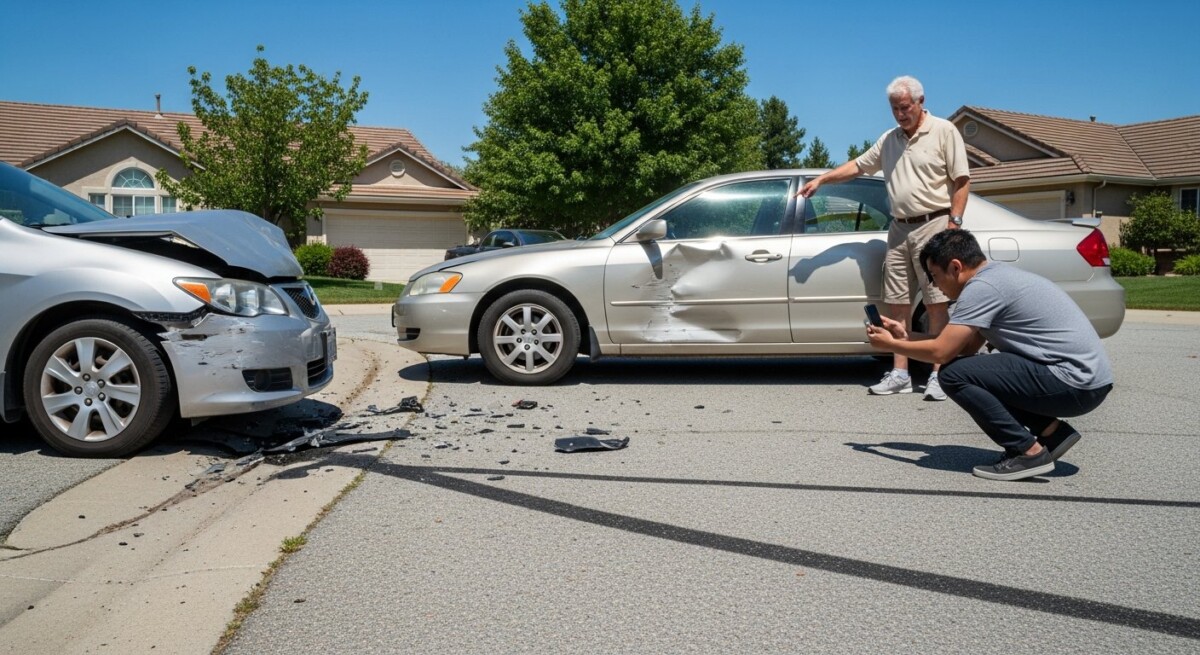
Begin with wide-angle shots that show the entire accident scene from multiple angles. Capture the positions of both vehicles relative to lane markings, traffic signs, and intersections. Then move closer to take detailed photos of vehicle damage, including close-ups of impact points, broken glass, and deployed airbags. Do not forget to photograph the other vehicle’s license plate, insurance card, and registration if visible.
Environmental factors often play a major role in determining fault. Photograph road conditions, weather conditions, and any obstructions that could have contributed to the crash. If there are skid marks, photograph them from both close range and at a distance to show their length and direction. Time-stamped photos help establish the sequence of events and confirm lighting conditions at the moment of impact.
Video recordings provide context that still images cannot. Walk around the scene while narrating what you see. Describe the positions of the vehicles, the direction they were traveling, and any hazards you observe. Your verbal notes can capture observations that photographs miss, such as the smell of alcohol on another driver’s breath or the sound of screeching tires before impact.
Gathering Witness Information Correctly
Witnesses can provide independent accounts that support your version of events. But many people fail to collect witness information properly, losing a valuable resource. A witness who leaves the scene without providing contact details may never be found again.
Approach witnesses calmly and ask if they saw what happened. Request their full name, phone number, and email address. Also ask if they would be willing to provide a written or recorded statement. If they agree, write down their account in their own words as soon as possible. Do not lead them with suggestions or try to shape their story. Their independent recollection holds more weight than a coached version.
If witnesses are reluctant to get involved, explain that their statement could help resolve the matter fairly. Assure them that they are not taking sides but simply providing facts about what they observed. Even a brief statement about which direction each vehicle was traveling or how fast they were going can be invaluable.
Working With Law Enforcement and Official Reports
Police officers who respond to the scene will create an official report that becomes part of the public record. This report often includes the officer’s assessment of fault, citations issued, and a diagram of the scene. While these reports carry weight, they are not infallible. Officers can make errors in judgment or miss important details.
Obtain the police report number and the responding officer’s name and badge number. Request a copy of the report as soon as it becomes available, usually within a few days to a week. Review it carefully for accuracy. If you find mistakes, such as incorrect vehicle descriptions or missing witness statements, you can request corrections through the appropriate channels.
When speaking with law enforcement at the scene, stick to the facts. Do not speculate about who was at fault or admit fault yourself. Simply describe what you saw and experienced. Anything you say to the officer can appear in the report and be used later by insurance companies or opposing counsel. Knowing how to handle accident report errors is crucial for protecting your claim when official documents contain inaccuracies.
Medical Documentation and Injury Evidence
Even if you feel fine immediately after the crash, seek medical attention as soon as possible. Some injuries, such as whiplash or internal bleeding, may not show symptoms for hours or even days. A medical evaluation creates a record linking your injuries to the accident, which is essential for any personal injury claim.
Keep copies of all medical records, including emergency room visits, follow-up appointments, diagnostic imaging results, and prescriptions. Document any pain or limitations you experience in a daily journal. Note how the injuries affect your ability to work, sleep, and perform routine activities. This personal record complements official medical documentation and provides a human element to your case.
Photograph visible injuries, such as bruises, cuts, or swelling, over time. A single photo taken immediately after the accident may not capture the full extent of your injuries. Taking a series of photos over several days or weeks shows how bruising develops and heals, providing visual evidence of the impact’s severity.
Digital Evidence and Technology Tools
Modern vehicles often contain technology that records accident data. Event data recorders (EDRs), commonly known as black boxes, capture information about vehicle speed, braking, steering input, and seatbelt use in the moments before a crash. This data can provide an objective account of what happened, free from human bias or faulty memory.
If your vehicle has an EDR, the data belongs to you in most cases. However, you may need to act quickly to preserve it. Some systems overwrite data after a certain number of driving cycles or after a set period. Instruct your mechanic or repair shop not to reset or clear any stored data until it has been downloaded and preserved.
Dashcams have become increasingly popular and affordable. If you have a dashcam, save the footage immediately and make backup copies. If the other driver had a dashcam, ask law enforcement to secure that footage as evidence. Traffic cameras, security cameras from nearby businesses, and even home doorbell cameras may have captured the accident. Request footage as soon as possible because many systems automatically delete recordings after a set period.
Preserving Physical Evidence From Your Vehicle
Your vehicle itself contains valuable evidence. Do not repair or wash it until an insurance adjuster or your attorney has inspected it. The damage patterns on your car can tell a story about the angle of impact, the speed of the collision, and the forces involved.
If your vehicle is towed to a repair shop, inform the shop that the car is part of an active claim and should not be altered. If possible, store the vehicle in a secure location where it will not be tampered with. Photograph the interior as well, including deployed airbags, damaged seats, and any personal items that were thrown during the crash. These details help reconstruct the severity of the impact.
Keep all receipts related to the accident, including towing charges, storage fees, rental car costs, and repair estimates. These documents establish the financial impact of the crash and support your claim for compensation. Organizing them in a folder or digital file makes it easier to present a complete picture to insurance adjusters or legal professionals.
Frequently Asked Questions
What is the best way to gather accident evidence if I am injured and cannot move?
If you are unable to collect evidence yourself, ask a passenger, a witness, or a family member who arrives at the scene to take photos and record details on your behalf. You can also request that law enforcement officers document specific items. Once you receive medical treatment, have someone retrieve your phone or camera to capture what remains of the scene.
How long after an accident can I still collect evidence?
The sooner the better. Most physical evidence at the scene, such as skid marks and debris, degrades within hours. Witness memories fade quickly as well. Aim to collect all possible evidence within the first 24 hours. Digital evidence like dashcam footage and security camera recordings may be overwritten within days, so request it immediately.
Do I need a lawyer to help me gather accident evidence?
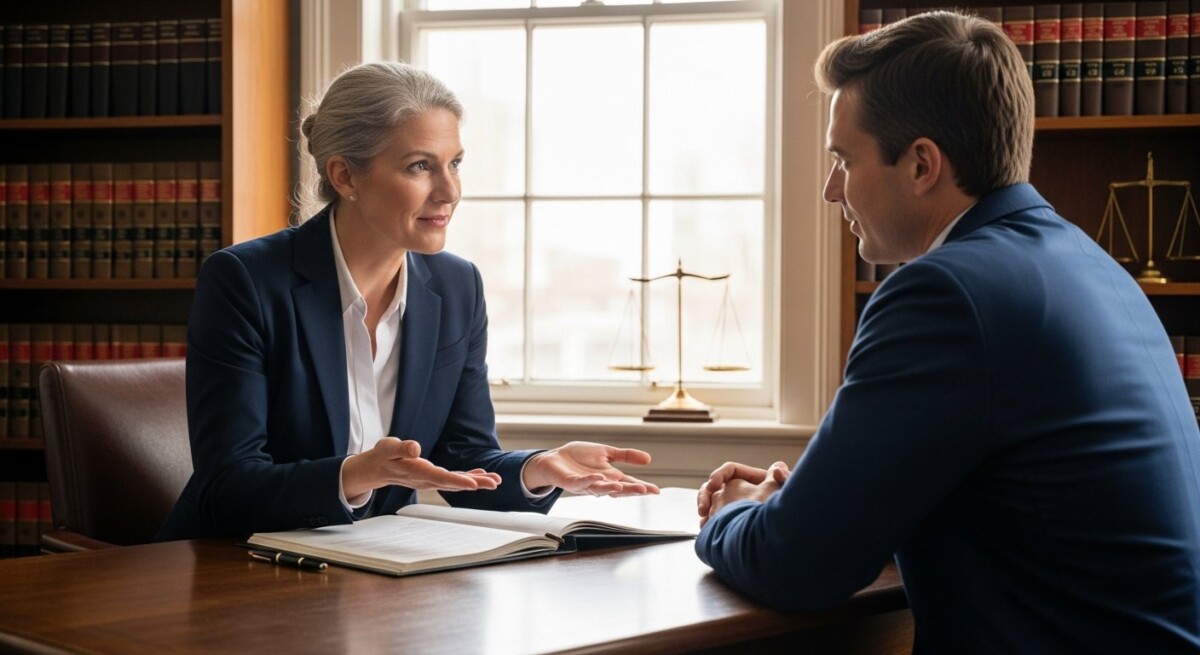
You can gather basic evidence on your own, but an attorney can help secure complex evidence such as EDR data, traffic camera footage, and expert witness testimony. If your case involves serious injuries or disputed liability, consulting an attorney early ensures that critical evidence is preserved and properly documented. For guidance on attorney consultations, many firms offer free initial reviews to discuss your case.
Can I use my phone to record evidence at the scene?
Yes, your phone is one of the most effective tools for evidence collection. Use it to take photos, record video with narration, and capture witness statements. Just make sure you are in a safe location before using your phone. If you are on a busy road, move to the shoulder or sidewalk before documenting the scene.
What should I do if the other driver refuses to share insurance information?
Do not argue or escalate the situation. Wait for law enforcement to arrive and provide the information to the officer. The police report will include the other driver’s insurance details. If the driver flees the scene, try to photograph their license plate as they leave. Your own insurance company can help track down uninsured or hit-and-run drivers.
Building a Complete Evidence Portfolio
Once you have gathered all available evidence, organize it into a clear, chronological file. Create digital copies of everything and store them in a secure cloud account or on an external drive. Label each file with descriptive names that indicate what it shows and when it was taken. This organization saves time when you need to share evidence with your attorney, insurance adjuster, or legal professionals.
Review your evidence portfolio with a critical eye. Look for gaps or inconsistencies that could be exploited by the other side. If something is missing, consider whether you can still obtain it. Sometimes a single overlooked detail, such as a traffic camera from a nearby gas station, can change the direction of a case. For those navigating disputes with legal professionals, resources on attorney services can help you find representation that aligns with your needs.
Evidence collection is not just about protecting your legal rights. It is about telling the truth of what happened in a way that cannot be denied or distorted. The time you invest in gathering and preserving evidence today can save you months of stress and frustration tomorrow. By following these steps, you put yourself in the strongest possible position to recover physically, financially, and emotionally from the accident.
If you have questions about your specific situation or need help evaluating the strength of your evidence, consider reaching out to a qualified professional. Many attorneys offer free consultations and can review your case without upfront cost. Call us at (833) 227-7919 to discuss your accident evidence and legal options.