What Happens If Other Driver Has No Insurance
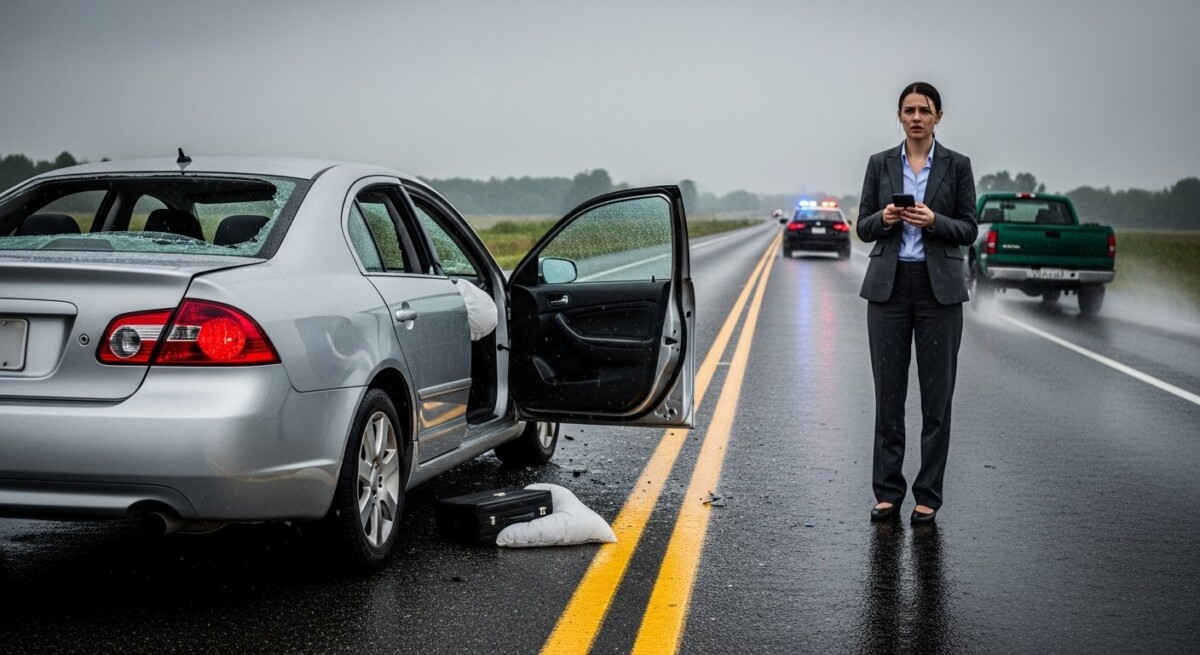
Being involved in a car accident is stressful enough, but discovering that the other driver has no insurance can feel like a devastating blow. You may wonder who will pay for your medical bills, vehicle repairs, and lost wages. The reality is that uninsured motorist claims are more common than many people realize, and understanding your options is critical. This article explains what happens if the other driver has no insurance, the steps you should take immediately, and how to protect your financial recovery.
In many states, drivers are required to carry liability insurance, but a significant number still operate vehicles without coverage. According to the Insurance Research Council, about one in eight drivers is uninsured. When you are hit by an uninsured motorist, your own insurance policy may become your primary source of compensation. However, navigating the claims process without legal guidance can leave you vulnerable to low settlement offers or outright denials. That is why knowing your rights and available resources matters.
Immediate Steps After an Accident With an Uninsured Driver
Your actions immediately after the crash can significantly impact your ability to recover compensation. First, ensure everyone is safe and call 911 to report the accident. Even if the other driver has no insurance, a police report creates an official record that documents fault and the other party’s lack of coverage. Request a copy of the report for your records.
Next, exchange information with the other driver, including their name, address, phone number, license plate number, and vehicle identification number. Do not rely on their verbal assurance that they have insurance. If they admit they have no coverage, note that on the police report. Also, gather contact information from any witnesses. Take photos of the scene, vehicle damage, and any visible injuries. These details will be essential when you file a claim with your own insurer or pursue legal action.
Finally, notify your insurance company as soon as possible. Most policies require prompt reporting of accidents. However, be cautious about what you say. Stick to the facts and avoid admitting fault or speculating about the other driver’s coverage. If you have uninsured motorist coverage, your insurer will handle the claim. If you do not, you may need to explore other options, such as suing the uninsured driver directly or seeking legal counsel to pressure insurers for a fair resolution.
Understanding Uninsured Motorist Coverage (UM)
Uninsured motorist coverage, often abbreviated as UM, is an optional add-on to your auto insurance policy in many states. However, some states require it by law. UM coverage protects you when you are hit by a driver who has no liability insurance. It also covers hit-and-run accidents where the at-fault driver cannot be identified.
There are two main types of UM coverage: bodily injury and property damage. Bodily injury UM pays for medical expenses, lost wages, pain and suffering, and other damages for you and your passengers. Property damage UM covers repairs to your vehicle or other damaged property. The limits of your UM coverage typically match the limits of your liability coverage unless you selected lower amounts.
If the other driver has no insurance, your UM coverage acts as a safety net. You file a claim with your own insurance company, and they compensate you up to your policy limits. However, insurance companies may still try to minimize payouts. They might argue that your injuries are less severe than claimed or that your damages are not covered. In our guide on best ways to deal with insurance companies after an accident, we explain how to document your losses and negotiate effectively.
What If You Do Not Have Uninsured Motorist Coverage?
Not every driver carries UM coverage. If you are hit by an uninsured driver and you lack UM coverage, your options become more limited. You may still pursue a personal injury lawsuit against the uninsured driver directly. However, this route has significant challenges. Many uninsured drivers have few assets, meaning even if you win a judgment, you may never collect the money.
Another possibility is to use your health insurance to cover medical bills and your collision coverage to repair your vehicle. Collision coverage pays for damage to your car regardless of fault, but you will still have to pay your deductible. Your health insurance may cover treatment, but you will still face out-of-pocket costs and potential subrogation claims later.
If the uninsured driver was working at the time of the accident, you might have a claim against their employer under a theory of vicarious liability. This is rare but worth exploring with an attorney. Additionally, if the other driver was driving a vehicle owned by someone else, the vehicle owner’s insurance may provide coverage. You should always consult an attorney to evaluate all potential sources of compensation.
Legal Options: Suing the Uninsured Driver
Filing a lawsuit against an uninsured driver is a legal option, but it is often a last resort. To succeed, you must prove the other driver was at fault and that you suffered damages. You can seek compensation for medical bills, lost income, property damage, and pain and suffering. However, collecting the judgment is the hard part.
Many uninsured drivers are judgment-proof, meaning they lack the income or assets to pay a court award. You could garnish their wages or place a lien on their property, but these processes are time-consuming and may yield little. In some cases, the driver may file for bankruptcy, which can wipe out the judgment entirely.
Before suing, consider whether the driver has any assets worth pursuing. An attorney can help you run an asset check. If the driver has no significant assets, legal action may not be worth the cost. Instead, focus on maximizing your UM claim or negotiating with your own insurer. For more on this, read our article on defendant refuses to pay settlement: what happens next to understand post-judgment challenges.
How Insurance Companies Handle Uninsured Motorist Claims
Insurance companies are businesses focused on profit, and they will look for ways to reduce payouts on UM claims. Common tactics include disputing fault, downplaying the severity of injuries, or arguing that your policy excludes certain damages. They may also pressure you to accept a quick settlement that covers only immediate expenses.
To protect yourself, document everything. Keep copies of medical records, repair estimates, and correspondence with the insurer. Do not give a recorded statement without consulting an attorney. If the insurer denies your claim or offers an unfair amount, you have the right to appeal. In some cases, you can file a bad faith insurance claim against your own company if they unreasonably delay or deny payment.
Understanding these dynamics is crucial. As explained in what happens when insurance denies liability, a denial can often be challenged with proper evidence. An experienced attorney can help you build a strong case and negotiate for a fair settlement.
State Laws and Their Impact on Uninsured Motorist Claims
State laws vary widely regarding uninsured motorist coverage and your rights after an accident. Some states, like New York and Illinois, require UM coverage as part of every auto policy. Others, like Texas and Florida, mandate it but allow drivers to reject it in writing. A few states, such as New Hampshire, do not require any auto insurance at all.
In no-fault states, your own insurance pays for medical expenses regardless of fault, but you may still need UM coverage for pain and suffering. In at-fault states, you can sue the uninsured driver for full damages, but collecting is difficult. You should check your state’s specific laws or consult a local attorney to understand your options.
Additionally, some states have uninsured motorist funds or assigned risk pools that provide limited compensation to victims. These programs are not widely advertised, so you may need to ask your insurance department or an attorney about them. Knowing your state’s rules can help you decide whether to pursue a lawsuit or focus on your own policy.
When to Hire an Attorney
Dealing with an uninsured driver claim can be complex, especially if your insurance company is uncooperative. You should consider hiring an attorney if your injuries are serious, your claim is denied, or the settlement offer is too low. An attorney can handle negotiations, gather evidence, and file a lawsuit if necessary.
Many personal injury attorneys work on a contingency fee basis, meaning you pay nothing upfront. They only get paid if you recover compensation. This arrangement makes legal representation accessible even if you are facing financial strain from the accident. An attorney can also help you explore all potential sources of recovery, including your own policy, health insurance, and the uninsured driver’s assets.
If you are unsure whether to hire an attorney, consider the complexity of your case. A straightforward claim with minor injuries and clear UM coverage may not require legal help. But if the insurer denies liability or disputes your damages, professional guidance becomes essential. For more insight, read can you still sue after accepting insurance payment to understand how accepting a settlement can affect your rights.
Practical Tips to Protect Yourself in the Future
The best way to prepare for an accident with an uninsured driver is to carry uninsured motorist coverage on your own policy. It is relatively inexpensive compared to the financial protection it provides. Review your policy annually and consider increasing your UM limits if possible.
Other protective measures include:
- Carrying a dash camera to record accidents and prove fault.
- Keeping an emergency kit in your car with a notepad, pen, and camera.
- Storing your insurance company’s contact information and policy number in your phone.
- Reviewing your state’s minimum insurance requirements to ensure you are compliant.
- Consulting an attorney after any accident involving serious injuries or disputes.
These steps can help you respond quickly and effectively if you are ever hit by an uninsured driver. Being proactive gives you more control over the outcome and reduces stress during an already difficult time.
Frequently Asked Questions (FAQ)
Can I still get compensation if the other driver has no insurance?
Yes, if you have uninsured motorist coverage, you can file a claim with your own insurer. Without UM coverage, your options are limited to suing the uninsured driver or using your own health and collision coverage.
Does my insurance cover hit-and-run accidents?
If you have uninsured motorist coverage, it typically covers hit-and-run accidents where the at-fault driver cannot be identified. You must report the accident to the police promptly to qualify.
How long do I have to file an uninsured motorist claim?
Deadlines vary by state and policy. Most insurance policies require you to file a claim within a few months to a year. Check your policy or consult an attorney to avoid missing the deadline.
What if the uninsured driver has no assets?
If the driver has no assets, a lawsuit may not be worthwhile. Focus on maximizing your uninsured motorist claim or exploring other coverage options like health insurance.
Can my insurance company deny my uninsured motorist claim?
Yes, insurers can deny claims if they dispute fault, question the severity of injuries, or find policy exclusions. You have the right to appeal a denial and may need legal help to challenge it.
If you have been in an accident with an uninsured driver and need guidance, call our team at (833) 227-7919 for a free consultation. We can help you understand your rights and pursue the compensation you deserve.