What Happens When Insurance Denies Liability
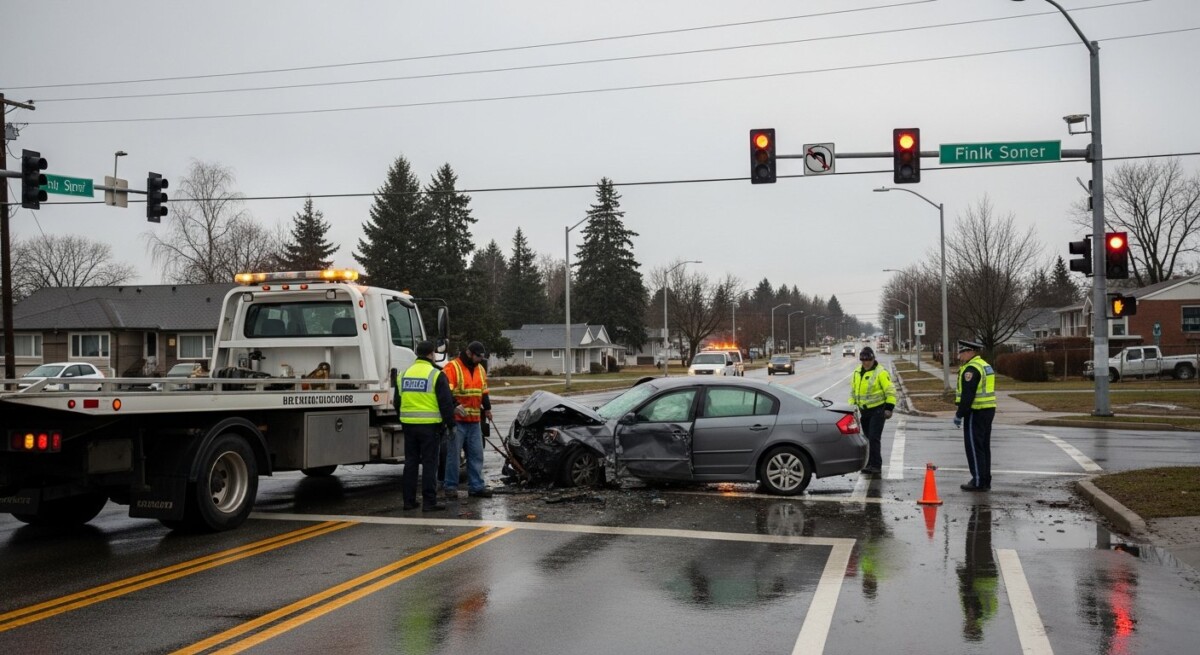
You are driving home from work, stopped at a red light, when suddenly you feel a jolt. The driver behind you did not stop in time. Your neck hurts, your bumper is crumpled, and you assume the other driver’s insurance will cover your medical bills and repairs. Then the letter arrives: the insurance company denies liability. They claim their driver was not at fault, or that you contributed to the accident, or that the incident simply did not happen as you described. Your stomach drops. What happens if insurance denies liability? This question can feel overwhelming, but understanding the process, your rights, and the practical steps you can take will help you regain control. This article walks through exactly what happens when an insurer denies fault, what your options are, and how to protect your financial recovery.
Why Insurance Companies Deny Liability
Insurance companies are businesses. Their primary goal is to minimize payouts to protect their bottom line. When an insurer denies liability, they are essentially saying that their policyholder is not legally responsible for the accident or injuries. Common reasons for a denial include a dispute over who caused the accident, allegations that you were partially at fault, or a claim that the accident did not occur as reported. Insurers may also deny liability if they believe the injuries are pre-existing, or if there is a lack of sufficient evidence to prove fault.
Another frequent reason for denial is a technicality in the policy itself. For example, if the driver listed on the policy was not actually driving the vehicle at the time of the accident, or if the policy had lapsed due to non-payment. Understanding the specific reason for the denial is critical because it determines your next steps. In many cases, the denial is not the final word. It is simply the insurer’s initial position, and you have the right to challenge it. For more context on what unfolds after you decide to take legal action, review our guide on what happens after filing a personal injury lawsuit.
Immediate Steps to Take After a Denial
When you receive a denial letter, do not panic. The first step is to read the letter carefully. It should include a specific reason for the denial and may reference a policy exclusion or a clause in your own policy. Make a copy of the letter and keep it in a safe place. Next, contact the insurance adjuster who handled your claim. Ask for a detailed explanation of why liability was denied and request any documentation they used to make that decision. You have the right to see the evidence against you.
Simultaneously, start gathering your own evidence. This includes police reports, photographs of the accident scene, witness statements, and medical records. If you have not already done so, get a copy of the police report. Officers often include a preliminary determination of fault in their report, which can be powerful evidence. You should also take photos of the damage to both vehicles and your injuries. The more documentation you have, the stronger your position will be when you challenge the denial.
Preserving Evidence and Building Your Case
Evidence can disappear quickly. Witnesses forget details, surveillance footage is overwritten, and physical damage is repaired. As soon as possible after a denial, take steps to preserve everything. Write down your own recollection of the accident while it is still fresh. Include details like weather conditions, traffic signals, and the exact sequence of events. If there were any witnesses, get their names and contact information. Ask them if they would be willing to provide a written statement or testify later if needed.
Medical records are equally important. If you sought treatment immediately after the accident, those records create a timeline linking your injuries to the crash. If you delayed treatment, the insurer may argue that your injuries were not caused by the accident. Even if you feel fine initially, see a doctor. Some injuries, like whiplash or soft tissue damage, may not appear for days. A prompt medical evaluation creates a record that strengthens your claim. In our article on what happens after you file a personal injury lawsuit, we explain how building a solid evidentiary foundation early can significantly impact your case outcome.
How to Appeal an Insurance Denial
Most insurance companies have an internal appeals process. The denial letter should explain how to file an appeal. Typically, you must submit your appeal in writing within a specific timeframe, often 30 to 60 days. Your appeal letter should clearly state why you believe the denial was incorrect and include any new evidence that supports your position. Do not simply repeat what you already told the adjuster. Provide fresh documentation, such as a corrected police report, a witness statement, or an expert opinion on fault.
If the internal appeal is unsuccessful, you may have additional options. Many states have a department of insurance that handles complaints against insurers. Filing a complaint with your state’s insurance commissioner can trigger an investigation into whether the insurer acted in bad faith. Bad faith occurs when an insurer unreasonably denies a claim without a valid basis. If the commissioner finds that the insurer violated state regulations, you may be entitled to damages beyond the original claim amount. However, this process can take months, and you may still need to pursue legal action to recover fully.
When to Consider Legal Action
If the insurance company continues to deny liability despite your appeal, it may be time to consult an attorney. A lawyer who specializes in personal injury or insurance disputes can evaluate your case and advise you on the likelihood of success in court. In many situations, the mere involvement of an attorney prompts the insurer to reconsider its position. Insurers know that attorneys are more likely to take a case to trial, and they often prefer to settle rather than face a jury.
Legal action can take several forms. You may file a lawsuit against the at-fault driver directly, or you may sue your own insurance company if you have uninsured or underinsured motorist coverage. Your attorney will help you determine which path is most appropriate based on the facts of your case. Keep in mind that litigation is time-consuming and expensive. Most personal injury cases settle before trial, but you should be prepared for the possibility of a court date. If you are wondering what a premises liability injury attorney can do for you in a related context, the principles of evidence gathering and negotiation apply broadly across accident types. Check our resource on what a premises liability injury attorney can do for you for additional insight.
Understanding Your Own Insurance Policy
Many people do not realize that their own insurance policy can provide protection when the other driver’s insurer denies liability. If you have collision coverage, your insurer will pay for damage to your vehicle regardless of who is at fault. You will have to pay your deductible, but your insurer can then pursue the at-fault driver’s insurance company through a process called subrogation to recover the money they paid out. If subrogation is successful, you may get your deductible back.
Medical payments coverage, often called MedPay, can also help. This coverage pays for medical expenses resulting from an accident, regardless of fault. It is typically limited to a specific dollar amount, but it can cover emergency room visits, hospital stays, and even follow-up care. Similarly, personal injury protection (PIP) is required in some states and provides broader coverage for medical bills, lost wages, and other expenses. Review your policy declarations page to see what coverages you have. Knowing your own policy limits can be a lifeline when the other side denies responsibility.
The Role of Police Reports and Fault Determination
Police reports are not always definitive, but they carry significant weight in liability disputes. Officers are trained to assess fault based on traffic laws and physical evidence. If the police report states that the other driver was at fault, the insurance company has a harder time justifying a denial. However, insurance adjusters are not bound by police reports. They conduct their own investigation and may reach a different conclusion.
If the police report is unclear or contains errors, you can request a correction. Contact the law enforcement agency that filed the report and ask how to submit a correction request. You may need to provide evidence that the report is inaccurate. A corrected report can be a powerful tool in your appeal. If the police report clearly supports your version of events and the insurer still denies liability, that may be evidence of bad faith, strengthening your case for legal action.
How Long Does the Process Take?
The timeline for resolving a denied liability claim varies widely. Simple disputes may be resolved within a few weeks if you provide compelling evidence early. More complex cases, especially those involving serious injuries or multiple parties, can take months or even years. The internal appeals process typically takes 30 to 60 days. If you file a complaint with the state insurance department, that agency may take several months to investigate. Litigation can extend the timeline significantly, often lasting 12 to 18 months or longer before a settlement or trial.
During this time, medical bills and repair costs can pile up. It is important to communicate with your healthcare providers and explain that your claim is pending. Some doctors will agree to defer payment until your case resolves. Others may require payment upfront. Keep meticulous records of all expenses related to the accident. These records will be essential if you ultimately recover compensation, as you can claim these costs as damages.
Frequently Asked Questions
Can an insurance company deny liability after accepting fault?
Yes, an insurer can reverse its initial decision if new evidence emerges. However, once an insurer has admitted liability in writing, it is difficult for them to retract that admission without a strong reason. If they do so in bad faith, you may have grounds for a bad faith insurance claim.
What if I am partially at fault?
Many states follow comparative negligence rules. If you are found to be partially at fault, your compensation is reduced by your percentage of fault. For example, if you are 20% at fault and your damages are $10,000, you can recover $8,000. Some states bar recovery if you are 50% or more at fault. An attorney can explain how your state’s rules apply to your situation.
Do I need a lawyer for a denied liability claim?
Not always. If the damages are small and the evidence strongly supports your position, you may be able to handle the appeal yourself. However, if the denial is based on a factual dispute or if your injuries are significant, legal representation is advisable. Attorneys have resources to investigate, negotiate, and litigate effectively.
Will my insurance rates go up if I file a claim?
Filing a claim with your own insurance company can sometimes lead to a rate increase, even if you were not at fault. This varies by state and insurer. Some states prohibit rate increases for not-at-fault claims. Check with your insurance agent to understand your policy’s terms before filing.
An insurance liability denial is not the end of the road. It is a setback that requires a strategic response. By understanding the reasons behind the denial, gathering strong evidence, and pursuing your options through appeals, state complaints, or legal action, you can often overturn the decision and secure the compensation you deserve. If you find yourself stuck or unsure, consult a qualified attorney who can evaluate your case and guide you through the process. For personalized assistance, contact our team at (833) 227-7919.