Out-of-State Accident: What Happens and What to Do
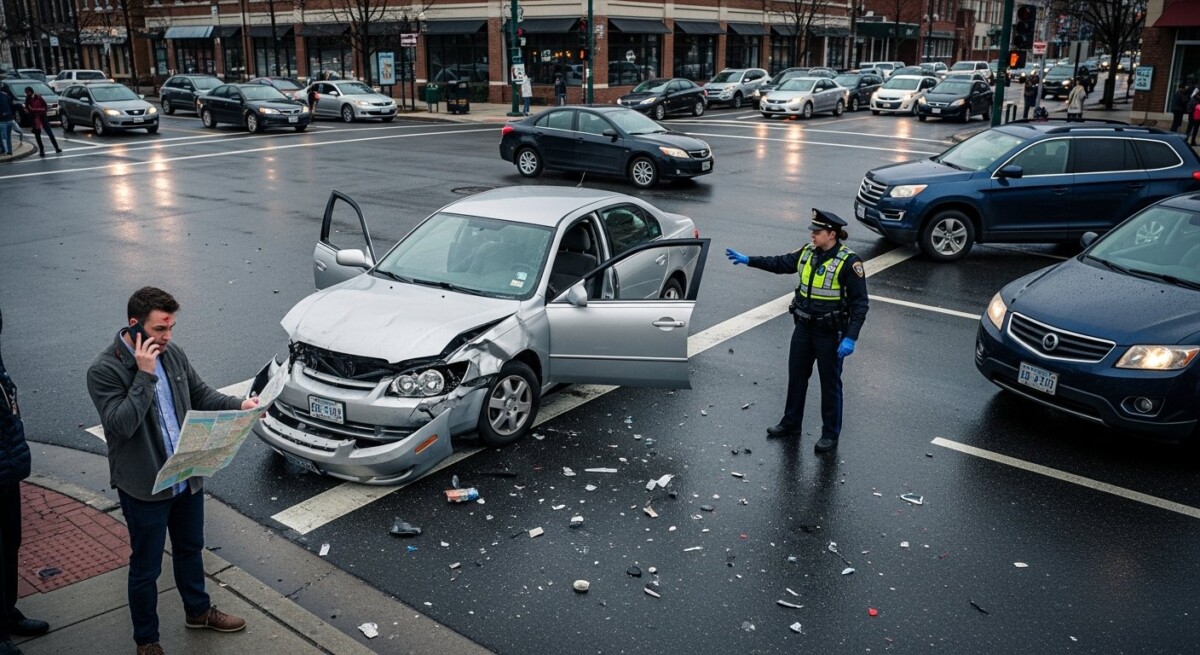
You are driving through a state you have never visited before, and suddenly another vehicle runs a red light and hits your car. Your heart races as you realize you are far from home, unsure of local laws, insurance requirements, and what steps to take next. This scenario is more common than many people expect, and the confusion that follows can complicate an already stressful situation. Understanding what happens if an accident occurred out of state is essential for protecting your rights, avoiding financial surprises, and ensuring you receive the compensation you deserve.
When a crash happens outside your home state, multiple legal jurisdictions come into play. Your own insurance policy, the at-fault driver’s coverage, and the laws of the state where the accident took place all affect how your claim is handled. Without proper guidance, you might accept a low settlement, miss critical deadlines, or make statements that hurt your case. This article walks through the key steps, legal considerations, and strategic moves you need to make after an out-of-state car accident.
Immediate Steps After an Out-of-State Accident
The moments after a collision are chaotic, especially in unfamiliar surroundings. Your first priority is safety. Check yourself and your passengers for injuries, and if anyone is hurt, call 911 immediately. Even if injuries seem minor, request medical responders to assess everyone at the scene. Some injuries, such as whiplash or internal trauma, may not show symptoms until hours or days later.
Once you are safe, call the local police. Do not rely on exchanging information with the other driver alone. A police report creates an official record of the incident, which is critical for insurance claims and potential lawsuits. Provide the officer with a factual account of what you saw, but avoid admitting fault or speculating about what caused the crash. Stick to the facts such as the direction you were traveling, traffic signals, and weather conditions.
Gather evidence at the scene if you can do so safely. Take photos of the vehicles, the surrounding area, road conditions, and any visible injuries. Collect the names, contact information, and insurance details of all drivers and witnesses. If you have a dashcam or smartphone video, preserve that footage. The more documentation you have, the stronger your position will be when negotiating with insurers or pursuing legal action.
Which State’s Laws Apply
A common point of confusion after an out-of-state accident is determining which state’s laws govern your claim. Generally, the law of the state where the accident occurred applies to the substantive aspects of your case. This includes rules about fault, comparative negligence, statutes of limitation, and damage caps. For example, if you are rear-ended in Texas, Texas law will determine whether you can recover damages even if you live in California.
However, your own insurance policy is governed by the laws of your home state. This can create a complex interplay between two different legal frameworks. If you live in a no-fault state but the accident happened in a fault-based state, the at-fault driver’s liability coverage may become the primary source of compensation. An experienced attorney can help you navigate these overlapping rules and ensure you do not miss any applicable deadlines.
Statute of Limitations Considerations
Every state imposes a deadline for filing a personal injury lawsuit, known as the statute of limitations. These deadlines vary widely. For instance, Louisiana allows only one year, while Maine gives you six years. If you miss the deadline in the state where the accident occurred, you may lose your right to sue entirely. This is why it is crucial to consult with a lawyer as soon as possible after an out-of-state crash. Do not assume that your home state’s deadlines apply. Confirm the relevant statute of limitations with a qualified attorney who understands the laws of the accident state.
Insurance Coverage and Claims Process
Your auto insurance policy follows you when you drive out of state, but the coverage may work differently depending on where the accident happens. Most policies include liability coverage that pays for damages you cause to others, regardless of the state. However, if you have medical payments coverage or personal injury protection (PIP), the benefits may be limited or unavailable outside your home state.
When you file a claim, you typically have two options. You can file with your own insurance company under your policy’s uninsured or underinsured motorist coverage, or you can file a third-party claim with the at-fault driver’s insurer. The best approach depends on the severity of your injuries, the amount of available coverage, and the laws of the accident state. Insurance adjusters may try to minimize your payout by arguing that your home state’s lower medical cost averages apply. A skilled attorney can counter these tactics and pressure the insurer to pay what your case is worth.
Before you speak with any insurance adjuster, consider the following key points:
- Do not give a recorded statement without first consulting a lawyer. Adjusters may use your words against you later.
- Do not accept a quick settlement offer. Initial offers are often far lower than what you need for full recovery.
- Document all communications with insurance companies, including dates, names, and summaries of conversations.
- Keep receipts for all accident-related expenses, such as medical bills, car repairs, rental cars, and lodging.
- Ask about medical payment coverage on your own policy, which can pay for immediate care regardless of fault.
By being cautious and strategic, you can avoid common pitfalls that derail out-of-state accident claims. Many claimants underestimate the importance of local legal nuances and end up with settlements that barely cover their immediate costs.
Hiring an Attorney for an Out-of-State Case
Should you hire a lawyer in your home state or in the state where the accident occurred? The answer often depends on the complexity of the case and the location of the defendants and witnesses. In many situations, it is wise to work with an attorney who is licensed in the accident state, because that attorney will be familiar with local court procedures, judges, and insurance practices. However, some law firms have networks of affiliated attorneys across multiple states and can coordinate your case efficiently.
If you are dealing with a serious injury or a disputed liability claim, professional legal representation becomes even more critical. An attorney can handle communications with insurers, gather evidence from the scene, and file a lawsuit if necessary. They can also advise you on whether to seek medical treatment in the accident state or return home, as this decision can affect the value of your claim. In our guide on negotiating a settlement without a lawyer, we explain the risks of going it alone, which are amplified when you are navigating an unfamiliar legal system.
Many people worry about the cost of hiring an out-of-state attorney. Fortunately, most personal injury lawyers work on a contingency fee basis, meaning you pay nothing upfront and the lawyer only gets paid if you win your case. This arrangement makes legal representation accessible even when you are already facing financial strain from medical bills and lost wages.
Dealing With Accident Report Errors
The police report filed after your accident is a foundational document for your claim. Unfortunately, errors in accident reports are common and can significantly harm your case. An officer might misstate the location of the crash, misidentify the at-fault driver, or omit important details about road conditions or witness statements. If you discover an error, you must act quickly to correct it.
Most police departments have a formal process for requesting amendments to an accident report. You may need to submit a written request along with supporting evidence such as photos, video footage, or witness affidavits. If the error is not corrected, it could be used against you during settlement negotiations or in court. For a deeper understanding of this issue, read our article on accident report errors and what happens if it is incorrect. Taking the time to verify the accuracy of your report can prevent major headaches later.
In some cases, the at-fault driver may try to shift blame by disputing the police report. If you have your own evidence, such as dashcam footage, you can present it to the officer or your attorney to strengthen your position. Never assume that the police report is final or infallible.
What if the At-Fault Driver is Uninsured or Underinsured
Driving in an unfamiliar state increases the likelihood of encountering drivers with inadequate insurance. Some states have higher rates of uninsured motorists than others. If the driver who hit you has no insurance or insufficient coverage to pay for your damages, your own uninsured/underinsured motorist (UM/UIM) coverage may step in to fill the gap.
UM/UIM coverage is optional in some states but mandatory in others. If you purchased this coverage on your own policy, it generally applies regardless of where the accident occurs. However, the amount you can recover may be limited by your policy limits. If your injuries exceed those limits, you might have to pursue other options, such as suing the at-fault driver personally. An attorney can evaluate your situation and advise you on the best path forward.
It is also worth noting that some states have laws that reduce your UM/UIM benefits if you were driving a vehicle you do not own. For example, if you were driving a rental car and did not purchase supplemental insurance, your coverage might be different than if you were driving your own car. Always review your policy before traveling and consider adding temporary coverage if needed.
Medical Treatment and Recovery Logistics
Deciding where to seek medical care after an out-of-state accident involves practical and legal considerations. If you are seriously injured, you should go to the nearest emergency room. Your health and safety come first. However, if your injuries are less severe, you may wonder whether to see a doctor in the accident state or wait until you return home. Each option has trade-offs.
Seeking treatment locally creates a clear chain of medical records tied to the accident, which can be helpful for your claim. On the other hand, returning home allows you to see your regular physician, who knows your medical history. If you choose to go home, make sure you see a doctor within a few days of the crash. A gap in treatment can be used by insurance adjusters to argue that your injuries are not serious or were caused by something else.
Keep detailed records of all medical visits, prescriptions, and rehabilitation appointments. If you need to travel back to the accident state for follow-up care, document those expenses as well. They may be recoverable as part of your damages. The logistical burden of an out-of-state accident is real, but staying organized will help you maximize your recovery.
Frequently Asked Questions
Can I sue the other driver in my home state?
Generally, a lawsuit must be filed in the state where the accident occurred, because that is where the court has jurisdiction over the event. However, if the at-fault driver lives in your state, you may be able to sue them in your home state. Consult an attorney to determine the best venue for your case.
Will my insurance rates go up after an out-of-state accident?
If you are not at fault, your rates should not increase, but some insurance companies raise premiums regardless of fault. Check your policy and ask your agent about their specific practices. If you are at fault, a rate increase is more likely.
Do I need to notify my insurance company immediately?
Yes, most policies require you to report an accident promptly. Failure to do so could result in a denial of coverage. However, you do not need to provide a detailed statement right away. Notify them of the accident and then consult a lawyer before giving a recorded statement.
What if the accident involves a rental car?
If you were driving a rental car, your personal auto insurance may cover the vehicle, but you should verify this before you travel. Additionally, the rental company’s insurance may apply if you purchased their coverage. The rules vary, so read your rental agreement carefully.
Can I handle the claim myself without an attorney?
It is possible, but not advisable, especially if you have significant injuries or disputed liability. The complexities of out-of-state laws, multiple insurance policies, and different court procedures make self-representation risky. For a detailed discussion, see our article on South Carolina personal injury lawsuit guide which illustrates the kind of state-specific knowledge required.
If you are dealing with an out-of-state accident, do not let confusion or distance prevent you from pursuing fair compensation. The legal system provides pathways for recovery even when the crash happens far from home, but you must act deliberately and with informed guidance. Whether you need help correcting an accident report that is wrong or negotiating with an insurance adjuster, professional support can make the difference between a fair settlement and an inadequate one.
An out-of-state accident adds layers of complexity to an already difficult experience, but you do not have to navigate it alone. By understanding your rights, gathering strong evidence, and seeking qualified legal counsel, you can protect your interests and focus on what matters most: your recovery. Take the first step today by consulting with an attorney who understands the nuances of cross-jurisdictional claims and can fight for the compensation you deserve.