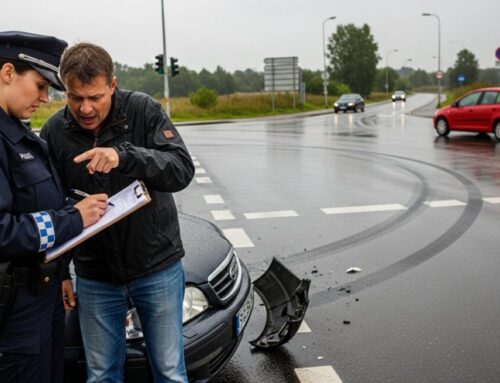
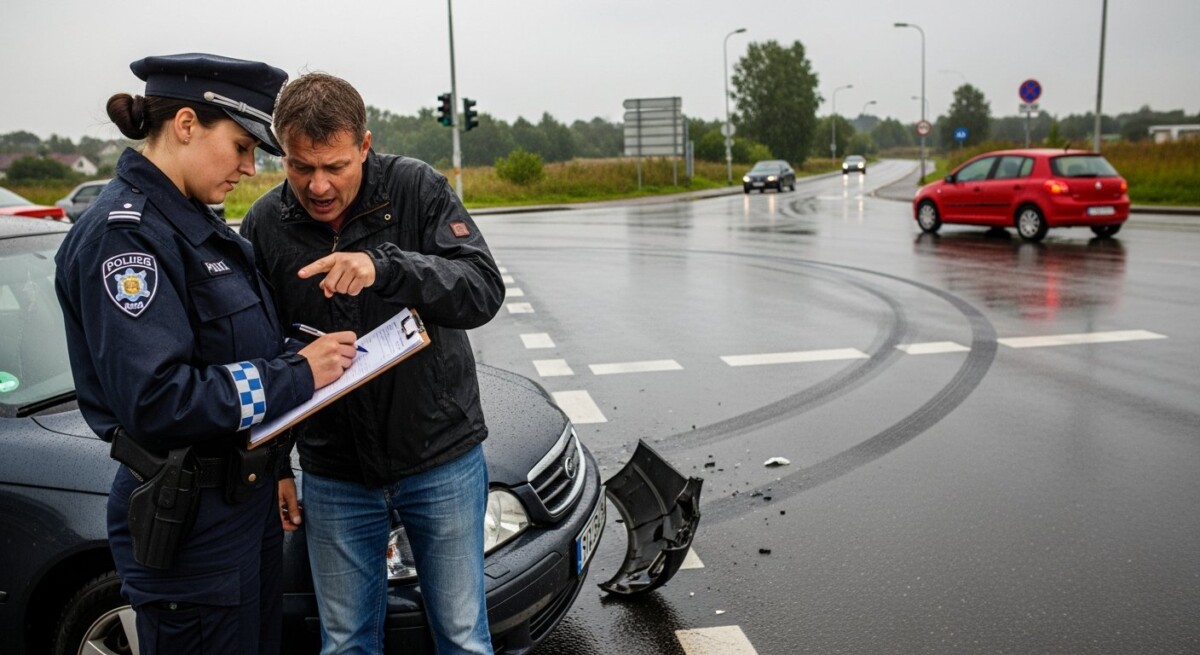
Incorrect Accident Report: What Happens Next?
You are sitting in your living room days after a car crash, reviewing the police report for the first time. Your eyes scan the narrative, and your stomach drops. The officer wrote that you were speeding. You were not. The diagram shows your car in the wrong lane. The witness statement is attributed to someone who was not even there. An incorrect accident report is more than a clerical nuisance. It is a document that insurance adjusters, lawyers, and even judges will treat as an official record of what happened. If the report contains errors, those errors can ripple through your claim, your insurance rates, and potentially a lawsuit. Understanding what happens if an accident report is incorrect is the first step toward protecting your rights and your financial recovery.
This article walks through the real-world consequences of a flawed report, the steps you must take to correct it, and the strategic moves that can save your case. We have covered this topic in depth in our guide on Incorrect Accident Report: What Happens Next?, which provides additional context on the correction process. For now, let us focus on the immediate fallout and how to fight back.
Why Accuracy in an Accident Report Matters
An accident report is not a neutral piece of paper. It is a legal document created by a trained law enforcement officer who is presumed to be objective and credible. When that officer writes down facts about the crash, those facts carry weight. Insurance companies use the report to determine fault. Attorneys use it to build their case. If the report contains mistakes, the entire foundation of your claim can shift.
Consider a common scenario: the report states that you failed to yield the right of way. Even if the other driver ran a red light, the report becomes the default story. The insurance adjuster will likely assign you a higher percentage of fault. In some states, being 50 percent or more at fault can bar you from recovering any compensation at all. This is why the question of what happens if an accident report is incorrect is not academic. It directly affects whether you get paid for your medical bills, lost wages, and pain and suffering.
The report also affects your driving record. Many states use accident reports to assess points against your license. An error that makes you appear at fault can lead to higher insurance premiums for years. Worse, if the report includes a citation for a violation you did not commit, you could face fines, mandatory driving school, or even license suspension.
Common Types of Errors in Accident Reports
Errors can appear in almost any field of the report. Knowing the most common ones helps you spot them quickly. Here are the typical categories of mistakes:
- Factual errors: Wrong date, time, or location of the crash. Incorrect vehicle descriptions or license plate numbers.
- Diagram mistakes: The officer draws the vehicles in the wrong positions or mislabels lanes, traffic signals, or points of impact.
- Narrative inaccuracies: The written story of how the crash happened includes statements you never made or omits key details you provided.
- Witness errors: The officer lists a witness who did not see the crash or attributes a quote to the wrong person.
- Citation errors: The report cites you for a traffic violation that does not match the facts or the law.
Each type of error has a different remedy. Factual errors are often easier to fix because they involve objective data. Narrative and citation errors are harder because they rely on the officer’s judgment and memory. Regardless of the type, you must act quickly. Delay can make correction more difficult, especially if the officer forgets the details or if the case moves toward litigation.
The Immediate Consequences of an Incorrect Report
Once an incorrect report is filed, the clock starts ticking. Insurance companies receive the report quickly, often within days. They begin adjusting the claim based on the information in front of them. If the report says you were at fault, the adjuster may deny your claim or offer a low settlement before you even have a chance to object.
Your insurance rates can also be affected. Many insurers run periodic checks on your driving record. An accident report that shows you at fault can trigger a rate increase at your next renewal. Even if the error is later corrected, the rate change may already be in place, and getting it reversed can require additional paperwork and phone calls.
If the case goes to court, the report becomes evidence. Judges and juries tend to trust police reports. An error that goes uncorrected can be used against you at trial. The opposing lawyer will highlight the report as proof of your negligence. You will then have to explain why the report is wrong, which is harder than preventing the error from becoming part of the record in the first place.
How to Correct an Incorrect Accident Report
Correcting a report is not always simple, but it is possible. The process varies by jurisdiction, but the general steps are consistent. Start by obtaining a copy of the report as soon as it is available. Review it carefully for errors. If you find mistakes, gather evidence that supports your version of events. Photographs of the scene, dashcam footage, witness statements, and your own notes can all help.
Next, contact the law enforcement agency that filed the report. Ask to speak with the officer who wrote it or a supervisor in the records division. Explain the error politely and provide your evidence. Many officers are willing to file a supplemental report or an amendment if the evidence is clear. Some agencies require a formal request in writing. Check the department’s website or call ahead to learn the procedure.
If the officer refuses to make a correction, you may need to escalate. In some states, you can file a complaint with the internal affairs division or request a hearing before a traffic court judge. An attorney can be helpful at this stage, especially if the error is significant. For more detailed guidance, see our article on Incorrect Accident Report: What Happens Next? which covers the correction process in greater depth.
What If the Insurance Company Already Used the Wrong Report?
If the insurance company has already made a decision based on the incorrect report, you are not stuck with that outcome. You can appeal the decision. Send the insurer a copy of the corrected report or the supplemental report from the police department. Include a letter explaining the error and why it changes the fault determination. Request that they reopen the claim and reevaluate liability.
Insurance companies are required to act in good faith. If they ignore the corrected information and stick with the original faulty report, they may be acting in bad faith. Bad faith insurance practices can lead to additional damages, including penalties and attorney fees. If you suspect bad faith, consult a lawyer who handles insurance disputes. Our site offers resources on What Happens If Accident Report Is Incorrect, which includes strategies for dealing with uncooperative insurers.
When to Hire an Attorney
Not every error requires a lawyer. Minor factual mistakes like a wrong date can often be fixed with a phone call. But there are situations where legal help is essential. You should consider hiring an attorney if:
- The error makes you appear at fault when you are not, and the other driver’s insurance is denying your claim.
- The officer refuses to correct the report, and the error is central to the case.
- The accident involved serious injuries or significant property damage.
- The report includes a citation that could lead to license suspension or criminal charges.
- You have already received a low settlement offer based on the incorrect report.
An attorney can intervene with the police department, file formal requests for correction, and negotiate with the insurance company. They can also prepare your case for trial if the error cannot be resolved outside of court. The cost of a lawyer is often worth it when the stakes are high.
The Role of Accident Reconstruction Experts
In complex cases, especially those involving serious injuries or disputed liability, an accident reconstruction expert can make a significant difference. These professionals analyze the physical evidence from the crash, including vehicle damage, skid marks, and scene photographs. They can produce a report that contradicts the officer’s diagram and narrative.
If you hire an expert, their findings can be used to support your request for a correction. The expert’s report carries weight because it is based on science and engineering, not just memory or opinion. Insurance adjusters and judges often take reconstruction evidence seriously. While hiring an expert is an expense, it can be the key to overturning a stubbornly incorrect police report.
How Long Do You Have to Correct a Report?
Time limits vary by state and by the type of error. Some states allow corrections only within a certain number of days after the report is filed. Others have no formal deadline but make it harder to amend older reports. The safest approach is to act immediately. As soon as you receive the report, review it and begin the correction process.
If the case is heading to litigation, the deadline becomes even more critical. Once a lawsuit is filed, the report becomes part of the discovery process. Changing it after that point requires a motion to the court, which is more complicated and expensive. For a deeper look at timing and procedural steps, refer to our guide on Accident Report Errors: What Happens If It Is Incorrect.
Frequently Asked Questions
Can I request a new accident report if the original is wrong?
You cannot get a completely new report, but you can request a supplemental report or an amendment. The original report stays on file, and the corrected information is added as an addendum. Both versions are part of the record, but the corrected version should be used for claims and legal purposes.
Will the insurance company accept a corrected report?
Most insurance companies will accept a corrected report if it comes from the police department. They may still investigate independently, but the corrected report is strong evidence. If the insurer refuses to acknowledge the correction, you may need to escalate the issue to a supervisor or file a complaint with your state’s insurance commissioner.
Does an incorrect report affect my insurance rates?
Yes. If the report is used to assign fault, your insurer may increase your rates. If you correct the report and prove you were not at fault, you can request that the rate increase be reversed. Keep all documentation of the correction in case you need to dispute the rate change later.
Can I sue the officer for writing a false report?
Suing a police officer for an inaccurate report is difficult. Officers have qualified immunity for actions taken in the course of their duties. Unless you can prove the officer acted with malice or intentional falsification, a lawsuit is unlikely to succeed. The better approach is to correct the report through administrative channels or with the help of an attorney.
What if the other driver’s insurance uses the wrong report against me?
You have the right to challenge their use of the report. Provide them with the corrected version and any evidence that supports your position. If they continue to rely on the incorrect report, consider filing a bad faith claim or consulting an attorney.
An incorrect accident report is not the end of your case. It is a hurdle. With prompt action, the right evidence, and sometimes professional help, you can correct the record and protect your rights. The key is to act quickly, stay organized, and never assume that a police report is infallible. Your financial recovery and your driving record may depend on it.