Incorrect Accident Report: Key Consequences
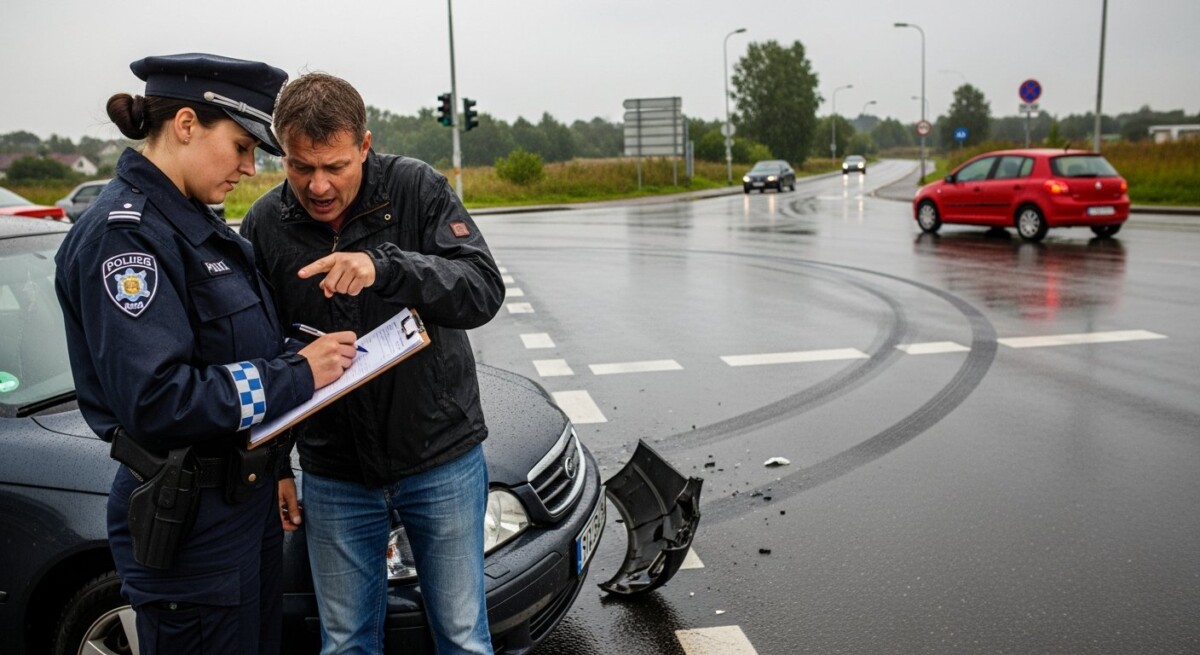
You have just been in a car accident. The police officer arrives, takes statements, and fills out a report. Weeks later, you receive a copy and notice errors. The officer wrote that you were speeding when you were not. The diagram shows your car in the wrong lane. The other driver’s insurance adjuster is already using that report to deny your claim. This scenario is more common than most people realize, and the consequences of an incorrect accident report can be severe.
An accident report is not just a piece of paper. It is an official document that insurance companies, lawyers, and courts rely on to determine fault. When that report contains mistakes, it can unfairly shift blame to you, reduce your settlement, or even lead to legal penalties. Understanding what happens if an accident report is incorrect and how to fix it is essential for protecting your rights and your financial recovery.
Why Accuracy Matters in Police Accident Reports
Police officers are trained to investigate crashes and compile facts. However, they are human. They can mishear a statement, misread skid marks, or draw the wrong conclusion about who caused the crash. Even a small error, such as listing the wrong date or missing a witness, can have a ripple effect on your case.
Insurance companies treat police reports as authoritative sources. If the report says you were at fault, the adjuster will likely use that as a reason to deny your claim or offer a low settlement. In court, the report can be entered into evidence, and a judge or jury may give it significant weight. This is why it is critical to know exactly what happens if an accident report is incorrect and to take immediate steps to correct it.
Common Types of Errors in Accident Reports
Errors can appear in any section of a police report. The most common mistakes include:
- Factual inaccuracies: Wrong date, time, location, or weather conditions. These seem minor but can affect the timeline of events.
- Incorrect party information: Misspelled names, wrong driver’s license numbers, or incorrect vehicle descriptions. This can delay claims processing.
- Fault determination errors: The officer’s narrative may inaccurately describe who caused the crash. For example, stating that you failed to yield when you actually had the right of way.
- Diagram mistakes: The position of vehicles, direction of travel, or point of impact may be drawn incorrectly. This can misrepresent the physics of the crash.
- Missing evidence or witness statements: The officer may have overlooked a witness or failed to include important evidence like skid mark measurements.
Each of these errors can lead to a different set of problems. If the report contains incorrect insurance information, your claim may be routed to the wrong company. If the diagram is wrong, a reconstruction expert may reach a faulty conclusion. The key is to identify the error early and take action.
What Happens If an Accident Report Is Incorrect: Immediate Consequences
When a police report contains errors, the consequences can unfold quickly. The most immediate impact is on your insurance claim. Adjusters often rely on the report to make initial liability decisions. If the report says you are at fault, the adjuster may deny your claim outright or offer a fraction of what you deserve. This can leave you with unpaid medical bills, repair costs, and lost wages.
Another immediate consequence is that the other driver’s insurance company may use the incorrect report to pressure you into accepting a low settlement. They might say, “The police report clearly shows you were at fault, so this is our best offer.” Without the correct information, you may feel compelled to accept an unfair deal. In our guide on incorrect accident report what happens next, we explain how these errors can derail your case and what steps to take immediately.
Additionally, if the case goes to court, the incorrect report can be used against you. The other side’s lawyer will highlight the report’s conclusions, even if they are wrong. You then have the burden of proving the report is incorrect, which requires evidence and often expert testimony. This can be expensive and time-consuming.
How Errors Affect Your Legal Rights and Liability
An incorrect accident report can directly impact your legal liability. If the report states that you violated a traffic law, such as running a red light or speeding, you may face a traffic citation or fine. In more serious cases, the report could be used to support a criminal charge, such as reckless driving or vehicular assault.
Even if you are not cited, the report’s findings can be used in civil court to establish negligence. In a personal injury lawsuit, the plaintiff must prove that the defendant’s negligence caused the accident. A police report that incorrectly blames you is powerful evidence against you. You would then need to present contradictory evidence, such as witness statements, photos, or expert analysis, to overcome that presumption.
On the other hand, if the report incorrectly blames the other driver, it can work in your favor. However, relying on an incorrect report is risky. If the error is discovered later, it could undermine your credibility and the strength of your case. It is always better to have an accurate report that reflects the true facts.
Steps to Correct an Inaccurate Police Report
If you discover an error in your accident report, do not panic. There are established procedures to request a correction. The process varies by jurisdiction, but the general steps are as follows:
- Obtain a copy of the report: You can usually get a copy from the police department that responded to the crash. Most departments allow you to request it online, by mail, or in person.
- Review the report carefully: Look for factual errors, missing information, and any statements attributed to you that are incorrect. Take notes on each error.
- Gather supporting evidence: Collect photos, videos, witness statements, and any other documentation that proves the error. For example, if the report says you were speeding, your vehicle’s data recorder or a nearby traffic camera may show your actual speed.
- Contact the investigating officer: Call or visit the officer who wrote the report. Explain the error and provide your evidence. Many officers are willing to make corrections if you have clear proof.
- File a formal request for amendment: If the officer refuses to correct the report, ask to speak with a supervisor or file a formal request with the police department. Some states have a specific form or process for this.
Keep in mind that you cannot change the officer’s opinion or conclusion. You can only correct factual errors. For example, you can fix the wrong time or location, but you may not be able to change the officer’s statement about who caused the crash. In that case, you may need to work with an attorney to challenge the report in court or during settlement negotiations.
For more detailed guidance on the correction process, read our article on incorrect accident report what happens next. It covers state-specific rules and provides sample letters you can use to request changes.
When You Need Legal Help for an Incorrect Accident Report
Not every error requires a lawyer. If the mistake is minor, such as a misspelled name, you can usually fix it yourself. However, there are situations where legal representation is strongly recommended. You should consider consulting an attorney if:
- The error directly affects fault determination. For example, the report says you were texting when you were not.
- The other driver’s insurance company is using the incorrect report to deny or reduce your claim.
- You are facing a traffic citation or criminal charge based on the report’s findings.
- The police department refuses to correct the error, and you need to challenge the report in court.
An experienced personal injury attorney can help you gather evidence, negotiate with insurance companies, and, if necessary, file a motion to exclude or correct the report in court. They can also work with accident reconstruction experts to create an independent analysis that contradicts the flawed report.
In our article on incorrect accident report what happens next, we discuss how attorneys can leverage their expertise to turn an incorrect report into a minor setback rather than a case-ending disaster.
Insurance Company Tactics When the Report Is Wrong
Insurance adjusters are trained to minimize payouts. When they see a police report that supports their position, they will use it aggressively. If the report is incorrect and blames you, the adjuster may:
- Deny your claim outright, citing the report as evidence that you are at fault.
- Offer a lowball settlement, knowing that the incorrect report puts you at a disadvantage.
- Delay the claims process, hoping you will accept a lower offer out of frustration.
- Use the report to pressure you into giving a recorded statement that contradicts your version of events.
You do not have to accept these tactics. If you have evidence that the report is wrong, you can present it to the adjuster and demand a fair evaluation. However, insurance companies are not obligated to accept your evidence. They may still rely on the official report unless you force the issue through legal channels.
If you are struggling with an insurance company that refuses to correct a mistake, learn more from our resource on incorrect accident report what happens next. It explains how to escalate your complaint and when to consider filing a bad faith insurance claim.
Frequently Asked Questions
Can I fix an error in a police accident report myself?
Yes, you can request a correction by contacting the investigating officer or the police department. You will need to provide evidence that supports your correction. However, you cannot force the officer to change their opinion or conclusion. If the officer refuses, you may need legal help.
How long does it take to correct an accident report?
The timeline varies. Some corrections are made within a few days if the officer agrees. Others may take weeks or months if you need to file a formal request or go through a legal process. It is best to act quickly while memories are fresh and evidence is available.
What if the insurance company already denied my claim based on an incorrect report?
You can appeal the denial. Gather your evidence, write a formal letter explaining the error, and submit it to the insurance company’s appeals department. If they still deny your claim, consider hiring an attorney or filing a complaint with your state’s insurance commissioner.
Does an incorrect accident report always hurt my case?
Not necessarily. If the error is in your favor, it might help you. However, relying on an incorrect report is risky because it can be challenged later. It is always best to aim for an accurate report that reflects the true facts.
Can I sue the police for an incorrect accident report?
It is very difficult to sue the police for an error in an accident report. Officers have qualified immunity, which protects them from lawsuits unless they acted with gross negligence or intentional misconduct. Your focus should be on correcting the report and mitigating its impact on your case.
Protecting Your Recovery After an Incorrect Report
An incorrect accident report can feel like a major setback, but it does not have to define the outcome of your case. By acting quickly, gathering evidence, and understanding your rights, you can correct the record and pursue the compensation you deserve. The key is to treat the report as evidence, not as a final verdict. With the right approach, you can overcome the errors and hold the responsible party accountable.
If you are dealing with an incorrect accident report and need guidance, do not hesitate to seek professional advice. An attorney can help you navigate the correction process, negotiate with insurance companies, and protect your interests every step of the way.