Incorrect Accident Report: Key Legal Consequences
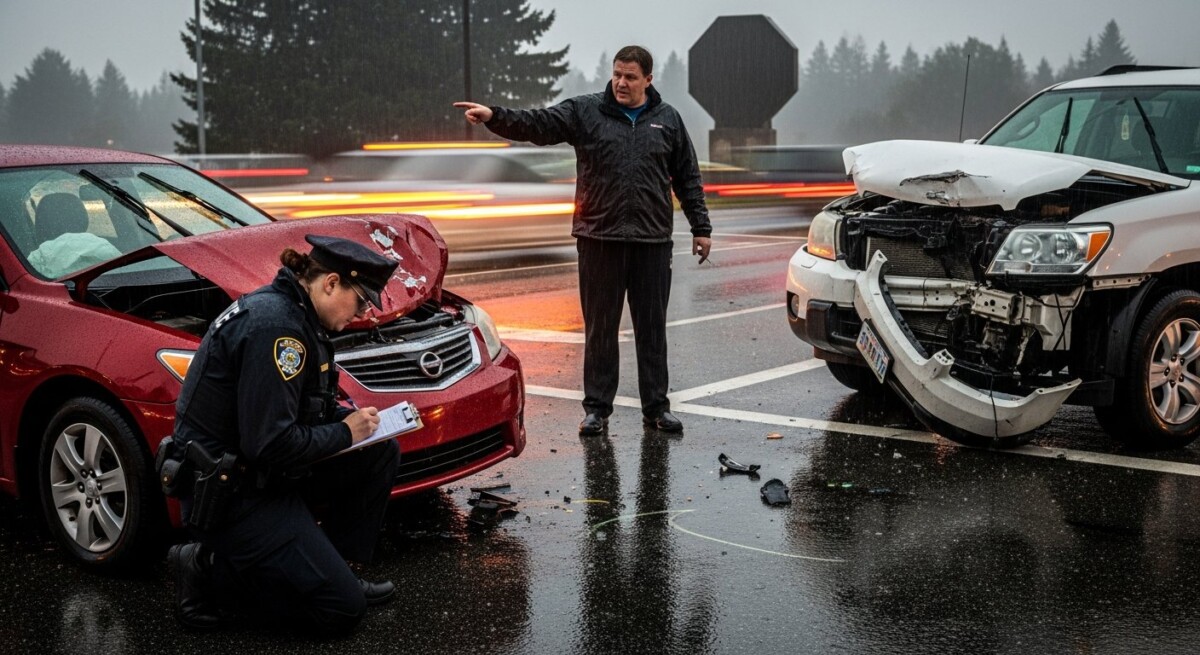
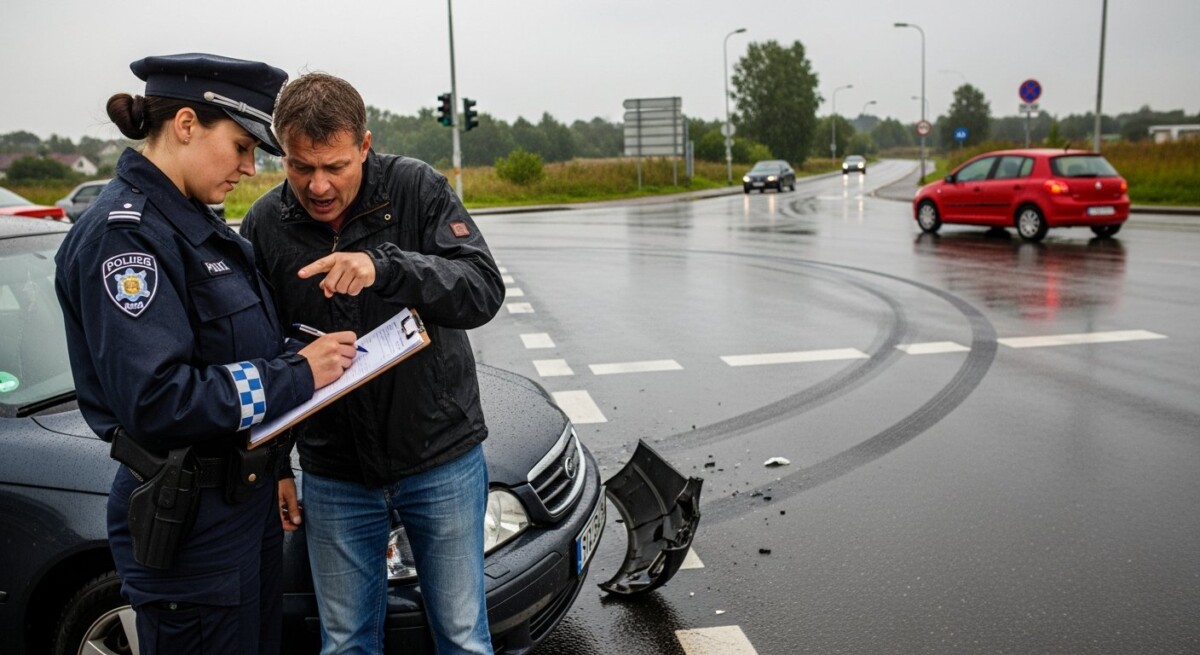
Imagine you are in a car accident, and the police officer on scene writes down the wrong details. Maybe they misidentify which driver ran a red light, or they record the wrong location. At first, it might seem like a minor clerical error. However, an incorrect accident report can have serious legal and financial consequences that affect your insurance claim, your liability in a lawsuit, and even your driving record. Understanding what happens if an accident report is incorrect is the first step to protecting your rights and avoiding costly mistakes.
Accident reports are often treated as official records by insurance companies, courts, and law enforcement. When errors appear in these documents, they can skew the investigation and create a false narrative of the event. For example, if a report incorrectly states that you were speeding, the insurance adjuster may deny your claim or reduce your payout. Similarly, if the report omits key details like road conditions or witness statements, it can weaken your case significantly. In this article, we will explore the immediate and long-term effects of an inaccurate accident report, the steps you should take to correct it, and how legal professionals can help you navigate this complex process.
Why Accident Reports Matter in Legal and Insurance Contexts
Accident reports are not just paperwork; they serve as foundational evidence in almost every car accident case. Insurance companies rely on these reports to determine fault and calculate settlements. If the report contains factual errors, the insurer may use those mistakes to minimize their payout or deny coverage altogether. For example, if a report incorrectly notes that you were driving without headlights at night, the insurer may argue that you were partially at fault, even if the other driver caused the crash. This is a classic scenario of what happens if accident report is incorrect in the context of insurance bad faith.
From a legal standpoint, accident reports are admissible in court as official records under certain rules of evidence. Judges and juries often give them significant weight because they are created by trained law enforcement officers. If the report contains errors, your attorney may need to spend time and resources challenging its accuracy. This can delay your case, increase legal costs, and reduce the likelihood of a favorable outcome. Therefore, identifying and correcting errors early is crucial to preserving your legal rights.
Common Types of Errors in Accident Reports
Errors in accident reports can range from simple typographical mistakes to major factual misrepresentations. Understanding the most common types of errors can help you spot them quickly. Below is a list of frequent inaccuracies that appear in police accident reports:
- Vehicle identification errors: Wrong license plate numbers, incorrect make or model, or mismatched VINs.
- Location inaccuracies: Reporting the wrong street, intersection, or direction of travel.
- Driver information mistakes: Misspelled names, incorrect driver’s license numbers, or swapped driver roles (listing the passenger as the driver).
- Witness and statement omissions: Failing to record witness contact information or summarizing statements inaccurately.
- Fault determination errors: Assigning blame to the wrong party based on incomplete evidence or officer bias.
Each of these errors can have a cascading effect. For instance, an incorrect license plate number might delay the insurance claim processing or cause the wrong person to be cited for the accident. Similarly, if the report omits a witness who saw the other driver run a red light, that crucial evidence may never be considered. The key is to review the report as soon as it becomes available and document any discrepancies.
Immediate Consequences of an Incorrect Accident Report
When an accident report contains errors, the consequences can manifest quickly. First, your insurance company may issue a denial or a reduced settlement offer based on the faulty information. For example, if the report says you were driving under the influence (even if you were not), the insurer may refuse to cover damages. Second, law enforcement may issue a citation or traffic ticket based on the erroneous details, leading to fines, points on your license, or even license suspension. Third, the other driver’s legal team may use the incorrect report to build a case against you, arguing that you were at fault.
Consider a real-world example: A driver is involved in a rear-end collision, but the police report incorrectly states that the driver was changing lanes without signaling. In reality, the other driver slammed on brakes suddenly. The insurance company uses the report to deny the claim, and the driver ends up paying thousands of dollars out of pocket for repairs and medical bills. This scenario illustrates why it is critical to act quickly when you discover errors. Delaying action can allow the incorrect information to become entrenched in official records, making it harder to correct later.
How to Correct an Incorrect Accident Report
Correcting an accident report is not always straightforward, but it is possible if you follow the proper procedures. The process typically involves contacting the law enforcement agency that created the report and submitting a formal request for amendment. Most agencies have a specific form or protocol for this, often called a request for correction or an affidavit of error. You must provide evidence to support your claim, such as photographs, dashcam footage, witness statements, or GPS data. For example, if the report says the accident occurred at 3:00 PM but your phone records show you were at work until 5:00 PM, you can submit a time-stamped log as proof.
If the agency refuses to amend the report, you may need to escalate the matter. This can involve filing a complaint with the internal affairs division or seeking a court order to compel the correction. In some states, you can also request a supplemental report that includes your version of events without changing the original document. However, the most effective approach is often to hire an attorney who specializes in accident cases. A skilled lawyer knows the local procedures and can negotiate with law enforcement on your behalf. For more detailed guidance, refer to our article on accident report errors and what happens if it is incorrect.
Legal Recourse When Errors Cause Harm
If an incorrect accident report leads to tangible harm such as a denied insurance claim, a wrongful traffic citation, or a lawsuit, you may have legal recourse. In some cases, you can sue the law enforcement agency or the officer for negligence if the errors were the result of reckless conduct. However, law enforcement officers often enjoy qualified immunity, which makes it difficult to win such lawsuits unless the officer acted with gross negligence or intentional misconduct.
Another avenue is to challenge the report during legal proceedings. Your attorney can depose the officer who wrote the report, cross-examine them about the errors, and present contrary evidence to the jury. This can undermine the credibility of the report and shift the narrative in your favor. Additionally, if the errors were caused by the other party’s fraud or misrepresentation, you may have a claim for fraudulent inducement or bad faith. For instance, if the other driver gave false information to the officer and that led to an incorrect report, you can hold them accountable. Understanding these legal options is essential for anyone facing incorrect accident report key legal consequences.
The Role of an Attorney in Handling Report Errors
Navigating the aftermath of an incorrect accident report can be overwhelming, especially when you are dealing with injuries, vehicle damage, and insurance companies. This is where an experienced attorney becomes invaluable. A lawyer can review the report, identify errors, and take immediate steps to correct them. They can also communicate with the insurance adjuster on your behalf, ensuring that the claim is evaluated based on accurate information rather than faulty data.
In addition, an attorney can help you build a strong case by gathering independent evidence, such as expert accident reconstruction reports, medical records, and witness testimonies. This evidence can counterbalance the incorrect report and strengthen your position in settlement negotiations or court. If the report errors are severe enough to affect your liability, your attorney may advise filing a lawsuit against the other driver or even against the law enforcement agency. The key is to act promptly, as many deadlines apply to both insurance claims and legal actions. For a deeper dive into the process, see our guide on what happens if accident report is incorrect and how to respond.
Frequently Asked Questions
Can I dispute an accident report after it has been filed?
Yes, you can dispute an accident report by contacting the law enforcement agency that filed it. You must provide supporting evidence, such as photos or witness statements, to justify the correction. The agency will review your request and decide whether to amend the report.
How long do I have to correct an accident report?
The time limit varies by jurisdiction, but generally you should act as soon as possible. Some states allow corrections within 30 to 60 days, while others have no strict deadline. Delaying can make it harder to correct, so review the report immediately after receiving it.
What if the police refuse to correct the report?
If the police refuse to amend the report, you can file a complaint with their internal affairs division or seek a court order. Alternatively, your attorney can request a supplemental report that includes your version of events without altering the original document.
Will an incorrect report affect my insurance rates?
Yes, if the report contains errors that suggest you were at fault, your insurance rates may increase. Correcting the report promptly can help prevent this. You should also notify your insurer about the error and provide evidence to support your position.
Do I need a lawyer for a minor error in the report?
Even minor errors can have unintended consequences, so consulting with a lawyer is advisable. A legal professional can assess whether the error is likely to affect your case and recommend the best course of action. Many attorneys offer free initial consultations, so there is little risk in seeking advice.
In summary, dealing with an incorrect accident report requires vigilance, documentation, and often professional legal assistance. The errors can undermine your insurance claim, lead to wrongful citations, and complicate any legal proceedings. By understanding the types of errors, the correction process, and the legal options available, you can protect your rights and minimize the damage. If you suspect that your accident report contains inaccuracies, do not wait. Gather your evidence, contact the reporting agency, and consider speaking with an attorney who specializes in accident cases. Taking these steps can make the difference between a fair resolution and a prolonged legal battle.