Incorrect Accident Report: Key Consequences Explained
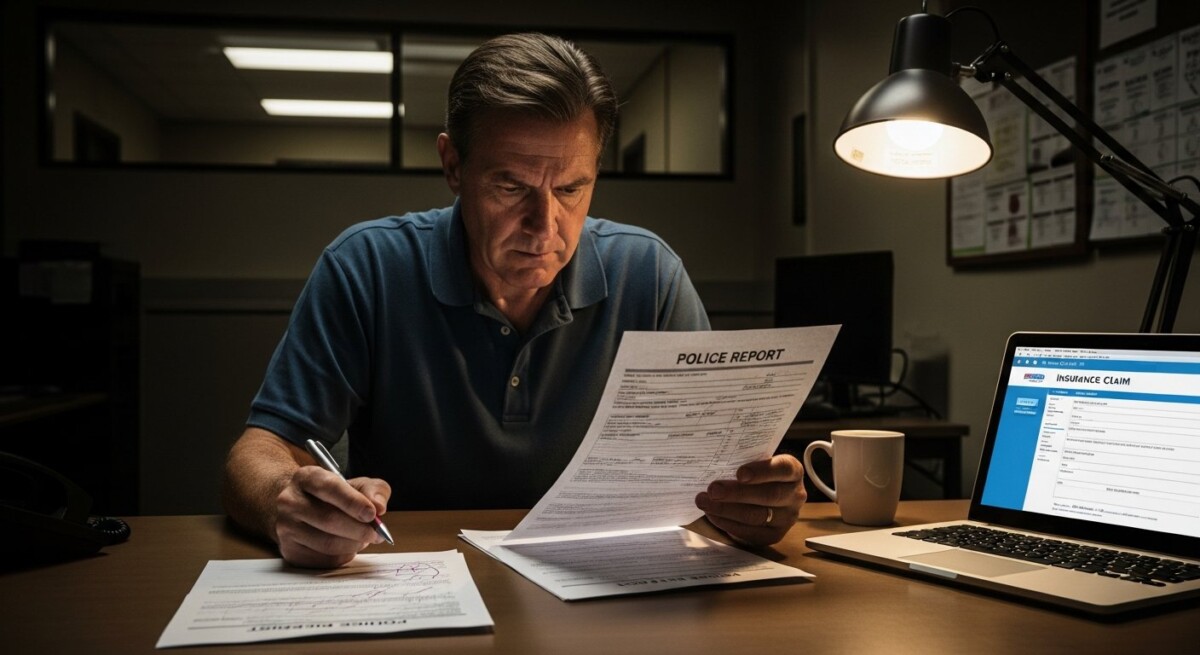
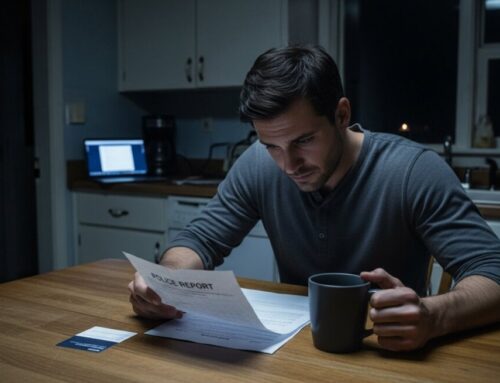
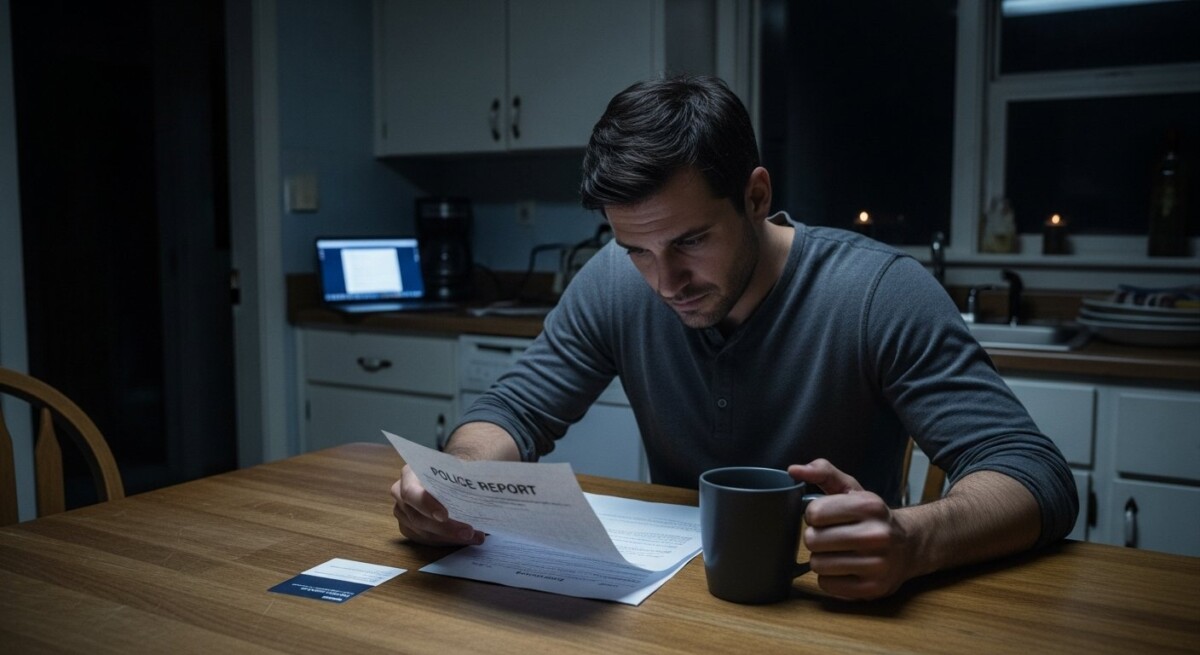
You are sitting in a claims office or at home reviewing the police report from your car crash. You spot an error: the wrong date, a missing witness, or an inaccurate description of how the collision happened. That single mistake can derail your insurance claim, affect your legal rights, and even expose you to liability. Understanding what happens if an accident report is incorrect is the first step toward protecting your recovery. Errors in these documents are more common than most people realize, and the consequences can be serious if you do not act quickly.
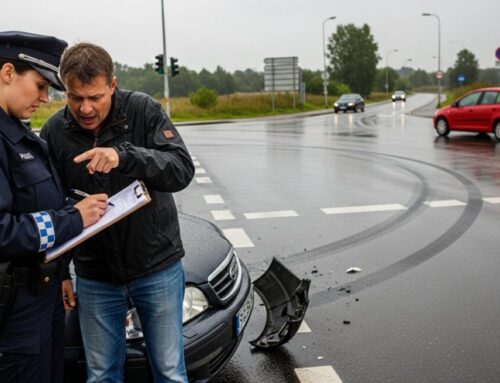
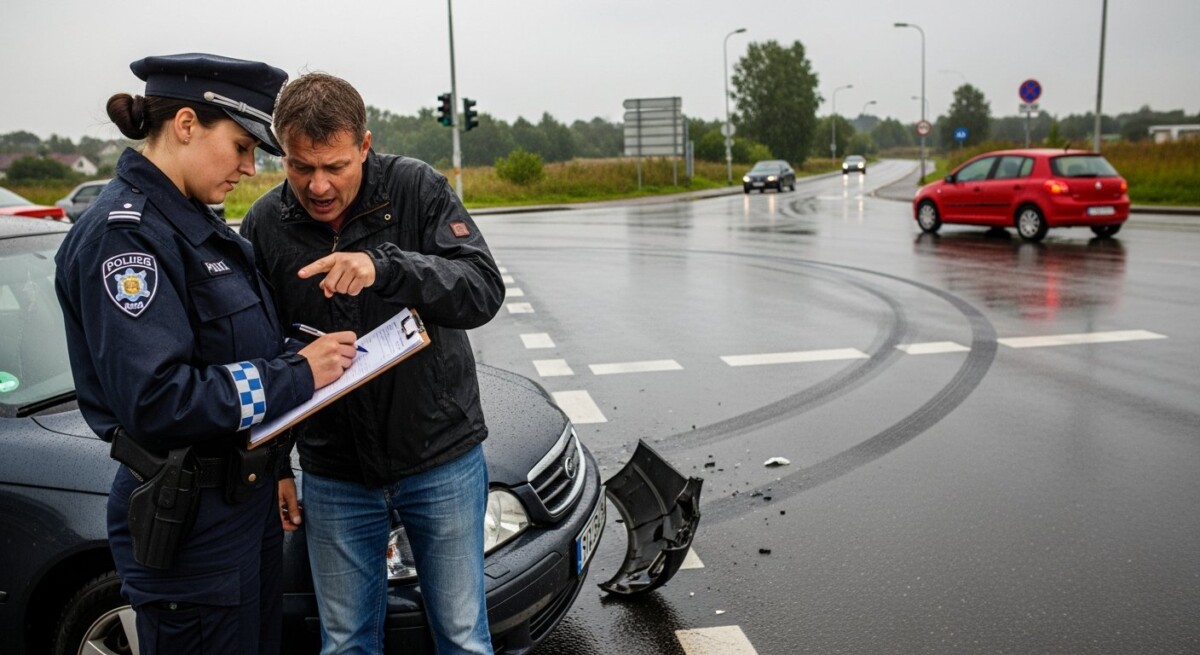
An accident report serves as the official record of a crash. Insurance adjusters, attorneys, and sometimes judges rely on it to determine fault and damages. When the report contains mistakes, every decision that follows can be built on faulty information. For example, a report that states you were speeding when you were not could lead to a denied claim or a reduced settlement. Similarly, a report that omits an injured passenger could delay medical compensation for that person. The key is to recognize errors early and take corrective steps before the report becomes a permanent obstacle.
Common Types of Errors in Accident Reports
Errors in accident reports fall into several categories, each with its own potential impact. The most frequent mistakes involve factual inaccuracies, such as the wrong time, date, or location of the crash. These may seem minor, but they can create conflicts with other evidence like surveillance footage or witness statements. Another common error is the misidentification of involved parties, including incorrect names, driver’s license numbers, or insurance information. This can cause delays in processing claims or even result in the wrong person being blamed.
More serious errors involve the description of how the accident occurred. Officers sometimes misjudge vehicle positions, speeds, or the sequence of events. For instance, an officer might incorrectly note that a driver failed to yield when the evidence shows they had the right of way. Such mistakes can directly affect liability determinations. Additionally, reports may omit important details such as road conditions, weather factors, or the presence of witnesses. In our guide on incorrect accident report: what happens next, we explain how these omissions can weaken your case.
Legal and Financial Consequences of an Incorrect Report
The consequences of an incorrect accident report extend into multiple areas of your life. Legally, an inaccurate report can influence how law enforcement, insurance companies, and courts view the crash. If the report wrongly assigns fault to you, you may face increased insurance premiums, difficulty obtaining coverage, or even a lawsuit from the other party. In some cases, an error that suggests intoxication or reckless driving could lead to traffic citations or criminal charges, even if those allegations are false.
Financially, an incorrect report can reduce the compensation you receive. Insurance adjusters rely heavily on police reports to evaluate claims. If the report underestimates damage to your vehicle or overstates your speed, the insurer may offer a lower settlement. You could end up paying out-of-pocket for repairs, medical bills, or lost wages that should have been covered. Worse, if the report contains a factual error that cannot be corrected quickly, your claim might be delayed for weeks or months while the dispute is resolved. For a deeper look at these risks, see our article on what happens if accident report is incorrect.
How to Identify Errors in Your Accident Report
Spotting errors requires careful review of the document as soon as you receive a copy. Here are the key areas to examine:
- Personal information: Verify your name, address, driver’s license number, and insurance details are correct. Even a typo can cause claim processing delays.
- Vehicle details: Check the make, model, year, color, and license plate number of every vehicle involved. A swapped vehicle description can confuse liability.
- Date, time, and location: Confirm these match your recollection and any receipts or photos you have. A wrong location could affect jurisdiction or fault analysis.
- Accident description: Read the narrative section carefully. Look for statements about direction of travel, speed, point of impact, and traffic signals. Compare this to your own memory and any photos you took at the scene.
- Witness and officer notes: Ensure witnesses are listed correctly and that the officer’s observations align with the evidence. Missing witnesses can weaken your case.
If you spot any discrepancies, document them immediately. Take notes on what the correct information should be and gather supporting evidence such as photos, videos, or witness statements. This will be crucial when you request a correction.
Steps to Correct an Inaccurate Accident Report
Correcting an accident report is possible, but the process varies by jurisdiction and law enforcement agency. The first step is to contact the officer or department that prepared the report. Many agencies have a formal process for submitting a correction request. You will typically need to provide a written explanation of the error along with supporting documentation. For example, if the report says you were at fault but you have dashcam footage showing the other driver ran a red light, include that evidence with your request.
If the officer agrees with your correction, they may file an amended report or add a supplementary statement. Some jurisdictions allow you to submit a sworn affidavit disputing specific facts. However, officers are not always willing to change their reports, especially if the error is a matter of interpretation rather than a clear factual mistake. In such cases, you may need to escalate the matter to a supervisor or file a formal complaint with the agency. Legal representation can be helpful here, as an attorney can communicate with the police department on your behalf and ensure your rights are protected. For more detail on the correction process, refer to our article on accident report errors: what happens if it is incorrect.
What to Do If the Report Cannot Be Corrected
Sometimes, despite your best efforts, the original accident report cannot be changed. This can happen if the officer refuses to amend it, if the report has already been finalized and submitted to a central database, or if the error is considered a matter of opinion rather than fact. In these situations, you are not without options. You can still present your own evidence to insurance adjusters, attorneys, or a court to contradict the report. For instance, you can submit photographs, witness affidavits, expert reconstruction reports, or your own written statement explaining the discrepancy.
Insurance companies are not bound by the police report; they must consider all available evidence when making a decision. If your evidence is strong, the insurer may still rule in your favor even if the report contains errors. Similarly, in litigation, a judge or jury can weigh the report against other evidence and decide what actually happened. It is also wise to notify your insurance company about the error in writing, so they are aware of the dispute and can factor it into their evaluation. Taking these steps early can minimize the damage caused by an uncorrectable mistake.
How an Attorney Can Help With an Incorrect Accident Report
Dealing with an incorrect accident report often requires legal knowledge and negotiation skills. An attorney can review the report, identify errors, and determine how those errors affect your claim. They can also communicate directly with the police department to request corrections, reducing the burden on you. If the error leads to a denied claim or a lawsuit, an attorney can build a case around the correct facts and challenge the report’s credibility in court. For example, they might hire an accident reconstruction expert to prove that the officer’s version of events is physically impossible.
Beyond corrections, an attorney can protect you from the financial fallout of an incorrect report. They can negotiate with insurance companies to ensure you receive fair compensation, even if the report is unfavorable. If the error results in a traffic citation or criminal charge, an attorney can defend you in court and work to have the charge dismissed. Legal representation is especially valuable when the stakes are high, such as in cases involving serious injuries, disputed liability, or significant property damage. For more on this topic, see our piece on incorrect accident report: key consequences explained.
Frequently Asked Questions
Can I sue the police for an incorrect accident report?
Generally, police officers have immunity for actions taken in the course of their duties, including writing accident reports. However, if the error was made intentionally or with gross negligence, you may have grounds for a complaint or lawsuit. Consult an attorney to evaluate your specific situation.
How long do I have to correct an accident report?
There is no universal deadline, but you should act quickly. Some agencies accept correction requests within a few weeks of the report being filed. Delaying can make it harder to gather evidence or convince the officer to amend the document.
Will an incorrect report automatically void my insurance claim?
No. An incorrect report does not automatically void your claim, but it can make the process more difficult. Insurance companies will still evaluate all evidence. If you can provide proof of the correct facts, your claim may still succeed.
What if the other driver’s insurance uses the incorrect report against me?
If the other driver’s insurer relies on the error, you can dispute it by submitting your own evidence. An attorney can help you present a strong counterargument and negotiate a fair settlement.
An incorrect accident report is a serious obstacle, but it does not have to define the outcome of your case. By catching errors early, pursuing corrections diligently, and enlisting professional help when needed, you can protect your rights and maximize your recovery. Whether the mistake is a simple typo or a major factual error, taking action quickly is the best way to minimize its impact. If you are dealing with an inaccurate report, consider contacting an experienced attorney to guide you through the process and advocate for your interests.