What Happens If Accident Involves Bicycle
You are riding your bike, obeying traffic signals, when suddenly a vehicle turns into your path. The impact is jarring. In the immediate aftermath, a thousand questions flood your mind, but the most pressing one is usually, what happens if accident involves bicycle? The answer is complex and depends on factors like fault, injuries, and insurance coverage. Unlike car crashes, bicycle accidents often leave the rider more vulnerable, leading to severe injuries and a more complicated legal path. This guide walks you through the immediate steps, the legal landscape, and the financial realities you will face.
Immediate Steps After a Bicycle Accident
The moments after a crash are critical for your health and your potential claim. Your first priority is safety, but the actions you take at the scene can make or break your case later. If you are physically able, you need to approach the situation methodically. Panic is natural, but a clear head will protect your rights.
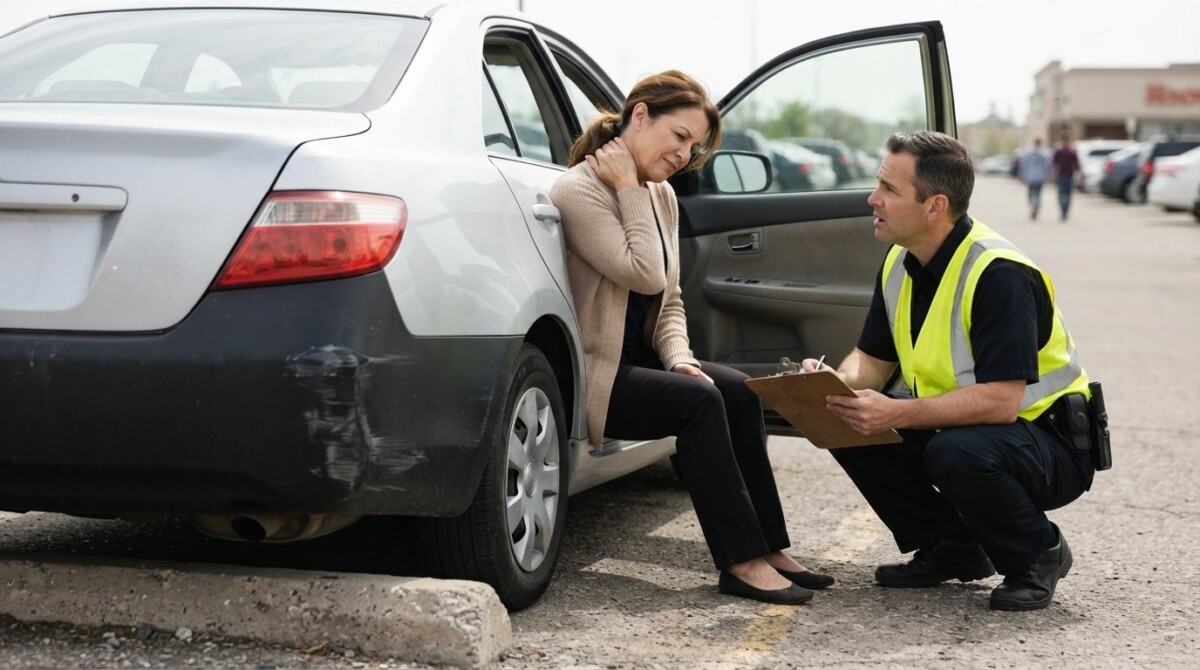
First, move to a safe location if possible and call 911. Even if you feel fine, adrenaline can mask serious injuries like internal bleeding or fractures. A police report is also essential; it provides an official record of the incident, which insurance companies heavily weigh. When the officer arrives, provide factual details only. Do not admit fault, even if you think you made a mistake. Statements like “I didn’t see them” can be misconstrued and used against you.
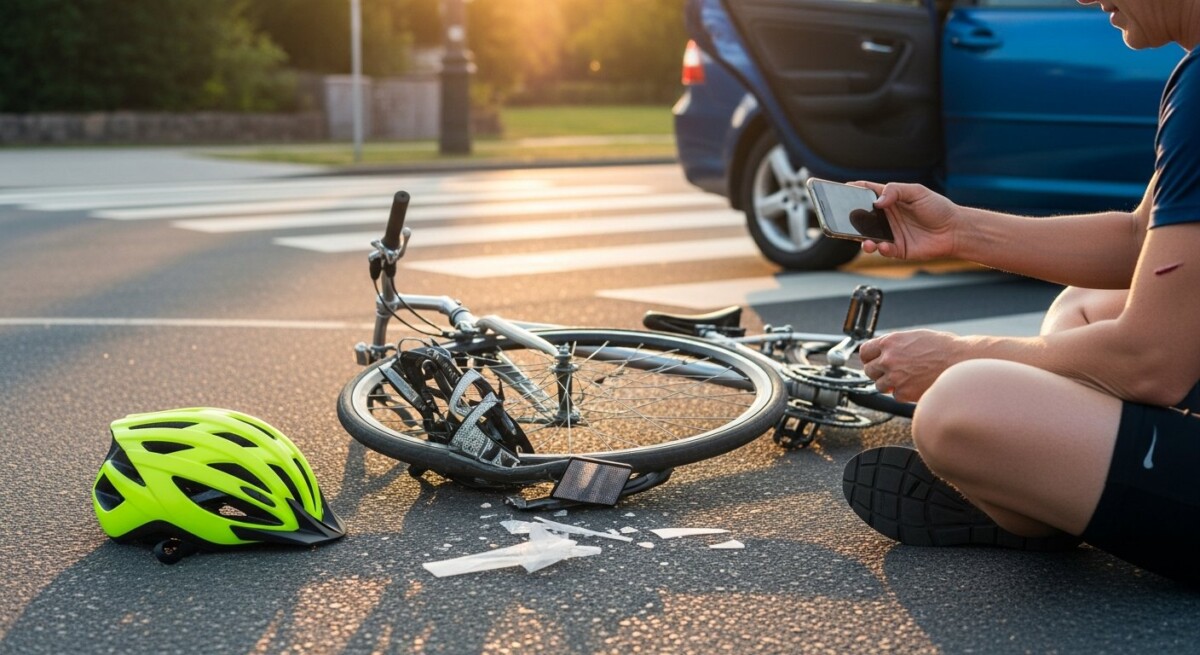
- Document Everything: Take photos of your bike, your injuries, the vehicle, and the surrounding area.
- Gather Witnesses: Get names and phone numbers of anyone who saw the crash.
- Seek Medical Attention: Go to the emergency room or urgent care immediately, even for minor aches.
- Do Not Negotiate: Do not accept a quick cash settlement from the driver at the scene.
- Report to Your Insurer: Notify your auto or home insurance provider, but be cautious about giving a recorded statement without legal advice.
After you have addressed your immediate medical needs, the focus shifts to the financial and legal aftermath. A common mistake is posting about the accident on social media. Insurance adjusters will scan your profiles for any posts that contradict your injury claims. Keep your story private until your case is resolved.
Determining Fault and Liability
Establishing fault is the cornerstone of any injury claim. In a bicycle accident, the rules of the road generally apply to cyclists, meaning they must obey stop signs and traffic lights. However, drivers often bear a higher duty of care due to the vulnerability of cyclists. The specific laws vary by state, but the core question remains the same: who caused the collision?
Liability is not always clear-cut. For instance, if a driver opens their car door into a bike lane (a “dooring” incident), the driver is typically at fault. Conversely, if a cyclist runs a red light and collides with a vehicle, the cyclist may be found negligent. In many states, comparative negligence rules apply. This means your compensation can be reduced by your percentage of fault. If you are found 20% at fault, your claim is reduced by 20%. This is why a thorough investigation is vital.
To build a strong case, you need to prove the driver breached their duty of care. Evidence includes the police report, witness statements, traffic camera footage, and accident reconstruction analysis. In some cases, local laws on bike lanes and right-of-way are the deciding factor. An attorney can help you navigate these nuances, especially if the other party disputes liability. If the police report contains errors, it can severely impact your case. In our guide on accident report errors and what happens if it is incorrect, we explain how a single mistake can shift blame unfairly.
Insurance Claims and Compensation
Once fault is established, you must deal with insurance companies. Your primary target is the driver’s auto insurance policy. This policy typically covers bodily injury liability, which pays for your medical bills and lost wages. However, the driver’s policy limits may be too low to cover your expenses, especially if you have catastrophic injuries.
This is where your own insurance policies come into play. Your health insurance will cover your medical bills, but the auto insurer should reimburse you. Additionally, you may have uninsured/underinsured motorist coverage on your own auto policy, even if you were on a bike. This coverage protects you if the driver has no insurance or insufficient limits. You might also have medical payments coverage (MedPay), which pays for medical expenses regardless of fault.
The compensation you can recover typically falls into two categories: economic and non-economic damages. Economic damages are tangible, such as hospital bills, rehabilitation costs, and lost earning capacity. Non-economic damages are subjective, covering pain and suffering, emotional distress, and loss of enjoyment of life. Calculating these amounts requires a careful review of your medical prognosis and how the injury affects your daily life. Insurance companies often use software to devalue these claims, so having an attorney to negotiate is critical.
When the Claim Gets Complicated
Not all bicycle accidents proceed smoothly. There are several scenarios where the process becomes adversarial. For example, if the at-fault driver is a commercial vehicle operator, the claim becomes more complex due to corporate liability and higher insurance limits. Conversely, if the driver is uninsured, you may need to file a claim under your own uninsured motorist policy, which often requires arbitration or litigation.
Another complication arises when the accident involves a defective product. If your bike’s brakes failed or a tire blew out due to a manufacturing defect, the liability may shift from the driver to the bike manufacturer. In such cases, you need to preserve the broken parts as evidence. Similarly, if the accident occurred due to a pothole or poorly designed intersection, the city or municipality could be a liable party. However, suing a government entity involves strict deadlines and immunity laws, making it a difficult path.
If your claim is rejected, you must understand your options. An initial denial is not the end of the road. You can appeal the decision, file a lawsuit, or enter mediation. Many claimants face a situation where the insurer disputes the medical necessity of your treatment or claims the accident was unavoidable. In our article on what happens next after a claim is rejected twice, we outline the steps to escalate your case and pressure the insurer to act in good faith.
The Role of Legal Representation
While you can handle a minor claim on your own, serious bicycle accidents demand professional legal help. A personal injury attorney understands the tactics insurers use to minimize payouts. They can also hire experts to reconstruct the accident, proving exactly how the collision occurred. This is especially important in cases where the driver claims the cyclist swerved into them.
Attorneys also handle the burden of paperwork, deadlines, and negotiations. This allows you to focus on recovery. Most personal injury lawyers work on a contingency fee basis, meaning they only get paid if you win. This aligns their interests with yours, as they are motivated to secure the maximum settlement possible. If your case involves a complex product defect, you may need specialized counsel.
When you choose an attorney, look for experience with bicycle advocacy and traffic litigation. They should be familiar with local ordinances and have a network of medical experts to testify on your behalf. The attorney will also protect you from making statements that could jeopardize your claim during the discovery phase. If the accident involved a defective bike component, the legal strategy shifts significantly. Our analysis of a defective product accident and what happens next shows how liability can extend beyond the driver.
Dealing with a Police Report and Legal Errors
The police report is a powerful document, but it is not infallible. Officers arrive after the fact and rely on statements and skid marks. They may incorrectly note the direction of travel or miss a key detail like a broken headlight on the vehicle. If the report contains factual errors, you have the right to request a correction. However, police departments are often resistant to changes, and you may need to submit a formal request or have an attorney intervene.
An incorrect report can poison your settlement negotiations. Insurance adjusters use the report as a primary reference, so if it states you were at fault, they will offer a lowball settlement. You must challenge these errors promptly. The process involves filing a written complaint with the police department and providing evidence that contradicts the report, such as dashcam footage or witness affidavits. If you ignore the error, you are effectively accepting the blame. For a deeper dive into this issue, you can read about accident report errors and what happens if it is wrong, which details how to rectify the record.
Frequently Asked Questions
Do I need a lawyer for a minor bicycle accident?
For minor scrapes with no significant medical bills, you might not need a lawyer. However, even minor accidents can lead to delayed injuries like whiplash. If the insurance company is offering a quick settlement, it is wise to consult an attorney to ensure the offer covers future medical needs.
What if I was partially at fault for the accident?
You can still recover damages under comparative negligence rules, but your award will be reduced by your percentage of fault. For example, if you were not wearing a helmet and suffered a head injury, the insurer may argue you contributed to your own injuries, reducing your payout by 10-20%.
How long do I have to file a lawsuit?
The statute of limitations varies by state, typically ranging from one to six years for personal injury claims. It is crucial to act quickly, as evidence can disappear and witnesses’ memories fade. Missing the deadline will bar you from recovering any compensation.
Can I claim compensation for a bike accident if I was riding on the sidewalk?
Yes, but it depends on local laws. If riding on the sidewalk is illegal in your area, the driver’s insurance may argue you were negligent. However, even if you were technically breaking a law, the driver still has a duty to avoid hitting you.
Final Thoughts on Your Recovery Path
Understanding what happens if accident involves bicycle is the first step toward protecting your rights. The process involves medical treatment, insurance battles, and potentially complex legal theories. You do not have to navigate this alone. Attorneys specialize in leveling the playing field against large insurance corporations. Whether you are dealing with a stubborn adjuster or a disputed police report, professional guidance ensures your voice is heard. Prioritize your health, document everything, and seek counsel to secure the financial future you deserve.