Partial Fault in an Accident: Your Legal Options
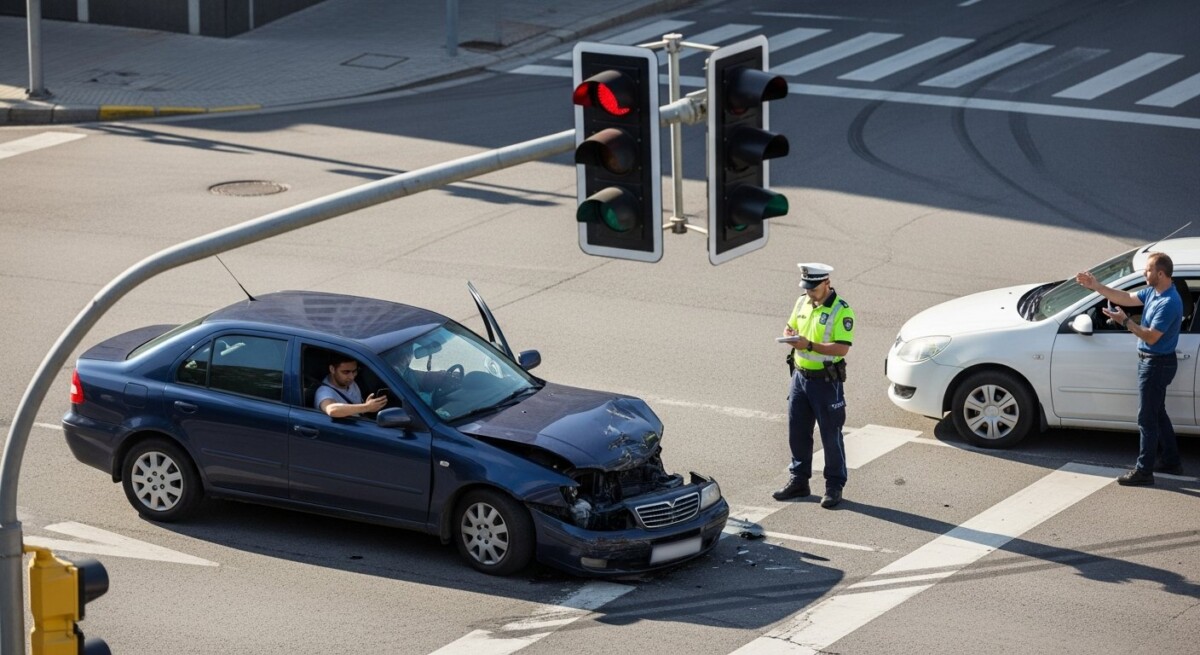
You are sitting in your car after a fender bender, replaying the seconds before impact. Maybe you glanced at your phone for a moment. Maybe you were going a few miles over the speed limit. Or perhaps you failed to signal before changing lanes. The other driver ran a red light, but now you wonder: does your own mistake mean you cannot recover anything? The short answer is no. Understanding what happens if you partially caused an accident can make the difference between walking away with nothing and securing compensation for your medical bills and lost wages.
Many people assume that any fault bars them from recovery. That belief keeps thousands of injury victims from even filing a claim. In reality, most states allow you to recover even if you were partly to blame. The key is knowing how your state’s laws treat shared fault and how to present your case to an insurance adjuster or jury. This article walks through the legal doctrines, practical steps, and common pitfalls so you can protect your rights after a crash where fault is not black and white.
How Comparative Fault Works in Most States
The legal system has moved away from the old rule of contributory negligence, which barred recovery if you had even 1 percent fault. Today, the vast majority of states follow some form of comparative fault. Under this system, your compensation is reduced by your percentage of fault. For example, if a jury finds that you were 30 percent at fault and your total damages are $100,000, you would receive $70,000. This approach feels fairer to most people and encourages settlement rather than all-or-nothing litigation.
There are two main types of comparative fault: pure and modified. Pure comparative fault allows you to recover even if you are 99 percent at fault, though your award is reduced accordingly. Only a handful of states, including California and Florida, follow this rule. Modified comparative fault sets a threshold, typically 50 or 51 percent. If your fault equals or exceeds that threshold, you recover nothing. Most states use the 51 percent bar, meaning you can recover as long as you are 50 percent or less at fault. A few states use the 50 percent bar, which cuts off recovery at exactly 50 percent fault.
In our guide on accident report errors, we explain how mistakes in the official police report can inflate your fault percentage. If the officer writes that you were speeding when you were not, that error might push your fault above the threshold and destroy your claim. Reviewing the report for accuracy is one of the first steps any partially at-fault driver should take.
Determining Fault Percentages After a Crash
Fault is not a mathematical formula. Insurance adjusters and juries assign percentages based on evidence, witness statements, traffic laws, and the specific actions of each driver. Common factors that increase your fault percentage include distracted driving, speeding, failure to yield, following too closely, and driving while impaired. Even something as minor as failing to properly adjust your mirrors before pulling out can be weighed against you.
Insurance companies often use the police report as a starting point. They also review photos of the damage, skid marks, traffic camera footage, and statements from witnesses. If you admitted fault at the scene, that statement will be used against you. This is why it is critical not to apologize or say “it was my fault” after a crash, even if you think you made a mistake. Let the evidence speak for itself.
Here are key pieces of evidence that can help reduce your assigned fault percentage:
- Dashcam footage showing the other driver’s reckless maneuver
- Witness statements that corroborate your version of events
- Cell phone records proving the other driver was texting at the time of impact
- Traffic camera or red-light camera footage
- Expert accident reconstruction analysis
Collecting this evidence early is essential. Witnesses forget details over time, and video footage can be overwritten or deleted. An attorney can help you preserve evidence and hire experts if needed. Without solid evidence, an adjuster may assign you a higher percentage of fault simply because the other driver tells a more convincing story.
The Impact of Partial Fault on Insurance Claims
When you file a claim with the other driver’s insurance company, the adjuster will investigate and assign fault percentages. If you are found partially at fault, the other insurer will offer a reduced settlement based on your share of fault. You then have three options: accept the reduced offer, negotiate for a lower fault percentage, or file a lawsuit. Negotiation often works when you have strong evidence that the adjuster overlooked.
If you have collision coverage on your own policy, you can also file a claim with your own insurer. Your insurance company will then seek reimbursement from the other driver’s insurer through a process called subrogation. This can be faster than waiting for the other side to pay, but it may also trigger a premium increase. In some states, your policy includes a provision called “made whole” that protects you until you are fully compensated.
One common question is whether your insurance rates will go up if you were partially at fault. The answer depends on your policy and state law. Some states prohibit rate increases for not-at-fault accidents, but partial fault usually counts as at-fault. Even a 10 percent fault assignment can lead to higher premiums. This is another reason to fight for the lowest possible fault percentage, not just to maximize your settlement but to protect your future insurance costs.
Legal Options When You Share Fault
Suing the other driver is always an option, even when you bear some responsibility. Your lawsuit will allege that the other driver’s negligence caused the accident and that you suffered damages. The other side will likely raise your own negligence as a defense. The court will then decide each party’s percentage of fault and reduce your award accordingly.
Before filing a lawsuit, consider the costs. Litigation takes time, and attorney fees can consume a significant portion of your recovery. Most personal injury lawyers work on contingency, meaning they take a percentage of the settlement or verdict. If your damages are relatively small, the cost of litigation might not be worth it. However, for serious injuries with high medical bills and lost income, a lawsuit may be the only way to obtain fair compensation.
If you are considering legal action, you should understand how a Milwaukee car accident attorney can protect your rights. Even if you live elsewhere, the principles are the same: an experienced lawyer knows how to negotiate with adjusters, gather evidence, and present your case in the most favorable light. They can also advise you on whether your state’s modified comparative fault threshold puts you at risk of recovering nothing.
Special Considerations for Pedestrians and Cyclists
Pedestrians and cyclists are often partially at fault when struck by a vehicle. Jaywalking, crossing against a signal, or riding without lights at night can all reduce your recovery. Insurance companies sometimes argue that pedestrians assume the risk of injury by walking in traffic. However, drivers still owe a duty of care to avoid hitting pedestrians, even those who are not following every rule.
In pedestrian cases, fault percentages can swing widely. A pedestrian who darts into traffic mid-block may be assigned 50 percent or more fault. A pedestrian who crosses legally but is hit by a speeding driver may be assigned zero fault. The key is whether the driver had a reasonable opportunity to avoid the collision. If the driver was distracted or impaired, the pedestrian’s minor mistake may not matter much.
Cyclists face similar challenges. Many drivers believe cyclists do not belong on the road, and that bias can influence adjusters and juries. If you were riding without a helmet, the other side may argue that you contributed to your head injury. Some states have specific laws about helmet use and bicycle equipment that can affect fault. An attorney who understands these nuances can make a significant difference in your case.
How to Protect Yourself After a Partial-Fault Accident
The moments after a crash are chaotic, but your actions can shape the outcome of your claim. First, never admit fault. Even a casual “I’m sorry” can be used as an admission. Stick to the facts when speaking to police and insurance adjusters. If you are unsure about something, say you do not remember rather than guess.
Second, document everything. Take photos of the scene, the damage to both vehicles, the positions of the cars, and any visible injuries. Get contact information from witnesses. Write down your own recollection of events as soon as possible while details are fresh. This documentation will help your attorney challenge an unfair fault assignment later.
Third, seek medical attention even if you feel fine. Adrenaline can mask pain, and some injuries like whiplash take hours or days to appear. A medical record created shortly after the accident is strong evidence that your injuries were caused by the crash. Delaying treatment gives the insurance company an excuse to argue that your injuries are unrelated or exaggerated.
Fourth, do not post about the accident on social media. Insurance adjusters routinely monitor Facebook, Instagram, and other platforms for evidence that contradicts your claim. A photo of you smiling at a party days after the crash can be used to argue that your injuries are not serious. Even a private message can be subpoenaed in litigation.
Finally, consult an attorney before signing anything. Insurance companies often ask for a recorded statement or a medical authorization early in the process. These requests are designed to limit your recovery. An attorney can handle these communications and ensure that you do not inadvertently waive your rights. If you have questions about how a previous mistake might affect your claim, read our article on accident report errors and what happens if the report is wrong.
Frequently Asked Questions
Can I still get compensation if I was partially at fault?
Yes, in most states you can recover compensation as long as your fault does not exceed the state’s threshold. Under pure comparative fault, you can recover even if you were 99 percent at fault. Under modified comparative fault, you are barred if your fault reaches 50 or 51 percent, depending on the state.
Does partial fault affect my insurance rates?
Yes, it often does. Even a small percentage of fault can lead to a premium increase. Some states prohibit rate increases for not-at-fault accidents, but partial fault is usually treated as at-fault for rating purposes. Fighting for the lowest possible fault percentage can help protect your future premiums.
What if the other driver says I caused the accident?
Do not argue at the scene. Exchange information and let the evidence determine fault. If the other driver’s version of events is inaccurate, your attorney can use witness statements, photos, and expert analysis to challenge their account. The police report is not the final word, and it can be corrected if it contains errors.
How is fault percentage decided?
Fault is decided by the insurance adjuster or, if the case goes to court, by a judge or jury. They weigh all available evidence, including traffic laws, witness statements, photos, video footage, and expert testimony. The specific facts of each case determine the outcome.
Should I hire an attorney if I was partially at fault?
Yes, hiring an attorney is especially important when you share fault. An experienced lawyer can negotiate with the insurance company to minimize your fault percentage and maximize your recovery. They can also identify evidence you might overlook and handle the legal complexities of comparative fault. If you are struggling with emotional distress after the accident, you may also want to learn whether you can sue for mental trauma after an accident.
Being partially at fault does not mean you have to accept a lowball settlement or walk away empty-handed. The legal system recognizes that accidents are rarely the result of one person’s mistake. With the right approach and professional guidance, you can still recover the compensation you need to move forward. The most important step is to act quickly, preserve evidence, and speak with an attorney who understands how to handle cases where fault is shared.