Wrong Accident Report: What Happens Next
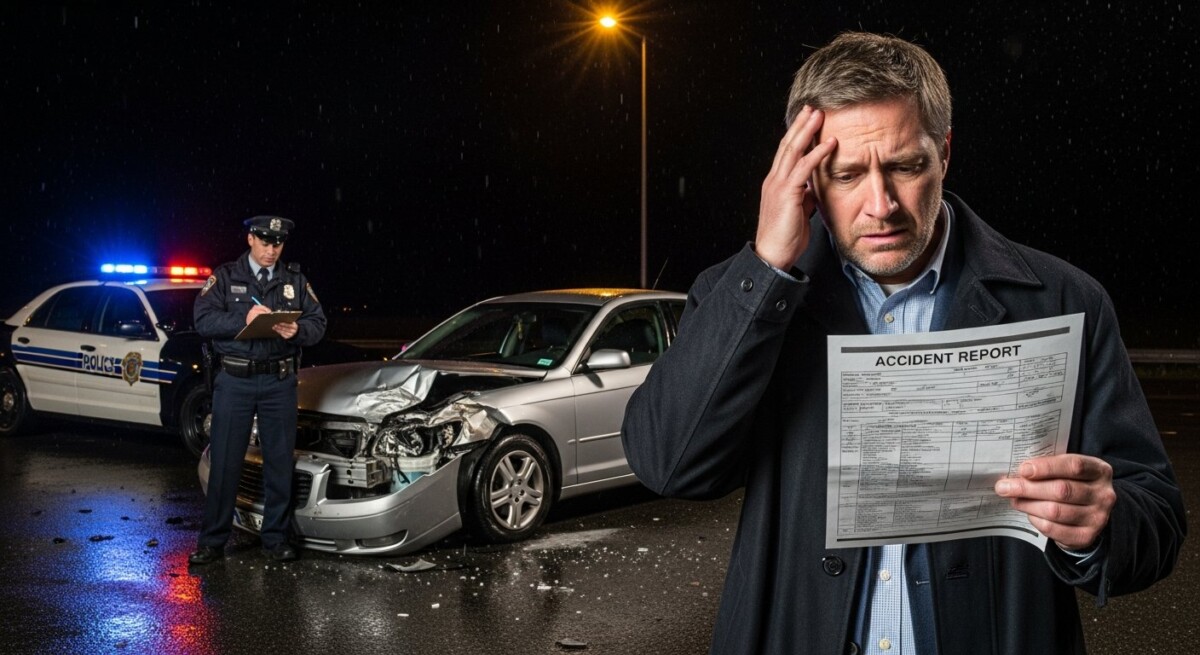
You were in a car accident. The police arrived, took statements, and filed a report. You assumed everything was accurate until you read the document days later. The officer listed the wrong driver, misstated the direction of travel, or omitted a key detail about road conditions. Your stomach drops. You wonder: what happens if an accident report is incorrect?
This question matters more than most people realize. Police accident reports carry significant weight in insurance claims and legal proceedings. An error in this official document can derail your settlement, complicate your liability dispute, or even affect your insurance premiums for years. Understanding your options and taking prompt action is critical to protecting your rights. This article explains what an incorrect accident report means for your case, what steps you can take to correct it, and how to minimize the damage if a correction is not possible.
This website, AttorneyLawsuit.com, provides legal information for consumers navigating disputes with attorneys and insurance companies. We do not offer legal advice, but we help you understand the process so you can make informed decisions. If you need personalized guidance, consult a qualified attorney in your state.
The Real Impact of an Inaccurate Police Report
An incorrect accident report is not just a paperwork annoyance. It can have serious consequences for your insurance claim and any potential lawsuit. Insurance adjusters rely heavily on these reports when determining fault and calculating payouts. A mistake in the report can lead to the wrong conclusion about who caused the accident.
For example, if the report states that you were speeding when you were not, the insurance company may use that to deny your claim or reduce your settlement. Similarly, if the report fails to mention that the other driver ran a red light, you could be held partially at fault for an accident you did not cause. In some states, comparative negligence laws mean that even a small percentage of fault can reduce your compensation significantly.
Beyond insurance, an incorrect report can also affect legal proceedings. If you file a personal injury lawsuit, the opposing attorney will use the inaccurate report to challenge your credibility. They may argue that the report is more reliable than your testimony simply because it was prepared by a police officer. This makes correcting the error before it becomes entrenched in the legal record a top priority.
Common Types of Errors in Accident Reports
Accident reports can contain various types of mistakes. Knowing what to look for helps you identify problems early. Here are the most common categories of errors:
- Factual errors: These include incorrect dates, times, locations, or weather conditions. Even a small factual mistake can raise doubts about the entire report.
- Driver and vehicle information: Wrong names, license plate numbers, insurance policy details, or driver license numbers are surprisingly common. These errors can delay claims processing.
- Diagram and description mistakes: The officer may draw the accident scene incorrectly or misstate the sequence of events. For instance, they might show your car in the wrong lane or omit a traffic signal.
- Witness and statement inaccuracies: Witness names may be misspelled, or their statements may be summarized incorrectly. The officer might also leave out a witness who gave a favorable account of your actions.
- Citation errors: The officer may issue a citation to the wrong driver or cite a statute that does not apply to the situation. This can create a presumption of fault that is hard to overcome.
Reviewing the report carefully as soon as you receive it is essential. Do not assume that the officer got everything right. Officers handle many accidents each shift, and they can make honest mistakes. Your attention to detail can prevent those mistakes from harming your case.
Your First Step: Requesting a Copy of the Report
You cannot correct a report you have not seen. Your first step is to obtain an official copy of the accident report. In most states, the report becomes available within a few days to a week after the accident. You can typically request it from the police department that responded to the scene.
Many police departments now offer online portals where you can request and pay for a copy of the report. You will need the date of the accident, the location, and the names of the involved parties. There is usually a small fee, often between $5 and $15. Some states allow you to request the report by mail or in person as well.
Once you have the report, read every line carefully. Compare the details against your own memory and any photographs or videos you took at the scene. If you have a lawyer, share the report with them immediately. An attorney can spot issues that you might miss and advise you on the best strategy for correction.
How to Correct an Incorrect Accident Report
Correcting an accident report is possible, but the process varies by jurisdiction. There is no universal form or procedure. However, most police departments allow you to submit a formal request for amendment. Here is a general framework for how to proceed:
- Contact the reporting officer or their supervisor. Start by calling the police department and asking to speak with the officer who wrote the report. Explain the error politely and provide any evidence you have, such as photos or witness contact information. Many officers will correct genuine mistakes without a formal process.
- Submit a written statement. If the officer is unresponsive or refuses to make the change, submit a written statement detailing the error. Include your name, the report number, a clear description of the mistake, and supporting evidence. Request that your statement be attached to the original report.
- File a formal complaint or request for correction. Some departments have a specific form for disputing a report. Ask the records division if such a form exists. If not, write a formal letter addressed to the police chief or the department’s internal affairs unit.
- Contact the DMV if the report is part of your driving record. In some states, accident reports are linked to your motor vehicle record. If the error affects your driving record, you may need to contact the Department of Motor Vehicles separately to dispute the information.
Keep copies of all correspondence and documentation. If the error is not corrected through these steps, you may need to involve an attorney. A lawyer can sometimes negotiate directly with the police department or use the report as evidence in court to show that it is inaccurate.
What If the Report Cannot Be Changed?
In some cases, the police department may refuse to amend the report. This can happen if the officer stands by their original account or if the department has a policy against altering reports after they are filed. If you cannot get the report changed, do not panic. You still have options to protect your case.
You can present your own evidence to contradict the report. Photographs, video footage, independent witness statements, and expert testimony can all be used to show that the report is wrong. In insurance claims and court proceedings, the report is considered evidence, but it is not the final word. A judge or jury can weigh the report against other evidence and decide what actually happened.
Your attorney can also depose the officer who wrote the report. During a deposition, the officer must testify under oath about how they prepared the report and why they reached their conclusions. If the officer made a mistake, the deposition may reveal inconsistencies that undermine the report’s credibility.
In our guide on accident report errors and what happens if it is wrong, we explain additional strategies for minimizing the impact of an uncorrected error. Understanding these options can give you confidence even when the official record is flawed.
How an Incorrect Report Affects Your Insurance Claim
Insurance companies treat police reports as authoritative documents. When you file a claim, the adjuster will review the report to determine fault. If the report contains errors that make you look responsible, the insurer may deny your claim or offer a low settlement.
For example, if the report says you failed to yield when you actually had the right of way, the adjuster will likely assign fault to you. This can result in your claim being denied entirely or your payout being reduced by your percentage of fault. In no-fault states, an incorrect report can still affect your ability to sue the other driver for pain and suffering.
If you have already submitted the report to your insurance company and later discover an error, notify your adjuster immediately. Provide them with the corrected information and any supporting evidence. Some insurers will reopen a claim if new evidence shows the original report was wrong. However, the longer you wait, the harder it becomes to change the adjuster’s mind.
Legal Recourse for Damages Caused by a False Report
In rare cases, an accident report may contain false information that was not an honest mistake. If an officer deliberately falsified a report or acted with gross negligence, you may have a legal claim against the police department. This is a complex area of law, and you should consult an attorney to evaluate your options.
Proving that an officer acted intentionally or recklessly is difficult. Courts often grant police officers qualified immunity for actions taken in the course of their duties. However, if you can show that the officer violated your rights or caused you significant financial harm through intentional misconduct, you may be able to recover damages.
Most errors, however, are simple mistakes. The legal system provides other ways to address them without suing the police. Your attorney can help you decide the best path forward based on the specific facts of your case.
Why You Should Not Ignore a Mistake
Some people assume that a police report is just a formality and that errors do not matter. This is a dangerous assumption. Accident reports stay in official records for years. They can affect your insurance premiums, your driving record, and even your ability to defend yourself in a lawsuit.
Ignoring a mistake can also harm your credibility. If you later challenge the report in court, the other side will ask why you did not try to correct it sooner. A prompt attempt to fix the error shows that you take the matter seriously and that the error was not a strategic afterthought.
For more details on the process of addressing errors, read our article on what happens next after an incorrect accident report. Taking action early can save you time, money, and stress down the road.
Frequently Asked Questions
Can I sue the police for an incorrect accident report?
In most cases, no. Police officers have immunity for honest mistakes made while performing their duties. You can only sue if the officer acted with intentional misconduct or gross negligence. Consult a lawyer to evaluate your specific situation.
How long do I have to correct an accident report?
There is no universal deadline, but acting quickly is best. Some police departments have internal time limits for requesting amendments. Insurance companies also process claims quickly, so delays can hurt your case.
Will a corrected report change my insurance claim?
Possibly. If the correction changes the determination of fault, your insurer may reopen your claim and adjust the settlement. Provide the corrected report and any supporting evidence to your adjuster as soon as possible.
What evidence is most effective for disproving a police report?
Dashcam footage, traffic camera video, photographs of the scene, and independent witness statements are all powerful evidence. Expert accident reconstruction can also help in complex cases.
Do I need a lawyer to fix a police report error?
You can try to correct minor errors on your own. However, if the error is significant or the police department is uncooperative, a lawyer can be very helpful. An attorney knows the procedures and can apply pressure if needed.
Protecting Your Rights After an Accident
An incorrect accident report is a frustrating setback, but it does not have to ruin your case. By reviewing the report promptly, gathering evidence, and pursuing a correction through the proper channels, you can minimize the impact. If the report cannot be changed, you can still present your own evidence to tell the true story of what happened.
Remember that insurance companies and courts consider all evidence, not just the police report. Your testimony, photographs, witness accounts, and expert analysis all matter. Do not let a paperwork error discourage you from seeking the compensation you deserve.
If you are dealing with an incorrect accident report and need guidance, explore our resources on incorrect accident reports and next steps. We also cover additional strategies for handling report errors in a separate post. Knowledge is your best defense against mistakes in official records. Stay proactive, stay informed, and do not hesitate to seek professional legal help when you need it.