What Happens If Insurance Underestimates Your Claim
When you file an insurance claim after an accident or property damage, you expect the settlement to cover your actual losses. But what happens if insurance underestimates claim value and offers far less than what you need to recover? This scenario is more common than most policyholders realize. Insurance companies regularly use complex valuation methods, depreciation schedules, and internal guidelines to minimize payouts. Understanding this process and knowing how to respond can mean the difference between a fair settlement and a financial shortfall that leaves you paying out of pocket for months or years.
An underestimated claim does not just mean a smaller check. It can delay repairs, force you to accept substandard medical care, or push you into debt. In some cases, the shortfall is so significant that policyholders consider legal action against their own insurer or the third party responsible. The good news is that you have rights, and there are proven strategies to push back against a lowball offer. This article walks through exactly what happens when an insurer undervalues your claim, why it happens, and the specific steps you can take to fight for full compensation.
Why Insurers Underestimate Claims
Insurance companies operate as for-profit businesses. Their primary obligation is to shareholders, not policyholders. While state regulations require them to handle claims in good faith, the financial incentive to minimize payouts is built into their business model. Adjusters are often evaluated on metrics like average claim cost and closure time, which can encourage them to lowball or rush settlements.
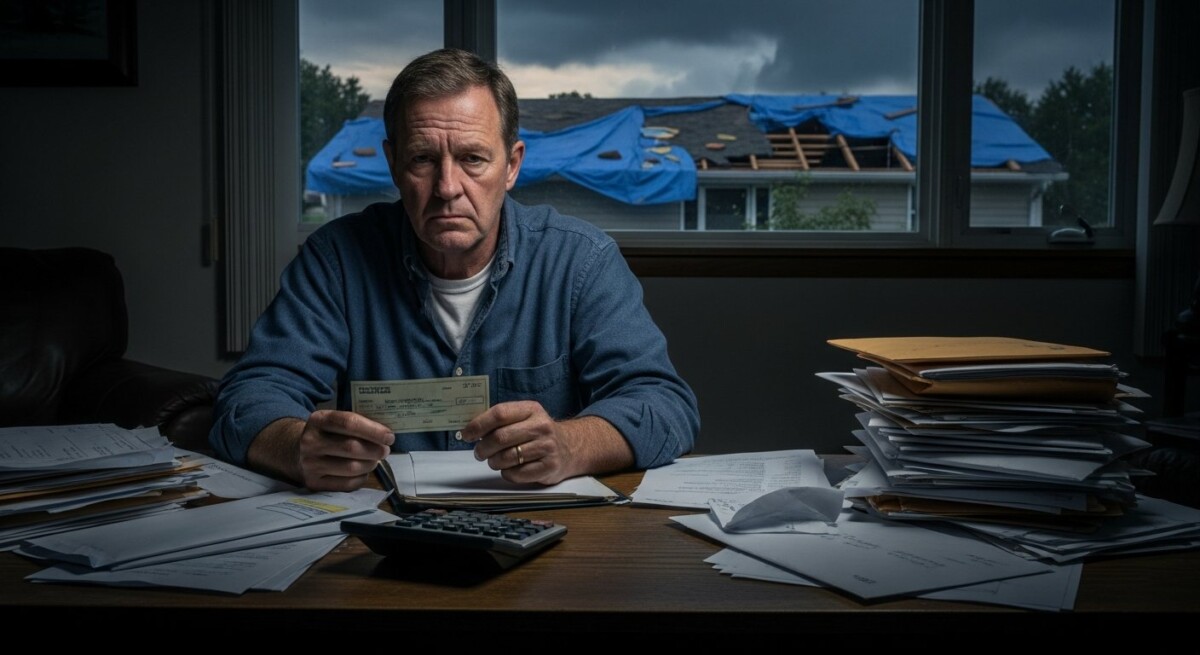
Common reasons for underestimation include the use of outdated software that undervalues repairs, failure to account for hidden damage, or reliance on preferred vendors who provide artificially low estimates. For example, an auto body shop that partners with an insurer may quote lower labor rates than an independent shop you would choose on your own. Similarly, in a homeowners claim, an adjuster might miss damage to your roof’s underlying structure and only account for visible shingle damage.
Depreciation and Actual Cash Value
One of the most frequent sources of underestimation involves the difference between actual cash value (ACV) and replacement cost value (RCV). Many policies pay out based on ACV, which deducts depreciation from the replacement cost. If your five-year-old roof is destroyed by a storm, the insurer may calculate the payout based on its depreciated value rather than what it costs to install a new roof today. You then receive a check that is thousands of dollars less than the actual repair bill.
Some policies include recoverable depreciation, meaning you can claim the withheld amount after repairs are completed and documented. However, many policyholders miss this step or fail to meet the deadline, leaving money on the table. If your policy is RCV-based, the initial estimate may still be low because the adjuster uses average material costs from a database rather than actual market prices in your area.
The Immediate Consequences of an Underestimated Claim
The first and most obvious result is a settlement offer that does not cover your verified expenses. This can create a cascade of problems. For a car accident victim, it might mean choosing between a cheaper repair shop that uses inferior parts or paying the difference out of pocket. For a homeowner, it could force you to delay essential repairs, which may worsen the damage and lead to additional losses that the insurer may argue are not covered.
Medical claims face similar issues. If an insurer undervalues your personal injury claim, they might only offer enough to cover initial emergency room visits, ignoring the cost of physical therapy, future surgeries, or lost wages. Victims often accept these early offers before they fully understand the long-term impact of their injuries. Once you sign a release, you cannot reopen the claim for additional compensation, even if your condition worsens.
Another serious consequence is the strain on your finances. You may need to use credit cards or loans to cover the gap, accruing interest and fees. In extreme cases, people lose their homes or vehicles because they cannot afford repairs after a low settlement. This is why it is critical to challenge an underestimate before accepting any payment.
How to Challenge an Underestimated Claim
You do not have to accept the first offer. In fact, you should almost never accept an initial settlement without careful review. The claims process is designed to be negotiable, and insurers expect policyholders to push back. The key is to approach the challenge systematically with evidence and persistence.
Here are the essential steps to take when you believe your claim has been undervalued:
- Request a detailed breakdown: Ask the adjuster for a written estimate that itemizes every line item. This includes labor rates, material costs, parts prices, and depreciation calculations. Scrutinize each entry for errors or omissions.
- Obtain independent estimates: Hire a licensed contractor or repair shop to create their own estimate. A second opinion from an independent professional carries significant weight in negotiations. Make sure the estimate uses current market rates, not insurer database averages.
- Document everything: Take photos of all damage before any repairs begin. Save receipts, medical records, and any correspondence with the insurer. A paper trail is your strongest weapon if you need to escalate the dispute.
- Write a formal rebuttal letter: Draft a letter to the claims adjuster explaining why the estimate is insufficient. Reference the independent estimate, point out specific discrepancies, and cite your policy language if it supports a higher payout.
After you submit your rebuttal, the insurer may send a different adjuster or a field supervisor to re-inspect the damage. This second look often results in a higher offer. If the insurer still refuses to adjust the estimate, you have options beyond direct negotiation.
When to Involve a Public Adjuster or Attorney
If negotiations stall or the insurer continues to lowball you, it may be time to bring in a professional. A public adjuster works for you, not the insurance company. They re-evaluate the claim, prepare a comprehensive estimate, and negotiate with the insurer on your behalf. Public adjusters typically charge a percentage of the final settlement, usually 10 to 15 percent. For large claims, this fee is often worth it because they secure a significantly higher payout.
For disputes involving bad faith or legal malpractice, an attorney becomes necessary. Bad faith occurs when an insurer unreasonably delays or underpays a claim without a valid basis. In these cases, you may be entitled to damages beyond the original claim amount, including penalties and attorney fees. If your claim was mishandled because of errors by the adjuster or the insurer’s legal counsel related to professional negligence, you might have grounds for a separate legal action.
If you are unsure whether your situation warrants legal action, consider consulting an attorney who specializes in insurance disputes. Many offer free initial consultations. They can review your policy, the adjuster’s estimate, and your correspondence to determine if the insurer acted in bad faith.
Frequently Asked Questions
Can I sue my insurance company for underestimating my claim?
Yes, you can sue if the insurer acted in bad faith. This means they unreasonably denied, delayed, or undervalued your claim without a legitimate basis. Lawsuits are typically a last resort after negotiation and mediation have failed. Consult an attorney to evaluate whether your case meets the legal threshold for bad faith.
How long do I have to dispute a low settlement offer?
The timeline varies by state and policy type. Most policies require you to file a claim within one year of the loss. For disputes, you usually have a shorter window, often 30 to 60 days after receiving the settlement offer, to request a re-evaluation or file an appeal. Check your policy or state insurance department for specific deadlines.
Will hiring a public adjuster delay my claim?
It can add some time, usually a few weeks, because the public adjuster needs to inspect the damage, prepare a new estimate, and negotiate. However, the delay is often worth it because the final settlement is typically much higher. Most public adjusters aim to resolve claims within 30 to 60 days.
What if my policy uses actual cash value instead of replacement cost?
If your policy is ACV, the insurer can legally deduct depreciation. However, you can still challenge the depreciation amount if it seems excessive or if the adjuster used the wrong depreciation schedule. Some policies also allow you to upgrade to RCV for an additional premium at renewal time.
Final Thoughts on Protecting Your Recovery
An underestimated insurance claim is not the end of the road. It is the beginning of a negotiation that you have the right to win. Arm yourself with independent estimates, a thorough understanding of your policy, and documentation of every loss. If the insurer refuses to budge, consider hiring a public adjuster or consulting an attorney who handles insurance disputes. In our guide on what happens when insurance denies liability, we explain how to handle the related issue of outright denial. Your goal is to recover what you are legally owed, not what the insurer wants to pay. Do not settle for less than full and fair compensation.