Uninsured Driver Accident: Your Legal Options Now
Being involved in a car accident is stressful enough on its own. But when you discover the other driver has no insurance, the situation can feel overwhelming. You might wonder who pays for your medical bills, how you will repair your vehicle, and whether you have any legal recourse at all. Understanding what happens if an accident involves an uninsured driver is critical to protecting your finances and your rights. The answer depends largely on your own insurance policy, the laws in your state, and the specific circumstances of the crash. This guide walks you through the immediate steps to take, the coverage options available, and the legal strategies that can help you recover compensation even when the at-fault driver has no insurance.
Immediate Steps After an Accident With an Uninsured Driver
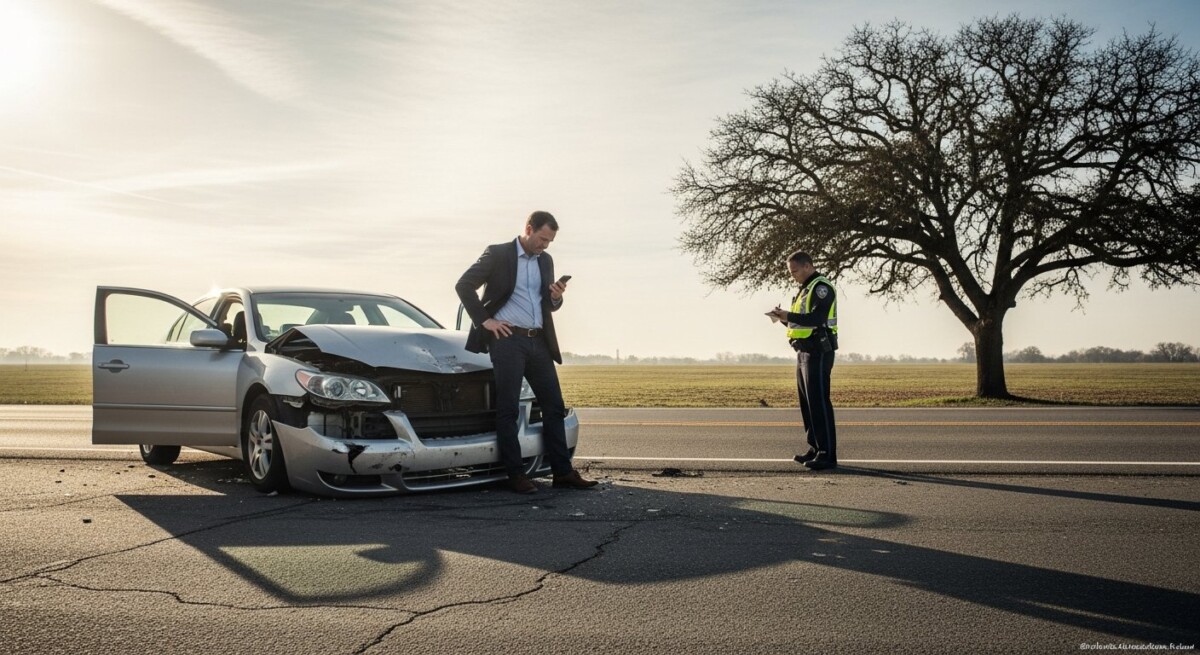
The moments after a collision are chaotic, but your actions can make a significant difference in your ability to recover damages. First, ensure everyone is safe and call 911 if there are injuries. Even if the accident seems minor, request that law enforcement respond to the scene. A police report creates an official record of the incident and confirms that the other driver was uninsured. This documentation is vital when you file a claim with your own insurance company.
Exchange information with the other driver, but do not discuss fault or make statements about what happened. Collect their name, contact details, license plate number, and driver’s license number. If they admit they have no insurance, note that information but remain calm. Take photographs of the scene, vehicle damage, road conditions, and any visible injuries. Get contact information from any witnesses who saw the crash. As we discuss in our guide on unreliable accident witness what happens next, witness statements can be crucial if the other driver later disputes the facts of the accident.
Notify your own insurance company as soon as possible. Most policies require prompt notification of any accident, and delays can jeopardize your coverage. When you call, provide the basic facts but avoid giving a recorded statement until you have spoken with an attorney. Insurance adjusters may try to get you to say something that minimizes your claim or shifts blame onto you.
Understanding Your Insurance Coverage Options
Your ability to recover compensation after an accident with an uninsured driver depends heavily on the types of coverage included in your auto insurance policy. Not all drivers carry the same protections, so reviewing your policy now can save you from surprises later.
The most important coverage for this situation is uninsured motorist (UM) coverage. This type of insurance pays for your medical expenses, lost wages, and other damages when the at-fault driver has no liability insurance. In many states, UM coverage is mandatory, while in others it is optional but highly recommended. If you have UM coverage, your insurance company steps into the role that the other driver’s insurer would have played. You file a claim with your own provider, and they compensate you up to the limits of your UM policy.
Uninsured motorist property damage (UMPD) coverage is a separate endorsement that covers damage to your vehicle. Without it, you may have to rely on your collision coverage, which often comes with a deductible. If you do not have collision coverage, you could be left paying for repairs out of pocket. Some states allow you to sue the uninsured driver directly for property damage, but collecting money from someone who cannot afford insurance is often difficult.
Medical payments coverage (MedPay) and personal injury protection (PIP) are additional options that can help with medical bills regardless of who was at fault. These coverages are especially valuable in an uninsured driver scenario because they provide immediate funds for treatment without requiring a determination of fault.
What to Do If You Lack Uninsured Motorist Coverage
If you do not have UM coverage and you are hit by an uninsured driver, your options become more limited but are not nonexistent. You can still file a lawsuit against the at-fault driver personally. However, many uninsured drivers have few assets or income, making it challenging to collect a judgment even if you win. A court can order wage garnishment or place a lien on property, but these processes are slow and uncertain.
Another option is to check whether any other insurance policies might apply. For example, if you were driving a vehicle owned by someone else, their policy might provide coverage. If you live with a family member who has UM coverage, that policy might extend to you. Some states also have assigned claims plans or state-funded programs that offer limited compensation to innocent victims of uninsured drivers. These programs often have strict eligibility requirements and low payment caps.
Legal Options for Pursuing Compensation
When the at-fault driver has no insurance, your legal strategy shifts away from dealing with a third-party insurer and toward your own policy or a direct lawsuit. The path you choose depends on the severity of your injuries, the amount of your damages, and the assets of the uninsured driver.
If you have UM coverage, your first step is to file a claim with your own insurance company. Treat this claim with the same seriousness as you would a claim against another driver’s insurer. Your insurance company may still try to minimize your payout, so be prepared to negotiate. Keep detailed records of all medical treatments, lost work time, and out-of-pocket expenses. If the insurance company offers a settlement that does not cover your full damages, you have the right to reject it and pursue further negotiation or arbitration.
If you do not have UM coverage, you may need to file a personal injury lawsuit against the uninsured driver. Before pursuing this route, discuss the likelihood of collection with an attorney. If the driver has no job, no property, and no significant assets, a lawsuit may not be worth the time and expense. However, if the driver owns a home or has a steady income, a judgment can be enforced through legal means.
In cases where the uninsured driver was working at the time of the accident, you might have a claim against their employer under a theory of vicarious liability. For instance, if the driver was making a delivery or running a work-related errand, the employer’s insurance may cover the accident. Similarly, if the driver was driving a vehicle owned by someone else, the vehicle owner’s insurance might provide coverage.
The Role of Your Attorney in Uninsured Driver Accidents
Navigating an uninsured driver claim can be complex, especially when dealing with your own insurance company. An experienced attorney can level the playing field and help you maximize your recovery. Legal representation is particularly important if you have suffered serious injuries or if the insurance company is disputing your claim.
Your attorney can handle communications with the insurance adjuster, gather evidence to prove the other driver’s fault, and calculate the full extent of your damages. This includes not only medical bills and lost wages but also future medical expenses, pain and suffering, and loss of enjoyment of life. Insurance companies often undervalue claims from uninsured driver accidents, assuming that victims will accept less because they have fewer options. A skilled lawyer can push back against these tactics.
If your claim is denied or if the insurance company refuses to communicate, you need to take decisive action. Our article on insurer silent what happens when they refuse to communicate explains the steps you can take when your insurer is not responding. An attorney can file a complaint with your state’s insurance department or pursue legal action for bad faith if the company is acting unreasonably.
State Laws and Their Impact on Uninsured Driver Accidents
State laws vary widely when it comes to uninsured motorist coverage and the rights of accident victims. Some states require all drivers to carry UM coverage, while others make it optional. Some states have no-fault insurance systems that limit your ability to sue, while others follow traditional fault-based rules. Understanding the laws in your state is essential for making informed decisions.
In no-fault states, your own insurance pays for your medical expenses and lost wages regardless of who caused the accident. However, you may still be able to sue the at-fault driver if your injuries meet a certain threshold of severity. In fault-based states, you must prove that the other driver was negligent to recover damages. Uninsured driver accidents in fault-based states often require you to rely on your UM coverage or pursue a direct lawsuit.
Some states have strict penalties for driving without insurance, including fines, license suspension, and vehicle impoundment. If you are injured by an uninsured driver, those penalties do not directly help you, but they do create a record that can support your claim. A police report that notes the other driver was cited for no insurance strengthens your case and confirms that the driver was at fault.
If your UM claim is denied or if you face difficulties with the claims process, do not give up. Our guide on claim rejected twice what happens next provides practical advice for appealing denials and pursuing alternative avenues of recovery. Persistence often pays off when you have the right legal strategy.
Financial Consequences of Driving Without Insurance
Understanding the financial stakes for uninsured drivers helps victims appreciate why these accidents happen and what options exist for recovery. Uninsured drivers often cannot afford insurance premiums, but the consequences of driving without coverage can be severe. If you sue an uninsured driver and win a judgment, you may be able to garnish their wages, levy their bank accounts, or place liens on their property. However, bankruptcy laws can discharge some of these debts, leaving you with little or no recovery.
Because collecting from an uninsured driver is so difficult, insurance professionals and attorneys consistently recommend carrying UM coverage. The cost of adding UM coverage to your policy is relatively low compared to the financial protection it provides. For a few extra dollars per month, you can ensure that you are not left financially devastated by another driver’s irresponsibility.
If you are involved in a public transit accident or a crash with a commercial vehicle, the rules may differ. Our article on public transit accident what happens next covers the unique considerations that apply when the at-fault vehicle is a bus, train, or other public conveyance. In those cases, government immunity caps and special claims procedures may affect your recovery.
Frequently Asked Questions
What happens if I am hit by an uninsured driver and I have no UM coverage?
You can still sue the at-fault driver personally, but collecting the judgment may be difficult if they have no assets or income. You may also explore state-funded programs or other insurance policies that might extend coverage to you.
Does my health insurance cover injuries from an uninsured driver accident?
Yes, your health insurance will typically cover your medical treatment. However, your health insurer may seek reimbursement from any settlement or judgment you receive. An attorney can help negotiate subrogation liens to maximize your net recovery.
Can I claim pain and suffering in an uninsured driver accident?
If you have UM coverage, pain and suffering damages are usually included in your policy limits. If you sue the uninsured driver directly, you can also seek compensation for pain and suffering, but collecting those damages is subject to the same collection challenges.
How long do I have to file a claim after an uninsured driver accident?
The statute of limitations varies by state, typically ranging from one to six years. You should also check your insurance policy for any time limits on filing a UM claim. Prompt action is always recommended.
Will my insurance rates go up if I file a UM claim?
In many states, insurance companies cannot raise your rates for filing a claim that was not your fault. However, some insurers may still increase premiums. Check your policy and state regulations for specific rules.
What if the uninsured driver flees the scene?
A hit-and-run accident is treated similarly to an uninsured driver accident if the driver cannot be identified. Your UM coverage may apply, but you must report the accident to police immediately and provide any evidence you have about the other vehicle.
For personalized guidance tailored to your situation, contact our team at (833) 227-7919 to discuss your case with a qualified legal professional.
Being hit by an uninsured driver can feel like a dead end, but you have more options than you might think. Your own insurance policy, your state’s laws, and a skilled attorney can all work together to help you recover the compensation you deserve. The key is to act quickly, document everything, and never accept a lowball offer without understanding your full rights. If you have been injured in an accident with an uninsured driver, do not wait to explore your legal options.