Multi-Vehicle Accident: What Happens Next?
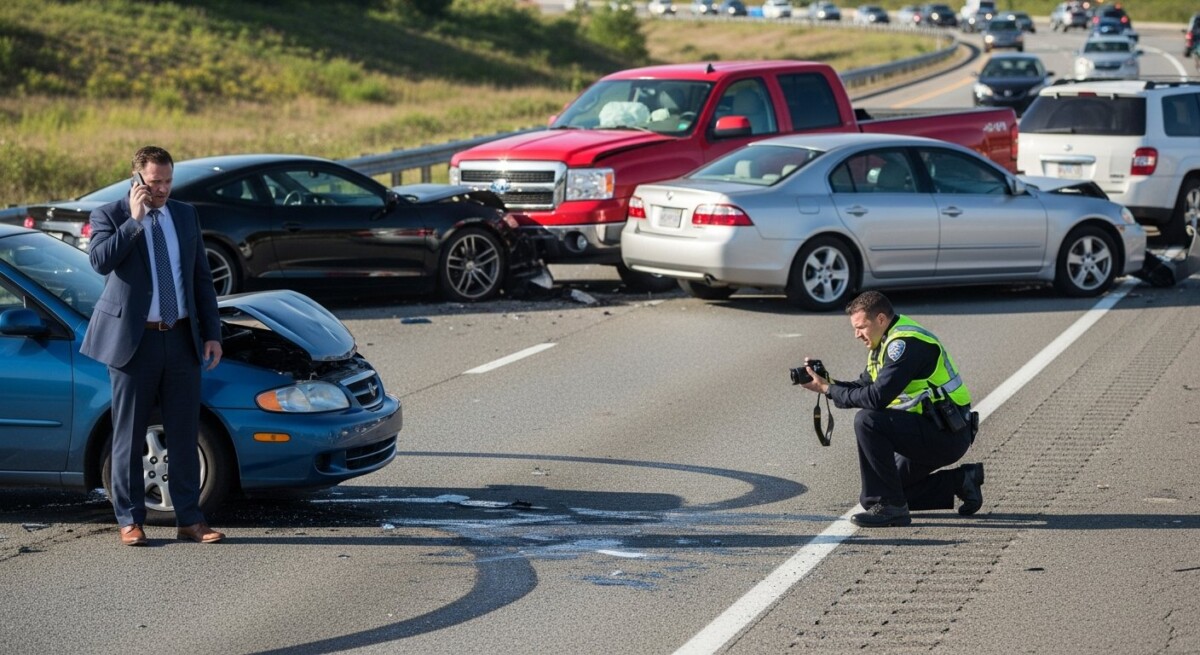
Imagine you are stopped at a red light, and within seconds, your car is struck from behind, pushed into the vehicle ahead, and then hit again from the side. Multi-vehicle accidents, often called pileups or chain-reaction collisions, are chaotic, frightening, and legally complex. Unlike a simple two-car fender bender, these incidents involve multiple drivers, multiple insurance policies, and a tangled web of fault. If you find yourself in this situation, the immediate aftermath can feel overwhelming, but understanding the legal and insurance landscape is crucial for protecting your rights and securing fair compensation.
The core challenge in any multi-vehicle accident is determining liability. In a two-car crash, fault is often clear-cut, but with three, four, or more vehicles, the story becomes complicated. Each driver may point fingers at another, and insurance companies will fight to minimize their payouts. The legal principle of comparative negligence or contributory negligence, depending on your state, will play a significant role in how much you can recover. For example, if you were rear-ended, you might assume the other driver is 100% at fault, but if you were following too closely, you could share some blame. This is why having a clear, evidence-based approach is essential from the moment the accident occurs.
The purpose of this article is to guide you through the maze of a multi-vehicle accident claim. We will break down the immediate steps you need to take, explain how fault is determined, and discuss the insurance and legal challenges you will likely face. We will also show you how to handle the complexities of multiple claims and why having a skilled legal advocate can make the difference between a fair settlement and a frustrating battle. Whether you are a driver, a passenger, or a family member of someone involved, this guide will equip you with the knowledge you need to navigate this stressful process with confidence.
Immediate Steps to Take After a Multi-Vehicle Accident
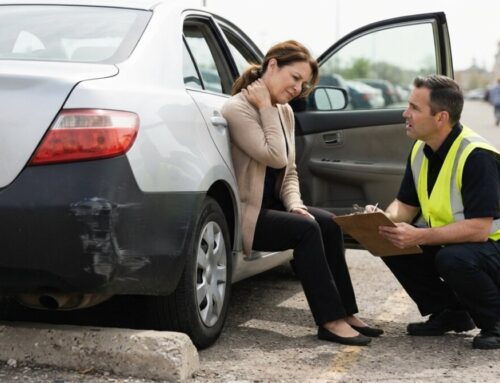
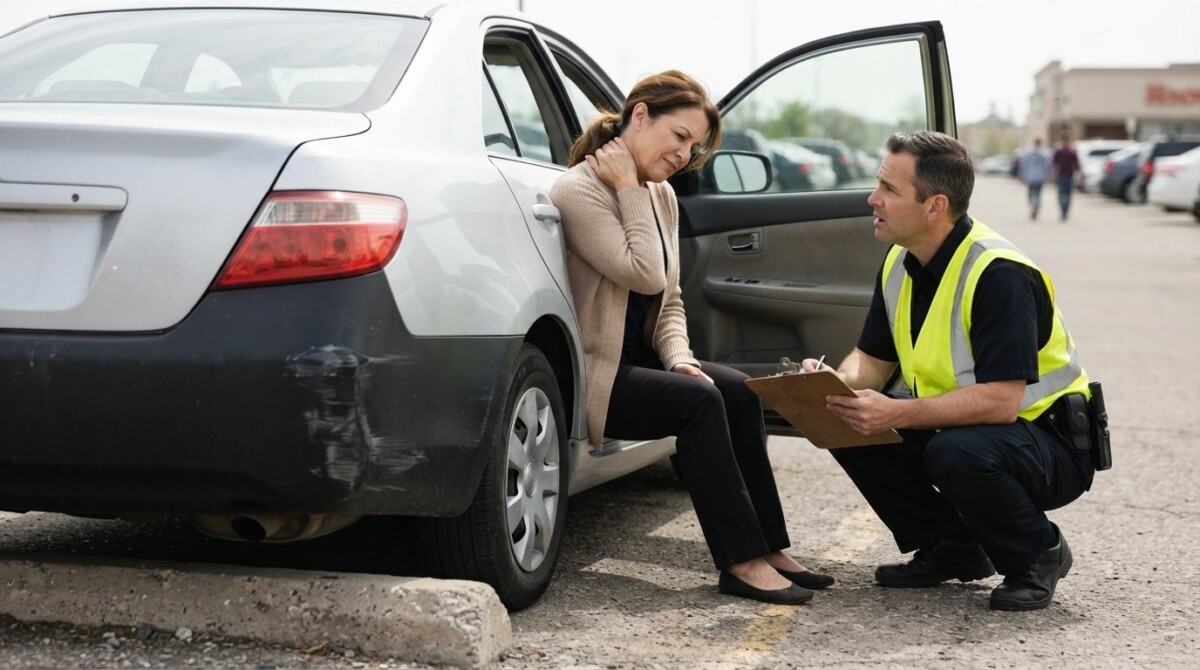
The moments after a multi-vehicle accident are critical, not just for your safety but for the viability of your claim. Your actions can significantly affect the investigation and your ability to prove fault later. The first priority is always safety. If possible, move your vehicle to the shoulder or a safe area, turn on your hazard lights, and check yourself and your passengers for injuries. Call 911 immediately, even if the accident seems minor. Police and emergency medical services are essential for documenting the scene and treating injuries. Do not leave the scene, as this can lead to serious legal penalties, including hit-and-run charges.
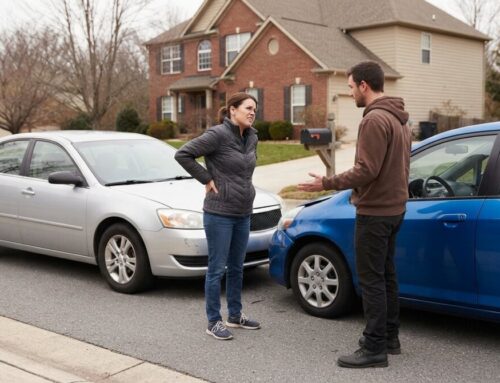
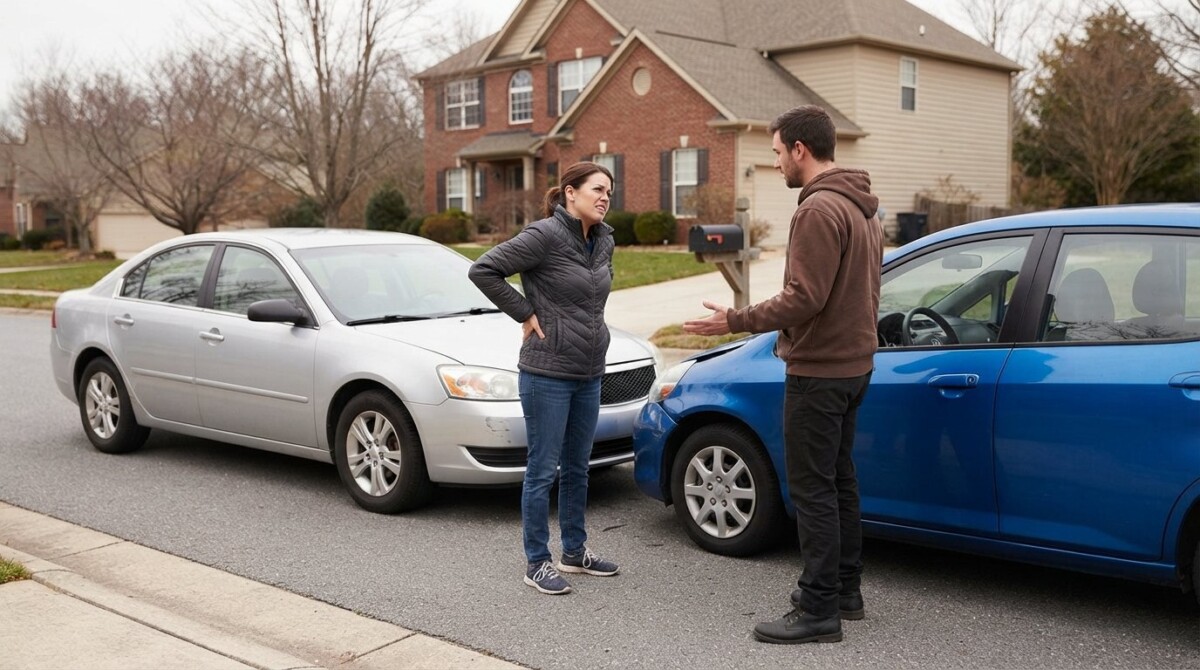
Once the police arrive, provide a factual account of what happened, but avoid admitting fault or speculating about the cause. Stick to the facts: where you were, your speed, and what you observed. The police report will become a cornerstone of your insurance claim and potential lawsuit. It is also vital to exchange information with all other drivers involved, including names, phone numbers, driver’s license numbers, license plate numbers, insurance company names, and policy numbers. Additionally, gather contact information from any witnesses, as their statements can be invaluable in reconstructing the accident sequence.
Documentation is your best friend in a multi-vehicle accident. Use your smartphone to take photos and videos of the entire scene, including all vehicles, their positions, damage to each vehicle, skid marks, road conditions, traffic signs, and any debris. These visual records can help accident reconstruction experts piece together how the collision occurred. Also, write down your own detailed recollection of the event as soon as possible, while your memory is fresh. Note the weather, time of day, and any distractions you noticed. This personal account can be used by your attorney to cross-reference with other evidence.
After you have addressed the immediate emergency, seek medical attention even if you feel fine. Some injuries, such as whiplash, concussions, or internal bleeding, may not present symptoms for hours or even days. A medical evaluation creates a record that links your injuries to the accident, which is crucial for your claim. If you delay treatment, the insurance company may argue that your injuries were pre-existing or not severe. Remember, your health is the most important asset, and a thorough medical examination protects both your well-being and your legal case.
Determining Fault in a Chain-Reaction Collision
Fault in a multi-vehicle accident is rarely a simple matter. The principle of negligence is the foundation: a driver is liable if they failed to act with reasonable care, and that failure caused the accident. However, in a pileup, there may be multiple negligent acts that contribute to the crash. For example, Driver A may have been speeding, Driver B may have been distracted, and Driver C may have been following too closely. The challenge lies in apportioning fault among these drivers. Insurance adjusters and, if necessary, courts will examine the evidence to determine the percentage of fault each driver bears. This is where the concept of comparative negligence comes into play.
In states that follow a pure comparative negligence rule, you can recover damages even if you are 99% at fault, but your award is reduced by your percentage of fault. For instance, if your damages are $100,000 and you are found 20% at fault, you would receive $80,000. In modified comparative negligence states, you can only recover if your fault is below a certain threshold, typically 50% or 51%. If you are found to be 50% or more at fault, you recover nothing. In contrast, a few states, like Alabama and Maryland, follow contributory negligence, which bars recovery entirely if you are even 1% at fault. This makes understanding your state’s laws critical, as a small percentage of fault can have a massive impact on your recovery.
In a chain-reaction accident, the court or insurance company will look at the sequence of impacts to assign fault. The driver who initiates the chain is often considered the primary cause, but not always. For example, if a driver rear-ends a car, which then hits the car in front, the initial rear-ender is typically liable for the entire chain. However, if the middle car was stopped too close to the car ahead, it might share some blame for the secondary collision. In our guide on what happens if an accident claim involves multiple parties, we explain how these complex liability determinations can be handled.
To establish fault, investigators will analyze several key pieces of evidence:
- Police reports: These often include the officer’s opinion on fault and witness statements.
- Vehicle damage patterns: The location and severity of damage can indicate the direction and force of impact, helping to reconstruct the sequence.
- Black box data: Many modern vehicles record speed, braking, and steering inputs in the moments before a crash, providing objective data.
- Traffic camera and dashcam footage: Video evidence can conclusively show how the accident unfolded.
- Witness testimonies: Independent witnesses can provide unbiased accounts of the events.
Gathering this evidence is a complex process that often requires the expertise of accident reconstruction specialists. These professionals use physics and engineering principles to analyze the crash dynamics. They can determine the speed of each vehicle, the point of impact, and whether drivers had time to react. This analysis is often presented in court to support your version of events. Given the complexity, it is highly recommended to have an attorney who can coordinate these experts and build a compelling case on your behalf.
Dealing with Multiple Insurance Claims and Parties
One of the most daunting aspects of a multi-vehicle accident is managing the influx of insurance claims. You will likely have to file a claim with your own insurance company, as well as with the insurance companies of every other driver involved. Each claim is separate, and you may receive different settlement offers from different companies. This can be overwhelming, but it is essential to approach each claim strategically. Remember that insurance adjusters are trained to minimize payouts, and they may try to shift blame onto you or downplay your injuries. It is crucial not to accept any settlement offer without consulting an attorney, especially in a multi-vehicle case where the full extent of your damages may not yet be known.
Your own insurance policy may also come into play, depending on the type of coverage you have. If you have collision coverage, it may pay for your vehicle repairs regardless of fault, but your insurer will likely seek reimbursement from the at-fault parties’ insurers through a process called subrogation. Additionally, if you have uninsured/underinsured motorist (UM/UIM) coverage, it can protect you if an at-fault driver lacks sufficient insurance. In a multi-vehicle accident, there may be multiple at-fault drivers, each with their own policy limits. Understanding how these policies stack and coordinate is a complex task that requires professional guidance.
The claims process involves a significant amount of paperwork, deadlines, and negotiations. You will need to provide medical records, repair estimates, lost wage documentation, and a detailed account of how the accident has impacted your life. Missing a deadline or providing inconsistent information can weaken your claim. Moreover, the at-fault drivers’ insurance companies may attempt to settle quickly with a lowball offer, hoping you will accept it out of desperation. This is why it is critical to have a legal professional who can handle the communication, evaluate the true value of your claim, and negotiate effectively on your behalf. For more insights into the complexities of multi-party claims, you can review our analysis on handling multi-party accident claims.
Another layer of complexity arises when the accident involves commercial vehicles, such as trucks or ride-sharing cars. These cases involve commercial insurance policies with higher limits and more complex regulations. Additionally, there may be multiple layers of liability, including the driver, the trucking company, and possibly the vehicle manufacturer if a mechanical defect contributed to the crash. In such scenarios, the stakes are higher, and the insurance companies are more aggressive in defending their interests. An experienced attorney can help you navigate these corporate legal battles and ensure that you are not shortchanged.
The Legal Process and Why You Need an Attorney
While it is possible to file a claim on your own, the legal process for a multi-vehicle accident is fraught with pitfalls. The burden of proof is on you to demonstrate that another driver was negligent and that their negligence caused your injuries and damages. In a multi-vehicle case, you must also prove the percentage of fault each driver bears, which can be a highly contested issue. Insurance companies may hire their own experts to challenge your version of events, and they may use any mistake you make to reduce your claim. An attorney levels the playing field by having the resources and expertise to conduct a thorough investigation, hire independent experts, and build a compelling case.
Your attorney will handle all communication with the insurance companies, protecting you from making statements that could be used against you. They will also ensure that all deadlines, such as the statute of limitations, are met. The statute of limitations is the time limit you have to file a lawsuit, which varies by state. Missing this deadline can bar your claim entirely. Your attorney will also help you calculate the full value of your damages, which includes not just medical bills and car repairs, but also lost wages, loss of earning capacity, pain and suffering, and emotional distress. In a multi-vehicle accident, these damages can be substantial, and an experienced attorney will fight to ensure you receive the maximum compensation.
Moreover, if the insurance companies refuse to offer a fair settlement, your attorney can file a lawsuit and take your case to trial. While most cases settle out of court, having a trial-ready attorney sends a strong signal to the insurance companies that you are prepared to fight. In court, your attorney will present the evidence, call witnesses, and argue your case before a judge or jury. This is a complex process that requires a deep understanding of legal procedure and evidence rules. Without proper representation, you are at a significant disadvantage.
Given the complexity of multi-vehicle accidents, it is wise to seek legal counsel early in the process. Many attorneys offer a free initial consultation, during which they can evaluate your case and advise you on the best course of action. They can also explain the potential value of your claim and the likely outcomes. If you are unsure whether you need an attorney, consider this: if your injuries are severe, if there are multiple at-fault parties, or if the insurance company is being difficult, you should almost certainly consult with a lawyer. The cost of an attorney is typically a contingency fee, meaning they only get paid if you win, which makes legal representation accessible to everyone.
Frequently Asked Questions
What if I am partially at fault for the multi-vehicle accident?
You can still recover compensation, but your award will be reduced by your percentage of fault. The specific rules depend on your state’s comparative negligence or contributory negligence laws. A personal injury attorney can help you understand how these laws apply to your case and work to minimize your fault percentage.
How long do I have to file a claim after a multi-vehicle accident?
The statute of limitations varies by state, typically ranging from one to three years from the date of the accident. It is crucial to act quickly because evidence can be lost, and witnesses may become unavailable. Consulting an attorney as soon as possible is the best way to ensure you do not miss the deadline.
Can I claim against multiple insurance policies?
Yes, you can file claims against the insurance policies of all at-fault drivers. Your own insurance may also provide coverage through collision, UM/UIM, or medical payments coverage. An attorney can help you identify all potential sources of compensation and coordinate your claims.
What if the at-fault driver is uninsured?
If you have uninsured motorist coverage, it can help pay for your damages. If not, you may need to pursue legal action directly against the driver. However, if the driver lacks insurance, they may also lack assets to pay a judgment, so recovering compensation can be challenging. Your attorney can explore all options, including seeking compensation from other liable parties.
Your Path to Recovery
Being involved in a multi-vehicle accident is a life-altering event that can leave you with physical, emotional, and financial scars. The legal and insurance battles that follow can be just as taxing as the accident itself. However, you do not have to face this alone. By taking the right steps immediately after the crash, understanding the complex rules of liability, and securing experienced legal representation, you can protect your rights and maximize your recovery. Remember, the insurance companies are looking out for their bottom line, not your well-being. You need a dedicated advocate who will fight for you.
If you or a loved one has been involved in a multi-vehicle accident, do not wait to seek help. The sooner you engage a qualified attorney, the sooner you can start the process of rebuilding your life. An attorney can help you navigate the complexities of dealing with multiple insurance companies, gathering crucial evidence, and building a strong case. They can also provide peace of mind, knowing that a professional is handling the legal details while you focus on your recovery. For more information on how to handle the aftermath of a specific type of accident, such as one involving a bicycle, you can read our article on what happens if an accident involves a bicycle.
At AttorneyLawsuit.com, we are dedicated to providing you with the knowledge and resources you need to make informed decisions about your legal matters. While we do not provide legal advice, we help you understand your rights and connect you with professionals who can assist. If you are ready to take the next step, consider reaching out to a qualified personal injury attorney who specializes in multi-vehicle accidents. They can offer a free consultation and help you understand your legal options. Your journey to recovery starts with a single step, and that step is getting the right legal support. Do not let the complexity of a multi-vehicle accident overwhelm you. With the right help, you can navigate this challenging time and move forward with confidence.