Incorrect Accident Report: Legal Fallout & Fixes
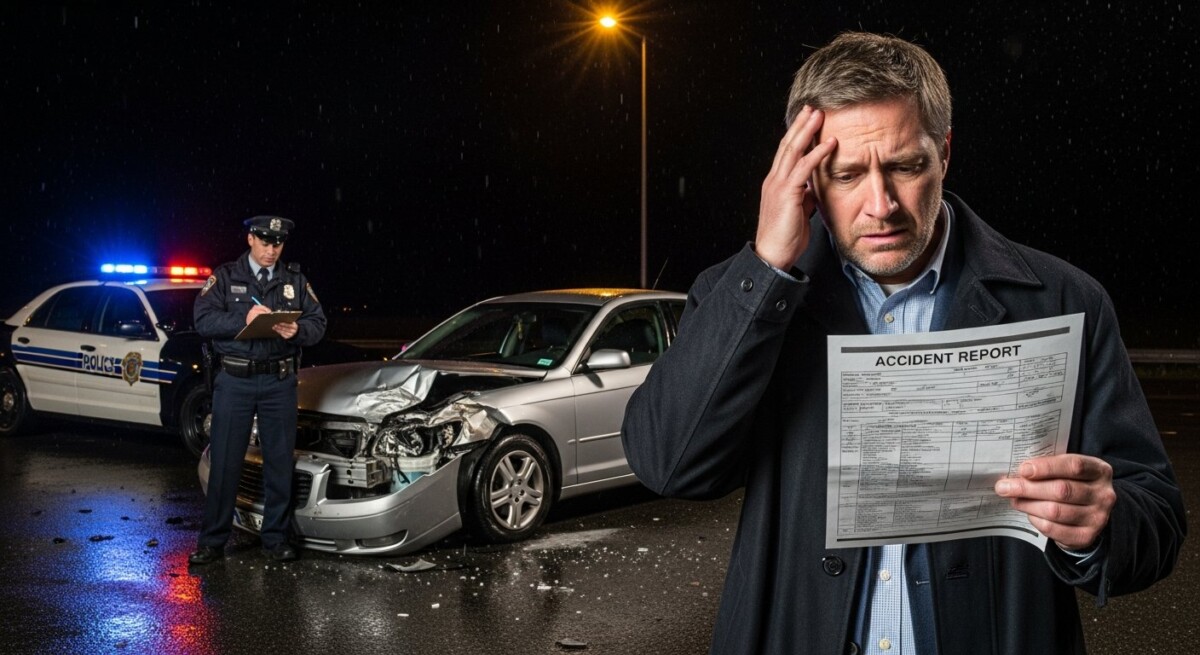
You survive a car crash, exchange information, and wait for the police report. When it arrives, you spot a mistake: the wrong driver named at fault, your speed misstated, or the accident location listed incorrectly. That small error can derail your insurance claim or legal case. Understanding what happens if an accident report is incorrect is the first step to protecting your rights and your financial recovery.
Why Police Reports Matter in Accident Claims
A police accident report serves as an official record of the collision. Insurance adjusters, lawyers, and judges rely on it to determine fault and assess damages. The report typically includes the date, time, location, involved parties, witness statements, and the officer’s narrative of how the crash occurred. While the report is not conclusive evidence in court, it carries significant weight during settlement negotiations.
When the report contains errors, it can misrepresent who caused the accident, inflate or understate your injuries, or incorrectly note contributing factors like weather or road conditions. These inaccuracies can lead to denied claims, reduced settlements, or even counterclaims against you. In our guide on incorrect accident report what happens next, we explain the immediate steps to take after discovering a mistake.
Common Types of Errors in Accident Reports
Mistakes in police reports fall into several categories. Recognizing them helps you decide how to respond.
- Factual errors: Wrong names, license plate numbers, insurance details, or vehicle descriptions.
- Diagram mistakes: Incorrect placement of vehicles, traffic signals, or skid marks on the scene diagram.
- Narrative inaccuracies: The officer’s written account contradicts witness statements or physical evidence.
- Omitted information: Missing witness contact details, failure to note weather conditions, or overlooked traffic citations.
- Fault determination: The officer assigns blame to the wrong party based on incomplete or incorrect observations.
Each type of error requires a different correction strategy. Factual errors are often simple to fix. Narrative inaccuracies may require supporting evidence like photos or independent witness statements. When the report incorrectly assigns fault, the stakes are higher because insurance companies often default to the officer’s conclusion.
How Errors Affect Insurance Claims
Insurance adjusters use the police report as a primary tool for liability assessment. If the report says you caused the accident, the other driver’s insurer may deny your claim or offer a low settlement. Your own insurance company might raise your premiums or refuse to cover your damages under collision coverage.
Consider a real scenario: A driver is stopped at a red light and rear-ended. The police report mistakenly notes that the driver was making a left turn. The insurance company uses that error to argue comparative negligence, reducing the payout by 20 or 30 percent. The driver now faces thousands of dollars in out-of-pocket costs because of a simple mistake on a form.
In another case, the report might omit mention of a contributing factor like a broken traffic light or obscured signage. Without that detail, the government entity responsible for road maintenance escapes liability. The crash victim cannot recover from the correct party. For more on protecting your claim, read our article on incorrect accident report what happens next.
Legal Consequences of an Inaccurate Report
Impact on Liability and Fault
In personal injury lawsuits, the police report is often entered into evidence. A jury may give it significant weight because it comes from a neutral law enforcement officer. If the report contains errors that favor the other side, your attorney must spend time and resources challenging those inaccuracies. This can delay your case and increase legal costs.
Errors that shift fault to you can expose you to liability for the other party’s damages. For example, if the report says you ran a red light when you actually had a green, the other driver may sue you for medical expenses and lost wages. Defending against such a claim becomes much harder when the official record contradicts your version of events.
Criminal Implications
Some accident reports include citations for traffic violations. An incorrect citation can lead to fines, points on your license, or even criminal charges if the violation is serious enough. Inaccurate information about alcohol or drug involvement can trigger DUI investigations. Correcting these errors quickly is essential to avoid wrongful prosecution or license suspension.
How to Correct an Incorrect Accident Report
You have options to fix errors in a police report. The process varies by jurisdiction, but these steps generally apply.
- Obtain a copy of the report: Request it from the responding police department or through their online portal. Review every section carefully.
- Identify the specific error: Highlight the mistake and gather evidence that proves the correct information. Photos, dashcam footage, witness statements, and GPS data all help.
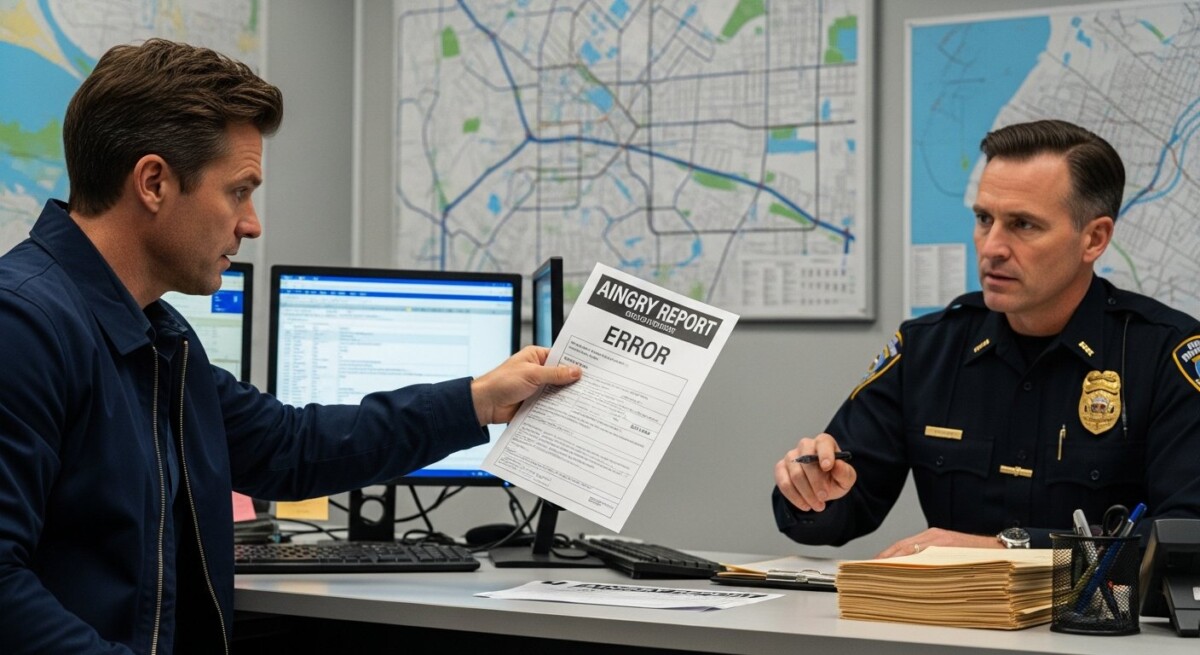
- Contact the officer or department: Call the officer who wrote the report or their supervisor. Explain the error and provide your supporting evidence. Many departments allow you to submit a written request for correction.
- File a formal amendment request: If the officer refuses to correct the report, file a formal request with the police department’s records division. Some agencies have specific forms for this purpose.
- Submit a supplemental statement: If the report cannot be changed, you may file your own written statement that gets attached to the original report. Insurance companies and courts will see both versions.
Time is critical. Most police departments have deadlines for requesting corrections, often ranging from 30 to 90 days after the report is filed. Missing that window can make correction much harder. For a detailed walkthrough, see our resource on incorrect accident report what happens next.
When to Hire a Lawyer for Report Errors
Not every mistake warrants legal representation. Simple typographical errors like a misspelled name or wrong zip code rarely cause problems. However, you should consult an attorney if:
- The report incorrectly assigns fault to you.
- The error involves a serious injury or significant property damage.
- The insurance company has already denied your claim based on the report.
- The officer refuses to correct a material error.
- The mistake could lead to criminal charges or license suspension.
A skilled lawyer can contact the police department on your behalf, gather expert testimony to contradict the report, and negotiate with insurance companies to ensure the error does not harm your case. In litigation, your attorney can depose the officer to expose flaws in the report and prevent it from being used against you.
Legal representation is especially important when the error involves a dispute over liability. Without an attorney, you may struggle to overcome the presumption that the police report is accurate. Our article on incorrect accident report what happens next offers additional guidance on when to seek legal help.
Preventing Errors Before They Happen
While you cannot control what the officer writes, you can take steps to reduce the chance of errors. At the accident scene, remain calm and cooperate with law enforcement. Provide accurate information and point out any visible evidence. If you have a dashcam, tell the officer you have footage. Ask witnesses to stay and speak with police.
After the officer finishes the report, ask for a copy before leaving the scene if possible. Review it on the spot and politely point out any obvious mistakes. Many officers will correct simple errors immediately if you catch them early. If you cannot get a copy at the scene, request one as soon as you get home and check it promptly.
Document everything yourself. Take photos of the vehicles, the surrounding area, traffic signals, and road conditions. Write down witness contact information. Keep a journal of your injuries and how they affect your daily life. Your own records can serve as powerful evidence if the police report contains errors.
Frequently Asked Questions
Can I sue the police for an incorrect accident report?
Generally, police officers have qualified immunity for discretionary actions like writing accident reports. Suing the officer or department is difficult and rarely successful. The better approach is to correct the report or file a supplemental statement.
Will an incorrect report automatically ruin my claim?
Not necessarily. Insurance companies consider multiple factors, not just the police report. Witness statements, photos, and expert analysis can overcome a flawed report. However, the error creates an extra hurdle that you must address.
How long do I have to correct a police report?
Deadlines vary by jurisdiction, but most police departments accept correction requests within 30 to 90 days. Check with the specific department that filed the report. Acting quickly is essential.
Can I get a lawyer to fix the report without going to court?
Yes. Many attorneys will contact the police department on your behalf to request a correction. This often resolves the issue without litigation. If the department refuses, your lawyer can still use other evidence to challenge the report in settlement negotiations or at trial.
What if the other driver caused the error in the report?
If the other driver provided false information to the officer, that may constitute insurance fraud. Report the discrepancy to the police department and your insurance company. Your attorney can also investigate and hold the other driver accountable.
An incorrect accident report can create serious complications for your claim, your finances, and your legal rights. By identifying the error quickly, gathering supporting evidence, and pursuing a correction through the proper channels, you can minimize the damage. When the mistake involves fault, injuries, or significant damages, professional legal help can make the difference between a fair settlement and a costly loss.