Incorrect Accident Report Consequences Explained
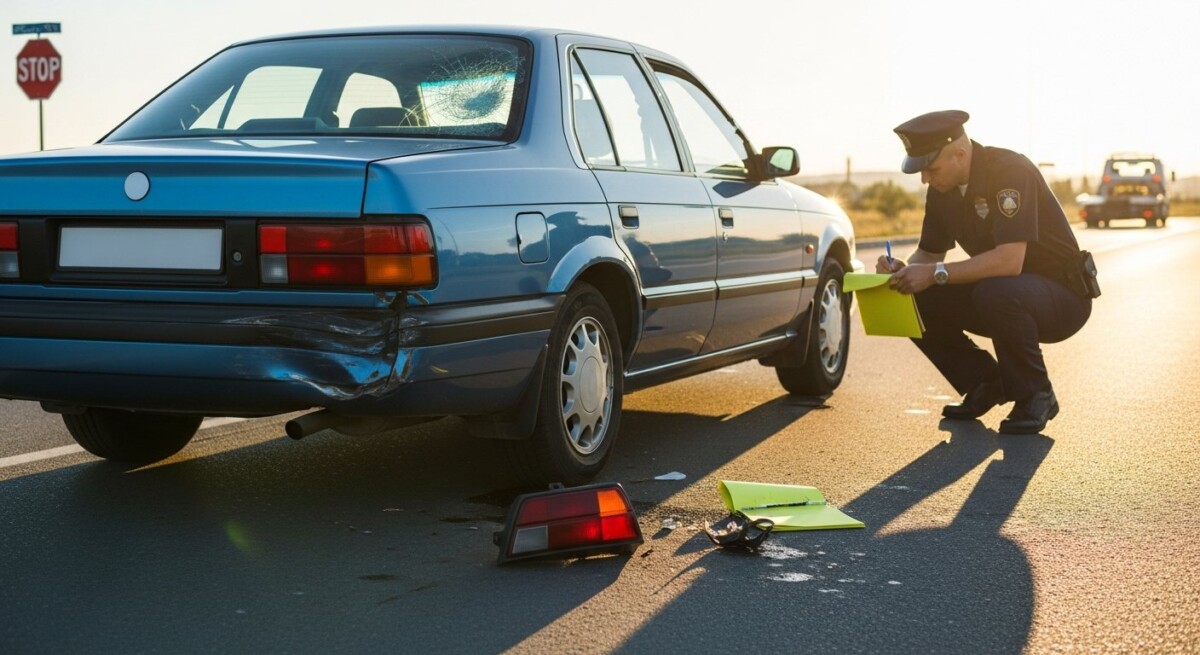
An accident report is a foundational document after any car crash, truck collision, or pedestrian incident. It is the official record that insurance adjusters, attorneys, and sometimes judges rely on to determine fault, assess damages, and process claims. But what happens if an accident report is incorrect? The answer can be serious: your claim may be undervalued, denied, or delayed. Even a small factual mistake, such as an incorrect date or a misstated lane position, can shift liability away from the at-fault driver and onto you. Understanding the ripple effects of an inaccurate report is the first step toward protecting your rights and your recovery.
How an Incorrect Accident Report Affects Your Insurance Claim
Insurance companies base their initial decisions almost entirely on the police report. When adjusters see an error that suggests you were partially at fault, they may reduce your settlement offer or deny coverage altogether. For example, if the report says you were speeding when you were not, the insurer may argue that you contributed to the crash. This can reduce your recovery under comparative negligence rules in many states.
Beyond fault allocation, an incorrect report can also misrepresent the severity of vehicle damage or the existence of injuries. If the responding officer failed to note visible damage to your car or did not record your complaint of neck pain, the insurance adjuster may treat your injury claim with skepticism. In our detailed guide on accident report errors and their consequences, we explain how even minor discrepancies can lead to major delays in claim processing.
To make matters worse, many insurance policies require you to report an accident promptly. If the police report contains incorrect contact information or an inaccurate location, the insurer may argue that you failed to provide a timely and accurate notice. This can give them a technical basis to deny your claim entirely. The best course of action is to request a copy of the report as soon as it is available and review it line by line.
Legal Implications of a Faulty Police Report
In litigation, a police report is often admitted as evidence, though it is not conclusive. However, jurors tend to give significant weight to an official document prepared by a trained officer. If the report contains errors, the opposing attorney will use those mistakes to attack your credibility or to argue that the officer’s conclusions are unreliable. For instance, if the report states that you were driving too fast for conditions but the weather was clear and dry, your attorney may need to bring in expert testimony to correct the record.
An incorrect accident report can also affect traffic citations. If the officer wrote down the wrong vehicle description or misidentified the driver, you might receive a citation that belongs to someone else. Fighting such a citation can take time and money, and if you fail to contest it, the citation becomes part of your driving record. That can increase your insurance premiums for years. Understanding what happens if an accident report is incorrect is critical for anyone facing a disputed traffic violation.
Moreover, if the case goes to trial, the inaccurate report can be used to impeach your testimony. If you say the light was green but the report says red, the jury may believe the document over your memory. Your attorney will need to depose the officer, review dashcam footage, or locate witnesses to contradict the report. This adds time, expense, and uncertainty to your case.
Steps to Take When You Discover a Mistake
If you realize that your accident report contains errors, do not panic. You have several options to correct the record. The most important step is to act quickly, because reports become harder to amend as time passes. Here are the key steps you should follow:
- Obtain the official report: Request a copy from the responding agency, usually the local police department or highway patrol. Review every field, including date, time, location, vehicle descriptions, driver information, witness statements, and the officer’s narrative.
- Document the error: Write down exactly what is wrong and gather supporting evidence. This might include photos of the scene, repair estimates, GPS data, or statements from independent witnesses.
- Contact the officer or agency: Call the police department and ask to speak with the officer who filed the report. Explain the mistake politely and provide your evidence. Many officers will file a supplemental report or amendment if the error is factual and verifiable.
- File a formal request for amendment: If the officer refuses or is unresponsive, you may need to file a written request with the agency’s records division. Some jurisdictions have a formal process for correcting police reports, including a hearing before a supervisor.
- Notify your attorney: If you have already hired legal counsel, inform them immediately. They can contact the police department on your behalf and ensure the correction is made before the report is used against you.
After you have initiated the correction process, keep copies of all correspondence and any new supplemental reports. Even if the original report is never removed from the file, a properly documented amendment can be presented to the insurance adjuster or the court to show that the initial version contained errors. This can neutralize the damage caused by the mistake.
When an Error Works in Your Favor
Not all errors in an accident report are harmful to you. Sometimes the officer makes a mistake that benefits your case, such as overstating the other driver’s speed or incorrectly noting that the other driver ran a red light. In such situations, you may be tempted to stay silent. However, relying on an inaccurate report that helps you can backfire. If the other party discovers the error during discovery, they can use it to question the entire report’s reliability and your good faith.
It is always better to have an accurate report, even if it weakens your position initially. An honest record builds credibility with insurers and courts. If you choose not to correct a favorable error, you risk having the entire report thrown out as unreliable. In our article on what happens next with an incorrect accident report, we discuss how courts treat unamended errors and why transparency is usually the best strategy.
Additionally, an error that helps you may later be contradicted by physical evidence or witness testimony. If the jury learns that the officer made a mistake, they may discount the entire report, including parts that accurately describe the crash. This can create confusion and weaken your case overall. The safest approach is to request a correction for any factual inaccuracy, regardless of which side it benefits.
Long-Term Consequences of an Uncorrected Error
If an error in an accident report is never corrected, the consequences can linger for years. Insurance companies maintain databases of claims and police reports. An incorrect finding of fault can follow you to your next policy renewal, causing your premiums to rise significantly. Some insurers even use proprietary scoring models that factor in police report data. A single mistake can label you as a high-risk driver even if you were not at fault.
In more serious cases, such as accidents involving injuries or fatalities, an uncorrected error can have legal ramifications beyond insurance. If the report incorrectly states that you were intoxicated or that you fled the scene, you could face criminal charges or civil lawsuits based on that false information. Proving your innocence later becomes much harder when the official record contradicts your version of events. That is why addressing errors promptly is not just about your current claim; it is about protecting your future.
Another long-term concern is the impact on your driving record. Many states automatically upload police reports into a statewide database. If the report contains an error that leads to a citation, that citation becomes part of your permanent driving history. You may need to hire an attorney to expunge it, which costs time and money. Understanding key consequences of an incorrect accident report helps you appreciate why early intervention is essential.
Frequently Asked Questions
Can I dispute an incorrect accident report without a lawyer?
Yes, you can contact the police department directly and request an amendment. However, having an attorney often makes the process smoother, especially if the error is disputed or if the officer is uncooperative. Legal representation can also help if the error has already affected your insurance claim or legal case.
How long do I have to correct an accident report?
There is no universal deadline, but you should act as soon as you discover the error. Many police departments have internal policies that allow amendments within a few weeks or months. After that, the report may be considered final, though supplemental reports can still be added. Delaying can make it harder to gather evidence and convince the officer to make a change.
Will correcting the report guarantee my insurance claim is approved?
No, but it removes a significant obstacle. An accurate report helps your adjuster evaluate the claim fairly. If the error was the main reason for a denial, correction can reopen the claim. However, other factors such as policy limits, coverage exclusions, or comparative negligence laws may still affect the outcome.
What if the officer refuses to correct the report?
If the officer refuses, you can escalate the matter to a supervisor or file a formal complaint with the agency. You can also provide your own evidence to the insurance company or court, such as photographs, witness affidavits, or expert analysis. An attorney can help you present this evidence effectively and, if necessary, file a motion to strike the incorrect portions of the report from the record.
Protecting Your Rights After an Inaccurate Report
An incorrect accident report is not the end of your claim, but it does require prompt and strategic action. By reviewing the report early, gathering supporting evidence, and requesting corrections through the proper channels, you can minimize the damage and keep your case on track. Whether you are dealing with a minor fender bender or a serious collision, the accuracy of the official record matters. Take the time to verify every detail, and do not hesitate to seek professional help if the error threatens your recovery. Your future financial and legal well-being may depend on it.