Incorrect Accident Report Consequences Explained
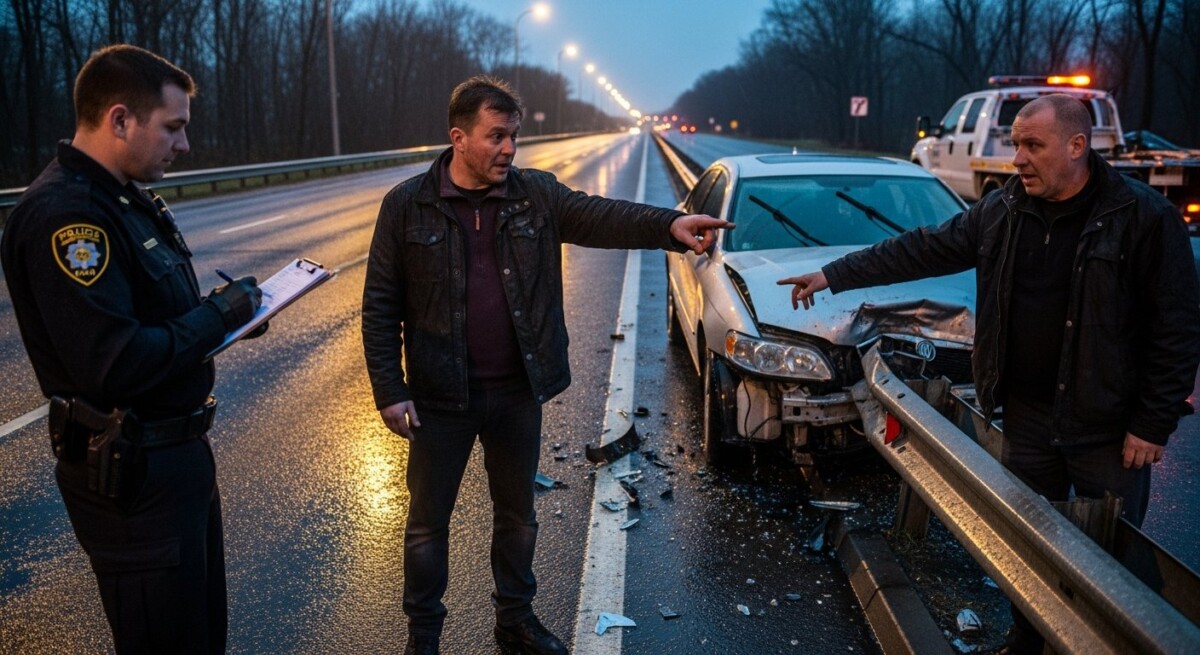
A car accident can be a chaotic and stressful event. In the moments after a collision, you are likely shaken, dealing with injuries, and trying to exchange information with other drivers. The police officer who arrives on the scene has a difficult job: they must interview witnesses, assess the scene, and compile an official accident report. This report becomes the foundational document for insurance claims and any potential legal action. But what happens if that accident report is incorrect? The answer can be costly and complicated, affecting everything from your insurance premium to your ability to recover damages. Understanding the stakes and knowing how to correct errors is critical for protecting your rights.
An accident report is not just a piece of paper. It is an official record that insurers, attorneys, and sometimes judges rely on to determine fault. A single mistake, such as a misstated direction of travel or an incorrect description of vehicle damage, can shift liability. If you are wrongly listed as the at-fault driver, your insurance rates could spike, or you could face a lawsuit. Conversely, if the report downplays the other driver’s negligence, you might struggle to get fair compensation for your injuries. This article walks through the real-world consequences of an inaccurate report, the steps you can take to fix it, and why prompt action is essential.
How Errors Creep Into Accident Reports
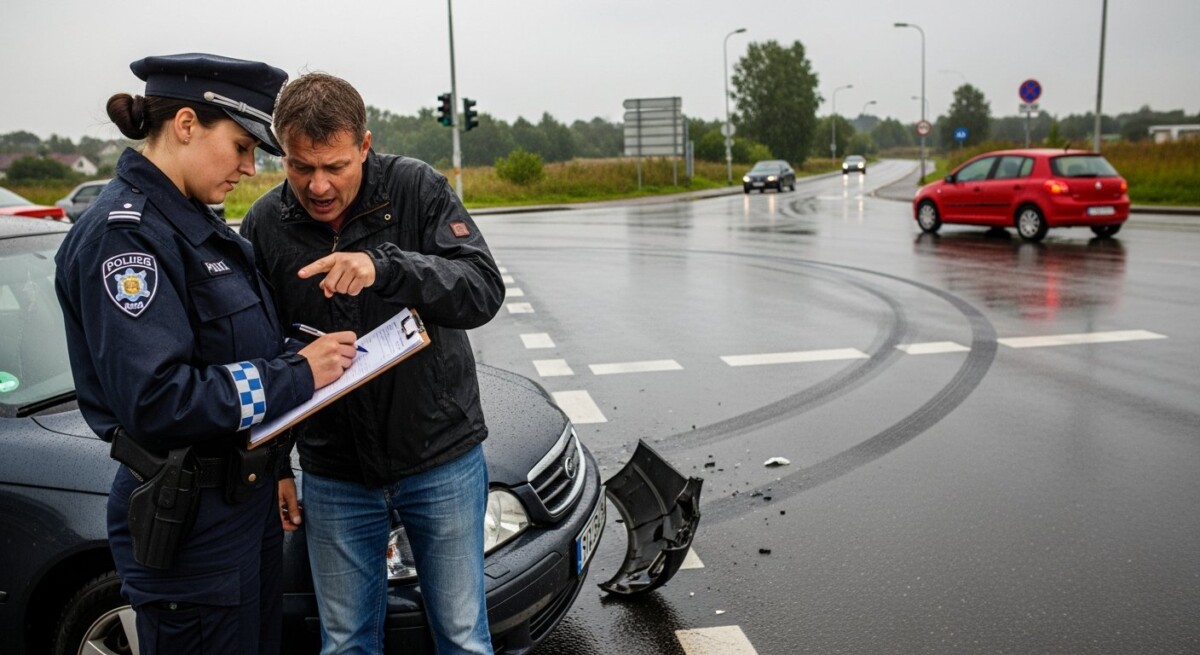
Police officers are human, and human error is inevitable. Officers arrive at a chaotic scene where they must quickly gather facts from multiple parties who may be upset or injured. They rely on witness statements, which can be conflicting or inaccurate. Physical evidence like skid marks and vehicle positions can be misinterpreted, especially in poor weather or low light. All of these factors create opportunities for mistakes.
Common errors include misspelled names, incorrect license plate numbers, wrong insurance policy details, and inaccurate diagrams of the crash. More damaging errors involve misjudging who had the right of way, failing to note a traffic violation, or omitting a key witness’s statement. In some cases, an officer may simply make a typo in the date or time of the accident. While a small typo might seem harmless, it can create a chain of problems when the report is used to process your claim.
Immediate Consequences of an Incorrect Report
When an insurance adjuster receives a police report with errors, they often accept it as fact. The adjuster will use the report to determine liability and calculate a settlement offer. If the report incorrectly states that you were speeding or failed to yield, the insurer may deny your claim or offer a low settlement. This can leave you covering medical bills and repair costs out of pocket.
An incorrect report can also delay your claim. Insurance companies frequently put claims on hold while they investigate discrepancies. If the report contains conflicting information, the adjuster may request additional documentation, which can take weeks. Meanwhile, your vehicle sits in a repair shop, and your medical expenses pile up. The financial strain can be significant, especially if you are unable to work due to injuries.
In some cases, an error can lead to a denial of coverage altogether. For example, if the report says you were driving without a valid license or under the influence, your insurer may refuse to pay any damages. These accusations can also result in traffic citations or even criminal charges, which carry their own legal consequences.
How an Incorrect Report Affects Legal Proceedings
If your accident leads to a lawsuit, the police report is often introduced as evidence. Attorneys and judges give it significant weight because it is considered an impartial record created by a trained officer. However, an incorrect report can be used against you. The opposing attorney will point to the errors to argue that you are an unreliable witness or that the accident happened differently than you claim.
For instance, imagine the report states that you were driving 10 miles over the speed limit, but your vehicle’s data recorder shows you were under the limit. The other driver’s lawyer will still use the report to portray you as negligent. You would then need to spend time and money to disprove the official record. This can weaken your negotiating position and reduce the value of your settlement or verdict.
On the flip side, if the report contains errors that favor the other driver, you may need to sue them to recover your losses. In that scenario, you would have to present your own evidence, such as photographs, witness affidavits, or expert testimony, to contradict the report. This adds complexity and cost to your case, and there is no guarantee a judge or jury will believe your version of events.
Steps to Correct an Incorrect Accident Report
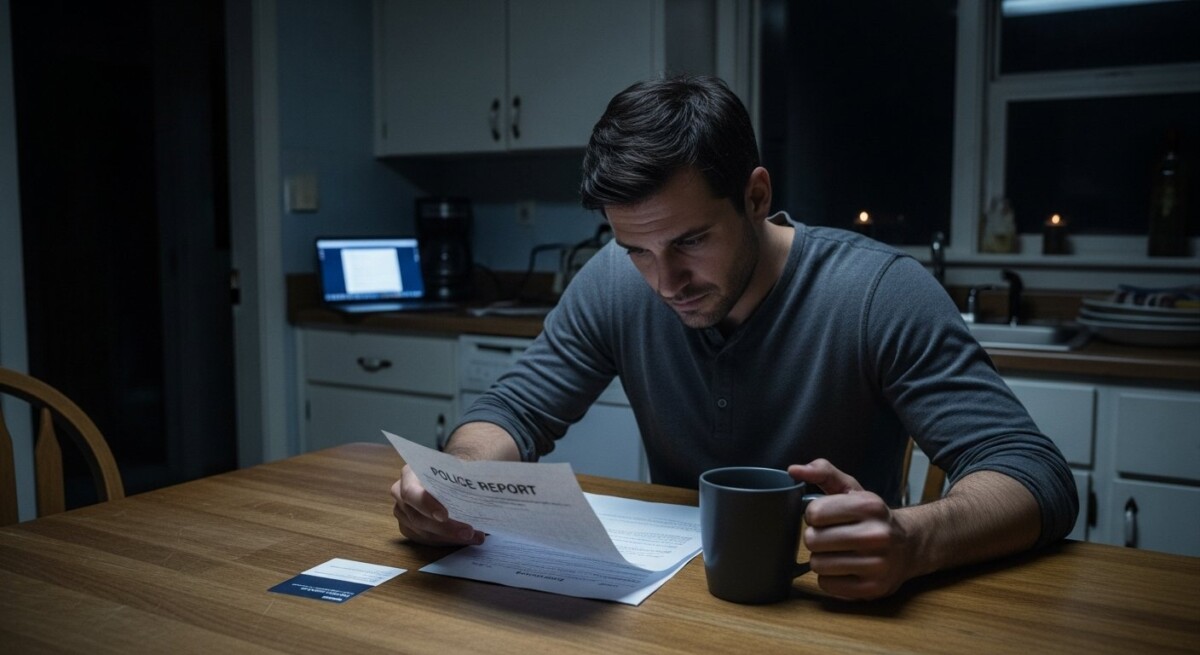
If you discover a mistake in your accident report, do not panic. You have the right to request a correction, but you must act quickly and follow the proper procedures. Here are the steps you should take:
- Obtain a copy of the report. In most states, you can request a copy from the police department that responded to the accident. You may need to pay a small fee. Review the document carefully for any errors.
- Identify the specific errors. Write down each mistake clearly. Note whether the error is a simple typo (e.g., a misspelled name) or a factual error (e.g., wrong direction of travel). This will help you determine the best approach.
- Gather supporting evidence. Collect photographs, dashcam footage, witness statements, and any other documentation that proves the report is incorrect. The more evidence you have, the stronger your request will be.
- Contact the reporting officer or their supervisor. Call the police department and ask to speak with the officer who wrote the report. Explain the error and provide your evidence. Many officers are willing to amend a report if you can show clear proof.
- File a formal amendment request. If the officer refuses to make changes, ask about the department’s formal process for disputing a report. Some agencies require you to submit a written request or fill out a specific form. Keep copies of all correspondence.
In our guide on incorrect accident report what happens next, we explain how to navigate this process effectively. Remember that police departments are not required to change a report, but they often will if you present credible evidence. If they refuse, you may need to consult an attorney to explore other options.
When to Involve an Attorney
Not every mistake in an accident report warrants legal action. Minor typos that do not affect liability are usually not worth fighting over. However, if the error changes the narrative of the accident, you should consider speaking with a lawyer. An attorney can help you gather evidence, communicate with the police department, and protect your rights in any subsequent legal proceedings.
Legal representation is especially important if the incorrect report has already led to a denied claim or a lawsuit. An experienced attorney can challenge the report’s accuracy in court or during settlement negotiations. They can also subpoena the officer’s notes and dashcam footage to uncover the truth. The cost of hiring a lawyer is often outweighed by the increased settlement or verdict you may receive.
If you are dealing with a dispute over an inaccurate report, the team at AttorneyLawsuit.com can provide resources and guidance. We offer articles on topics like incorrect accident report what happens next and how to handle insurance company pushback. Our goal is to empower you with knowledge so you can make informed decisions.
Insurance Company Tactics After an Error
Insurance companies are businesses, and their goal is to minimize payouts. When they see an error in a police report that favors their bottom line, they will use it to their advantage. Adjusters may quote the incorrect report as the definitive version of events, even if you have evidence to the contrary. They may pressure you to accept a low settlement quickly, hoping you will not fight the error.
You should never accept a settlement based on an incorrect report without first trying to correct it. Once you sign a release, you waive your right to pursue additional compensation. If you later discover the full extent of your injuries or the true facts of the accident, you cannot go back and reopen the case. Always insist on a corrected report before agreeing to any settlement.
Some insurers will also use minor errors to question your credibility. For example, if the report has a wrong date and you point it out, the adjuster may argue that you are being overly picky or that your memory is faulty. Do not let this deter you. Stay focused on the facts, and provide clear documentation to support your position.
Long-Term Repercussions of an Uncorrected Error
If an incorrect accident report is never fixed, it can haunt you for years. The report becomes part of your driving record and may be accessible to future insurers. You could face higher premiums for three to five years, even if the accident was not your fault. In some states, points are assigned based on the report’s findings, which can lead to license suspension after multiple violations.
Additionally, an incorrect report can affect your ability to rent a car or get a job that requires driving. Employers and rental agencies often check driving records, and a report that shows you were at fault in an accident can be a red flag. This is why it is so important to correct errors promptly, even if the immediate financial impact seems small.
For more detailed information on the long-term effects, read our article on incorrect accident report what happens next. We cover how to monitor your driving record and what steps to take if an error persists.
Frequently Asked Questions
Can I dispute a police report if I disagree with the officer’s conclusions?
Yes, you can dispute factual errors in a police report. However, you cannot simply disagree with the officer’s opinion. You need to provide objective evidence, such as photographs, video footage, or witness statements that contradict the report. If the officer made a judgment call about fault, you may need to present your case in court or during insurance arbitration.
How long do I have to correct an accident report?
There is no universal deadline, but it is best to act as soon as possible. Many police departments have internal policies that allow amendments within a certain number of days, often 30 to 60 days. Waiting too long may make it harder to gather evidence and convince the officer to make changes. Check with your local department for specific time limits.
Will my insurance rates go up if the report has an error?
They can, especially if the error makes you appear at fault. Insurers use the report as a primary source for determining liability. Even if the error is later corrected, your rates may have already been adjusted. That is why you should notify your insurance company immediately if you discover a mistake and provide the corrected report as soon as it is available.
What if the other driver’s insurance uses the incorrect report against me?
You have the right to challenge their interpretation. Provide your evidence to the other driver’s insurance company and demand a reinvestigation. If they refuse to budge, consider filing a complaint with your state’s insurance commissioner or hiring an attorney. You can also refer to our resource on incorrect accident report what happens next for additional strategies.
Do I need a lawyer to fix a simple typo in the report?
No, a simple typo can usually be corrected by contacting the police department directly. Save your legal fees for more serious disputes. However, if the typo is part of a pattern that suggests the report was prepared carelessly, or if the error has already caused harm, a lawyer can help you escalate the issue.
Final Thoughts on Protecting Your Rights
An incorrect accident report is more than an administrative nuisance. It can disrupt your finances, delay your recovery, and complicate any legal action you need to take. The best defense is vigilance: obtain a copy of the report as soon as it is available, review it thoroughly, and act quickly to fix any mistakes. Document everything, keep copies of all correspondence, and do not be afraid to escalate your request if the initial response is unsatisfactory.
Remember that you are not alone in this process. Legal resources and experienced attorneys are available to guide you. Whether you are dealing with a minor error or a major discrepancy, understanding what happens if an accident report is incorrect allows you to take control of the situation. By staying proactive and informed, you can minimize the damage and focus on what matters most: your health and your future.