Incorrect Accident Report Consequences Explained
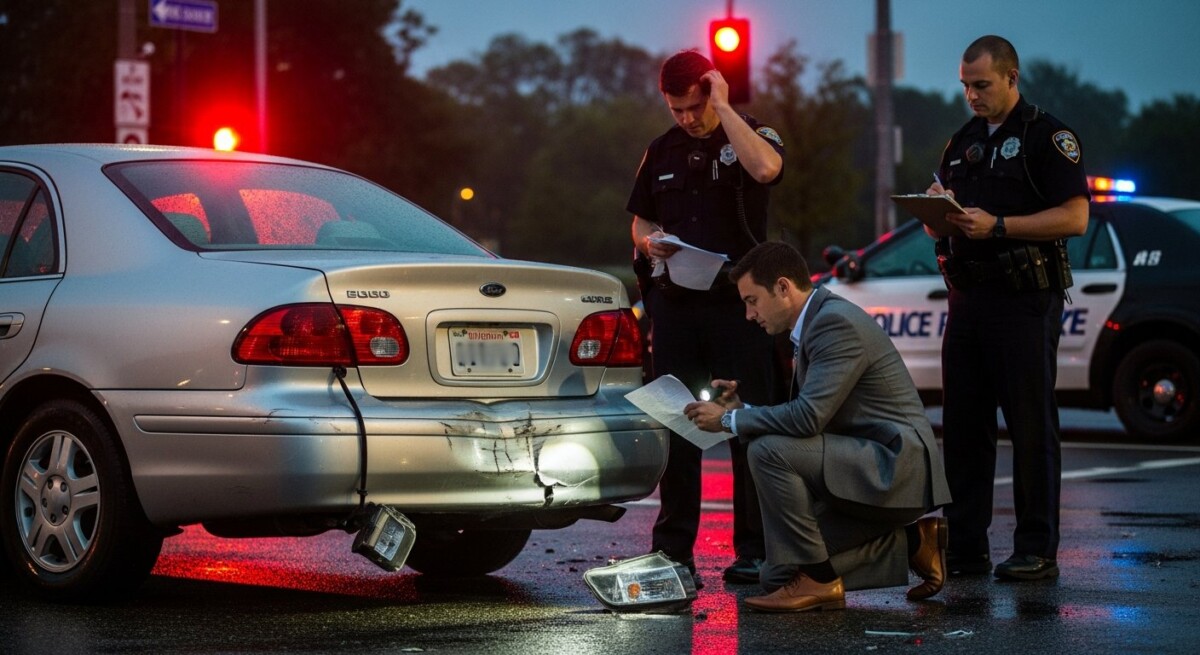
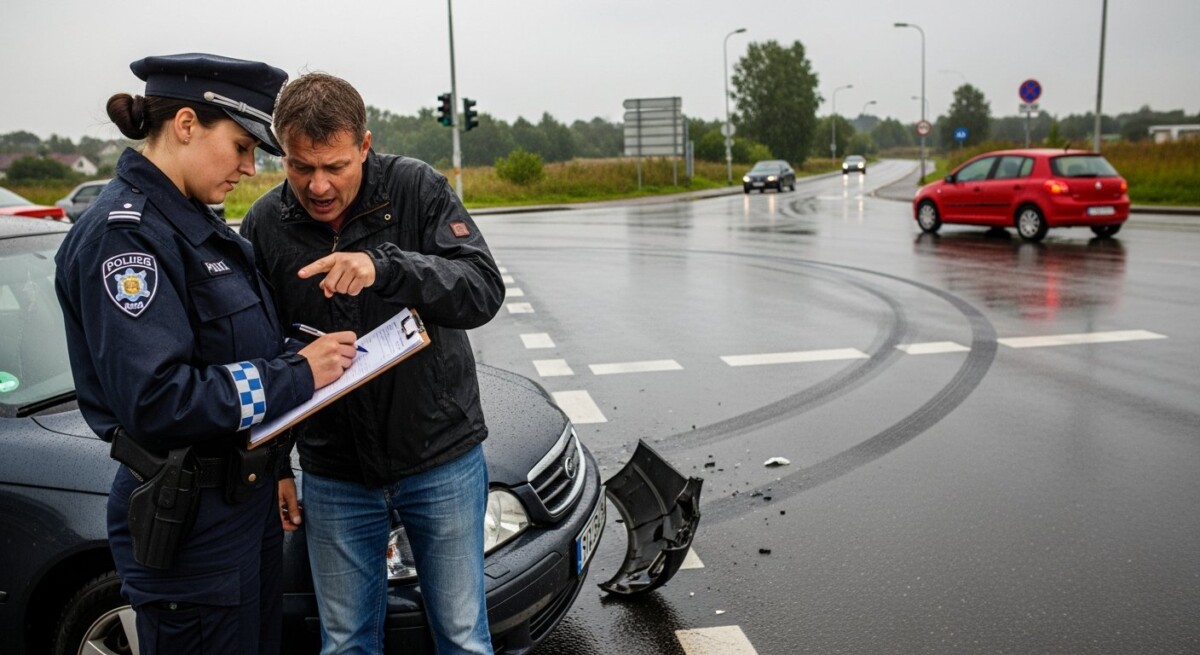
You are sitting at a stoplight when a driver rear-ends your car. The police officer arrives, takes statements, and files an accident report. Weeks later, you discover the report contains a serious error. It says you were at fault, that your vehicle was in the wrong lane, or that the other driver did not run a red light. Your stomach drops. You know that insurance companies, lawyers, and even the court rely on that document to determine liability and compensation. So what happens if an accident report is incorrect? The answer is not simple, but understanding your options can save you time, money, and stress.
An incorrect accident report can derail a claim, inflate your premiums, or even expose you to legal liability. Fortunately, you are not stuck with a flawed document. You have the right to challenge errors, submit corrections, and present your own evidence to counter false information. This article walks through the real-world consequences of a wrong accident report, the steps you should take to fix it, and why acting quickly matters. Whether you are dealing with a minor fender bender or a serious collision, knowing how to handle a mistake in the police report is essential for protecting your rights.
Why Accident Reports Matter in Legal and Insurance Claims
An accident report is not just a piece of paper. It is an official record created by law enforcement or a responding officer at the scene. Insurance adjusters, claims examiners, and attorneys use this document to reconstruct the events leading up to the crash. The report typically includes the date, time, location, weather conditions, a diagram of the collision, witness statements, and the officer’s opinion on who caused the accident. In many states, the report carries significant weight in settlement negotiations and even in court proceedings.
When the report contains an error, the ripple effects can be severe. For example, if the officer incorrectly lists you as the at-fault driver, your insurance company may deny your claim or demand that you pay the other party’s damages. Your rates could skyrocket. Worse, if the case goes to trial, the plaintiff’s lawyer will use the flawed report to argue that you were negligent. On the other hand, if the report wrongly absolves the other driver of fault, you might struggle to recover medical bills, lost wages, or pain and suffering. In short, the accuracy of the police report directly influences the outcome of your case.
It is important to remember that the officer is human. They arrive at a chaotic scene, interview stressed witnesses, and make quick judgments. Mistakes happen. A witness might give false information, the officer might misread skid marks, or the report could contain simple clerical errors like the wrong license plate number. Regardless of the source, an incorrect report can undermine your claim. That is why you must take action as soon as you spot a mistake. In our guide on what happens next with an incorrect accident report, we explain the immediate steps to protect your case.
Common Types of Errors in Accident Reports
Not all errors are created equal. Some are minor typos that have little impact on fault or damages. Others are major factual errors that can flip liability upside down. Understanding the different categories of mistakes will help you prioritize which ones to fix and how to approach the correction process.
Factual Errors About the Vehicles or People
These include incorrect license plate numbers, wrong vehicle make or model, misspelled names, or inaccurate driver’s license information. While these errors might seem trivial, they can delay claims processing or cause confusion when matching the report to insurance policies. For instance, if the report lists the wrong VIN, your insurer might question whether your vehicle was involved in the crash at all.
Errors in the Narrative or Diagram
The narrative section describes how the accident happened. Diagrams show vehicle positions, points of impact, and traffic flow. Mistakes here are dangerous because they directly affect fault determination. A common error is the officer drawing arrows that suggest you turned left from the wrong lane when you actually signaled and turned legally. Another is omitting a key detail like a traffic light malfunction or a pedestrian crossing illegally.
Fault Determination Errors
Some reports include a check box or a notation indicating which driver violated a traffic law or caused the crash. If the officer marks you as at fault without sufficient evidence, that designation can haunt your claim. Insurance companies often treat the officer’s opinion as gospel, making it harder to argue that the other driver was actually responsible.
Consequences of an Uncorrected Incorrect Accident Report
If you ignore an error in the accident report, the consequences can compound over time. Here is what typically happens when a mistake goes uncorrected.
- Insurance claim denial: Your insurer may reject your claim based on the faulty report, leaving you to pay for repairs and medical bills out of pocket.
- Increased premiums: Even if your claim is paid, the at-fault designation can trigger a surcharge on your policy for three to five years.
- Legal liability: The other party’s attorney can use the report to file a lawsuit against you, arguing that the official record proves your negligence.
- Difficulty recovering damages: If the report incorrectly shows that the other driver was not at fault, you may lose the ability to collect compensation for your injuries.
Each of these outcomes can have a lasting financial impact. A single erroneous report could cost you thousands of dollars in higher premiums, legal fees, or unreimbursed medical expenses. That is why it is critical to address errors as soon as you discover them. Waiting until after a settlement or trial is often too late.
In some cases, an uncorrected report can even lead to criminal charges. For example, if the officer mistakenly writes that you were speeding or driving under the influence, you could face a traffic citation or DUI charge. Fighting such charges requires legal representation and additional evidence to contradict the official record. The stakes are high, and the clock starts ticking the moment the report is filed.
How to Correct an Incorrect Accident Report
Fixing a wrong accident report is not always easy, but it is possible. The process varies by jurisdiction, but the general steps are similar across most states. Acting quickly and methodically gives you the best chance of success.
Step 1: Obtain a Copy of the Report
Most police departments provide accident reports online or through a records request. You may need to pay a small fee. Review the report carefully, highlighting every error you find. Take notes on what the correct information should be and why the officer might have gotten it wrong.
Step 2: Gather Supporting Evidence
Your word alone is rarely enough to force a change. You need evidence that proves the report is wrong. This can include:
- Photos or videos from the scene, including traffic camera footage or dashcam recordings.
- Witness statements that contradict the officer’s version of events.
- A diagram you draw yourself showing the correct positions of the vehicles.
- Medical records that document injuries consistent with your version of the crash.
Organize this evidence logically. If possible, get notarized statements from independent witnesses who have no stake in the outcome.
Step 3: Contact the Law Enforcement Agency
Reach out to the police department that employed the officer who wrote the report. Ask to speak with the officer’s supervisor or the records division. Explain the error and present your evidence. In many jurisdictions, the officer can file a supplemental report or an amendment to the original document. Be polite and professional. Aggressive or confrontational behavior can make officers defensive and less willing to cooperate.
Step 4: File a Formal Request for Correction
If the officer refuses to correct the report, you may need to file a formal request with the department or the state’s motor vehicle agency. Some states have a specific form for disputing accident report errors. You may also need to pay a processing fee. Include all your evidence and a clear explanation of why the report is wrong.
Step 5: Hire an Attorney if Necessary
When the error is significant or the officer is uncooperative, legal help can make a difference. A lawyer can send a demand letter to the police department, file a motion in court to have the report corrected, or depose the officer to establish that the report contains errors. In our article on handling an incorrect accident report with legal support, we discuss how an attorney can advocate for you.
What to Do If the Insurer Relies on a Flawed Report
Sometimes the police department will not change the report, or the correction process takes too long. In that situation, your insurance company may still use the flawed version to evaluate your claim. Do not give up. You have the right to present your own evidence directly to the adjuster.
Submit your photos, witness statements, and any other documentation that contradicts the report. Write a detailed letter explaining why the report is inaccurate and why you believe the other driver was at fault. Request that the adjuster review your evidence before making a final decision. If the insurer still denies your claim, you can file an appeal or hire a lawyer to negotiate on your behalf.
Keep in mind that insurance companies are for-profit businesses. They look for reasons to minimize payouts. A flawed report gives them an easy excuse to deny or reduce your claim. By proactively challenging the error, you force them to consider the full picture. Do not assume that the adjuster will investigate the discrepancy on their own. They often take the path of least resistance, which means accepting the police report at face value.
How Long Do You Have to Correct an Accident Report?
Time limits vary by state and by the type of error. Some states allow corrections within 30 days of the report being filed. Others give you up to a year. However, waiting too long can harm your case because evidence grows stale, witnesses forget details, and photos or videos may be lost. As soon as you discover an error, start the correction process immediately.
For example, in California, you can request a correction from the California Highway Patrol within 30 days. In Texas, you have up to one year to file a dispute with the Texas Department of Transportation. Check your state’s specific rules. If you are unsure, a quick call to the local police department or a traffic attorney can clarify the deadline. Missing the window to correct the report can lock in the error permanently, so do not delay.
Frequently Asked Questions
Can a police officer change an accident report after it is filed? Yes, officers can amend or supplement a report if new evidence emerges. However, they are not required to do so. You must provide convincing proof that the original report contains a mistake.
Does an incorrect accident report always affect my insurance rates? Not always, but it often does. If the report says you were at fault, your insurer may increase your premiums even if the error is later corrected. That is why you should notify your insurance company of the error and provide corrected documentation as soon as possible.
What if the other driver caused the accident but the report blames me? This is a common and stressful situation. Gather your evidence and request a correction. If the police department refuses, consult a lawyer who can help you challenge the report in court or through the insurance claims process.
Can I sue the police department for an incorrect accident report? Suing a government agency is difficult due to qualified immunity and sovereign immunity protections. You typically cannot sue just because the officer made a mistake. However, if the error was intentional or part of a pattern of misconduct, you may have a legal claim. Most of the time, the better route is to request a correction or file a supplemental report.
Will my lawyer handle the correction process? Yes, most personal injury attorneys will manage the correction process as part of their representation. They know the proper channels and can apply pressure when necessary. If you have already hired a lawyer, send them a copy of the report and point out the errors. In our guide on what your lawyer can do about an incorrect accident report, we outline the specific legal strategies they can use.
Can I submit my own accident report to the insurance company? Yes. You can write a detailed statement and attach photos, diagrams, and witness affidavits. While this is not an official police report, it creates a record of your version of events. Insurers must consider all evidence, not just the police report.
Final Thoughts on Protecting Your Rights
An incorrect accident report is not the end of the road. It is an obstacle that you can overcome with the right approach. The key is to act quickly, gather solid evidence, and follow the proper correction procedures. Whether you handle it yourself or hire an attorney, do not let a flawed document dictate the outcome of your case. Your financial future and legal standing may depend on it.
If you are dealing with a disputed accident report and need professional guidance, consider reaching out to a qualified legal professional. They can evaluate your situation, advise you on the best course of action, and help you navigate the complexities of insurance claims and liability law. For more detailed strategies, check out our resource on what happens next with an incorrect accident report and take the first step toward protecting your rights.