Efficient Accident Evidence Collection: A Step-by-Step Guide
In the immediate aftermath of a car crash, your mind is racing, adrenaline is surging, and the scene around you is pure chaos. Yet, the actions you take in those first few minutes can determine the financial and legal outcome of the entire incident. Insurance adjusters and defense attorneys are not your friends at this moment; they are trained professionals looking to minimize their payout. The evidence you collect on-site is your most powerful counterweight. Without it, you are left with a he-said-she-said dispute, which rarely ends in your favor. Understanding what is the best way to collect accident evidence efficiently is not just a tactical advantage, it is a necessity for protecting your rights and securing fair compensation.
Efficiency does not mean rushing, rather it means having a systematic approach that allows you to document critical details while they are still fresh and undisturbed. Most people fail to gather adequate proof because they do not know what to look for or they assume the police report will cover everything. However, police reports can contain errors, and they often miss crucial details like subtle vehicle damage or the exact position of debris. By taking control of the documentation process yourself, you build a personal record that you can use to challenge inaccuracies and negotiate from a position of strength, which is vital if your case involves attorney disputes later on.
Immediate Steps: Securing the Scene and Your Safety
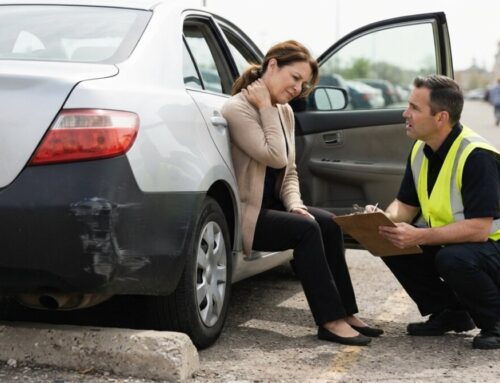
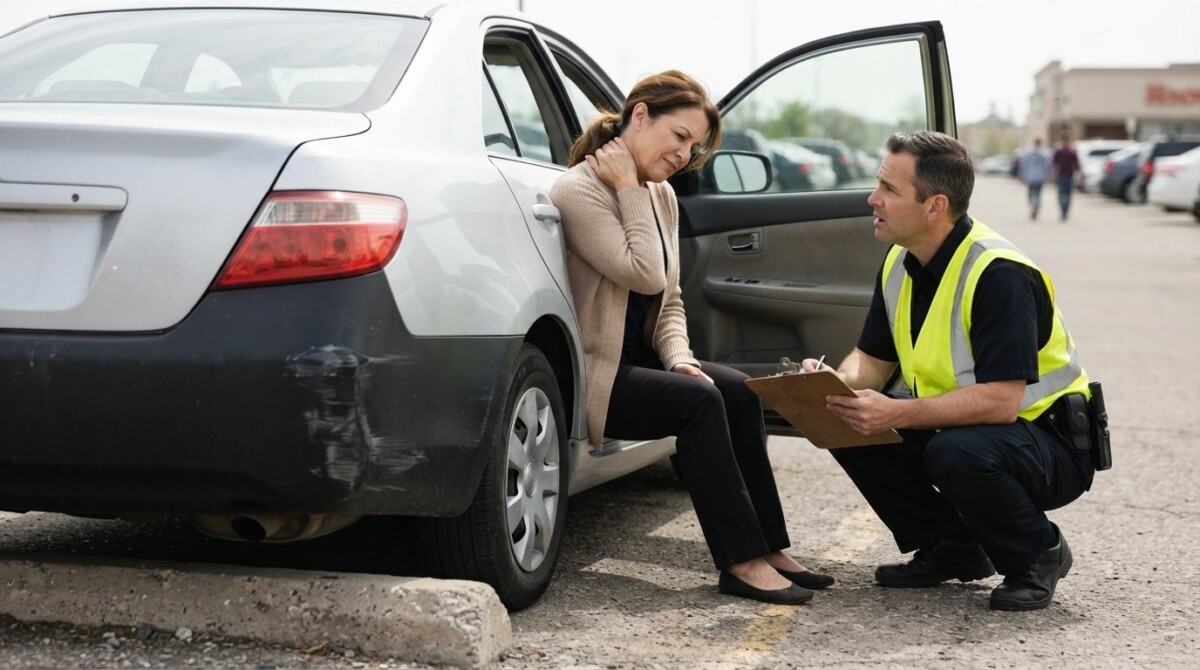
Before you whip out your smartphone, you must ensure that the scene is safe. Your personal well-being is the priority, and you cannot collect evidence if you are injured or causing a further hazard. Move to a safe location like the sidewalk or a nearby parking lot if the vehicles are drivable. If the cars are blocking traffic and it is safe to do so, turn on your hazard lights to warn other drivers. If anyone is injured, call 911 immediately and request an ambulance. The police should also be dispatched to the scene for any accident involving injury, significant property damage, or a dispute over fault.
Once you are safe, do not move any physical evidence unless it is necessary for safety. The positioning of the vehicles, the location of skid marks, and the scattering of debris all tell a story about the collision mechanics. If you move your car to a side street, you lose that narrative. Wait for law enforcement to arrive, but do not rely solely on their investigation. Ask the responding officer for the police report number and the exact name of the department, as this will be crucial when you request a copy later. While you wait, begin your own documentation process, knowing that this proactive approach is the foundation of efficient evidence collection.
The Golden Hour: Organizing Your Digital Evidence
Your smartphone is the most powerful evidence collection tool you own. It is always with you, and it has the capacity to capture high-resolution photos, videos, and even GPS coordinates. The key to efficiency is to take a structured approach rather than randomly snapping a few shots. Start with a wide-angle video of the entire scene, slowly panning from one direction to the other to give a full 360-degree view. This video should capture the road layout, traffic signals, weather conditions, and the overall environment. This context is invaluable for accident reconstruction experts later on.
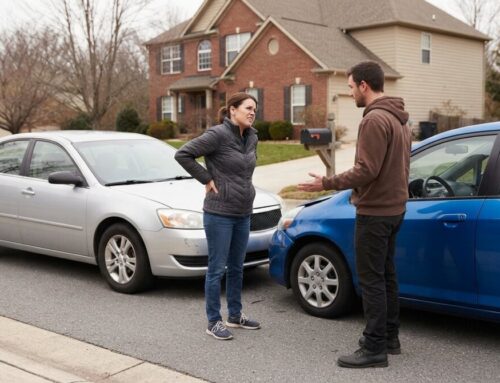
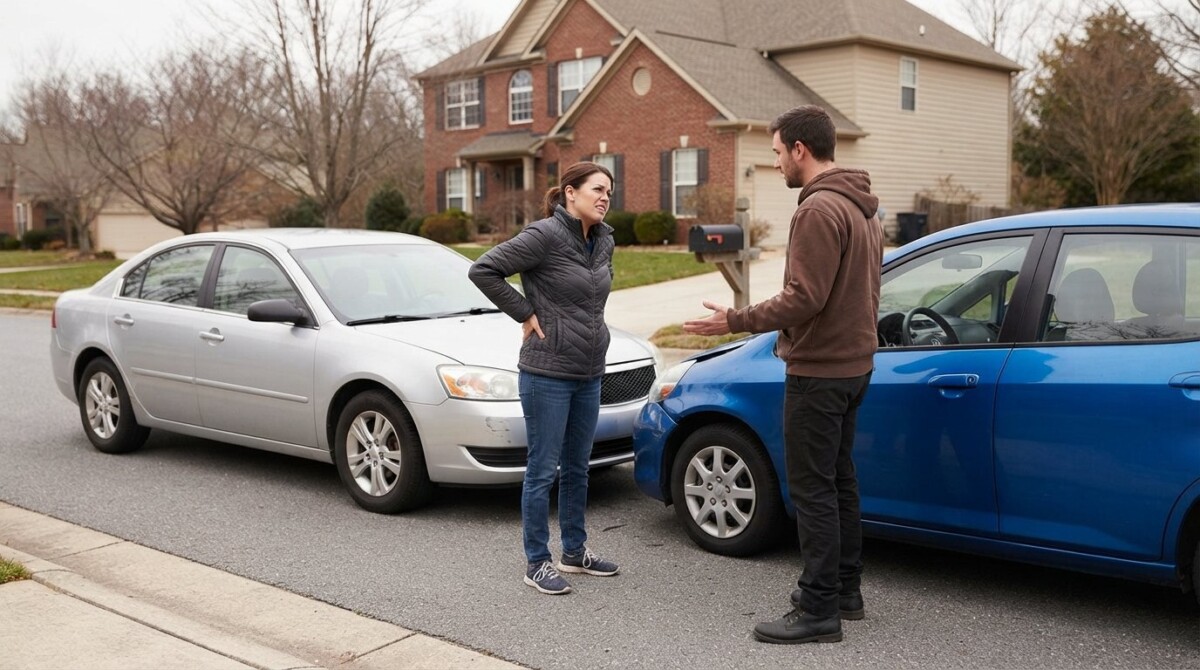
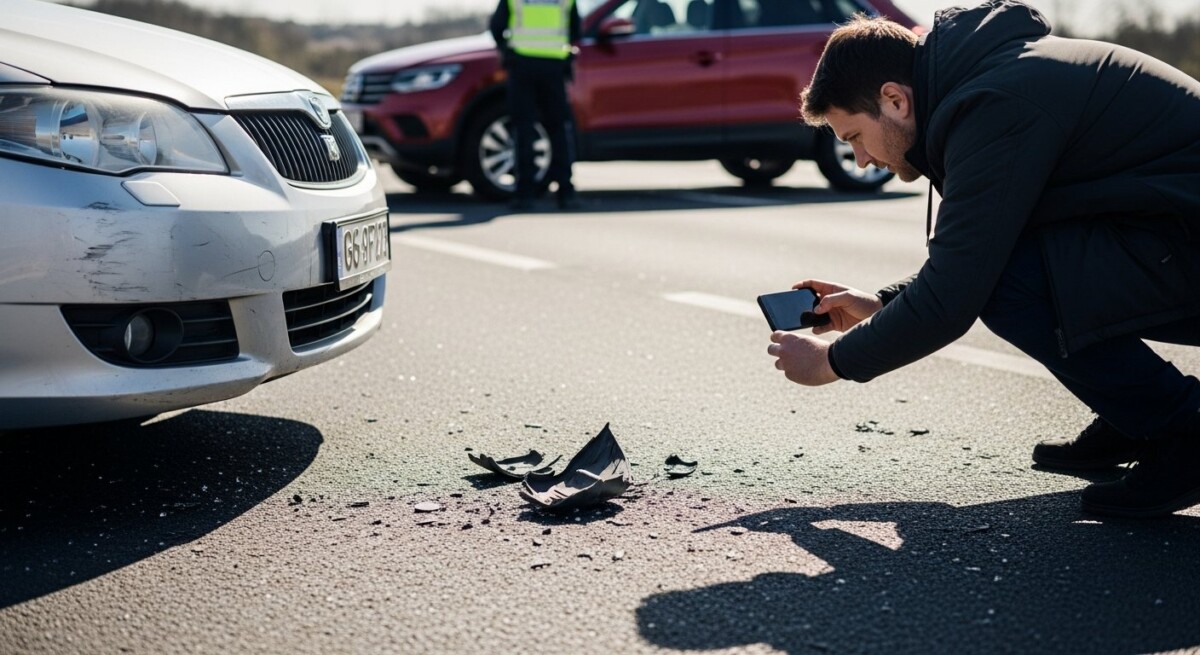
After the video, move to detailed still photography. You need to capture multiple angles of each vehicle, including the front, rear, and both sides. Take close-up shots of the damage to both cars, focusing on the point of impact, the depth of dents, and any scratches or paint transfer. Paint transfer is particularly important because it can prove which car struck which. Do not forget to photograph the license plates of all involved vehicles and the other driver’s insurance card and driver’s license (with their permission). Finally, take photos of the surrounding area, including skid marks, broken glass, vehicle parts on the road, and any traffic control devices like stop signs or signals. This systematic approach ensures you have a complete visual record.
Creating a Video Walkthrough with Narration
While photos are excellent for details, a narrated video walkthrough is superior for capturing your immediate impressions. As you film, speak out loud, describing what you see and what you think happened. For example, you might say, “I was traveling north on Main Street at approximately 30 miles per hour when the other vehicle pulled out from the parking lot on the right and struck my front passenger side door.” This narration is not admissible as evidence in court (it is hearsay), but it serves as a powerful memory aid for you and your attorney when you are reconstructing the events days or weeks later. It also demonstrates to an insurance adjuster that you were attentive and collected at the scene.
When recording, ensure you capture the weather conditions, the time of day visible on your phone’s timestamp, and the general visibility. If it is raining, show the wet pavement. If it is night, show the darkness and the street lighting. These environmental factors are often central to determining liability. While you are doing this, be mindful of your safety and do not wander into traffic. Once you have finished the walkthrough, review your footage to ensure it is clear and not blurry. If you have a dashcam, download that footage as soon as possible, as it may capture the entire incident without any human bias or error.
Witnesses: The Missing Puzzle Piece
Eyewitnesses are often the most persuasive form of evidence, yet they are the most frequently overlooked resource. People tend to leave the scene quickly, and once they are gone, you lose their testimony forever. The moment it is safe, look around for anyone who might have seen the crash. This includes pedestrians, other drivers who have pulled over, and even shopkeepers or residents nearby. Politely ask them if they saw what happened and if they would be willing to provide a statement. You do not need to interrogate them, just ask for a brief account of what they observed.
Collect their contact information, including their full name, phone number, and email address. Let them know that an insurance adjuster or attorney might reach out to them. While you are talking to them, ask if they would be comfortable recording a brief video statement on your phone. Having them state what they saw while the memory is fresh is incredibly powerful. Even a short statement like, “I saw the red car run the stop sign and hit the blue car,” can be decisive. If they decline to be recorded, simply write down their account in your notes immediately, using their exact words as much as possible. This prevents you from accidentally paraphrasing or altering their testimony later.
Documenting the Invisible: Officer Reports and Medical Records
The evidence collection process does not end when you leave the scene. In fact, some of the most critical evidence is generated in the hours and days following the crash. The first piece is the official police report. While you should not rely on it exclusively, it is an authoritative document that contains the responding officer’s observations, a diagram of the scene, and citations issued to the at-fault driver. You should obtain a copy of this report as soon as it is available, typically within a few days. Review it meticulously for errors, as accident report errors can be common and can severely harm your claim if left uncorrected.
Your medical records are equally important, even if you feel fine immediately after the crash. Adrenaline can mask pain, and injuries like whiplash or soft tissue damage often manifest hours or days later. Seek medical attention as soon as possible, whether at an emergency room, an urgent care clinic, or your primary care physician. Tell the doctor exactly what happened and describe all your symptoms, no matter how minor they seem. These medical records create a direct link between the accident and your injuries, a link that insurance companies will scrutinize closely. If there is a gap between the accident and your treatment, they will argue that your injuries were not caused by the crash. Consistent documentation of your pain and recovery is vital for maximizing your compensation.
Organizing Your Evidence: The Paper Trail
Accumulating evidence is only half the battle, the other half is organizing it so that it is easy to access and present. A chaotic pile of photos and papers will not impress an insurance adjuster or an attorney. Create a dedicated folder, whether physical or digital, to store everything related to the accident. This includes the police report, medical bills, repair estimates, rental car receipts, and any correspondence with the insurance company. Keep a chronological log of all expenses related to the crash, including prescription medications, physical therapy co-pays, and even gas money for travel to medical appointments.
You should also create a daily journal documenting your physical and emotional state. Write down how your injuries are affecting your ability to work, sleep, and perform daily activities. This journal serves as compelling evidence of pain and suffering, a category of damages that is notoriously difficult to quantify. When you are organized, you can quickly access the specific document you need when negotiating a settlement. This efficiency not only saves you time but also signals to the insurance company that you are a serious claimant who is prepared to fight for what you deserve. If your case involves a dispute with your own attorney over fees or handling, having this organized file will be essential evidence for your position.
Leveraging Technology for Seamless Collection
In the digital age, there are tools that can make the process of collecting and storing accident evidence even more efficient. While a physical notepad is useful, a dedicated accident documentation app can guide you through the process step-by-step, ensuring you do not miss anything. These apps often allow you to upload photos directly to a cloud server, timestamp them automatically, and generate a preliminary report. Some even have a feature to contact the police and your insurance company directly from the app. Using these tools reduces the risk of human error and ensures your evidence is securely backed up.
Beyond apps, cloud storage services like Google Drive or Dropbox are excellent for organizing your digital files. Create subfolders for photos, videos, documents, and correspondence. Use descriptive file names like “20240115_Exterior_Damage_Front.jpg” instead of generic names like “IMG_1524.jpg.” This makes it infinitely easier to find the specific piece of evidence you need. You should also consider emailing copies of critical files to yourself or your attorney, creating an additional backup layer. The goal is to create a system that is so streamlined that you can present your complete evidence package to any party on demand, proving that you are in control of your case.
When to Involve a Professional
There is a limit to what you can do on your own. In complex cases involving serious injury, disputed liability, or commercial vehicles, you should consult a professional personal injury attorney immediately. An attorney has the resources to hire accident reconstruction experts, subpoena cell phone records, and interview witnesses under oath. They understand the legal nuances of evidence admissibility and can build a compelling case on your behalf. While you can collect the basic evidence, a professional knows how to use it strategically to maximize your settlement. This is particularly important if you are dealing with a large insurance corporation that has a team of lawyers working against you.
If you are concerned about the conduct of your own legal representation, whether it is a lack of communication or a dispute over fees, you have options. You can seek a consultation with a legal malpractice attorney to review your case. The documentation you have collected is incredibly valuable in this scenario, as it provides a timeline of your interactions and the handling of your claim. Knowing your rights is the first step in protecting them. For more information on how to handle disputes with legal counsel, review our resources on attorney guidance and client rights. Understanding the relationship between your evidence and your legal strategy is the ultimate key to a successful outcome.
Frequently Asked Questions
How long after an accident can I collect evidence?
The best time is immediately at the scene. However, you can still collect evidence in the days following, such as taking photos of your injuries as they heal or obtaining medical and repair records. Physical evidence like skid marks will disappear quickly, so prioritize on-scene documentation.
What if I forgot to take photos at the scene?
Do not panic. You can still document your vehicle’s damage once you get home. You can also request a copy of the police report, which will contain diagrams and officer observations. Witnesses can be harder to locate, but you can try posting in local community groups or asking neighbors if they saw anything.
Is a dashcam video considered strong evidence?
Yes, dashcam footage is often considered the gold standard of evidence because it is unbiased and provides a clear, continuous record of the events leading up to the crash. It can definitively prove fault in many cases.
Should I give my evidence to the insurance company?
You should provide the evidence to your own insurance company, but be cautious about sharing it with the at-fault party’s insurer without consulting an attorney. They may use your statements or photos against you to minimize your claim. It is often wise to have a legal professional review your evidence first.
Collecting accident evidence efficiently is a skill that anyone can learn, and it is one of the most critical investments you can make in your own protection. The steps you take in the immediate aftermath of a crash will have a lasting impact on your ability to recover damages. A structured approach, utilizing your smartphone and a clear checklist, ensures that you capture the critical details that others might miss. This diligence transforms you from a passive victim into an active participant in your own recovery.
Your future financial security should not be left to chance or the goodwill of an insurance adjuster. By taking control of the evidence, you level the playing field and send a clear message that you are prepared to assert your rights. If you find yourself facing a complex dispute, or if you believe your own attorney has not acted in your best interest, do not hesitate to seek professional guidance. Your evidence is your voice, and it deserves to be heard. For a deeper dive into the entire process, review our comprehensive guide on the best way to collect accident evidence after a crash, and ensure you are fully prepared for every step of the legal journey.