Compensation Without Witness Testimony: Is It Possible
After an accident or legal dispute, many people worry that a lack of eyewitnesses will sink their claim. The belief that you need a third-party observer to win compensation is one of the most persistent myths in personal injury law. While witness testimony can certainly strengthen a case, it is rarely the only path to a recovery. The real question is not whether you can still get compensation without witness testimony, but how to build a compelling case using the evidence you do have. Courts and insurance companies evaluate claims based on the preponderance of the evidence, meaning your burden is to show that your version of events is more likely true than not. That standard can be met through many forms of proof beyond a witness statement.
Why Witness Testimony Is Not Always Necessary
Eyewitness accounts are notoriously unreliable. Memory fades, perspectives differ, and even honest witnesses can contradict each other. Attorneys and insurers know this, which is why they place more weight on objective evidence. If you are asking yourself can you still get compensation without witness testimony, the answer is a strong yes provided you have other credible evidence. Physical evidence, expert analysis, and documentation often carry more weight than a single witness statement. In fact, many successful settlements and verdicts are built entirely on circumstantial evidence and expert reports.
The Role of Physical Evidence in Proving Fault
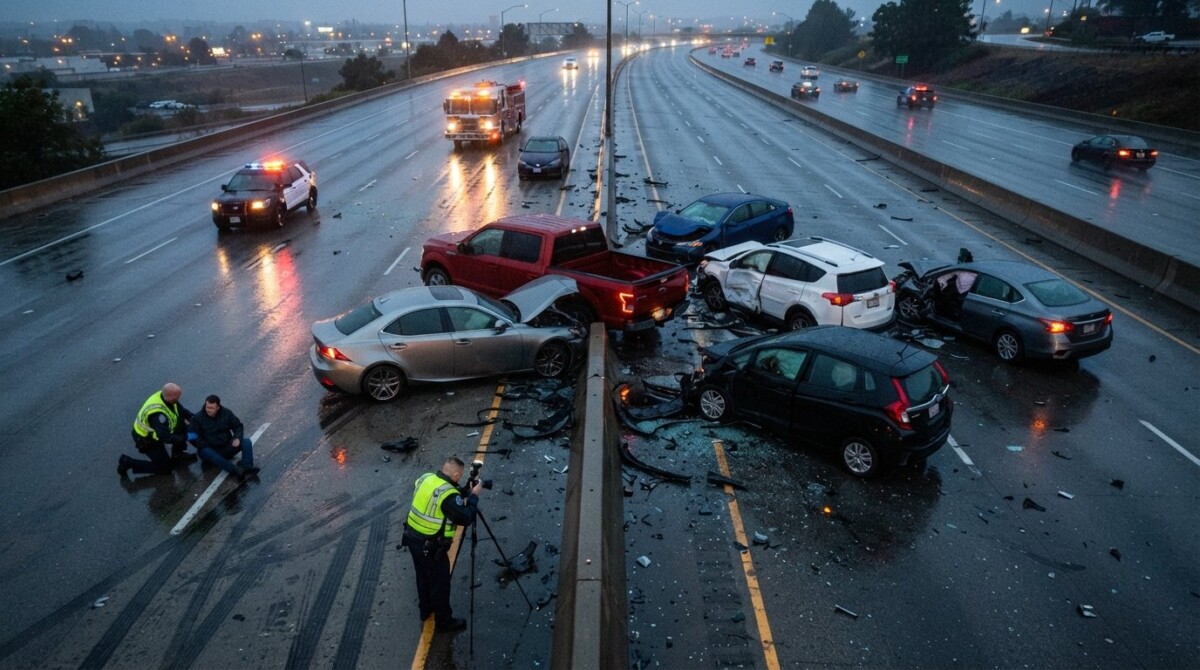
Physical evidence does not forget, lie, or change its story. After a car accident, skid marks, vehicle damage patterns, and debris fields can tell an expert exactly how the collision occurred. In a slip and fall case, the condition of the floor, maintenance logs, and surveillance footage can establish negligence. For medical malpractice, your medical records, imaging scans, and surgical notes provide a timeline of care that can demonstrate deviation from the standard. When you lack witnesses, focus on gathering every piece of physical evidence immediately after the incident. Take photographs from multiple angles, preserve damaged items, and request copies of any recorded footage from nearby businesses. This evidence creates a narrative that does not depend on human memory.
Building a Strong Case Without Eyewitnesses
Victims who wonder can you still get compensation without witness testimony often overlook the power of documentary evidence. Police reports, even if they do not include witness names, contain an officer’s observations and conclusions about fault. Medical records establish the nature and extent of your injuries, linking them directly to the incident. Repair estimates and bills quantify your economic damages. Together, these documents form a paper trail that tells a consistent story. You can strengthen this foundation by keeping a detailed personal journal of your recovery, noting pain levels, limitations, and how the injury affects your daily life. This journal becomes a form of testimony from you, the most important witness in your own case.
Using Expert Witnesses as a Substitute for Eyewitnesses
Expert witnesses serve a different function than fact witnesses. While a fact witness says what they saw, an expert witness explains what the evidence means. Accident reconstruction specialists can use physics and engineering principles to determine how an accident happened. Medical experts can testify about the causal link between the accident and your injuries. Economists can calculate lost earning capacity. These professionals provide authoritative opinions that can replace or outweigh missing eyewitness accounts. If you are concerned about compensation without witness testimony, hiring the right expert can transform weak evidence into a powerful case. Many attorneys have networks of trusted experts they work with regularly, and the cost is often recoverable as part of your damages.
Types of Evidence That Can Replace Witness Statements
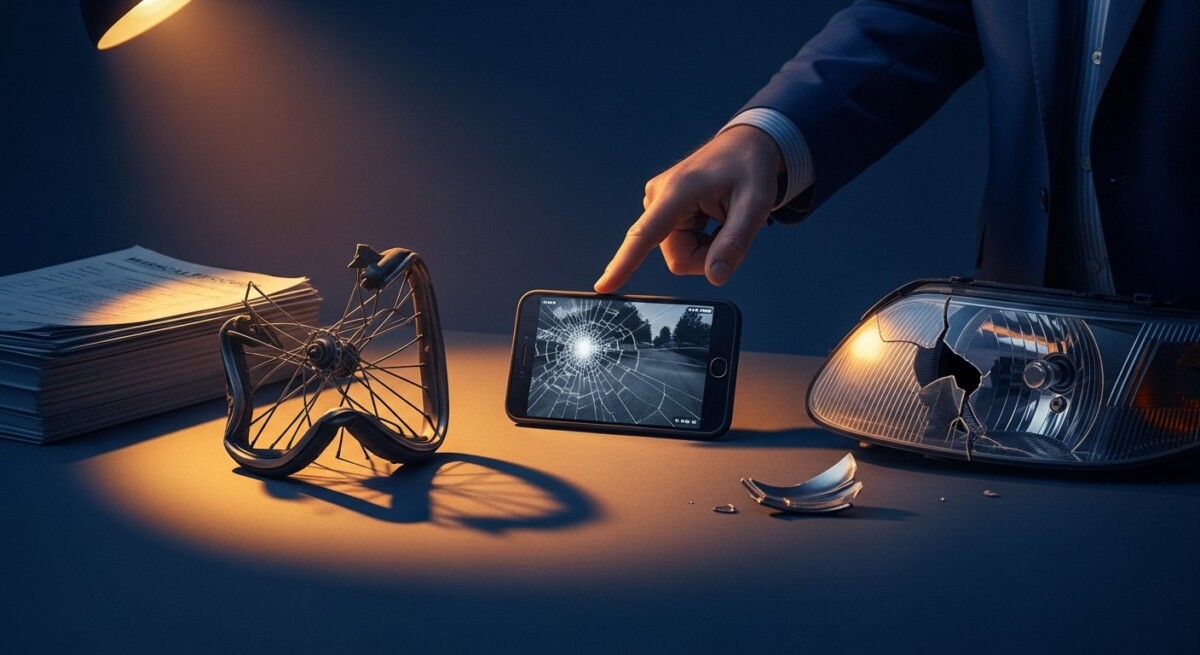
When building a case without eyewitnesses, you need to think broadly about what constitutes evidence. Courts accept many forms of proof, and creative attorneys use them to fill gaps. Consider gathering the following types of evidence:
- Photographs and video from the scene, including your own photos and any surveillance or dashcam footage
- Electronic data such as cell phone records, GPS tracking, event data recorders (black boxes) from vehicles, and smart device health data
- Documentation including police reports, incident reports, medical records, employment records, and correspondence with insurance companies
- Expert reports from accident reconstructionists, medical specialists, engineers, or vocational experts
- Circumstantial evidence like weather reports, time of day, road conditions, and maintenance logs that support your version of events
Each piece of evidence adds weight to your claim. When you combine multiple forms of proof, you create a mosaic that allows a judge or jury to infer what happened even without a direct observer. This approach is especially effective in cases where the defendant denies liability or where the facts are contested.
How Insurance Companies Evaluate Claims Without Witnesses
Insurance adjusters are trained to look for weaknesses in claims. When there are no witnesses, they may argue that the accident is your word against the other party’s word. However, adjusters also know that witness testimony is not required to pay a claim. They evaluate the strength of the available evidence. If you have clear photos showing the other driver ran a red light, or if the police report assigns fault to the other party, the adjuster will likely accept liability even without witnesses. The key is to present your evidence in a clear, organized manner. Submit a demand letter that outlines exactly how each piece of evidence supports your claim. Be prepared to explain why the absence of witnesses does not weaken your case. If the adjuster refuses to offer fair compensation, your attorney can file a lawsuit and present the evidence to a jury. Many cases settle once the defendant realizes the evidence against them is strong, even without eyewitnesses.
Legal Strategies for Proving Fault Without Witnesses
Experienced personal injury attorneys have developed specific strategies for cases where eyewitnesses are unavailable. One common approach is to rely on the doctrine of res ipsa loquitur, meaning the thing speaks for itself. This legal principle applies when the accident is of a type that would not normally occur without negligence, and the defendant had exclusive control over the instrumentality that caused the harm. For example, if a surgical sponge is left inside a patient, the sponge itself proves negligence without needing a witness to the surgery. Another strategy is to emphasize the consistency of your own testimony with the physical evidence. If you say the other driver sped through a stop sign and the damage patterns on both vehicles confirm that impact angle, a jury can reasonably conclude you are telling the truth. Your attorney may also use negative inferences, pointing out that the other party failed to preserve evidence or call their own witnesses, which can hurt their credibility.
The Importance of Timely Evidence Preservation
Evidence disappears quickly. Surveillance footage is often overwritten within days. Vehicle black box data can be lost if the car is repaired. Photographs of skid marks wash away with rain. If you are counting on compensation without witness testimony, you must act fast. Contact an attorney immediately after the incident so they can send preservation letters to businesses, property owners, and the other party. These letters demand that all relevant evidence be kept intact until the case is resolved. Your attorney can also arrange for an early inspection of vehicles or equipment before they are altered. The sooner you secure the evidence, the stronger your case will be.
Common Myths About Witness Testimony and Compensation
Many people believe they have no case if they were alone at the time of the accident. This myth prevents countless victims from seeking the compensation they deserve. The truth is that most accidents occur without independent witnesses. Rear-end collisions, single-car crashes, and premises liability incidents often happen when no one else is watching. Yet these cases settle every day based on other evidence. Another myth is that your own testimony is not enough. In reality, your sworn testimony is evidence. If you are credible, consistent, and supported by documentation, your word can carry significant weight. Do not let the absence of a stranger who happened to be watching prevent you from pursuing justice. As discussed in our guide on winning a case without witnesses, the legal system is designed to evaluate all evidence, not just eyewitness accounts.
When Witness Testimony Matters Most
There are situations where witness testimony becomes more important. If the physical evidence is ambiguous or destroyed, a witness may be the only way to establish fault. Similarly, if your own credibility is attacked, perhaps because you have a prior criminal record or made inconsistent statements, an independent witness can rehabilitate your case. In hit-and-run accidents or cases involving unknown defendants, witnesses may help identify the responsible party. However, even in these scenarios, witness testimony is not the only option. Surveillance footage, license plate readers, and forensic evidence can often fill the gap. The lesson is that you should never assume your case is hopeless simply because you lack witnesses. Instead, evaluate all the evidence you have and work with an attorney to maximize its impact.
Steps to Take After an Accident With No Witnesses
If you have been in an accident and there were no witnesses, your immediate actions can make or break your case. First, prioritize your health and safety. Call 911 if anyone is injured. Second, document everything. Take photos of the scene, the vehicles, your injuries, and the surrounding environment. Third, exchange information with the other party but do not discuss fault. Fourth, contact the police and request a report. Even if the officer does not witness the accident, their report becomes an official record. Fifth, seek medical attention even if you feel fine, as some injuries take hours or days to appear. Sixth, preserve any evidence such as damaged clothing, the vehicle itself, or receipts for related expenses. Finally, contact a personal injury attorney who can guide you through the process. Many attorneys offer free consultations and can evaluate your case without upfront cost. For a deeper look at how evidence works in these situations, you can read our article on winning compensation without eyewitnesses.
Frequently Asked Questions
Can I still file a lawsuit if I have no witnesses?
Yes. You can file a lawsuit based on any evidence that supports your claim. Witnesses are helpful but not required. Your attorney will use physical evidence, expert testimony, and documentation to prove your case.
How much compensation can I get without witness testimony?
The amount depends on the strength of your other evidence and the severity of your damages. Many victims recover full compensation for medical bills, lost wages, pain and suffering, and other losses even without eyewitnesses. The key is to present a well-documented claim.
What if the other party has witnesses and I do not?
Your attorney can cross-examine their witnesses to challenge their credibility. You can also present contrary physical evidence or expert testimony that contradicts their version of events. A witness is not automatically believed; their testimony must be tested against the facts.
Should I settle for less if I have no witnesses?
No. Do not accept a low settlement simply because you lack witnesses. The insurance company will try to use the absence of witnesses as leverage, but you have other evidence. Have an attorney evaluate your case before agreeing to any settlement.
How do I find an attorney for a case with no witnesses?
Look for personal injury attorneys with experience handling complex evidence cases. Many offer free consultations. During the consultation, ask how they would prove your case without witnesses and what experts they would use. The right attorney will have a clear strategy.
Understanding the full scope of your legal options is critical. If you are still asking can you still get compensation without witness testimony, the answer is almost always yes when you have the right legal representation. Attorneys who specialize in personal injury know how to gather and present evidence in ways that overcome the absence of eyewitnesses. They understand what insurance companies and juries need to see to rule in your favor. Do not let a lack of witnesses discourage you from seeking the compensation you deserve. The evidence you have, combined with skilled legal advocacy, can be enough to achieve a fair outcome. If you need more information on how to proceed, consider reviewing our resources on building a strong claim without witnesses to better understand your options.