Can You Still Win Without Accident Photos
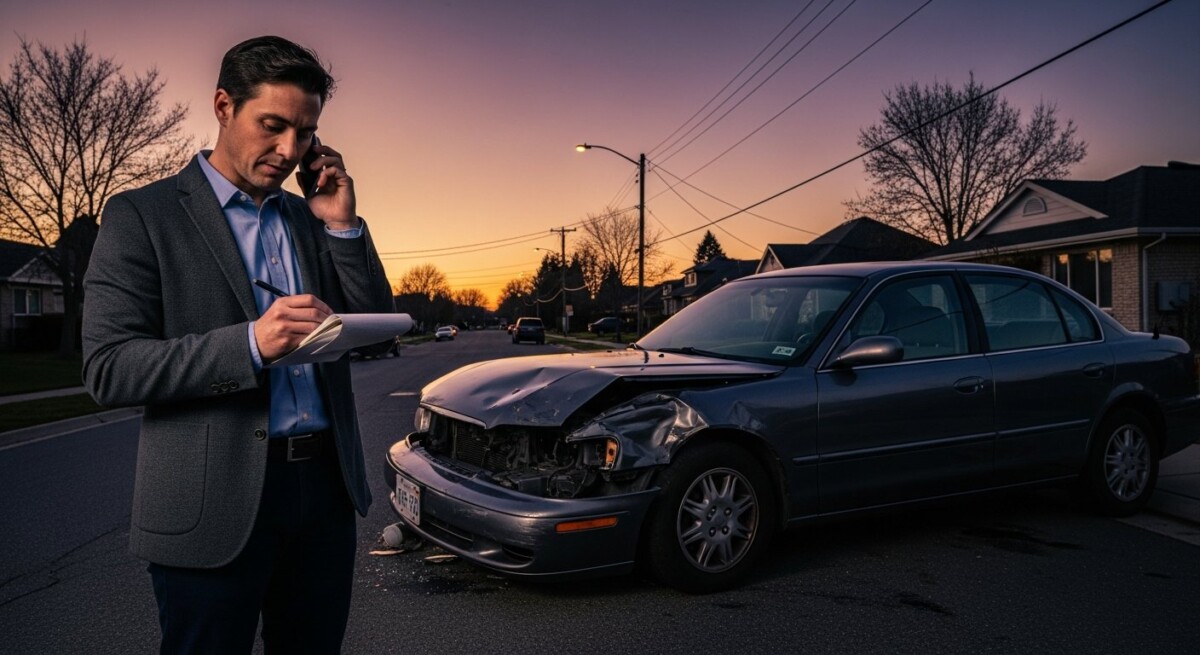
You just walked away from a car accident. Maybe you were shaken up. Maybe the other driver seemed cooperative. Or maybe you simply did not think to pull out your phone and start snapping pictures. Hours or days later, the reality sets in: you need to file a claim or even a lawsuit, and you have zero photographic evidence of the crash scene. Panic can set in. But here is the truth: a lack of accident photos does not automatically kill your case. Many claims and lawsuits succeed every day without a single photo. What matters is how you build your case using other forms of evidence.
This article explores whether you can still win without accident photos, what evidence can replace them, and how to strengthen your position when the only pictures you have are mental snapshots. We will walk through practical steps, legal principles, and strategic moves that can help you recover compensation even when your camera roll is empty.
Why Photos Are Powerful but Not Required
Photographs are undeniably persuasive. A picture of twisted metal, skid marks, or a obscured traffic sign can tell a story more vividly than any verbal account. Insurance adjusters and juries trust visual evidence because it feels objective. But the legal system does not require photographic proof for every element of a claim. The burden of proof in a civil case is a preponderance of the evidence, meaning you only need to show that it is more likely than not that the other party was at fault. That standard can be met through testimony, documents, expert opinions, and other forms of proof.
Courts have long recognized that accident scenes change quickly. Vehicles are moved, debris is cleared, and weather conditions shift. The law does not penalize you for failing to capture a fleeting moment. Instead, judges and juries evaluate the totality of the evidence. If you can present a coherent, credible story supported by reliable sources, you can prevail without a single photograph. The key is knowing what alternative evidence carries weight and how to gather it promptly.
Alternative Evidence That Can Replace Photos
When you lack accident photos, you must become a detective of your own case. The following types of evidence can fill the gap and, in some cases, prove even more powerful than a blurry cellphone image.
Witness Testimony
Eyewitnesses can describe what they saw, including the speed of vehicles, the direction of travel, and the moments leading up to the collision. Their statements can corroborate your version of events. The best time to collect witness information is immediately after the accident, while memories are fresh. Ask for names, phone numbers, and email addresses. If possible, get a brief recorded statement or written account. Witnesses who have no connection to either party are especially credible.
Police Reports
Officers who respond to the scene are trained to observe and document. A police report typically includes a diagram of the crash, notations about road conditions, citations issued, and the officer’s opinion on fault. Insurance companies give significant weight to police reports. Even if the officer did not witness the accident, their professional assessment can serve as a powerful substitute for photos. Request a copy of the report as soon as it becomes available, usually within a few days.
Surveillance and Dashcam Footage
Nearby businesses, traffic cameras, and even residential doorbell cameras may have captured the accident. You have the right to request copies of this footage before it is overwritten. Act quickly, as many systems automatically delete recordings after 24 to 72 hours. Your attorney can send a preservation letter to ensure the footage is saved. Dashcam footage from other drivers at the scene can also be invaluable, even if you did not have a camera yourself.
Physical Evidence from the Scene
Even without photos, physical evidence can be documented later. Vehicle damage patterns, debris locations, and tire marks can be photographed by a mechanic, body shop, or accident reconstruction expert. If your car is in a tow yard or repair shop, ask someone to take detailed photos of the damage. Those images, taken after the fact, can still reveal the force and angle of impact. Similarly, the other vehicle’s damage can be documented through the repair estimate or insurance inspection.
Medical Records
Injuries leave a trail. Emergency room records, diagnostic imaging results, and physician notes can establish the nature and severity of your injuries. These records often include mechanism-of-injury descriptions, which document how the accident caused your specific injuries. When combined with your testimony, medical records can powerfully link the crash to your physical harm, even without a photo of the collision itself.
Steps to Take Immediately After a Photo-Free Accident
If you realize you have no photos, do not despair. Take these steps to preserve and create evidence.
- Write down everything you remember. As soon as you are able, record your memory of the accident in as much detail as possible. Include the date, time, location, weather, traffic conditions, and the sequence of events. Be specific about what each driver did.
- Contact witnesses. Reach out to anyone who saw the crash. Ask if they are willing to provide a written or recorded statement. If they agree, get their contact information and a brief summary of what they observed.
- Obtain the police report. Call the responding agency and request the report number. Follow up to get a copy. Review it for accuracy and note any errors or omissions.
- Seek medical attention. Even if you feel fine, see a doctor. Delayed injuries are common, and medical documentation creates a contemporaneous record of your condition.
- Preserve physical evidence. Do not repair your vehicle until it has been inspected. Keep any damaged clothing or personal items. Store them in a safe place where they will not be altered.
These steps create a paper trail that can substitute for photographic evidence. The more documentation you generate, the harder it becomes for an insurer or defense attorney to dispute your account.
How Insurance Companies Evaluate Photo-Free Claims
Insurance adjusters are trained to look for weaknesses. When they see a claim without photos, they may assume the evidence is thin. But a well-documented claim with witness statements, a police report, and medical records can overcome that skepticism. The adjuster will evaluate the consistency of your story, the credibility of your witnesses, and the strength of the documentary evidence.
If the adjuster tries to use your lack of photos against you, do not take the bait. You can calmly explain that you were focused on safety and medical needs at the scene, not photography. You can point to the other evidence you have gathered. In many cases, a skilled attorney can negotiate a fair settlement even without photos by emphasizing the other evidence and arguing that the absence of photos is not proof of anything.
When a Lawsuit Becomes Necessary
If the insurance company refuses to offer a reasonable settlement, you may need to file a lawsuit. In litigation, the rules of evidence are more formal, but the same principles apply. You can introduce witness testimony, police reports, medical records, and expert opinions. Your attorney can also use discovery tools to obtain the other party’s cellphone records, GPS data, and any photos they may have taken. Sometimes the other driver has photos that help your case, and you can obtain them through the legal process.
In our guide on winning a case without witnesses, we explain how to build a strong claim when traditional evidence is missing. The same strategies apply when photos are absent. Focus on creating a narrative that is logical, consistent, and supported by whatever evidence you have.
It is also important to understand your rights after a settlement offer. Many claimants wonder whether they can still negotiate or pursue further action. Our article on suing after a settlement agreement clarifies when a case remains viable. Similarly, if you have engaged in settlement talks and are unsure about your next steps, the resource on going to court after settlement talks provides valuable guidance.
The Role of an Attorney in a Photo-Free Case
Having an experienced attorney is especially valuable when photographic evidence is missing. A lawyer knows how to gather alternative proof, interview witnesses effectively, and present a compelling narrative to insurers and juries. They can also hire accident reconstruction experts who can create diagrams and simulations based on the available evidence. These experts can translate physical damage, skid marks, and witness accounts into a visual story that substitutes for photos.
An attorney also handles the procedural aspects, such as sending preservation letters, filing discovery requests, and meeting deadlines. They can advise you on whether your case is strong enough to go to trial or whether accepting a settlement is the better path. If you have received a settlement offer and are uncertain, the article on filing a lawsuit after a settlement offer can help you evaluate your options.
Frequently Asked Questions
Can I still file a claim if I have no photos at all?
Yes. Many claims proceed without photos. You can rely on witness statements, police reports, medical records, and other documentation to prove your case.
Will the insurance company deny my claim because I have no photos?
They may try, but a denial based solely on a lack of photos is often appealable. Provide other strong evidence and consider hiring an attorney to push back.
How long after an accident can I gather evidence?
As soon as possible. Witness memories fade, video footage is deleted, and physical evidence is altered. Aim to gather everything within days, not weeks.
What if the other driver has photos but I do not?
Your attorney can request those photos during discovery if you file a lawsuit. The other driver’s photos may actually help your case.
Is a police report enough to win without photos?
A police report is strong evidence but not conclusive. It works best when combined with witness statements and medical records.
Whether you have photos or not, the most important factor in any accident claim is the quality of your evidence and the strength of your legal strategy. If you are unsure about your next steps, consult with a qualified attorney who can evaluate your case and guide you toward the best outcome.
While photos are helpful, they are not the only path to a successful claim. By acting quickly, gathering alternative evidence, and seeking professional legal guidance, you can still win without accident photos. The key is to be proactive, thorough, and persistent. Your recovery matters, and the law provides multiple avenues to achieve it.