Best Way to Negotiate Settlement With Insurance: Proven Tactics
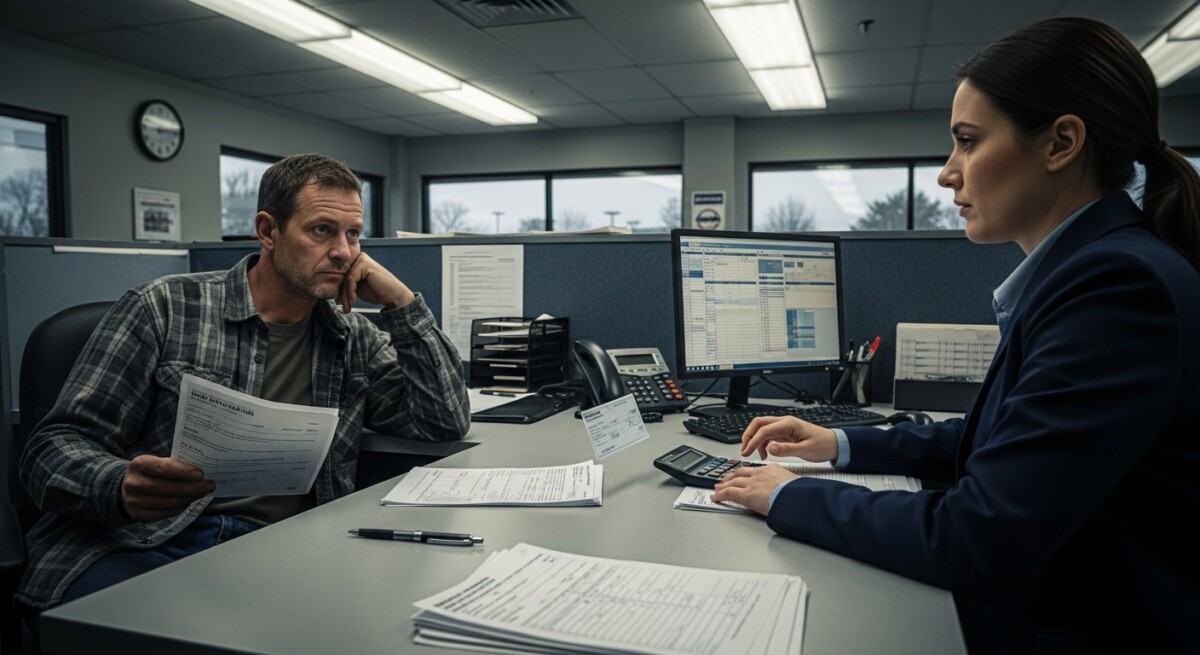
After a car accident, a slip and fall, or any incident that leaves you with medical bills and property damage, the insurance company is not your friend. They are a business, and their goal is to pay you as little as possible. Yet most people enter settlement talks without a strategy, relying on the adjuster to be fair. That is a costly mistake. The best way to negotiate settlement with insurance is to treat it like a professional negotiation, backed by evidence, patience, and a clear understanding of your policy. This guide walks you through a step-by-step approach to maximize your payout, avoid common traps, and know when to bring in a lawyer.
Understand the Insurance Adjuster’s Playbook
Before you say a single word to the claims department, you need to understand who sits on the other side of the phone. Insurance adjusters are trained negotiators. They handle dozens of claims every week, and they know exactly which phrases make claimants buckle. Their primary tactic is to settle quickly and cheaply, often before you know the full extent of your injuries or the true cost of repairs. They may sound friendly and sympathetic, but their compensation often depends on keeping payouts low.
Adjusters also use delay as a weapon. They drag out the process, hoping you get desperate for money and accept a lowball offer. They might ask for unnecessary paperwork, lose your documents, or simply not return calls. If you are not prepared, this psychological pressure can push you into a bad deal. Recognizing these tactics is the first step toward neutralizing them. For a deeper look at what happens when you handle a claim without counsel, check our guide on negotiating settlement without a lawyer.
The good news is that you can outmaneuver the adjuster by following a structured process. You do not need to be a legal genius, but you do need discipline. Every move you make should communicate that you are informed, organized, and willing to walk away if the offer is unfair.
Gather Every Piece of Evidence Before You Talk Numbers
The single biggest mistake in settlement negotiation is discussing a dollar amount before you have documented your losses. The adjuster will ask, “What do you want?” early in the conversation. Do not answer. Instead, say you are still compiling your damages and will present a demand package when ready. This buys you time and puts you in control.
Your evidence package should include:
- Police report and any incident reports filed at the scene
- Photos and videos of property damage, injuries, and the accident location
- Medical records, diagnosis reports, and treatment plans from every provider
- Receipts for out-of-pocket expenses, including prescriptions, travel to appointments, and lost wages
- Repair estimates from at least two independent shops, not just the one the insurer recommends
Organize these documents chronologically and make copies. The more concrete your evidence, the harder it is for the adjuster to argue that your injuries were minor or that the repair costs are inflated. Also, be consistent. If you tell the adjuster you are still in treatment, do not send a demand letter two days later claiming you are fully healed. Contradictions destroy your credibility.
Once you have a complete picture, calculate your total economic damages. Add up medical bills, lost income, and property damage. Then add a multiplier for pain and suffering, typically 1.5 to 5 times your economic damages, depending on severity. This number becomes your initial demand, not your final number. Start high, but stay within reason. An outrageous demand signals that you are not serious and invites a low counteroffer.
Put Your Demand in Writing
Verbal negotiations are easy to twist. The adjuster can claim you agreed to a lower amount or that you never mentioned a certain expense. That is why your settlement offer must be in writing. A formal demand letter serves several purposes: it establishes a record, shows you are organized, and forces the adjuster to respond in kind.
Your demand letter should include:
- A clear statement of liability, explaining why the other party is at fault
- A detailed list of your damages, with supporting documents attached
- Your settlement demand amount and a deadline for response (usually 30 days)
- A note that you are prepared to file a lawsuit if a fair offer is not made
Keep the tone professional and factual. Do not threaten or beg. Simply state the facts and your position. The adjuster will likely respond with a low counteroffer within a week or two. That is expected. Do not take it personally. Instead, treat it as the opening move in a counter-negotiation.
Master the Art of the Counteroffer
When the adjuster comes back with a number that is far below your demand, resist the urge to accept or to get angry. The first counteroffer is almost always a test. The adjuster wants to see if you will cave or if you know the value of your claim. Your response sets the tone for the entire negotiation.
Here is a simple framework for counteroffers:
- Do not accept the first offer, ever. Even if it seems decent, it is likely less than what you deserve.
- Counter with a number between your original demand and their offer, but closer to your demand. For example, if you demanded $20,000 and they offered $5,000, counter at $15,000 or $16,000.
- Provide a written rationale for your counter, referencing specific medical bills or lost wage documentation.
- Mention that you are willing to negotiate in good faith, but that your bottom line is based on the evidence, not on their arbitrary lowball.
This back-and-forth can last several rounds. Patience is your ally. The longer the negotiation drags on, the more pressure builds on the adjuster to close the file. They have quotas and supervisors to answer to. If you stay calm and professional, you will often see their offers creep upward.
Know When to Get a Lawyer Involved
There comes a point in many negotiations where you hit a wall. The adjuster refuses to budge, or the claim involves serious injuries, disputed liability, or an uncooperative insurer. That is when you need professional help. A personal injury attorney knows the true value of your claim and has experience dealing with adjusters. They can also file a lawsuit if necessary, which often prompts the insurer to raise their offer immediately.
If you are handling the claim yourself, you might wonder if you are doing more harm than good. Read our analysis of settling without legal representation to weigh the risks. The key is to recognize the signs that you are in over your head: the claim exceeds $25,000, your injuries require ongoing treatment, or the insurance company has denied liability despite clear evidence. In those cases, a lawyer is not a luxury, it is a necessity.
Even if you hire a lawyer later in the process, the work you did gathering evidence and documenting your losses is not wasted. It actually makes the lawyer’s job easier and can reduce their hourly fee. But do not wait until the adjuster has worn you down. Once you accept a settlement, you cannot come back for more, even if you later discover your injuries are worse.
Avoid These Costly Settlement Mistakes
Beyond the basic tactics, there are several pitfalls that sink negotiations. The first is giving a recorded statement before you have all the facts. The adjuster will ask for one right after the accident, claiming it is routine. It is not. Anything you say can be used to minimize your claim. You have the right to decline until you are ready, and you should.
Another mistake is accepting a quick settlement before you finish medical treatment. You might be offered $5,000 two weeks after the accident, and it sounds tempting. But what if your back pain turns out to be a herniated disc requiring surgery? That $5,000 will not cover the first MRI. Always wait until you reach maximum medical improvement, meaning your condition is stable and your doctors have given you a long-term prognosis.
Finally, do not sign a release of liability without reading it carefully. The release ends your right to pursue further compensation. Make sure it matches the terms you agreed to, including the exact amount and scope (which parties are released). If you have any doubts, have a lawyer review it before you sign.
Frequently Asked Questions
Can I negotiate with the insurance company without a lawyer?
Yes, you can. Many small claims are settled successfully by individuals. The key is to prepare a strong evidence package, make a reasonable demand, and be willing to walk away if the offer is too low. However, if the claim is large or the insurer is uncooperative, professional help is advisable. You can learn more about negotiating without counsel to decide if it is right for you.
What percentage should I ask for in a settlement?
There is no fixed percentage. Start with a demand that is 2 to 4 times your economic damages, depending on the severity of your injuries. This gives you room to negotiate down while still ending up with a fair amount. If your claim is for pain and suffering, the multiplier approach is standard.
How long does a settlement negotiation take?
It varies. Simple property damage claims can settle in weeks. Injury claims often take 3 to 6 months, especially if you need to reach maximum medical improvement first. If a lawsuit becomes necessary, it can take a year or more. Patience is critical.
Should I accept the first offer from the insurance company?
No. The first offer is almost always lower than what your claim is worth. The adjuster is testing your knowledge and resolve. Politely decline and counter with a well-supported number. Most claims settle for 50 to 80 percent of the initial demand, so there is room to move.
What if the insurance company denies my claim?
If they deny liability, ask for the specific reason in writing. Review your policy and the evidence. If you believe the denial is wrong, you can file an appeal with the insurer, contact your state’s insurance commissioner, or hire an attorney. A lawyer can help you determine if the denial violates your policy terms.
Final Thoughts on Settling Your Claim
Negotiating a fair settlement is not about getting lucky or being aggressive. It is about preparation, persistence, and a clear understanding of your rights. The best way to negotiate settlement with insurance is to document everything, make a realistic demand, counter strategically, and never sign anything until you are fully satisfied. If the process becomes overwhelming, remember that a qualified attorney is only a phone call away. Even if you have already started negotiations, it is not too late to get help. For more guidance on handling your claim, including when to bring in a lawyer, explore our detailed guide on settlement negotiations and take control of your recovery.