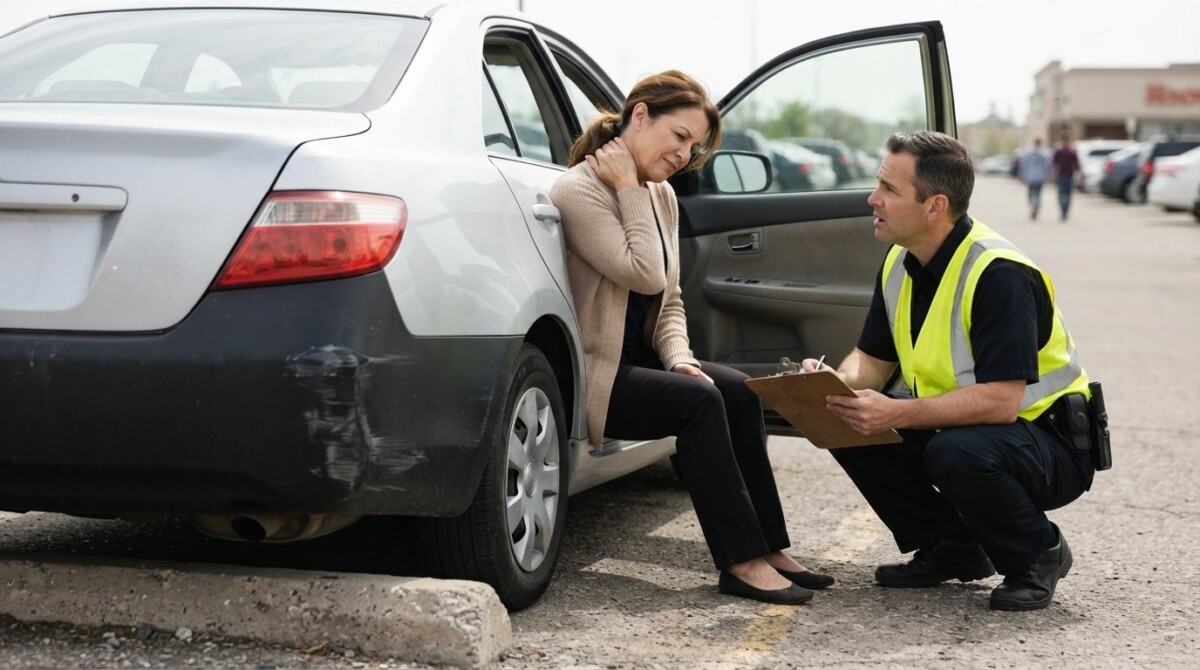
Can You Still File a Claim If the Accident Was Partially Your Fault?
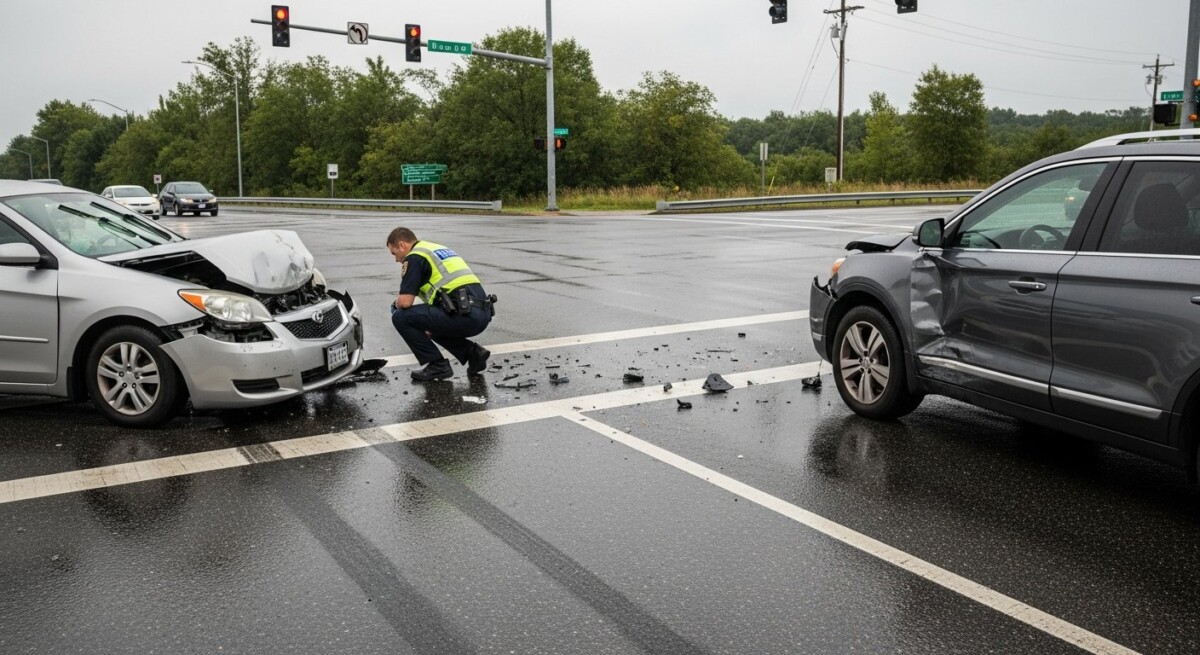
After a car accident, one of the first questions that comes to mind is whether you can still seek compensation if you were partly responsible. The short answer is yes, but the amount you recover may be reduced based on your share of fault. Understanding how insurance companies and courts handle partial fault is critical to protecting your rights and maximizing your recovery. This article explains the legal principles at play, the steps you should take, and how an experienced attorney can help you navigate the process.
Understanding Comparative Negligence
Most states follow a legal doctrine called comparative negligence (or comparative fault) when an accident involves shared responsibility. Under this system, your compensation is reduced by the percentage of fault assigned to you. For example, if you are found 30% at fault, your damages award would be reduced by 30%. This means you can still file a claim even if you were partially responsible.
There are two main types of comparative negligence: pure comparative negligence and modified comparative negligence. In pure comparative negligence states, you can recover damages even if you are 99% at fault, though the reduction is severe. Modified comparative negligence states impose a threshold, often 50% or 51%, beyond which you cannot recover any damages. Knowing which rule applies in your jurisdiction is essential.
If you have an accident involving emotional distress or other intangible harm, you may also wonder about your options. In our guide on emotional trauma claims: can you still file?, we discuss how partial fault can affect those types of recovery.
When You Can Still File a Claim
Even if you contributed to the accident, you generally retain the right to file a claim against the other driver or their insurance company. The key is that the other party must also be at fault. A claim exists whenever another driver’s negligence played a role in causing the crash. Insurance adjusters will investigate to determine each party’s percentage of fault.
Several factors can complicate a partial fault situation:
- If you failed to obey traffic laws, such as speeding or running a red light, you may be assigned a higher percentage of fault.
- If you were distracted or not paying attention, insurers may argue contributory negligence.
- If you were not wearing a seatbelt, some states reduce damages separately for that failure.
Understanding these nuances is why consulting a legal professional is wise. For instance, if the other driver is uninsured, your options may change. Read our article on uninsured driver accident: your legal options now to learn more about handling claims when the at-fault party lacks coverage.
Steps to Take After a Partially Fault Accident
If you suspect you share some blame, do not panic. Taking the right steps immediately after the crash can strengthen your case.
1. Do Not Admit Fault at the Scene
Even an offhand apology can be used against you later. Stick to factual statements like “I’m injured” and let the investigation determine fault.
2. Gather Evidence
Take photos of the scene, the vehicles, and any visible injuries. Collect contact information from witnesses. This evidence helps minimize your assigned fault percentage.
3. Seek Medical Attention
Delaying treatment can be seen as a sign that your injuries are not serious. It also creates a gap in the medical record, which insurers may exploit to reduce your claim.
4. Report the Accident
File a police report and notify your insurance company. Be truthful about the facts but avoid speculating about your own fault.
5. Consult an Attorney
An experienced lawyer can handle negotiations with insurers and, if necessary, litigate to ensure you receive a fair outcome. They understand the many ways partial fault claims can be challenged, including issues related to pre-existing injuries. For guidance on that specific scenario, see can you file a claim for aggravated pre-existing injury.
How an Attorney Can Help You
Navigating a partial fault claim can be complex. Insurance adjusters often try to shift as much blame as possible onto you to reduce their payout. A skilled attorney can counter these tactics by presenting evidence that highlights the other driver’s negligence.
Attorneys also assist in calculating the full value of your damages, including medical bills, lost wages, pain and suffering, and emotional distress. If your accident caused significant emotional harm, you may have additional legal avenues. Learn more about can you sue for emotional distress after an accident to understand how these claims work alongside property damage and physical injury claims.
Furthermore, an attorney can advise you on whether accepting an early settlement offer is wise. Insurers often push for quick settlements while fault percentages are still unclear, hoping you will accept less than you deserve. A lawyer can ensure you do not settle prematurely and that your final compensation reflects the true extent of the other driver’s fault.
Frequently Asked Questions
Can I still file a claim if I was 50% at fault?
Yes, in pure comparative negligence states you can still file. In modified states, you may be barred if your fault exceeds 50% or 51%. Check your state’s law or ask an attorney.
Will my insurance rates go up if I file a claim with partial fault?
Potentially, but rate increases depend on your insurer’s policies and your state’s regulations. Filing a claim does not automatically raise rates, but being deemed partially at fault often leads to a premium increase.
What if the other driver says I caused the accident?
Do not argue. Stick to the evidence. An attorney can help disprove exaggerated claims about your fault. Witness testimony and police reports are critical.
Can I sue the other driver if I was partially at fault?
Yes, you can sue. The court will apportion fault between the parties, and you will receive a reduced percentage of your total damages. If the other driver has limited assets or insurance, a lawsuit may still be worthwhile to establish liability.
Even when the accident was partially your fault, you have legal options. The key is to act quickly, gather strong evidence, and seek professional guidance. Do not let fear of shared blame prevent you from pursuing the compensation you need for recovery. Contact qualified legal counsel to evaluate your case and protect your rights.