What Happens If an Accident Report Is Incorrect
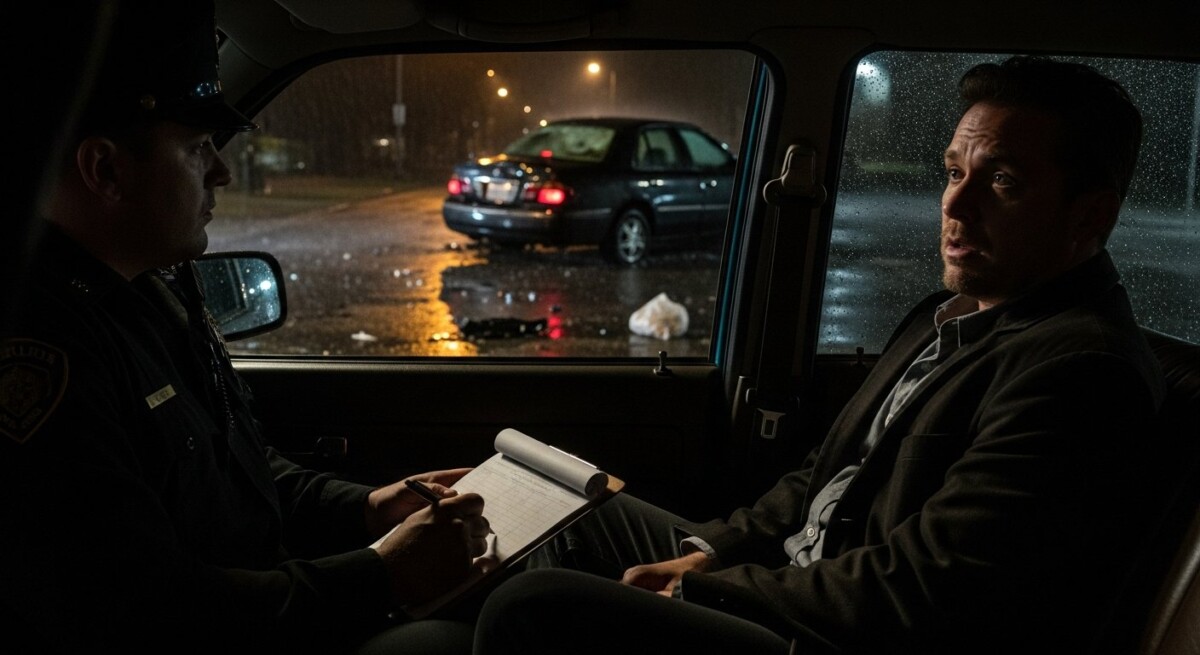
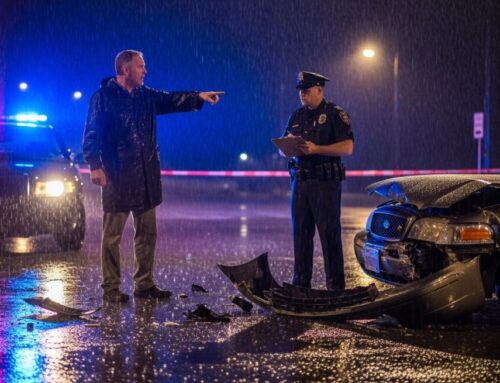
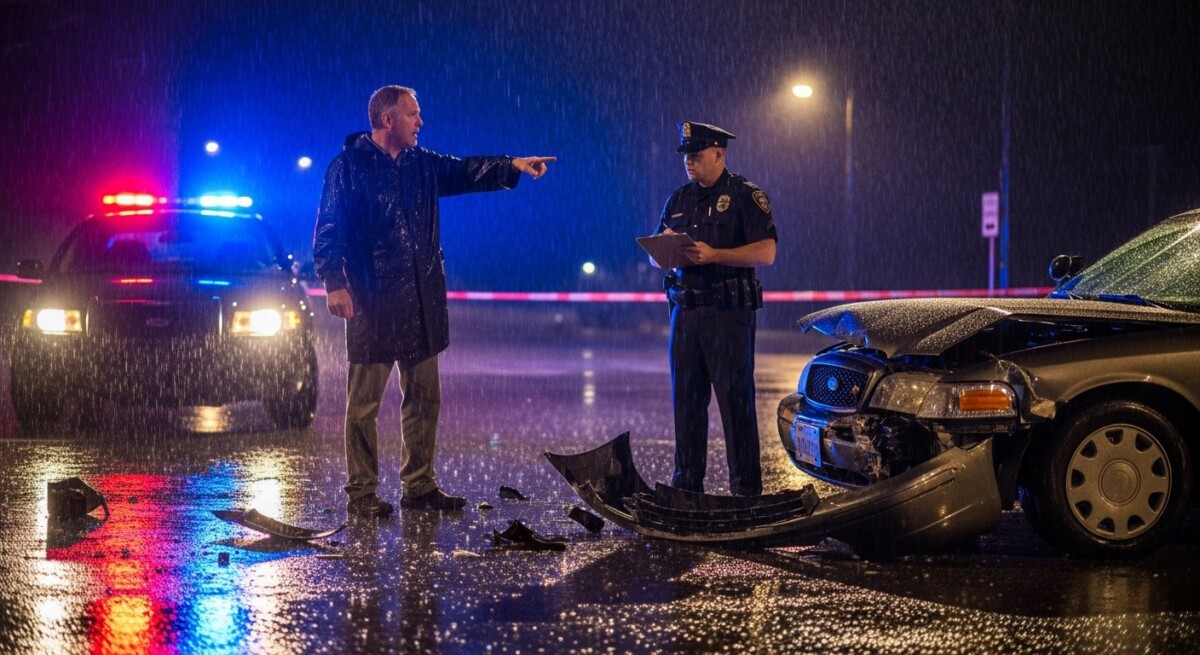
You are sitting at a red light when another driver slams into your rear bumper. The police arrive, take statements, and file a report. Weeks later, you receive a copy of that report and discover it contains errors. The officer wrote that you were speeding. The diagram shows your car in the wrong lane. A witness statement was misquoted. Panic sets in because you know this document will influence your insurance claim and any potential lawsuit. Understanding what happens if an accident report is incorrect is the first step to protecting your rights and your financial recovery.
An accident report is not the final word on fault, but it carries significant weight. Insurance adjusters, attorneys, and even judges rely on these reports to reconstruct the events of a collision. When errors creep in, they can skew the entire narrative. The good news is that you have options. You can challenge inaccuracies, provide supplemental evidence, and in some cases, request a formal correction. The key is to act quickly and strategically before the incorrect information becomes embedded in the claims process.
In this article, we explain the consequences of an erroneous police report, the steps you can take to fix it, and how to protect your legal interests. If you have already discovered mistakes in your report, you may want to review our guide on incorrect accident report what happens next for immediate action steps.
Why Accident Reports Matter More Than You Think
A police accident report serves as an official record created by a trained officer at the scene. It typically includes the date, time, location, involved parties, vehicle descriptions, insurance information, a narrative of events, a diagram of the crash, and the officer’s opinion on contributing factors. Many people assume the report is purely factual and unchangeable. In reality, it is a human-generated document subject to mistakes, misinterpretations, and omissions.
The report’s influence extends into several critical areas. Insurance companies use it to determine liability and calculate settlement offers. If the report says you were at fault, the insurer may deny your claim or offer a reduced payout. Attorneys rely on the report to build their case strategy. If the report contains errors that favor the other driver, your lawyer must spend time and resources disputing those errors rather than negotiating for fair compensation. In litigation, the report can be entered into evidence, and a judge or jury may give it substantial credibility simply because it was prepared by a uniformed officer.
Consider a real-world example. A driver is rear-ended at a stop sign. The officer writes that the lead driver stopped suddenly without signaling. In truth, the lead driver stopped normally because a pedestrian was crossing. The rear driver was following too closely. The incorrect narrative makes the lead driver appear partially at fault, which could reduce the settlement by 20 percent or more. That is why knowing what happens if an accident report is incorrect can mean the difference between full compensation and a financial shortfall.
Common Types of Errors Found in Accident Reports
Errors in accident reports fall into several categories. Recognizing them helps you identify what needs correction and how to approach the fix.
Factual Errors
These are straightforward mistakes: wrong date, incorrect time, misspelled names, inaccurate vehicle descriptions, or wrong license plate numbers. While some factual errors seem minor, they can cause delays in processing your claim or lead to mismatched records. For example, a wrong insurance policy number might result in a denied claim.
Errors in the Narrative
The narrative section describes how the accident happened. Officers summarize witness statements, driver accounts, and their own observations. Common narrative errors include misquoting a witness, omitting key details like weather conditions or road hazards, or inserting the officer’s assumption as fact. A narrative that says “Driver A failed to yield” when the evidence shows otherwise can be devastating to your case.
Diagram Mistakes
The crash diagram shows vehicle positions, points of impact, skid marks, and traffic control devices. A misplaced arrow or incorrect angle can completely change the understanding of the collision dynamics. These errors are especially common in multi-vehicle accidents where the scene is chaotic.
Liability Conclusions
Many reports include a section where the officer checks a box or writes a conclusion about who caused the accident. Phrases like “contributing factors” or “driver error” are not legally binding, but they heavily influence insurance adjusters. If the officer incorrectly assigns fault to you, you will face an uphill battle to reverse that perception.
What Happens If an Accident Report Is Incorrect: Immediate Consequences
When an incorrect report enters the system, the effects ripple outward quickly. Insurance companies often receive the report within days. Their adjusters use it to make initial liability decisions. If the report says you are at fault, the adjuster may issue a denial letter or offer a lowball settlement before you even realize the report contains errors. You then have to fight to reopen the claim, which takes time and energy.
Another consequence is that the other driver’s insurance company will use the incorrect report as leverage. They may refuse to pay your medical bills or repair costs, citing the officer’s conclusion as proof of your fault. Even if you have dashcam footage or witness statements that contradict the report, the insurer can delay the process by demanding additional evidence and review time.
In some cases, an incorrect report can affect your driving record or insurance premiums. If the report indicates a traffic violation, such as reckless driving or failure to yield, that information may be forwarded to the Department of Motor Vehicles. This could result in points on your license, higher insurance rates, or even a suspension. The financial impact can last for years.
If you are considering legal action, an erroneous report complicates your attorney’s job. Your lawyer must spend billable hours gathering counter-evidence, filing motions, and possibly hiring an accident reconstruction expert to challenge the report. This increases your legal costs and may delay resolution. For a deeper look at how these consequences unfold, read our article on incorrect accident report what happens next.
How to Correct an Incorrect Accident Report
Correcting a police accident report is possible, but the process varies by jurisdiction. Most police departments have a formal procedure for requesting amendments. Acting promptly is essential because some departments have time limits for corrections.
Here is a step-by-step approach to getting errors fixed:
- Obtain a copy of the report. You can usually request it from the responding police department online or in person. There may be a small fee.
- Review the report carefully. Highlight every error you find, including minor details. Compare the report against your own notes, photos, and witness statements.
- Gather supporting evidence. Collect photographs of the scene, dashcam footage, GPS data, repair estimates, medical records, and written statements from witnesses. This evidence will back up your correction request.
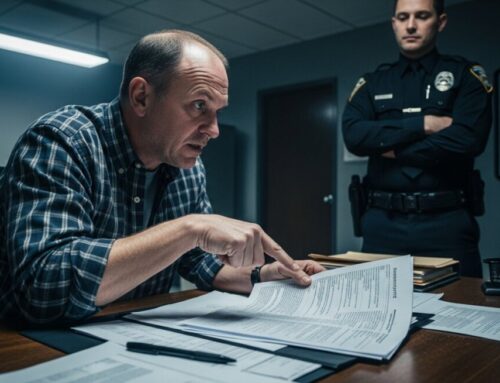
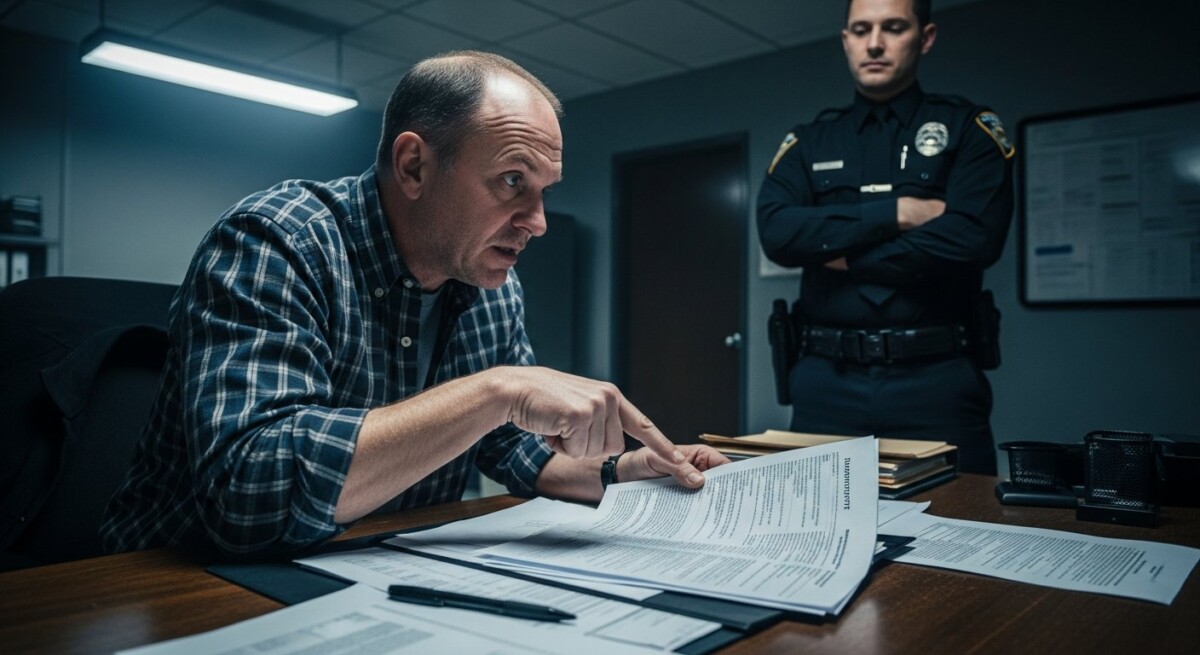
- Contact the responding officer or department. Call or visit the police department and ask to speak with the officer who filed the report. Explain the errors calmly and provide your evidence. Many officers are willing to correct genuine mistakes if approached professionally.
- Submit a formal correction request. If the officer refuses or is unresponsive, file a written request with the department’s records division or internal affairs. Include your name, the report number, a list of errors, and copies of supporting evidence. Keep a copy for your records.
- Follow up. Check back within two weeks to confirm whether the correction was made. If the department does not respond, escalate to a supervisor or file a complaint with the agency’s oversight board.
If the police department refuses to correct the report, all is not lost. You can still submit your own version of events to your insurance company and to the court if litigation arises. Your attorney can file a motion to exclude the report or challenge its accuracy through testimony and evidence. The incorrect report becomes one piece of evidence among many, rather than the definitive account.
For particularly stubborn errors, consider consulting an attorney who handles car accident cases. They understand the local procedures and can apply pressure on your behalf. Our resource on incorrect accident report what happens next provides additional guidance on working with legal professionals.
How Insurance Companies Use Incorrect Reports
Insurance companies are in the business of minimizing payouts. An incorrect accident report that suggests you were at fault is a gift to the adjuster. They will use it to justify a lower settlement or a denial. Even if the report contains obvious errors, the adjuster may refuse to reconsider without strong evidence from your side.
One common tactic is for the adjuster to cite the report’s conclusion as “official” or “sworn” testimony. This is misleading because the report is not sworn testimony; it is an officer’s opinion. However, many claimants accept the adjuster’s characterization and settle for less than they deserve. Do not fall for this. You have the right to dispute the report and demand that the insurance company evaluate all evidence fairly.
When you notify your insurer about the errors, provide them with a copy of your correction request and supporting evidence. Ask them to pause the claims process until the report is corrected or until they have reviewed your counter-evidence. If they refuse, file a complaint with your state’s insurance commissioner. Bad faith insurance practices, where an insurer unreasonably denies or delays a claim, are grounds for legal action.
To understand how to pressure insurers effectively, see our article on incorrect accident report what happens next which covers strategies for dealing with adjusters.
Legal Recourse When Errors Persist
If the incorrect report causes you demonstrable harm, such as a denied claim, increased premiums, or lost income, you may have legal options. You can sue the at-fault driver directly, and the incorrect report becomes a contested piece of evidence. Your attorney can depose the officer, question their methodology, and present expert testimony that contradicts the report.
In rare cases, you may have a claim against the police department if the officer acted negligently or maliciously in preparing the report. However, this is a high legal bar. Police officers have qualified immunity for discretionary actions, meaning you must prove they acted with gross negligence or intentional misconduct. Most accident report errors are honest mistakes, not grounds for a lawsuit against the department.
A more practical approach is to focus on the civil case against the other driver. The report is hearsay if offered for the truth of its contents, but it can still be admitted under the business records exception if the officer testifies. Your attorney can undermine its credibility by highlighting the errors and presenting contradictory evidence. The weight the judge or jury gives the report depends on how convincingly you challenge it.
Frequently Asked Questions
Can I get a police accident report changed after it is filed?
Yes, in most jurisdictions you can request a correction. Contact the police department that filed the report, provide supporting evidence, and follow their formal amendment process. Success is not guaranteed, but it is worth pursuing.
How long do I have to correct an accident report?
Time limits vary by state and department. Some allow corrections within 30 days, others within 90 days. Check with the specific agency as soon as you discover the error.
What if the officer refuses to correct the report?
You can still present your own evidence to your insurance company and in court. An attorney can help you challenge the report’s accuracy through legal motions and testimony.
Does an incorrect accident report automatically mean I will lose my case?
No. The report is influential but not conclusive. Strong counter-evidence, such as dashcam footage, independent witnesses, or expert reconstruction, can overcome a flawed report.
Can I sue the police for an incorrect accident report?
It is difficult but possible if the officer acted with gross negligence or intentional misconduct. Consult with an attorney to evaluate the specific circumstances.
Will my insurance rates go up because of an incorrect report?
They might if the report leads to a finding of fault. If you successfully correct the report or challenge the fault determination, you can avoid the rate increase.
Protecting Your Rights After an Accident
An incorrect accident report is frustrating, but it does not have to derail your recovery. The most important step is to act quickly. Obtain the report, identify the errors, gather evidence, and request a correction from the police department. Simultaneously, notify your insurance company and provide them with your version of events and supporting documentation. If the errors persist, consult an attorney who can advocate for you and ensure the report does not unfairly prejudice your case.
Remember that the report is just one piece of the puzzle. Your own evidence, including photos, videos, witness statements, and expert analysis, carries significant weight. Do not let an officer’s mistake become the reason you accept less than you deserve. By understanding what happens if an accident report is incorrect and taking decisive action, you protect your financial future and hold the system accountable to the truth.