Incorrect Accident Report: Legal Risks and Fixes
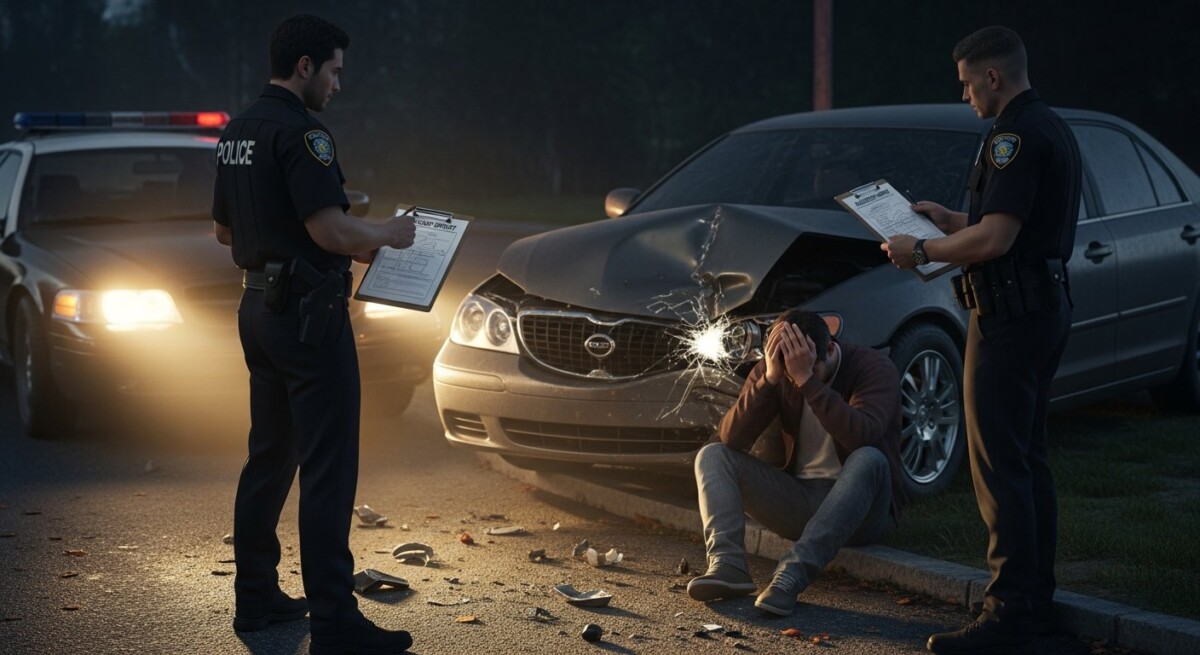
You have just been in a car accident. Your heart is racing, your thoughts are scattered, and a police officer is asking you questions. You provide details as best you can. Days later, you obtain a copy of the official accident report. To your shock, key facts are wrong. The officer misidentified the other driver’s direction of travel. The diagram shows your car in the wrong lane. A witness statement was omitted. Panic sets in. What happens if an accident report is incorrect? The answer can determine whether you receive fair compensation or face a denied insurance claim.
An accident report is not just a piece of paper. It is a foundational document that insurance adjusters, attorneys, and courts rely on to reconstruct events. When errors creep in, the entire claims process can shift against you. Understanding your rights and the steps to correct mistakes is critical. This article walks you through the consequences of an inaccurate report, how to fix it, and when to seek legal help.
Why Accuracy Matters in Accident Reports
Police accident reports carry significant weight in the legal and insurance worlds. They are considered official records created by a trained officer at the scene. Adjusters use them to determine fault. Attorneys use them to build liability arguments. Judges and juries often view them as objective evidence. When a report contains errors, it creates a false narrative that can harm your case.
Consider a common scenario. The report states you were speeding when you rear-ended another vehicle. If that speed estimate came from a witness who misjudged your speed, the report is wrong. However, without correction, the insurance company will likely assign majority fault to you. This could reduce your settlement or even result in a denial of payment. The stakes are high. Even a small mistake, like an incorrect license plate number, can cause administrative delays and complicate your claim.
In our guide on incorrect accident report what happens next, we explain how these documents are used in liability determinations. The sooner you identify and challenge an error, the better your chances of protecting your rights.
Common Types of Errors in Accident Reports
Errors in accident reports fall into several categories. Recognizing them is the first step toward correction. The most frequent mistakes include:
- Factual errors: wrong date, time, location, or weather conditions.
- Driver and vehicle details: misspelled names, incorrect license plate numbers, wrong insurance information.
- Scene description: inaccurate diagrams, misstated road conditions, missing traffic control devices.
- Narrative errors: incorrect sequence of events, omitted witness statements, misattributed statements from drivers.
- Fault determination: the officer may check a box indicating one driver was at fault when evidence suggests otherwise.
Each of these errors can derail a claim. For instance, if the report says you failed to yield but the intersection had a functioning traffic light, the narrative contradicts the facts. An adjuster relying on the report alone may deny your claim without further investigation. You must act quickly to correct the record.
If you suspect an error, compare the report against your own memory, photos, and witness accounts. Do not assume the officer got everything right. Officers handle multiple accidents per shift and can make honest mistakes. Your vigilance is essential.
What Happens If Accident Report Is Incorrect During a Claim
When you file an insurance claim, the adjuster reviews the police report alongside other evidence. If the report contains errors that favor the other driver, the adjuster may use that information to reduce or deny your claim. For example, if the report says you were distracted by your phone, but you were not, the adjuster might argue comparative negligence. Even if you were only 10% at fault, that percentage reduces your payout in many states.
In worst-case scenarios, a completely incorrect report can lead to a claim denial. The insurance company may argue that the report proves you were solely responsible. Without a correction, you face an uphill battle. You may need to provide independent evidence, such as dashcam footage or witness affidavits, to counter the report.
For more details on the specific consequences, read our article on incorrect accident report what happens next. That resource covers how errors affect settlement negotiations and litigation timelines.
How Errors Affect Legal Proceedings
If your case progresses to a lawsuit, the accident report becomes evidence. An attorney for the other side will highlight any inconsistencies between the report and your testimony. They may use the report to impeach your credibility. For instance, if the report says you told the officer you were unhurt, but you later claim injury, the defense will argue exaggeration.
Errors can also delay court proceedings. Your attorney may need to file motions to correct the record or subpoena the officer for testimony. This adds time and expense. In some cases, the judge may exclude the report entirely if it contains prejudicial errors. However, that is rare. More often, the report remains in evidence, and your attorney must work to explain the mistakes to a jury.
An incorrect report can also affect your ability to recover damages for pain and suffering. In states with no-fault insurance, the report’s fault determination can determine whether you meet the threshold to sue. If the report incorrectly places blame on you, you may be barred from seeking non-economic damages.
Steps to Correct an Incorrect Accident Report
You have options to fix an erroneous report. The process varies by state and law enforcement agency, but these general steps apply in most cases.
- Obtain a copy of the report. Request it from the responding police department. Most agencies allow online requests or in-person pickups. Review every field carefully.
- Identify specific errors. Make a list of each mistake. Note what the report says versus what you believe is correct. Gather supporting evidence, such as photos, videos, or witness contact information.
- Contact the officer directly. Call or visit the officer who wrote the report. Explain the errors calmly and provide your evidence. Many officers will file a supplemental report or amend the original if you can prove the mistake.
- File a formal request for amendment. If the officer refuses, contact the police department’s records division. Some agencies have a formal dispute process. You may need to submit a sworn affidavit detailing the corrections.
- Request a supplemental report. Even if the original cannot be changed, a supplemental report can be added to the file. This document explains the errors and provides your version of events. Insurance adjusters and courts will see both reports.
Time is critical. Many states limit how long you have to request corrections. Act within days or weeks of the accident, not months. If you wait too long, the report becomes part of the permanent record and is much harder to change.
For a deeper dive into correction strategies, see our post on incorrect accident report what happens next. That article includes sample language for written requests and tips for dealing with uncooperative officers.
When to Hire an Attorney for Report Errors
Not every error requires a lawyer. A simple typo in your name or address can be fixed with a phone call. However, certain situations demand professional legal help. You should consider hiring an attorney if:
- The error directly affects fault determination and the other driver’s insurance is using it against you.
- The officer refuses to correct a significant factual error despite your evidence.
- You have suffered serious injuries and the report could limit your recovery.
- The report contains statements attributed to you that you never made.
- You are facing a lawsuit or have been cited for a traffic violation based on the report.
An experienced attorney can file a motion with the court to correct the record. They can also depose the officer to challenge the report’s accuracy. In some cases, they may retain an accident reconstruction expert to provide an independent analysis that contradicts the report. This is especially important when the report’s diagram or physics calculations are flawed.
Legal fees are often contingency-based for personal injury cases. You pay nothing upfront. The attorney only gets paid if you recover compensation. This makes legal representation accessible even when you are already stressed about medical bills and lost wages.
Insurance Company Tactics With Incorrect Reports
Insurance adjusters are trained to minimize payouts. An incorrect accident report is a powerful tool for them. They will treat the report as gospel unless you prove otherwise. Some adjusters may even refuse to look at contradictory evidence, citing the report as the official record.
Do not accept a lowball settlement based on a flawed report. If the adjuster denies your claim or offers far less than you deserve, push back. Provide your corrected evidence in writing. Demand that the adjuster review the supplemental report. If they still refuse, escalate to a supervisor or file a complaint with your state’s insurance commissioner.
Bad-faith insurance practices occur when an insurer unreasonably denies a claim or ignores evidence. If the adjuster knowingly relies on a false report to avoid paying, you may have a bad-faith claim. This can lead to additional damages beyond the original policy limits. An attorney can help you pursue this route.
Read more about how insurers handle disputes on our page incorrect accident report what happens next. That resource explains the concept of bad faith and how to document insurer misconduct.
Frequently Asked Questions
Can I sue the police for an incorrect accident report?
Suing a police officer or department is difficult. Officers generally have qualified immunity for discretionary actions like writing reports. Unless the error was malicious or grossly negligent, a lawsuit is unlikely to succeed. Focus on correcting the report rather than suing the officer.
How long do I have to correct an accident report?
It varies by state. Some states allow amendments within 30 days. Others have no formal deadline but recommend acting quickly. Check with the law enforcement agency that prepared the report. Do not delay, as memories fade and evidence disappears.
Will an incorrect report automatically void my insurance claim?
No, but it can significantly damage your claim. The insurance company will consider the report as one piece of evidence. If you provide strong contradictory evidence, such as video footage, your claim may still succeed. However, the process becomes harder and slower.
What if the officer refuses to correct the report?
You can still add a supplemental report to the file. You can also provide your corrected version directly to the insurance adjuster and your attorney. If the case goes to court, your attorney can challenge the report through cross-examination and expert testimony.
Do I need a lawyer for a minor error?
Minor errors like a misspelled name usually do not require a lawyer. You can handle those with a phone call or visit to the police station. However, if the error involves fault, injuries, or significant property damage, consulting an attorney is wise.
Protecting Your Rights After an Error Is Discovered
Discovering an error in your accident report can feel overwhelming. You may worry that the system is stacked against you. However, you have tools and rights to fight back. The most important action is to act without delay. Gather your evidence, document every communication, and keep copies of all paperwork.
If the error is minor, handle it yourself. If it is serious, call a qualified attorney. Many offer free consultations. Use that time to ask about the specific errors in your report and how they might affect your case. At AttorneyLawsuit.com, we help consumers understand their legal options when facing disputes with insurance companies and law enforcement. While we do not provide direct legal representation, our resources empower you to make informed decisions.
Remember that an accident report is not the final word on fault or damages. It is simply a starting point. Your own evidence, witness testimony, and expert analysis can override an incorrect report. Stay proactive, stay organized, and do not let a clerical error cost you the compensation you deserve.