What Happens If an Accident Report Is Incorrect
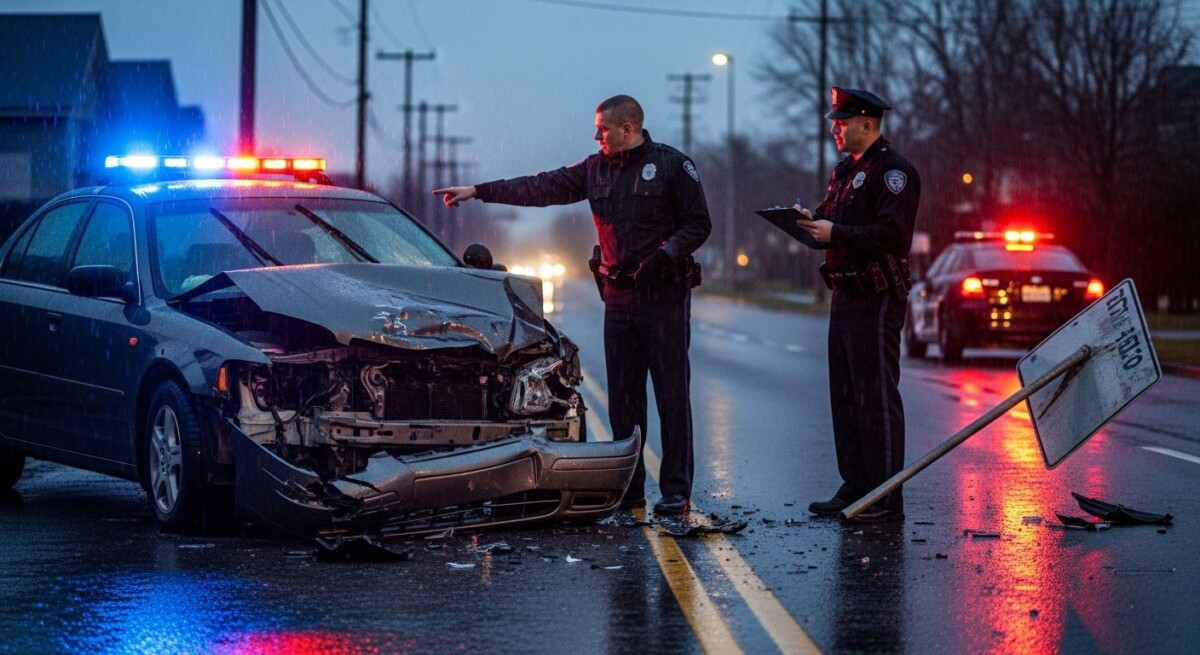
An accident report is often the single most important document after a car crash, a slip and fall, or any incident involving property damage or injury. Police officers, witnesses, and insurance adjusters rely on this report to establish fault, determine liability, and calculate compensation. But what happens if an accident report is incorrect? Even a small error, such as a wrong street name, an inaccurate speed estimate, or a misidentified driver, can derail an insurance claim, delay medical payments, or weaken a lawsuit. Understanding the consequences of an incorrect report and knowing how to fix it can protect your legal rights and your financial recovery.
Why Accuracy Matters in Accident Reports
An accident report serves as an official record of what occurred at the scene. Insurance companies, attorneys, and sometimes judges use it to reconstruct the event. If the report contains factual mistakes, the entire chain of evidence becomes suspect. For example, a report that says you were speeding when you were actually stopped could lead to a denial of your claim or even a finding of comparative negligence that reduces your payout. Accuracy is not just a bureaucratic detail. It is the foundation of your case.
When you discover an error, you might wonder whether it is worth the effort to correct. The answer is almost always yes. Even minor discrepancies can be exploited by the opposing side. An insurance adjuster might argue that if the officer got the location wrong, other facts are also unreliable. In our guide on incorrect accident report what happens next, we explain how seemingly small errors can escalate into major obstacles during settlement negotiations.
Common Types of Errors in Accident Reports
Errors can appear in nearly every field of a standard accident report. Understanding the most frequent mistakes helps you spot them quickly. Here are the categories you should examine carefully:
- Personal information errors: Wrong name, misspelled last name, incorrect driver’s license number, or wrong insurance policy details.
- Vehicle and location errors: Incorrect make or model of your vehicle, wrong license plate number, or the wrong street or intersection listed as the crash site.
- Factual narrative errors: The officer’s description of how the accident happened may conflict with your memory or with witness statements.
- Diagram and measurement errors: Skid marks, point of impact, and vehicle positions drawn inaccurately on the diagram.
- Citation or violation errors: Being cited for a traffic violation you did not commit, such as failure to yield or running a red light.
Each type of error carries different risks. A wrong insurance policy number might cause a delay in claim processing, while a false citation could increase your insurance premiums or lead to points on your driving record. If you spot any of these mistakes, you need to act promptly. For a deeper look at how these errors affect your case, refer to our article on incorrect accident report what happens next.
How an Incorrect Report Affects Insurance Claims
Insurance companies are not in the business of paying claims quickly. They look for reasons to deny, delay, or reduce payouts. An incorrect accident report gives them an easy excuse. For instance, if the report says you were driving in a lane where the accident could not have occurred, the adjuster might argue that you were not paying attention or that your version of events is inconsistent. This can lead to a lower settlement offer or a flat denial.
Even if the error seems minor, the adjuster may use it to question your credibility. The report is considered an objective third-party document. When you challenge it, you are essentially saying the officer made a mistake. That can be an uphill battle. However, you have the right to request a correction. The process varies by jurisdiction, but typically you must contact the law enforcement agency that filed the report and submit a written request for amendment. Providing supporting evidence, such as photographs, witness affidavits, or dashcam footage, strengthens your request.
If the insurance company refuses to accept the corrected report or continues to rely on the original version, you may need legal help. An attorney can send a formal demand letter or, if necessary, file a motion with the court to strike the erroneous portions of the report. The key is to act before the statute of limitations on your claim expires. For more details on navigating this process, see our resource on incorrect accident report what happens next.
Legal Consequences of an Inaccurate Report
Beyond insurance issues, an incorrect accident report can have legal consequences. If the report leads to a traffic citation, you might face fines, mandatory traffic school, or even license suspension. A citation that is based on faulty information can be contested in court, but you must act quickly. In some states, you have only 30 days to contest a citation. If you miss that deadline, the citation becomes final, and the incorrect information becomes part of your permanent driving record.
In civil litigation, the accident report is often entered into evidence. A judge or jury may give it significant weight because it was prepared by a neutral officer. If the report contains errors that favor the other party, it can be extremely damaging. For example, if the report incorrectly states that the other driver had a green light, your entire case for negligence collapses unless you can introduce evidence to contradict the report. That is why it is critical to obtain a copy of the report as soon as it is available and review it line by line.
If you discover an error after litigation has begun, you can file a motion to correct the record. The court has discretion to allow amendments, especially if the error is material and the correction does not prejudice the other side. Your attorney can also depose the officer who wrote the report to clarify mistakes. In extreme cases where the officer acted recklessly or fabricated information, you might have a separate claim for official misconduct or negligence against the law enforcement agency.
Steps to Correct an Inaccurate Accident Report
Fixing an incorrect accident report is not always simple, but it is possible. Follow these steps to maximize your chances of success. First, obtain an official copy of the report from the responding police department or the state’s traffic records division. Review it thoroughly and highlight every error. Second, gather evidence that supports your version of events. This could include photographs of the scene, repair estimates, medical records, and statements from independent witnesses. Third, contact the officer or the records division and request a correction. Be polite and professional. Explain the specific errors and provide your evidence.
If the officer refuses to amend the report, you can escalate to a supervisor or file a formal complaint with the police department’s internal affairs unit. Some states allow you to submit a supplemental statement that is attached to the original report. This does not change the report itself but adds your perspective to the file. Insurance companies and courts can review both documents and decide which is more credible. Finally, consult an attorney if the error is significant or if the insurance company is using the original report against you.
Remember that time is of the essence. Many police departments have a limited window for amending reports, often 30 to 60 days from the date of the accident. After that, the report becomes a permanent record and can only be changed by court order. Do not delay. For a step-by-step walkthrough of the correction process, check our article on incorrect accident report what happens next.
When to Hire an Attorney
Not every error requires a lawyer. If the mistake is a simple typo in your address, you can probably handle it yourself. However, if the error affects liability, damages, or fault, or if the insurance company is using the report to deny your claim, you should seek legal representation. An experienced personal injury attorney knows how to challenge police reports, depose officers, and present alternative evidence to a jury. They can also negotiate with insurance companies on your behalf, taking the pressure off you.
Attorney fees are typically contingency-based, meaning you pay nothing upfront and the lawyer collects a percentage of your settlement or verdict. This makes legal help accessible even if you are already dealing with medical bills and lost wages. If you are unsure whether your case warrants an attorney, most firms offer a free initial consultation. Bring a copy of the accident report and any evidence you have. The attorney can quickly assess the impact of the error and advise you on the best course of action.
Frequently Asked Questions
Can I dispute a police accident report?
Yes, you can dispute a police accident report by contacting the law enforcement agency that prepared it. You must provide evidence to support your correction request. If the agency refuses, you may file a supplemental statement or seek a court order.
How long do I have to correct an accident report?
The window for corrections varies by state and agency, but it is typically 30 to 60 days from the date of the accident. Some jurisdictions allow corrections up to one year if you have compelling evidence. Check with the specific police department for their policy.
Will an incorrect report affect my insurance rates?
Yes, if the report contains a citation or indicates fault, your insurance company may use it to raise your premiums. Correcting the report can help prevent an unjustified rate increase.
What if the officer refuses to change the report?
If the officer refuses, you can request a supervisor review, file a formal complaint, or submit a supplemental statement. In serious cases, an attorney can file a motion in court to have the report corrected or stricken from evidence.
Do I need a lawyer to fix a minor error?
For minor errors like a misspelled name, you can usually handle it yourself. For errors that affect liability or damages, hiring an attorney is strongly recommended to protect your legal rights and financial recovery.
An incorrect accident report is not the end of the road. With prompt action, the right evidence, and professional guidance, you can correct the record and pursue the compensation you deserve. Do not let a preventable mistake cost you thousands of dollars. Review your report carefully, and take action if something looks wrong. Your future financial security may depend on it.