What Happens If a Witness Changes Statement in Lawsuit
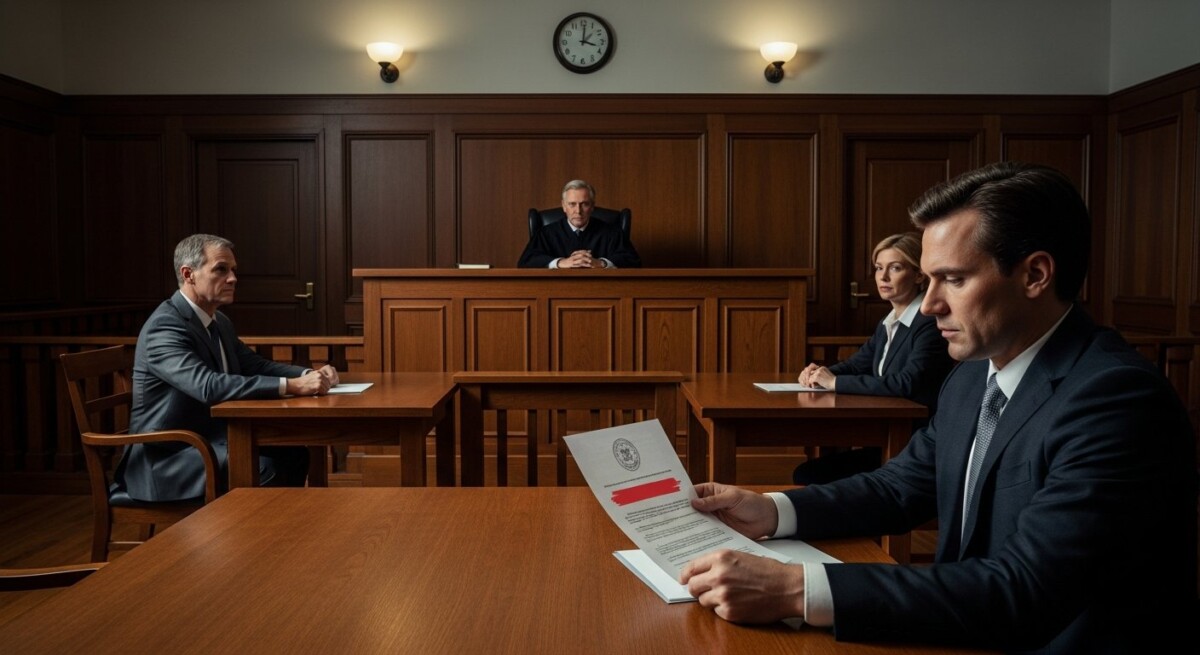
Picture this: a key witness in your lawsuit suddenly alters their account of what happened. Your entire case now rests on shaky ground. This scenario is more common than many realize and can dramatically shift the direction of a legal dispute. Understanding what happens if a witness changes statement in lawsuit is crucial for anyone involved in litigation, whether you are a plaintiff, defendant, or legal professional. The consequences can range from case dismissal to renewed settlement negotiations, but the outcome often depends on why the change occurred and how the court handles it.
In the United States legal system, witness testimony is a cornerstone of fact-finding. When a witness revises their story, it creates a ripple effect that touches everything from attorney strategies to jury perceptions. This article breaks down the legal mechanics, potential pitfalls, and strategic responses to a changed witness statement, giving you a clear roadmap for navigating this complex situation.
Why Witnesses Change Their Statements
Witnesses change their statements for a variety of reasons, and the motivation behind the change often determines how a judge or jury will interpret it. Some changes are innocent, such as a witness realizing they misremembered a detail after reviewing documents or photos. Other changes may be influenced by external pressure, fear of retaliation, or even bribery. In some cases, a witness might change their story to protect someone they care about or to avoid personal liability.
For example, consider a car accident case where a bystander initially tells police that the defendant ran a red light. Later, the bystander learns the defendant is a neighbor or coworker. The bystander might change their statement to say they are unsure about the light color, hoping to help the defendant avoid a finding of fault. Alternatively, a witness in a contract dispute might initially support one party but later revise their account after being offered a financial incentive by the opposing side.
Courts are trained to scrutinize these shifts carefully. The credibility of a witness is one of the most important factors in any trial, and a sudden change can undermine that credibility entirely. Attorneys on both sides will probe the reasons for the change during depositions and cross-examinations, looking for inconsistencies or signs of coercion.
Immediate Legal Consequences
When a witness changes their statement, the first thing that happens is a flurry of legal activity. The attorney who originally relied on that testimony must quickly reassess their case strategy. In many instances, the party that called the witness may move to have the witness declared hostile, which allows the attorney to ask leading questions and challenge the witness’s new account directly.
A changed statement can also lead to motions for summary judgment or even a mistrial. If the change is significant enough to undermine the core facts of the case, the opposing party may argue that there is no longer a genuine dispute of material fact, asking the judge to rule in their favor without a trial. For example, in a personal injury case, if the only eyewitness to the accident changes their story to say the plaintiff was at fault, the plaintiff’s case might collapse entirely.
Additionally, the court may impose sanctions if the change appears to be the result of witness tampering or fraud. Both parties have a duty to preserve evidence and testify truthfully. If a witness admits they were pressured or paid to change their story, the party responsible could face severe penalties, including monetary fines or even criminal charges for obstruction of justice or subornation of perjury.
Impact on Case Strategy
Once a witness changes their statement, attorneys must pivot quickly. The first step is usually to secure a formal, sworn statement from the witness documenting the new version of events. This statement becomes part of the discovery record and can be used to impeach the witness if they later change their story again.
Attorneys also look for corroborating evidence that supports the original statement. For instance, if a witness initially said a driver was speeding, but later claims the driver was going the speed limit, the attorney might look for traffic camera footage, skid marks, or other physical evidence that confirms the original account. If such evidence exists, the changed statement becomes less damaging.
Another strategic response is to depose the witness again, focusing on the reasons for the change. Skilled attorneys use depositions to lock the witness into a consistent narrative and expose any inconsistencies. If the witness cannot provide a plausible explanation for the change, their credibility is severely damaged, and the jury may discount their testimony entirely.
In some cases, the party who originally called the witness may decide to withdraw that witness and rely on other evidence instead. This is particularly common in cases where the witness’s testimony was not essential to the core claim. For example, in a medical malpractice case, a changed statement from a non-expert witness about hospital procedures might be less critical than the testimony of an expert medical witness.
How Courts Evaluate Changed Statements
Judges and juries do not automatically assume that a changed statement is false. Instead, they evaluate the change based on several factors:
- Timing of the change. A change made soon after the original statement, before any pressure was applied, may be seen as a simple correction. A change made on the eve of trial, however, raises red flags.
- Plausibility of the explanation. If the witness offers a credible reason for the change, such as reviewing new evidence or correcting a memory error, the court may accept the revised version. If the reason is vague or suspicious, the original statement is given more weight.
- Consistency with other evidence. If the new statement aligns with physical evidence, documents, or other witness accounts, it is more likely to be believed. If it contradicts everything else, the court may reject it.
- Witness demeanor and credibility. The witness’s behavior on the stand, including their willingness to answer questions directly and their overall demeanor, influences how the change is perceived.
These factors help the court determine whether the change reflects a genuine mistake or an attempt to deceive. In jury trials, the judge may instruct the jury on how to evaluate inconsistent statements, reminding them that they can consider the change when assessing the witness’s credibility.
Possible Outcomes After a Changed Statement
The ultimate outcome of a lawsuit after a witness changes their statement depends on the specific facts. Some common outcomes include:
Settlement. A changed statement often prompts both sides to reassess their risks. If the change weakens one party’s case, that party may be more willing to settle to avoid an unfavorable verdict. Conversely, the party benefiting from the change may push for a better settlement offer. In our guide on defendant refuses to pay settlement: what happens next, we explain how settlement dynamics shift when new facts emerge.
Case dismissal or summary judgment. If the changed statement eliminates a key element of the plaintiff’s claim, the defendant may move for summary judgment. For example, if a witness in a breach of contract case originally testified that a contract existed, but later says no contract was ever signed, the plaintiff may have no case left.
Jury confusion or mistrial. A dramatic mid-trial change can confuse jurors and lead to a mistrial. If the change is so prejudicial that it cannot be cured by jury instructions, the judge may declare a mistrial and order a new trial with a different jury.
Sanctions or criminal referral. If the change is caused by witness tampering, the judge may refer the matter to law enforcement for investigation. The party responsible for the tampering could face criminal charges, and the witness themselves could be charged with perjury if they lied under oath.
Protecting Your Case From a Changed Statement
There are steps you can take to minimize the risk that a witness will change their statement. First, document the witness’s account as early as possible, using signed affidavits, recorded interviews, or written summaries. The more formal the record, the harder it is for the witness to later claim they never said it.
Second, keep witnesses separate from outside influences. If possible, avoid letting witnesses discuss the case with each other or with third parties who might try to pressure them. During trial, standard practice is to sequester witnesses, meaning they are not allowed in the courtroom until they testify.
Third, prepare witnesses thoroughly for depositions and trial. Explain to them the importance of consistency and the consequences of changing their story. A well-prepared witness is less likely to be swayed by external pressures.
Finally, if you are the party relying on a witness who changes their statement, consult with your attorney immediately about your options. Depending on the circumstances, you may need to amend your complaint, seek sanctions against the opposing party, or even rethink your entire case strategy. For more on managing legal disputes and attorney conduct, see our article on attorney advice for handling witness issues.
Frequently Asked Questions
Can a witness change their statement after signing an affidavit?
Yes, a witness can change their statement even after signing an affidavit. However, the original affidavit can be used to impeach the witness’s credibility at trial. The court will consider the reasons for the change and whether the new statement is more reliable than the earlier one.
What is witness tampering, and how is it proven?
Witness tampering occurs when someone attempts to influence a witness to change their testimony or withhold information. It can be proven through direct evidence like recorded conversations, witness testimony, or circumstantial evidence such as sudden changes in a witness’s story after contact with a party. Tampering is a criminal offense in most jurisdictions.
Does a changed statement always hurt the case?
Not always. If the change is minor or actually clarifies a previous error, it may not harm the case. In some situations, a witness may change their statement to correct a mistake, making their testimony more accurate and credible. The key is whether the change is supported by other evidence and appears genuine.
Can I sue a witness for changing their statement?
Generally, witnesses have immunity from civil lawsuits based on their testimony, even if they change their statements. However, if a witness commits perjury (lies under oath), they can be criminally prosecuted. If the change results from a conspiracy to defraud you, you may have a claim for malicious prosecution or abuse of process, but these cases are difficult to win.
What should I do if my witness changes their story before trial?
Contact your attorney immediately. Your lawyer can take a new sworn statement, investigate the reasons for the change, and determine whether the witness can still be used effectively. In some cases, you may need to find new witnesses or rely on other evidence to prove your case.
Final Thoughts on Witness Statement Changes
Witness statement changes are a reality of litigation that can upend even the strongest cases. Understanding what happens if a witness changes statement in lawsuit allows you to prepare for this possibility and respond effectively. Whether you are a plaintiff, defendant, or legal professional, the key is to act quickly, document everything, and work closely with your legal team to mitigate the damage. For more detailed guidance on legal procedures and protecting your rights, explore our resources on legal resources for lawsuit challenges and client rights in legal disputes.