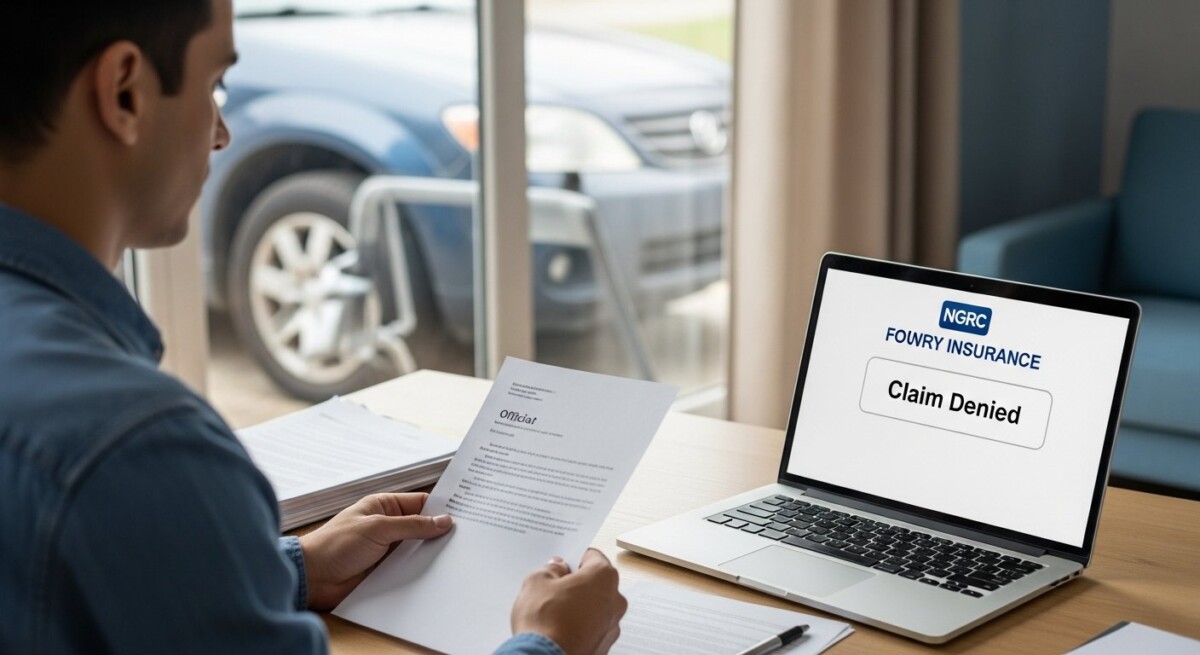
What Happens If a Claim Is Undervalued: Key Risks

Imagine you file an insurance claim after a car accident or property damage, only to receive a settlement check that falls far short of your actual losses. This scenario, known as an undervalued claim, is more common than many realize. It can leave you struggling to pay medical bills, repair costs, or lost wages. Understanding what happens if a claim is undervalued is critical because the consequences extend beyond a lower payout. They can affect your financial stability, your ability to recover fully, and even your legal rights. This article walks through the immediate and long-term effects of an undervalued claim, the steps you can take to challenge it, and how to protect yourself from future underpayment.
When an insurer undervalues your claim, they are essentially refusing to pay the full amount you are owed under your policy. This often happens due to differing interpretations of policy language, inadequate documentation, or bad faith practices by the insurance company. The result is a settlement that may cover only a fraction of your economic and non-economic damages. Without proper action, you might accept an offer that leaves you financially exposed. In our guide on navigating the personal injury claim process online, we explain how to track and document your losses to avoid this pitfall.
The Immediate Consequences of an Undervalued Claim
When your claim is undervalued, the first thing you notice is a settlement offer that feels too low. This might come as a check or a written offer with a deadline to accept. The immediate consequence is financial shortfall. For example, if your medical bills total $15,000 and the insurer offers $8,000, you are left covering the remaining $7,000 out of pocket. This can lead to delayed treatment, credit issues, or even bankruptcy if you cannot pay.
Beyond the financial hit, an undervalued claim can delay your recovery. Without adequate funds, you might skip physical therapy, postpone surgery, or ignore necessary repairs to your home or vehicle. This can worsen your physical condition or property damage, creating a cycle of escalating costs. Additionally, accepting an undervalued offer often means signing a release that waives your right to pursue further compensation. Once you sign, you cannot reopen the claim even if you discover additional damages later.
Common Reasons Insurers Undervalue Claims
Insurance companies use several tactics to reduce payouts. Recognizing these can help you identify an undervalued claim early. The most common reasons include:
- Disputing liability: The insurer may argue that you were partially at fault, reducing their obligation under comparative negligence rules.
- Minimizing medical expenses: They might claim that certain treatments were unnecessary or that your injuries are pre-existing conditions.
- Using low estimates: For property damage, adjusters may provide repair estimates based on cheaper materials or labor than what is actually required.
- Ignoring non-economic damages: Pain and suffering, emotional distress, and loss of enjoyment of life are often undervalued or omitted entirely.
These practices are not always illegal, but they can cross into bad faith if the insurer intentionally misrepresents policy terms or fails to conduct a reasonable investigation. If you suspect bad faith, you may have grounds for a separate legal action. The key is to document every communication and estimate you receive from the insurer.
Legal Implications of an Undervalued Claim
If you accept an undervalued claim, you generally waive your right to sue for additional compensation. This is why it is crucial to evaluate any offer carefully before signing. However, if you reject the offer, you can pursue legal remedies. Depending on your policy and state laws, you may file a lawsuit for breach of contract or bad faith. In breach of contract cases, you must prove that the insurer failed to pay what the policy requires. In bad faith cases, you must show that the insurer acted unreasonably or with reckless disregard for your rights.
Legal action can be complex and time-consuming, but it may be necessary if the undervaluation is significant. You might also consider arbitration or mediation as alternative dispute resolution methods. Many insurance policies include mandatory arbitration clauses, which can speed up the process but limit your ability to appeal. Before taking any step, consult with an attorney who specializes in insurance disputes. They can help you assess the strength of your case and the potential recovery. For more on this topic, read our article on what happens if insurance delays your claim, which covers similar bad faith tactics.
How to Challenge an Undervalued Claim
Challenging an undervalued claim requires a systematic approach. Start by reviewing your insurance policy to understand your coverage limits and exclusions. Then, gather all documentation related to your loss, including medical records, repair estimates, receipts, and correspondence with the insurer. Create a detailed timeline of events and communications. This evidence will form the backbone of your dispute.
Next, write a formal demand letter to the insurance company. This letter should clearly state why you believe the claim is undervalued, referencing specific policy provisions and supporting documents. Include a calculation of your actual damages, broken down by category (medical, property, lost wages, pain and suffering). Request that the insurer reconsider the offer and provide a written explanation if they refuse. Send the letter via certified mail so you have proof of receipt.
If the insurer still refuses to adjust the claim, you may need to hire a public adjuster or an attorney. Public adjusters work on your behalf to negotiate with the insurance company, typically taking a percentage of the final settlement. Attorneys can file a lawsuit if necessary. However, legal fees can be substantial, so weigh the potential recovery against the cost of litigation. In many cases, the mere involvement of a lawyer prompts the insurer to offer a fairer settlement.
Protecting Yourself from Future Undervaluation
Prevention is the best defense against an undervalued claim. Start by choosing an insurance policy with clear, comprehensive coverage. Avoid policies with ambiguous language or low limits. When filing a claim, document everything from the moment the loss occurs. Take photos and videos, keep receipts, and obtain written estimates from multiple contractors or repair shops. Do not rely on the adjuster’s estimate alone.
Another protective measure is to keep a claims journal. Record every phone call, including the date, time, and name of the representative you spoke with. Note what was discussed and any promises made. This record can be invaluable if the insurer later disputes your account. Additionally, consider purchasing umbrella insurance or gap coverage to fill holes in your primary policy. These extra layers of protection can absorb costs that the primary insurer tries to undervalue.
Finally, review your policy annually and update it as your circumstances change. If you renovate your home, buy a new car, or start a business, your insurance needs may shift. An outdated policy is more likely to leave you underinsured when a claim arises. For a step-by-step guide on filing a claim correctly from the start, see how to file a personal injury claim after an accident.
When to Seek Professional Help
While you can handle some undervalued claims on your own, certain situations warrant professional intervention. If the claim involves significant money (e.g., tens of thousands of dollars), complex policy language, or an uncooperative insurer, an attorney or public adjuster can level the playing field. They understand the tactics insurers use and can negotiate more effectively than most individuals. Additionally, if you suspect bad faith, an attorney can help you pursue punitive damages, which are sometimes available in egregious cases.
Professional help is also advisable if the claim involves multiple parties, such as in a car accident with several drivers or a commercial property loss. In these scenarios, liability can be disputed, and insurers may try to shift blame to reduce their payout. An experienced professional can untangle these issues and ensure you receive fair compensation. Remember, most attorneys offer free initial consultations, so you can discuss your case without upfront cost.
Frequently Asked Questions
What does it mean if a claim is undervalued?
An undervalued claim occurs when an insurance company offers a settlement that is less than the actual amount you are entitled to under your policy. This can happen due to miscalculations, disputed liability, or intentional underpayment tactics by the insurer.
Can I refuse an undervalued settlement offer?
Yes, you can refuse any settlement offer. If you reject it, you can negotiate for a higher amount or pursue legal action. However, be aware that rejecting an offer may trigger deadlines or other policy requirements, so act promptly.
How long do I have to challenge an undervalued claim?
The time limit varies by state and policy. Most insurance policies require you to file a lawsuit within one to three years from the date of loss. Check your policy for a specific time limit, and consult an attorney if you are unsure.
Will challenging an undervalued claim increase my premiums?
Filing a dispute or lawsuit generally does not affect your premiums directly. However, if you file a formal complaint with your state insurance department, the insurer may note it. In practice, premium increases are more often tied to claim frequency than to disputes over claim value.
What is bad faith insurance, and how does it relate to undervalued claims?
Bad faith insurance occurs when an insurer unreasonably denies or underpays a claim without a valid basis. If your claim is undervalued due to bad faith, you may be able to sue for additional damages beyond the policy limits, including emotional distress and attorney fees.
For a deeper understanding of the entire claims process, including how to structure your case from start to finish, refer to how to file a personal injury claim: a clear step-by-step process.
An undervalued claim can feel like a betrayal, especially when you have faithfully paid your premiums. But you are not without recourse. By understanding the tactics insurers use, documenting your losses thoroughly, and knowing when to seek professional help, you can fight for the compensation you deserve. Do not let a lowball offer derail your recovery. Take action early, and remember that the law is on your side when insurers act unfairly.