
Understanding the Mass Tort Lawsuit Timeline: A Realistic Roadmap
Get a clear roadmap of the multi-year mass tort lawsuit timeline. For a personalized case review, call our legal team at (833) 227-7919.

By Virelle Dawson
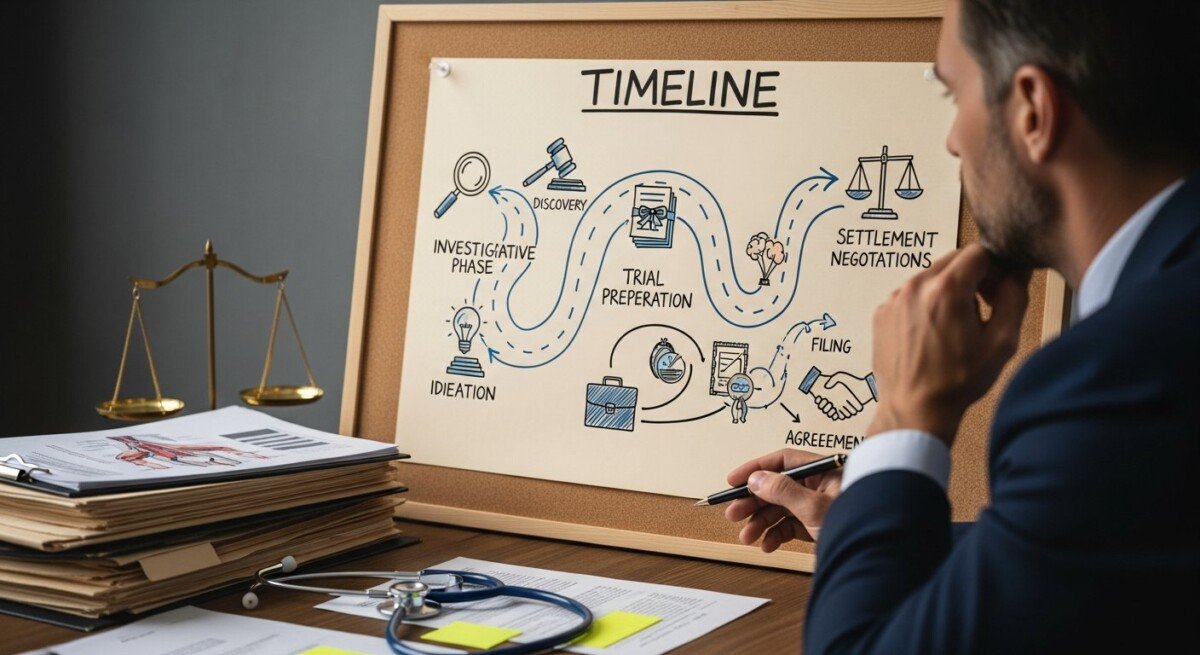
When a dangerous drug, defective medical device, or toxic environmental exposure injures thousands, the legal response is often a mass tort. For individuals caught in these large-scale cases, the process can feel opaque and endless. Unlike a single car accident claim, a mass tort lawsuit timeline is a complex, multi-year journey with distinct phases, each governed by strategic legal decisions and procedural rules. Understanding this roadmap is not about setting a simple countdown clock, it is about managing expectations and recognizing the critical milestones that signal progress toward potential compensation and justice. This guide demystifies the stages, from the initial investigation to the final distribution of settlement funds, providing clarity on what plaintiffs can realistically expect.
The Foundation: Investigation and Case Development
Before any lawsuit is officially filed, a significant amount of groundwork occurs. This pre-filing phase is arguably the most critical, as it determines the strength and viability of the entire mass tort. Plaintiff law firms invest substantial resources into investigating the product or action causing harm. They consult scientific and medical experts to establish causation, linking the defendant’s conduct directly to the plaintiffs’ injuries. Attorneys also begin identifying and vetting potential clients, gathering medical records, and documenting damages. This stage can last several months to over a year. Its length depends on the complexity of the science, the number of plaintiffs coming forward, and the defendant’s public actions, such as a Food and Drug Administration recall. Rushing this phase can jeopardize the entire litigation, so thorough preparation is paramount.
Filing the Initial Lawsuits and Centralization
The formal legal process begins when the first individual lawsuits are filed in various federal district courts across the country. If the cases involve common questions of fact and are filed in different federal courts, the next pivotal step is a motion to consolidate. The Judicial Panel on Multidistrict Litigation (JPML) will hear arguments on whether to centralize the pretrial proceedings. If granted, the cases are transferred to one federal judge in a single district for coordinated discovery and pretrial rulings. This creates an MDL, or Multidistrict Litigation. It is crucial to understand that an MDL is not a class action, individual cases remain separate for key purposes like settlement. This centralization avoids contradictory rulings and streamlines the process. The decision on centralization is a major milestone that shapes the entire mass tort lawsuit timeline.
The Core of the Litigation: Discovery and Bellwether Trials
Once centralized, the litigation enters the intensive discovery phase. Both sides exchange millions of pages of documents, including internal company memos, clinical trial data, and email communications. Depositions of corporate representatives, scientists, and treating physicians are taken. This fact-finding mission can last two to four years or more. Running parallel to discovery is the selection and preparation of bellwether trials. The court and attorneys select a small group of representative cases to go to trial first. These trials are not meant to resolve every claim, they are test cases. Their outcomes provide a realistic gauge of how juries might react to the evidence and what value similar cases might have. The results of bellwether trials are the single most influential factor in pushing parties toward a global settlement. A pattern of plaintiff verdicts typically motivates the defendant to settle the wider litigation, while defense verdicts may weaken the plaintiffs’ leverage. For a deeper look at the legal strategies during this phase, our resource on mass tort legal representation explains the critical role of experienced counsel.
Settlement Negotiations and Claim Resolution
Successful bellwether trials often trigger serious settlement negotiations. The parties, sometimes with the help of a court-appointed mediator, work to establish a settlement fund and a distribution framework. This is not a one-size-fits-all process. Settlements in mass torts are often structured through complex programs where a special master or claims administrator evaluates each individual claim based on established criteria, such as the severity of injury, age of the plaintiff, and specific medical diagnoses. This evaluation determines the settlement tier and payout amount for each claimant. It is during this phase that individual plaintiffs must actively participate by submitting detailed claim forms and supporting documentation. Understanding the requirements for this submission is vital, as outlined in our step-by-step guide to the mass tort claim filing process.
Distribution of Funds and Case Closure
After a settlement is reached and the claim submission deadline passes, the administration process begins. Each claim is reviewed, sometimes with a right to appeal the initial valuation. Legal fees and expenses, which are typically contingency-based and agreed upon in the client’s initial contract, are deducted from the gross award. The remaining net settlement is then distributed to the plaintiff. This administrative phase can take an additional six months to two years after the settlement announcement, depending on the number of claims. Finally, upon receipt of payment, the plaintiff’s case is formally dismissed, and the legal matter is closed.
Frequently Asked Questions
How long does a typical mass tort lawsuit take from start to finish?
There is no typical timeline, but most mass torts take between three and seven years, sometimes longer. Factors include the complexity of the science, the number of plaintiffs, the defendant’s litigation strategy, and court schedules.
If my case is in an MDL, do I lose control over it?
No. Your case remains an individual lawsuit. You retain the right to make key decisions, such as accepting or rejecting a settlement offer. Your attorney will guide you through these choices, a process that begins with a thorough mass tort case consultation.
What happens if the bellwether trials are lost?
Losses in bellwether trials do not automatically mean your case is worthless. It may reduce the overall settlement value, or your attorney may argue your specific facts are stronger. It may also lead to your case being remanded to its original court for an individual trial.
Can I switch lawyers during a mass tort?
It is possible but can be complicated due to the work already invested and contractual agreements. It is far better to carefully select a firm with proven mass tort experience at the outset. For help with this, consider reading about finding a qualified mass tort lawyer.
Will I have to go to court or testify?
The vast majority of mass tort plaintiffs never testify in court. Only the select few chosen as bellwether plaintiffs go through a full trial. You may, however, need to provide a deposition or testify if your individual case goes to trial, which is rare after a global settlement.
Navigating a mass tort requires patience and a clear understanding of the procedural landscape. While the timeline is long, each phase serves a strategic purpose in building leverage and achieving a fair resolution for a large group of injured people. By aligning with skilled legal counsel and maintaining realistic expectations, plaintiffs can effectively navigate this complex process toward its ultimate goal: accountability and compensation.