Understanding a Personal Injury Jury Trial: Key Stages Explained
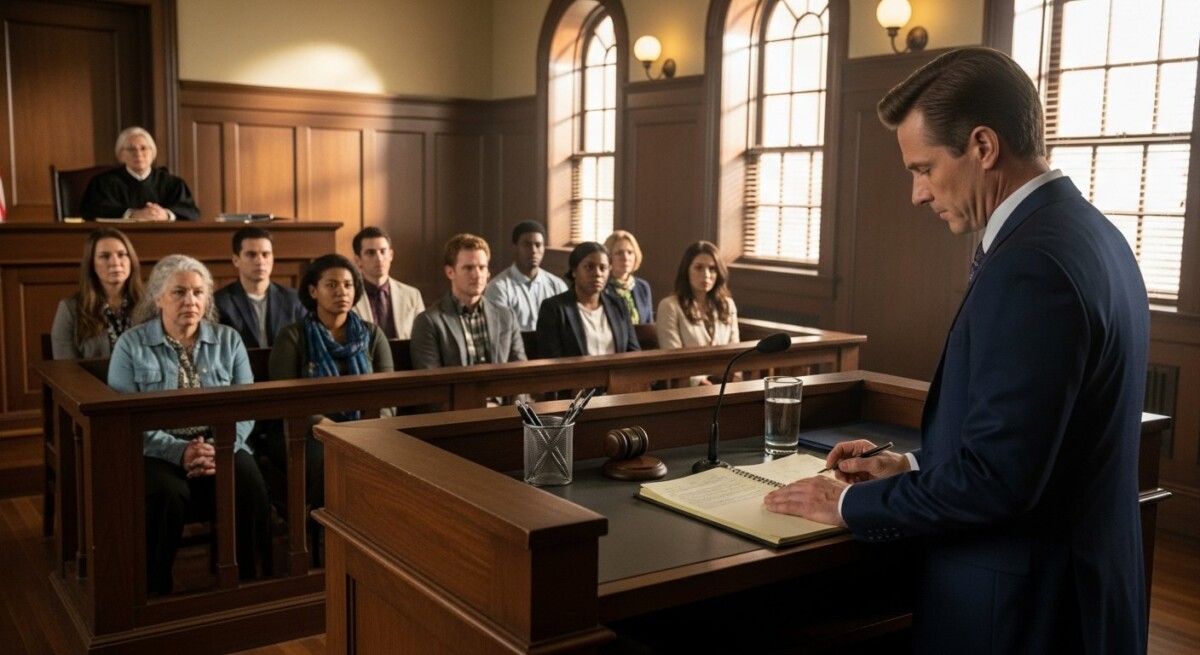
If your personal injury case is headed to a jury trial, you are entering a formal, structured process where a group of strangers will decide the outcome of your claim. This can be an intimidating prospect. While most injury cases settle out of court, understanding the basics of a personal injury lawsuit jury trial is crucial for any plaintiff. This process is not a single event but a series of deliberate stages, each governed by specific rules and strategies. Knowing what to expect can demystify the experience and help you work more effectively with your legal team to present the strongest possible case for the compensation you deserve.
The Path to Trial: From Filing to Jury Selection
A trial does not begin abruptly. It is the culmination of a lengthy pre-trial phase that includes investigation, filing the complaint, discovery, and often settlement negotiations. Discovery is the evidence-gathering stage where both sides exchange information through depositions, document requests, and interrogatories. This phase is critical for building your case and understanding the defense’s arguments. Many cases resolve during this period, but if a fair settlement cannot be reached, the court will set a trial date. For a detailed look at the initial steps of a claim, our resource on starting your personal injury claim outlines the foundational process.
Once a trial date is set, the first official step in the trial itself is jury selection, known as voir dire. During this process, the judge, and sometimes the attorneys, question potential jurors from a pool of citizens. The goal is to select an impartial jury. Attorneys can challenge potential jurors for cause (e.g., demonstrated bias) or use a limited number of peremptory challenges to dismiss jurors without stating a reason. Selecting a fair and receptive jury is a strategic art, as these individuals will ultimately weigh the facts and determine liability and damages.
The Trial Structure: Opening Statements to Closing Arguments
The core of the trial follows a predictable sequence designed to present information clearly and fairly. Each phase serves a distinct purpose in the narrative of the case.
Opening Statements
The plaintiff’s attorney speaks first, followed by the defense. In opening statements, each side outlines what they intend to prove. This is not the time for argument, but rather a roadmap for the jury. A compelling opening statement frames the story of the injury, introduces key facts, and tells the jury why the plaintiff should prevail. It sets the stage for all the evidence to come.
Presentation of Evidence: The Plaintiff’s Case
The plaintiff bears the burden of proof, so they present their case first. This involves calling witnesses and introducing exhibits to prove the defendant’s negligence and the resulting damages. Witnesses can include the plaintiff, eyewitnesses, medical professionals, accident reconstruction experts, and economists. Exhibits include medical records, bills, photographs of injuries or the accident scene, and damaged property. Each witness is questioned by the plaintiff’s attorney (direct examination) and then cross-examined by the defense attorney. The defense may then present its own witnesses, and the plaintiff can cross-examine them. A strong presentation requires meticulous preparation, as discussed in our strategic guide to fighting your personal injury case.
Closing Arguments
After all evidence is presented, both sides deliver closing arguments. Unlike opening statements, this is the time for persuasive argument. Attorneys summarize the evidence, explain how it supports their client’s position, and point out weaknesses in the opponent’s case. The plaintiff goes first, then the defense, and the plaintiff usually has a chance for a brief rebuttal. A powerful closing argument connects the evidence directly to the legal standards the jury must apply.
The Jury’s Role: Instructions, Deliberation, and Verdict
Before the jury begins deliberations, the judge provides them with jury instructions. These are precise legal guidelines that explain the relevant laws, define concepts like negligence and proximate cause, and outline how to evaluate damages. The jury must apply the facts, as they found them from the evidence, to these legal instructions.
The jury then retires to a private room to deliberate. They elect a foreperson to facilitate discussion. Deliberation can take hours or days. The jury’s tasks are typically twofold, and they may be asked to deliver a special verdict answering specific questions:
- Liability: Was the defendant negligent, and was that negligence a proximate cause of the plaintiff’s injuries?
- Damages: If yes, what amount of money fairly compensates the plaintiff for their losses?
The jury must reach a unanimous decision in most civil trials, though some states allow for a supermajority. Once they agree, they return to the courtroom, and the verdict is read aloud. The verdict can be for the plaintiff (often with a specific monetary award) or for the defendant. Understanding the factors that influence this decision can be helpful, as explored in our article on the chances of winning a personal injury lawsuit.
Key Trial Concepts for Plaintiffs to Understand
Beyond the stages, several fundamental concepts underpin every jury trial. Grasping these will help you understand your attorney’s strategy and the jury’s perspective.
Burden of Proof: In a civil personal injury case, the plaintiff’s burden of proof is “by a preponderance of the evidence.” This means it is more likely than not (greater than 50%) that the defendant’s negligence caused the injury. This is a lower standard than “beyond a reasonable doubt” used in criminal cases.
Admissibility of Evidence: Not all information can be presented to the jury. Judges follow rules of evidence to ensure fairness. Hearsay (out-of-court statements offered for their truth) is generally inadmissible, as is evidence of a defendant’s character if used to prove they acted a certain way on a specific occasion. Attorneys often argue motions to exclude or include evidence before and during trial.
Damages: The compensation a plaintiff seeks falls into distinct categories that the jury considers separately:
- Economic Damages: Quantifiable financial losses like medical expenses (past and future), lost wages, loss of earning capacity, and property repair costs.
- Non-Economic Damages: Subjective, non-monetary losses like pain and suffering, emotional distress, loss of enjoyment of life, and loss of consortium.
- Punitive Damages: Rare awards intended to punish a defendant for egregious, malicious, or fraudulent conduct and to deter similar behavior in the future. These are not available in all cases.
Effectively presenting and proving these damages is a core component of trial advocacy and case preparation from the very beginning, a process detailed in our step-by-step guide to handling personal injury claims.
Frequently Asked Questions
How long does a personal injury jury trial last?
Trial length varies widely. A simple case may take 2-3 days, while a complex one involving multiple experts and severe injuries can last several weeks. Your attorney can give you a realistic estimate based on your specific case.
Do I have to testify at my own trial?
Almost certainly, yes. As the plaintiff, you are typically the most important witness to describe the accident, your injuries, and their impact on your life. Your attorney will prepare you extensively for testimony, including practice for cross-examination.
What happens if the jury finds me partially at fault?
Most states use comparative negligence rules. If the jury finds you share some fault (e.g., 20%), your total damage award will be reduced by that percentage. In some states, if you are found 50% or 51% or more at fault (depending on the state), you may be barred from recovering anything.
Can a judge overturn a jury’s verdict?
Yes, in limited circumstances. A judge may grant a motion for judgment notwithstanding the verdict (JNOV) if they believe no reasonable jury could have reached that verdict based on the evidence. Judges can also reduce a jury’s damage award if they deem it excessive (remittitur) or increase it if it is too low (additur), though the latter is less common.
What are the chances my case actually goes to trial?
Statistically low, likely between 2% and 5% of filed personal injury cases. The vast majority settle during discovery or through mediation. However, being fully prepared for trial is often what drives a favorable settlement.
While the courtroom process is formal, its purpose is to provide a fair forum for resolving disputes. A skilled personal injury attorney guides you through each phase, from jury selection to verdict, ensuring your story is heard and your rights are protected. The journey is demanding, but with proper preparation and a clear understanding of personal injury lawsuit jury trial basics, you can navigate it with greater confidence.