
Navigating The Personal Injury Lawsuit Process Step by Step
Learn the key stages of a personal injury claim, from initial investigation to trial. This guide helps you understand the process, manage expectations, and work effectively with your attorney to seek fair compensation.

By Zachary Evans
Suffering an injury due to someone else’s negligence can be a life-altering event. When medical bills mount, wages are lost, and pain persists, navigating the legal system can feel like an insurmountable challenge. Understanding the structured steps in a personal injury lawsuit demystifies the process, transforming it from a source of anxiety into a clear, manageable path toward securing the compensation you deserve. This journey, from the initial incident to a final resolution, follows a predictable legal roadmap designed to uncover the truth and assign financial responsibility.
The Foundational Phase: Investigation and Initial Demand
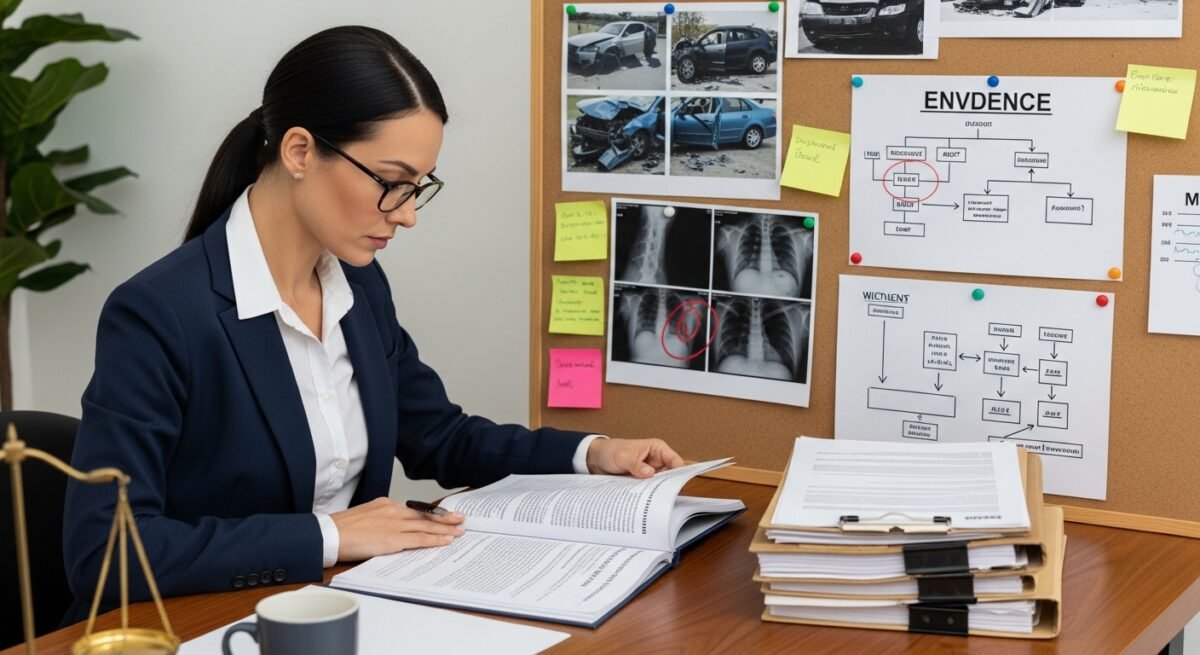
Before any formal court documents are filed, a significant amount of work occurs behind the scenes. This pre-litigation phase is critical for building a strong case and often resolves the matter without ever stepping into a courtroom. It begins with a comprehensive investigation. Your attorney will gather all pertinent evidence, which may include police reports, photographs of the accident scene and your injuries, witness statements, and surveillance footage. Concurrently, they will obtain and meticulously review all your medical records to establish a direct link between the accident and your injuries, a concept known as causation.
During this time, you will focus on your recovery and following your doctor’s treatment plan. It is essential to complete your recommended medical treatment to fully understand the long-term impact of your injuries. Once you have reached maximum medical improvement, your attorney can calculate the full value of your claim. This includes not just past and future medical expenses, but also lost wages, loss of future earning capacity, property damage, and intangible losses like pain and suffering and emotional distress. With this valuation complete, a formal demand package is sent to the at-fault party’s insurance company, outlining the facts of the case, the legal basis for liability, and the specific monetary demand for settlement.
Commencing Formal Litigation: Filing the Complaint
If the insurance company rejects the demand or makes a settlement offer that is insufficient, the next step is to initiate a formal lawsuit. This begins with drafting and filing a Complaint with the appropriate civil court. The Complaint is a legal document that sets forth your allegations against the defendant, the legal theories of negligence or other wrongdoing, and the damages you are seeking. It officially names the parties involved and tells your story to the court. Once filed, the court issues a summons, which, along with a copy of the Complaint, must be formally delivered to the defendant in a process known as service of process. This gives the defendant official notice of the lawsuit and starts the clock on their deadline to respond.
The defendant, typically through their insurance-provided attorney, must file an Answer within a specified timeframe, usually 20 to 30 days depending on the jurisdiction. In the Answer, the defendant will admit or deny each allegation in the Complaint. They will also likely assert various affirmative defenses, which are legal reasons why they should not be held liable, even if the facts are true. Common defenses include comparative negligence, where they argue you were partially at fault for the accident, or assumption of risk. This back-and-forth of pleadings defines the initial scope and issues of the lawsuit.
The Discovery Process: Exchanging Information
Discovery is the longest and most intensive phase of a personal injury lawsuit. It is the formal, court-sanctioned process where both sides investigate the other’s claims and defenses. The goal is to eliminate surprises at trial and encourage settlement by revealing the strengths and weaknesses of each side’s case. Discovery involves several key tools. Interrogatories are written questions that must be answered under oath. Requests for Production demand the other side provide specific documents, such as medical records, employment files, or repair estimates. Depositions are sworn, out-of-court oral testimonies where attorneys question parties and key witnesses, with a court reporter transcribing every word.
This phase requires significant time and resources from both legal teams. For you as the plaintiff, it means being prepared to answer detailed questions about the accident, your injuries, your medical history, and the impact on your life. The discovery process can last several months to over a year. As evidence is exchanged, both sides continuously evaluate their position. This deep dive into the facts often leads to settlement discussions, as the risks and costs of going to trial become clearer. For a detailed look at how long each stage can take, our guide on the personal injury lawsuit timeline breaks down the typical duration.
Pre-Trial Motions and Settlement Negotiations
As discovery concludes, the case moves toward its final pre-trial stages. Attorneys may file various pre-trial motions with the judge to resolve specific issues. A common and critical motion is a Motion for Summary Judgment. Here, a party argues that there are no genuine disputes about the key facts of the case, and based on the law, they are entitled to win without a trial. For example, a defendant might file such a motion if they believe the plaintiff has failed to provide any evidence of a crucial element, like duty or causation. If the motion is granted, the case could end entirely or be narrowed significantly.
Simultaneously, settlement negotiations often intensify. Most civil cases, including personal injury lawsuits, are resolved through settlement before a verdict is reached. Courts frequently require parties to attend a settlement conference or mediation before a trial date is set. Mediation involves a neutral third-party mediator who facilitates discussions between the parties to help them reach a mutually agreeable resolution. It is a confidential process where both sides can openly discuss their viewpoints and the mediator works to find common ground. Settling at this stage provides finality, saves the considerable expense of a trial, and gives you control over the outcome, as opposed to leaving the decision in the hands of a judge or jury.
The Role of Alternative Dispute Resolution
Mediation and arbitration are forms of alternative dispute resolution (ADR) that are increasingly common. While mediation is non-binding and facilitative, arbitration is more like a private trial where an arbitrator hears evidence and makes a binding decision. Many contracts and insurance policies include arbitration clauses. The success of ADR often hinges on the preparedness of both sides and the skill of the mediator or arbitrator. For a deeper understanding of this critical juncture, our resource on personal injury lawsuit mediation explains what to expect and how to prepare.
The Trial and Post-Trial Process
If all settlement efforts fail, the case proceeds to trial. A personal injury trial can be before a judge alone (bench trial) or, more commonly, before a jury. The process is highly structured. It begins with jury selection, where attorneys question potential jurors to identify bias. Next, both sides present opening statements, outlining what they intend to prove. The plaintiff’s attorney then presents their case-in-chief, calling witnesses and introducing evidence. The defense follows with their own witnesses and evidence. After all evidence is presented, each side gives closing arguments, summarizing the case and persuading the jury to rule in their favor.
The judge then provides the jury with legal instructions, and the jury deliberates in private to reach a verdict. The verdict must be unanimous in most civil cases. If the jury finds for the plaintiff, they will also determine the amount of damages. The judge then enters a judgment based on the verdict. However, the case may not end there. The losing party can file post-trial motions, such as a motion for a new trial or a motion to alter or amend the judgment. They may also appeal the verdict to a higher court, arguing that legal errors occurred during the trial that affected the outcome. Appeals are based on the trial record and legal briefs, not new evidence, and can add years to the process.
Frequently Asked Questions
How long do I have to file a personal injury lawsuit?
Every state has a law called a statute of limitations that sets a strict deadline for filing a lawsuit. This period typically ranges from one to three years from the date of the injury, but it can vary based on the type of case and the state. Missing this deadline almost always results in your case being permanently barred.
What if I am partially at fault for the accident?
Many states follow comparative negligence rules. This means your compensation can be reduced by your percentage of fault. For example, if you are found 20% at fault and your damages are $100,000, you would recover $80,000. In some states, if you are 50% or 51% at fault (depending on the state), you recover nothing.
Do most personal injury cases go to trial?
No. The vast majority of personal injury cases are settled during the pre-trial or discovery phases. Trials are time-consuming, expensive, and unpredictable. Settlements offer both parties certainty and finality without the risk of an adverse verdict.
What costs are involved in hiring a personal injury lawyer?
Most personal injury attorneys work on a contingency fee basis. This means you pay no upfront legal fees. The attorney’s fee is a percentage (typically 33% to 40%) of the settlement or court award you receive. If you lose the case, you owe no attorney’s fees, but you may still be responsible for certain court costs.
Understanding the steps in a personal injury lawsuit empowers you to make informed decisions during a difficult time. While the process is complex, its structure is designed to methodically seek justice. From the initial investigation and demand letter through discovery, pre-trial motions, and potentially trial, each phase builds upon the last to present a compelling case for your recovery. Having knowledgeable legal counsel by your side is invaluable for navigating this process, protecting your rights, and fighting for the full compensation you need to move forward with your life. For foundational knowledge on starting this journey, learn more about the basics of a personal injury lawsuit and your rights.