Personal Injury Lawsuit Opening Statements: Key Strategies
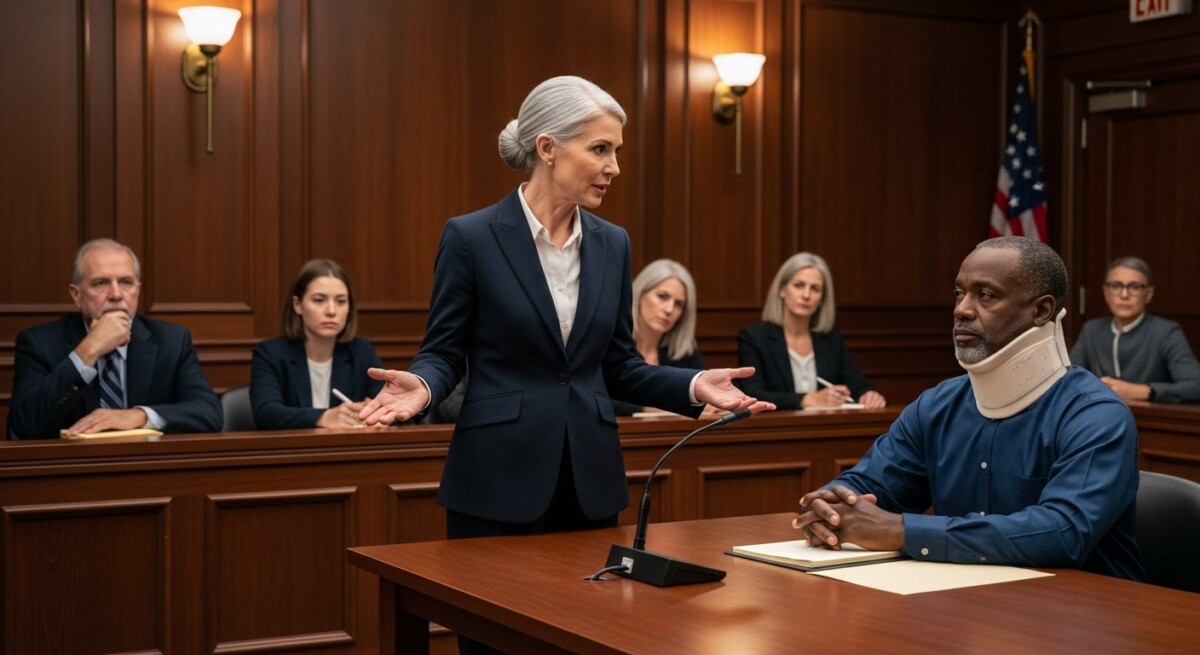
When you step into a courtroom for a personal injury trial, the opening statement is your first and best chance to tell your story. It sets the stage for everything that follows. For plaintiffs and their attorneys, this is not merely a procedural formality. It is a strategic opportunity to frame the evidence, humanize the victim, and create a narrative that resonates with the jury. A well-crafted opening statement can make the difference between a favorable verdict and a disappointing outcome. In this article, we will break down the essential components of personal injury lawsuit opening statements, offer practical tips, and explain how to avoid common pitfalls.
The Purpose of an Opening Statement in a Personal Injury Case
An opening statement is not an argument. It is a roadmap. The attorney presents an overview of what the evidence will show, without drawing conclusions or asking for a specific verdict. The goal is to help the jury understand the case from the plaintiff’s perspective. In a personal injury lawsuit, the opening statement should accomplish three things: establish credibility, explain the theory of liability, and preview the damages.
Unlike closing arguments, which allow for emotional persuasion, opening statements rely on facts and reasonable inferences. The judge will instruct the jury that what the lawyers say is not evidence. However, the jury will remember the story they hear first. Therefore, the opening statement must be clear, concise, and compelling. It should answer the basic questions: who, what, when, where, why, and how the injury occurred.
Structuring Your Opening Statement for Maximum Impact
Every effective opening statement follows a logical structure. Begin with a strong introduction that grabs attention. For example, you might describe the moment of the accident in vivid, factual detail. Then, introduce the parties and explain their roles. Next, walk through the sequence of events that led to the injury. After that, outline the medical treatment and the lasting effects on the plaintiff’s life. Finally, preview the evidence that will prove negligence and damages.
One common framework is the “three-act” structure: setup, conflict, and resolution. In the setup, you describe the normal life of the plaintiff before the accident. In the conflict, you explain how the defendant’s negligence disrupted that life. In the resolution, you describe how a verdict can restore a sense of justice. This narrative approach helps jurors connect emotionally while staying grounded in facts.
Key Elements to Include
To build a persuasive opening statement, include these components:
- The Hook: A powerful first sentence that captures the theme of the case.
- The Facts: A chronological summary of key events, supported by evidence you will present.
- The Injury: A description of the physical, emotional, and financial harm suffered.
- The Defendant’s Conduct: An explanation of why the defendant’s actions were unreasonable or careless.
- The Verdict Request: A brief mention of what you will ask the jury to do, without specifying a dollar amount.
Each element should flow naturally into the next. Avoid reading from a script, but do have an outline. Eye contact and a conversational tone build trust. Practice your delivery until it feels natural, but leave room for adjustments based on the judge’s rulings or objections.
Common Mistakes in Personal Injury Lawsuit Opening Statements
Even experienced attorneys can fall into traps during opening statements. One major error is arguing the case instead of previewing it. For example, saying “the defendant was reckless” is argumentative. Instead, say “the evidence will show that the defendant was texting while driving at 65 miles per hour.” Let the facts speak for themselves. Another mistake is overpromising. If you tell the jury you will present a witness who saw everything, but that witness does not testify, the jury will lose trust in you.
Additionally, avoid legal jargon. Phrases like “proximate cause” or “comparative negligence” confuse jurors. Use plain language: “directly caused” or “shared fault.” Also, do not read the medical records verbatim. Summarize them in a way that highlights the severity of the injury without boring the jury. Finally, be mindful of time. Most judges impose time limits. Respect them. A rambling opening statement loses impact.
How to Address the Defense’s Likely Arguments
A strong opening statement anticipates and neutralizes the defense’s themes. For example, if the defendant will argue that the plaintiff had a pre-existing condition, address it directly. Acknowledge that the plaintiff had back pain before the accident, but explain that the accident made it significantly worse. Use medical evidence to show the change. By confronting weaknesses early, you reduce their sting.
Another common defense is that the plaintiff is exaggerating. To counter this, focus on objective evidence: emergency room records, diagnostic imaging, and consistent medical history. You can also mention that the plaintiff returned to work or tried to resume activities, which shows motivation to recover. The key is to present a balanced, credible picture. If you ignore the defense’s strongest points, the defense will highlight them in their opening, and the jury will wonder why you did not mention them.
For a deeper dive into preparing your case from the start, read our guide on how to find the right personal injury law firm near you. Finding experienced counsel early can shape your entire litigation strategy, including your opening statement.
Using Visual Aids and Demonstrative Evidence
Jurors are visual learners. A well-timed photograph, diagram, or timeline can make your opening statement more memorable. For instance, show a photo of the accident scene to orient the jury. Use a simple animation to show how the crash happened. Display a medical illustration of the injured body part. However, ensure any visual aid is admissible. Submit it to the judge and opposing counsel before trial if required.
When using visuals, do not explain them in detail. Let them speak. Point to key elements and move on. The goal is to reinforce your narrative, not to lecture. Also, avoid overly complex charts or graphs. Simplicity is key. A cluttered visual distracts from your message. Finally, practice with your visuals so you can use them seamlessly. Fumbling with technology undermines your authority.
The Role of Theme and Theory in Your Opening
Every personal injury case needs a theme: a short, memorable phrase that encapsulates why the defendant should be held accountable. For example, “It only takes a second to look away” for a distracted driving case. Or “He trusted the doctor, but the doctor did not listen” for a medical malpractice case. The theme should appear early in your opening and be repeated naturally throughout the trial.
The theory of the case is the legal and factual explanation of why the defendant is liable. For example, in a slip-and-fall case, your theory might be that the store manager knew about the wet floor for 30 minutes and did nothing. Your opening statement should weave the theme and theory together. The theme provides emotional resonance; the theory provides logical structure. Both are essential for persuading the jury.
To refine your overall approach, explore our essential tips for personal injury lawsuits to maximize your claim. These tips cover everything from evidence collection to settlement negotiations, all of which inform your trial strategy.
How to Handle Objections During Your Opening
Defense attorneys frequently object during opening statements. Common objections include arguing (stating conclusions), referring to inadmissible evidence, or mentioning settlement negotiations. If you anticipate an objection, you can rephrase before the defense can stand. For example, instead of saying “the defendant was negligent,” say “the evidence will show that the defendant ran a red light.” This is a statement of fact, not an opinion.
If an objection is sustained, stay calm. Accept the judge’s ruling without argument. Then, rephrase your statement to comply. The jury will not hold it against you if you handle it professionally. In fact, it can show that you respect the rules. If the objection is overruled, continue confidently. Do not gloat or pause for effect. Just continue your narrative.
Tailoring Your Opening Statement to the Judge or Jury
In a bench trial (judge only), your opening statement should focus on the legal elements and evidence. Judges are less swayed by emotion and more by logic. Cite statutes or case law briefly, and emphasize the key facts that satisfy each element of negligence. In a jury trial, your tone should be conversational and relatable. Use analogies from everyday life. For example, compare the defendant’s duty of care to the responsibility of a driver to watch the road.
Also, consider the demographics of the jury. If the jury includes many people with medical backgrounds, you can use more technical language. If the jury is diverse, avoid assumptions. Stick to universal values: safety, responsibility, and fairness. The best opening statements speak to all jurors without pandering.
For more on protecting your rights throughout the process, see our article on essential tips for personal injury lawsuits to protect your rights. Knowing your rights helps you frame your opening statement with confidence.
Frequently Asked Questions
How long should a personal injury opening statement be?
Most opening statements last between 15 and 45 minutes, depending on the complexity of the case. Check local court rules and the judge’s preferences. A concise opening is usually more effective. Aim to cover your main points in 20 to 30 minutes.
Can I use PowerPoint or video in my opening statement?
Yes, but only if the judge allows it. Many courts permit digital presentations, but you must submit them in advance. Keep slides simple and avoid distracting animations. The focus should remain on your spoken words.
Should the plaintiff testify during the opening statement?
No. The opening statement is delivered by the attorney. The plaintiff will testify later during the evidentiary phase of the trial. However, you can quote what the plaintiff will say, as long as you do not put words in their mouth.
What if the defense makes a damaging statement in their opening?
Do not interrupt. Wait for your turn to speak. During your own opening (if you are second) or during cross-examination, you can address the point. You can also ask the judge to instruct the jury that opening statements are not evidence.
For a step-by-step walkthrough of the entire litigation process, check out our guide on how to settle a personal injury lawsuit step by step. Understanding the full timeline helps you position your opening statement effectively.
Final Thoughts on Crafting a Winning Opening Statement
Your opening statement is the foundation of your case. It sets the tone, establishes your credibility, and gives the jury a reason to care. By focusing on a clear narrative, avoiding common mistakes, and preparing for objections, you can maximize your chances of success. Remember that preparation is everything. Review your evidence, practice your delivery, and refine your theme until it resonates. With careful planning, your personal injury lawsuit opening statement can turn a complex legal dispute into a compelling story of justice.