
Pedestrian Accident Claim Rights and Compensation in 2026
Your pedestrian accident claim rights and compensation explained. Call (833)-670-8160 for a free case review and protect your recovery today.

By Cassia Redmont
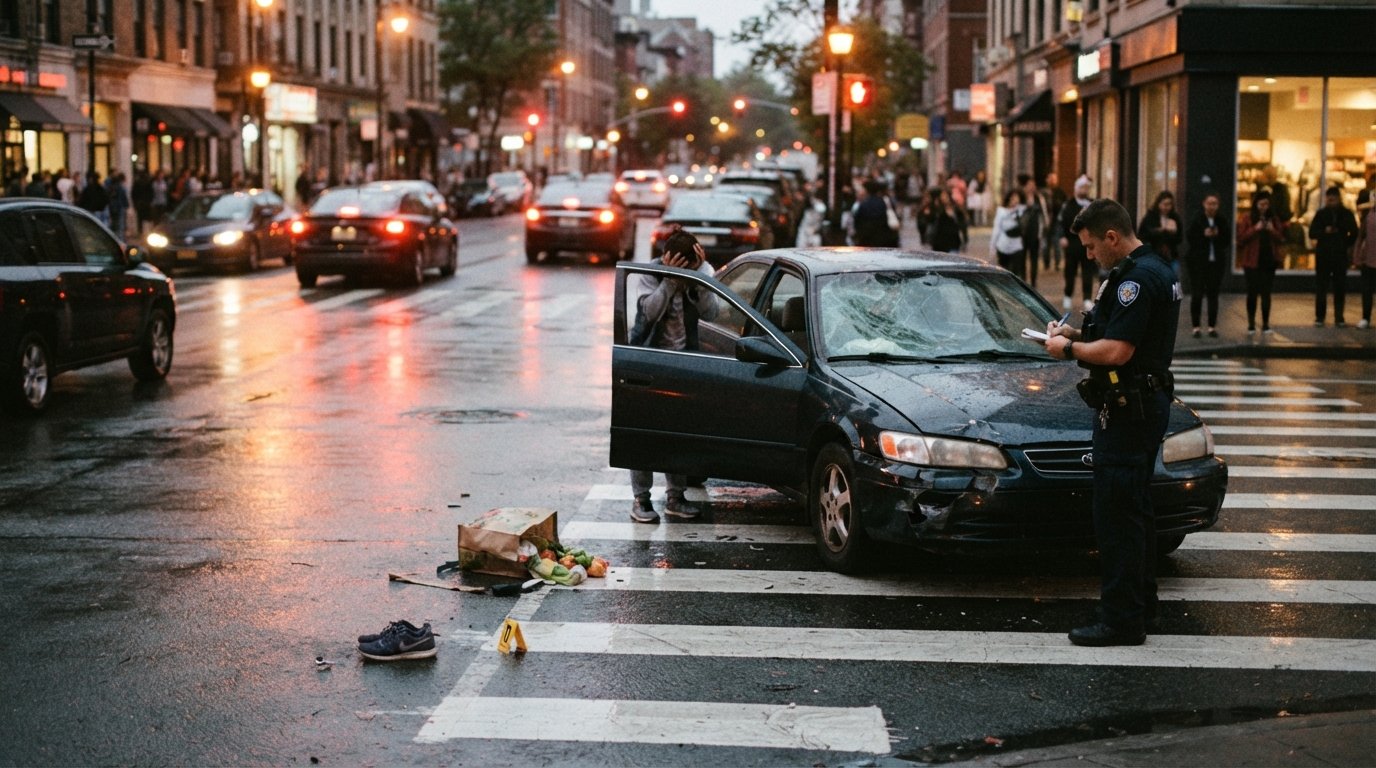
A pedestrian struck by a vehicle faces a unique legal battle. Unlike drivers, you have no metal cage, no airbags, and no insurance policy of your own to fall back on. The injuries are often catastrophic, and the insurance company for the driver will immediately try to shift blame onto you. Understanding your pedestrian accident claim rights and compensation is the first step toward protecting yourself from a lowball settlement or a wrongful denial of coverage. This guide explains the legal landscape, the evidence you need, and how to calculate what your case is truly worth.
Your Legal Rights as a Pedestrian
Pedestrians generally have the right of way in crosswalks and at intersections, but that does not mean drivers are automatically liable in every collision. The law requires both parties to exercise reasonable care. Your rights depend on where the accident happened and what you were doing at the moment of impact. If you were in a marked crosswalk with a walk signal, the driver is almost always at fault. If you jaywalked or darted into traffic, the driver may share less fault, or none at all.
Every state has its own set of pedestrian laws, but most follow one of two frameworks for shared fault. In a pure comparative negligence state, you can recover damages even if you were 99 percent at fault, though your award is reduced by your percentage of blame. In a modified comparative negligence state, you cannot recover anything if you are found to be 50 or 51 percent or more at fault. This distinction is critical because insurance adjusters will use any hint of your own negligence to reduce or deny your claim.
You also have the right to seek compensation from multiple sources. The driver's insurance is the most obvious, but if the driver was working at the time of the crash, their employer may also be liable. If a defective vehicle part caused the driver to lose control, the manufacturer could be named in a product liability claim. If a city failed to maintain a crosswalk signal or allowed dangerous road conditions, a government entity might share responsibility. These additional defendants can expand your recovery options, but they also add procedural complexity and tight filing deadlines.
What Compensation Can You Recover?
Pedestrian accident compensation falls into two broad categories: economic damages and non-economic damages. Economic damages are the tangible, calculable losses you can document with bills and pay stubs. Non-economic damages are the intangible losses that affect your quality of life. In rare cases involving extreme recklessness, a court may also award punitive damages to punish the driver and deter similar conduct.
Economic damages include all reasonable and necessary medical expenses related to the accident. This covers emergency room visits, surgeries, hospital stays, rehabilitation, prescription medications, and future medical care. If you cannot work because of your injuries, you can recover lost wages and lost earning capacity. If you were self-employed, you can still claim lost income, but you will need to provide tax returns, invoices, and other proof of your earnings history.
Non-economic damages are harder to quantify but often represent the largest portion of a pedestrian accident settlement. These include pain and suffering, emotional distress, loss of enjoyment of life, disfigurement, and permanent disability. Insurance companies frequently undervalue these damages, especially when the victim is young and the full extent of the injury is not yet known. An experienced attorney can use medical records, expert testimony, and life care plans to build a persuasive case for the full value of your non-economic losses.
Steps to Take After a Pedestrian Accident
The actions you take in the hours and days after a pedestrian accident can make or break your claim. Insurance adjusters are trained to look for inconsistencies, gaps in medical treatment, and social media posts that contradict your injury claims. You need to build a clean, well-documented record from the very beginning.
Here are the critical steps to protect your pedestrian accident claim rights and compensation:
- Call 911 immediately and request an ambulance. Even if you feel fine, adrenaline can mask serious injuries. A police report and medical records create an official timeline.
- Exchange information with the driver, but do not discuss fault or apologize. Anything you say can be used against you later.
- Collect witness names and contact information. Bystanders may disappear before the police arrive, and their testimony can be the deciding factor in a disputed liability case.
- Photograph the scene, the vehicle, your injuries, and any visible hazards like broken streetlights or obstructed crosswalks.
- Seek follow-up medical care and attend every appointment. Gaps in treatment are the number one reason insurance companies deny or reduce pedestrian claims.
- Contact a personal injury attorney before speaking to the driver's insurance adjuster. The adjuster may offer a quick settlement that seems generous but is far less than your case is worth.
One of the most important steps is preserving evidence. Surveillance video from nearby businesses or traffic cameras is often overwritten within days. A skilled attorney can send preservation letters to potential video owners and secure this evidence before it is lost. If you were involved in a multi-vehicle crash where one car pushed another into the crosswalk, the liability picture becomes even more complex. In our guide on multi-vehicle accident claims key steps, we explain how to untangle shared fault and pursue all responsible parties.
Dealing with Insurance Companies
Insurance companies are businesses, not charities. Their goal is to settle your claim for as little as possible, or to deny it entirely if they can find a reason. The adjuster may call you shortly after the accident and sound friendly and concerned. Do not be fooled. They are gathering information to use against you. They may ask for a recorded statement, request access to your medical records, or offer a small settlement before you even know the full extent of your injuries.
You are not legally required to give a recorded statement to the other driver's insurance company. You are also not required to accept their first offer. If they deny your claim, they must provide a reason, and you have the right to appeal that decision. In some cases, an insurer may act in bad faith by delaying payment, denying a valid claim without a reasonable basis, or failing to investigate properly. Bad faith insurance practices can expose the company to additional damages beyond your original claim.
If you are struggling to get a fair response from an insurer, you may need to escalate the matter. An attorney can send a demand letter, file a lawsuit, and use the discovery process to obtain internal documents that reveal how the insurer handled your claim. Many pedestrian accident cases settle before trial, but the threat of litigation is often what forces an insurer to make a reasonable offer.
How to Calculate Your Claim Value
There is no single formula that determines the value of a pedestrian accident claim. Every case is different, and the final number depends on the severity of your injuries, the clarity of liability, the amount of insurance coverage available, and the skill of your legal representation. That said, you can estimate your claim value by adding up your economic damages and then applying a multiplier to account for pain and suffering.
For example, if your medical bills and lost wages total $50,000 and your attorney applies a multiplier of 2.5, your non-economic damages would be $125,000, for a total claim value of $175,000. Multipliers typically range from 1.5 for minor soft tissue injuries to 5 or more for catastrophic injuries like spinal cord damage or traumatic brain injury. The multiplier approach is not a legal rule, but it is a common negotiation tool that helps anchor settlement discussions.
Other factors can increase or decrease your claim value. If the driver was intoxicated, speeding, or distracted by a phone, punitive damages may be available. If you were partially at fault, your recovery will be reduced by your percentage of blame. If the driver has minimal insurance coverage, your recovery may be limited unless you have uninsured or underinsured motorist coverage on your own auto policy. An attorney can review all available insurance policies and identify every potential source of compensation.
When to Hire a Pedestrian Accident Attorney
You can handle a minor pedestrian accident claim on your own, but the risk of making a costly mistake increases with the severity of your injuries. If you suffered a broken bone, a head injury, or any injury that required surgery or extended rehabilitation, you should consult an attorney. Insurance companies treat unrepresented claimants differently. They know that a lawyer will not accept a lowball offer and that the case may end up in court.
Most personal injury attorneys work on a contingency fee basis, which means you pay nothing upfront. The attorney's fee is a percentage of the final settlement or verdict, typically around 33 percent. If the attorney does not recover compensation for you, you owe nothing for their time. This fee structure levels the playing field between injured pedestrians and well-funded insurance companies.
When you meet with an attorney, bring all relevant documents: the police report, medical records, bills, pay stubs, photographs, and any correspondence from insurance companies. The attorney will evaluate your case, explain your pedestrian accident claim rights and compensation options, and give you an honest assessment of what your case is worth. If you are not ready to hire an attorney, you can still get a free, no-obligation case review from a trusted legal resource. LawyerCaseReview connects individuals with experienced lawyers for case evaluation and representation in personal injury and mass tort litigation, helping you understand your options before you make a commitment.
Common Mistakes That Hurt Pedestrian Claims
The most common mistake pedestrians make is waiting too long to seek medical attention. Even if you feel okay after the accident, you may have internal injuries, concussions, or soft tissue damage that does not show symptoms for hours or days. Waiting to see a doctor gives the insurance company an argument that your injuries were not caused by the accident or that they are not as serious as you claim.
Another mistake is posting about the accident on social media. Defense attorneys and insurance adjusters routinely review public profiles for photos or statements that contradict your injury claims. If you post a picture of yourself hiking or playing with your kids while you are claiming a debilitating back injury, that post will be used to discredit you. The safest approach is to stay off social media entirely until your case is resolved.
Finally, do not sign anything from the insurance company without having an attorney review it. A release of liability is a binding contract. Once you sign it, you cannot go back and ask for more money, even if your injuries turn out to be worse than you thought. If the adjuster pressures you to sign quickly, that is a red flag. Take your time, consult a professional, and make an informed decision.
Statute of Limitations and Filing Deadlines
Every state has a statute of limitations that sets a deadline for filing a pedestrian accident lawsuit. In most states, the deadline is two or three years from the date of the accident. If you miss the deadline, you lose your right to sue, and the insurance company has no obligation to pay you anything. There are limited exceptions for minors, mentally incapacitated individuals, and cases where the injury was not discovered immediately, but these exceptions are narrow and strictly applied.
If a government entity is involved, the deadline is much shorter. You may have as little as six months to file a notice of claim against a city, county, or state agency. This is common in cases involving dangerous road conditions, malfunctioning traffic signals, or negligent maintenance of public walkways. Because these deadlines are so short, it is critical to consult an attorney as soon as possible after a pedestrian accident.
Your pedestrian accident claim rights and compensation are not automatic. They must be asserted, documented, and negotiated. The insurance company will not volunteer a fair settlement, and the legal system will not protect you if you miss a deadline or sign away your rights. Whether you hire an attorney or pursue a claim on your own, understand the law, preserve the evidence, and never accept less than your case is worth.