Partially at Fault in an Accident: What Happens Next
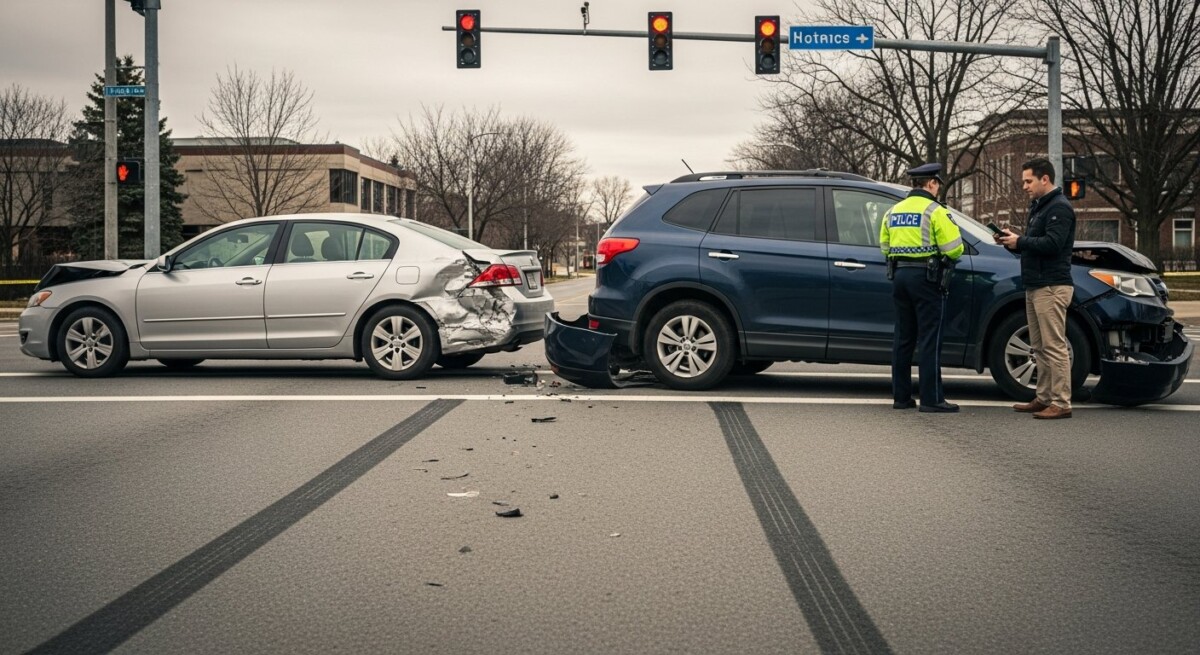
Picture this: you are driving home from work, and another driver runs a red light. You slam on your brakes, but your car still clips their rear bumper. The police arrive, and after reviewing dashcam footage, they determine you were going five miles over the speed limit. Now you are left wondering: what happens if you are partially at fault for an accident? This scenario is more common than most people realize. In fact, many car crashes involve some degree of shared responsibility. Understanding how partial fault affects your claim, your compensation, and your legal options is critical to protecting your financial recovery after a crash.
When you share blame for a collision, the outcome is not a simple yes or no. Instead, it depends on the laws of your state, the strength of the evidence, and how insurance adjusters calculate percentages of fault. This article walks you through every stage of a partial fault accident claim: from the moment police arrive to the final settlement check. You will learn how fault is assigned, how it reduces your payout, and what you can do to maximize the compensation you deserve. Whether you are dealing with a minor fender bender or a serious injury, knowing your rights when you are partially at fault can make the difference between financial stability and unexpected debt.
How Fault Is Determined in a Shared Responsibility Accident
Insurance companies and courts do not simply decide that one driver is entirely at fault. Instead, they use evidence to assign a percentage of blame to each party. This process begins at the scene of the crash. Police officers examine skid marks, vehicle positions, witness statements, and traffic laws to write an official accident report. That report often includes a preliminary opinion about who caused the collision. However, the police report is not the final word. Insurance adjusters conduct their own investigation. They review photos, medical records, and any available video footage. They also interview both drivers and witnesses.
In a partial fault accident, the adjuster looks for specific actions that contributed to the crash. Common examples include speeding, failing to yield, distracted driving, or ignoring traffic signals. If you were doing any of these things at the time of the crash, the adjuster may assign a percentage of fault to you. For instance, you might be found 20 percent at fault while the other driver is 80 percent at fault. That percentage directly affects how much money you can recover from the other driver’s insurance policy. In some states, being partially at fault can even prevent you from recovering anything at all. Understanding these rules is the first step toward protecting your claim.
Comparative Negligence vs. Contributory Negligence
The legal rules that govern partial fault accidents fall into two main categories: comparative negligence and contributory negligence. These doctrines determine whether you can collect compensation and how much your payout is reduced. The majority of states use some form of comparative negligence. Under this system, your compensation is reduced by your percentage of fault. For example, if your total damages are $100,000 and you are found 30 percent at fault, you would receive $70,000. The other driver’s insurance pays that amount minus your share of blame.
There are two subtypes of comparative negligence. Pure comparative negligence allows you to recover even if you are 99 percent at fault. Your payout is simply reduced by your fault percentage. Modified comparative negligence sets a threshold, usually 50 percent or 51 percent. If your fault percentage meets or exceeds that threshold, you cannot recover any compensation. For instance, in a 50 percent threshold state, being found 50 percent at fault means you get nothing. In a 51 percent threshold state, you can still recover as long as your fault is 50 percent or less.
A small number of states, including Maryland, Virginia, North Carolina, and Alabama, still follow contributory negligence. This is the harshest rule. If you are even 1 percent at fault, you cannot recover any damages from the other driver. That means a minor mistake like failing to signal can completely bar your claim. If you live in a contributory negligence state, you need an experienced attorney to argue that the other driver was solely responsible or that your actions did not contribute to the crash.
How Insurance Companies Calculate Partial Fault
Insurance adjusters use a combination of evidence and internal guidelines to assign fault percentages. They look at the specific traffic laws violated by each driver. They also consider the severity of each violation. Running a red light is typically considered more serious than driving five miles over the speed limit. Therefore, the driver who ran the red light might be assigned 70 percent fault while the speeding driver gets 30 percent. Adjusters also rely on industry standards and past claims experience. This is not an exact science, and two adjusters could reach different conclusions on the same facts.
Once the adjuster assigns a fault percentage, they calculate your damages. Damages include medical bills, lost wages, property damage, and pain and suffering. The adjuster then reduces the total by your fault percentage. For example, if your medical bills are $50,000 and you are 25 percent at fault, the insurance company will only offer you $37,500. This reduction applies to all types of damages, not just medical expenses. If you have significant pain and suffering, that amount is also reduced.
It is important to note that insurance companies have a financial incentive to assign as much fault to you as possible. A higher fault percentage means a lower payout for them. Therefore, you should never accept the first fault percentage an adjuster offers without question. You have the right to challenge their findings with your own evidence. Witness statements, photos, and expert accident reconstruction can all help reduce your assigned fault percentage. In our guide on what happens after you file a personal injury lawsuit, we explain how legal action can shift the fault assessment process to a courtroom where evidence is weighed more carefully.
Steps to Take After a Partial Fault Accident
Your actions immediately after a crash can significantly impact how fault is assigned. Taking the right steps protects your claim and your legal rights. Here are the key actions to take if you believe you may be partially at fault:
- Do not admit fault at the scene. Even a casual statement like “I’m sorry, I didn’t see you” can be used against you later. Stick to factual statements like “I was stopped at the light” or “I was traveling at the speed limit.”
- Call the police and request an official accident report. A neutral third-party investigation often provides a more balanced view than relying solely on insurance adjusters.
- Document everything. Take photos of the vehicles, the road conditions, traffic signals, and any visible injuries. Collect contact information from witnesses.
- Seek medical attention immediately, even if you feel fine. Some injuries take hours or days to appear. Medical records also create a direct link between the crash and your injuries, which is essential for your claim.
- Contact an attorney before speaking to the other driver’s insurance company. An experienced lawyer can handle negotiations and prevent you from accidentally harming your case.
After you have secured the scene and your health, focus on preserving evidence. Do not repair your vehicle until an adjuster has inspected it. Keep all medical bills, receipts, and correspondence with insurance companies. If you have a dashcam, save the footage immediately. This evidence is critical when challenging an unfair fault assessment.
How Partial Fault Affects Your Settlement Amount
When you are partially at fault, your settlement is calculated by subtracting your fault percentage from your total damages. However, the process is more complex than simple math. Insurance companies often use lowball offers to test your resolve. They may assign a higher fault percentage than the evidence supports, hoping you will accept a smaller check. This is why it is essential to know the true value of your claim before negotiating.
For example, suppose your total damages are $200,000. The adjuster says you are 40 percent at fault, reducing your claim to $120,000. But you believe you are only 20 percent at fault. That difference of 20 percent is worth $40,000. By challenging the fault percentage with evidence, you could recover significantly more. An attorney can hire an accident reconstruction expert to analyze the crash and provide a professional opinion on fault. This expert testimony carries weight with adjusters and juries.
Another factor that affects your settlement is the amount of insurance coverage available. If the other driver has a low policy limit, your recovery may be capped regardless of fault. In that case, you may need to rely on your own underinsured motorist coverage. This coverage steps in when the other driver’s insurance is insufficient to cover your damages. Understanding your own policy is just as important as understanding the other driver’s.
When to Hire an Attorney for a Partial Fault Claim
Not every partial fault accident requires a lawyer. If your injuries are minor and your damages are under a few thousand dollars, you may be able to negotiate directly with the insurance company. However, there are clear signs that you need professional legal help. You should consider hiring an attorney if any of the following apply:
- Your injuries are serious or require ongoing medical treatment.
- The insurance company has assigned a fault percentage of 20 percent or more to you.
- You live in a contributory negligence state.
- The other driver disputes the facts of the accident.
- You have missed work or suffered significant lost wages.
An attorney brings several advantages to a partial fault claim. First, they understand the nuances of your state’s negligence laws. They can calculate the true value of your damages, including future medical costs and lost earning capacity. Second, they handle all communication with insurance adjusters, which prevents you from saying something that could hurt your case. Third, if negotiations fail, an attorney can file a lawsuit and take your case to trial. Insurance companies often offer higher settlements when they know a lawyer is prepared to litigate.
If you decide to hire an attorney, choose one who specializes in personal injury and has experience with partial fault cases. Ask about their track record with settlements and trials. A good attorney will explain their fee structure upfront, which is typically a contingency fee: they only get paid if you win. This arrangement aligns their interests with yours and makes legal representation accessible even if you cannot afford upfront costs.
Frequently Asked Questions
Can I still get compensation if I am partially at fault?
Yes, in most states you can still recover compensation even if you are partially at fault. The amount you receive is reduced by your percentage of fault. The exception is in contributory negligence states, where any fault at all completely bars recovery.
How do insurance companies prove I am partially at fault?
Insurance companies use evidence such as police reports, witness statements, photos, video footage, and traffic laws to assign fault. They also consider the actions of both drivers leading up to the crash. If you violated a traffic law, that violation is often used to assign fault to you.
What happens if the other driver says I am at fault but I disagree?
If you disagree with the other driver’s version of events, you should present your own evidence to the insurance company. This can include witness statements, dashcam footage, or an accident reconstruction report. If the insurance company still assigns fault unfairly, you may need to file a lawsuit or hire an attorney to negotiate on your behalf.
Does being partially at fault affect my insurance rates?
Yes, being found partially at fault can cause your insurance premiums to increase. The amount of the increase depends on your insurance company’s policies, your state’s regulations, and your driving history. Some states prohibit rate increases for minor accidents or when the policyholder is less than 50 percent at fault.
Should I accept the first settlement offer from the insurance company?
No, you should never accept the first offer without careful review. Insurance adjusters often start with a low offer, especially when they have assigned a high fault percentage to you. Consult with an attorney or an experienced negotiator before signing any settlement agreement. Once you accept, you cannot go back and ask for more money.
Final Thoughts on Partial Fault Accidents
Understanding what happens if you are partially at fault for an accident empowers you to make informed decisions after a crash. Your compensation depends on your state’s negligence laws, the strength of the evidence, and your willingness to challenge unfair fault assignments. By taking the right steps at the scene, preserving evidence, and seeking professional legal advice when needed, you can maximize your recovery and avoid being unfairly penalized for a shared mistake. Partial fault does not mean you have no rights. It means you need to be strategic, thorough, and proactive in pursuing the compensation you deserve.