Injury on Public Property: Your Legal Rights and Next Steps
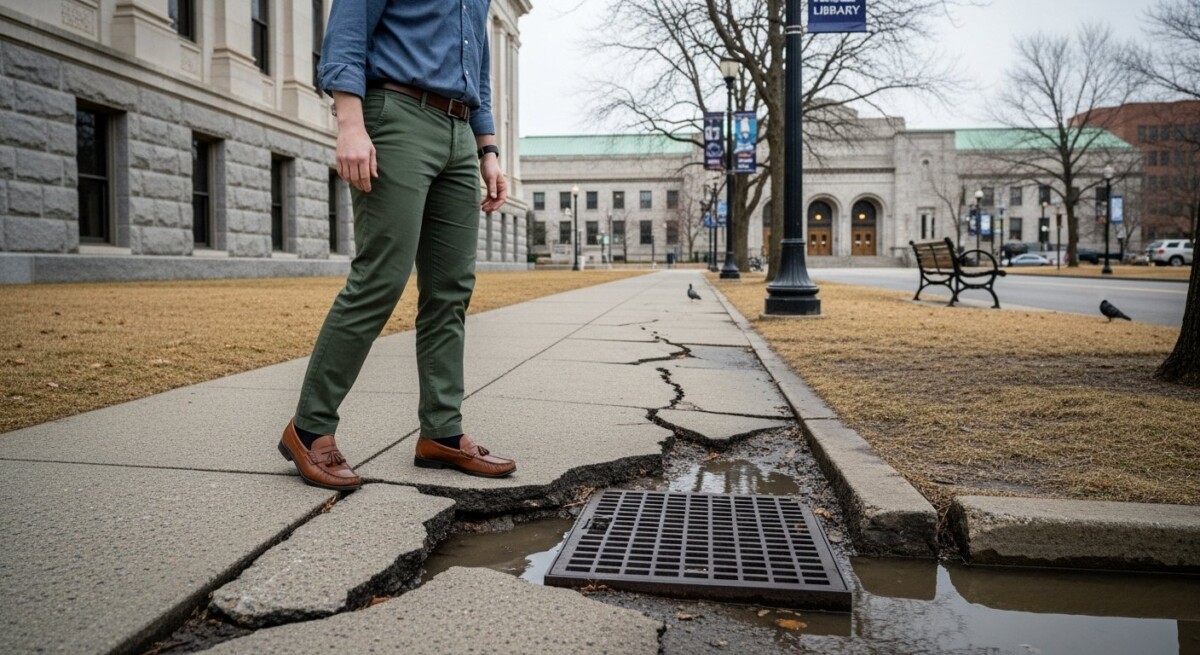
Slips, trips, and falls can happen anywhere, but when you are hurt on public property like a sidewalk, park, or government building, the path to compensation looks very different from a typical accident. Understanding what happens if injury occurred on public property is critical because special rules, strict deadlines, and government immunity laws often apply. Without the right knowledge, you could lose your chance to recover medical bills, lost wages, and pain and suffering.
Public property includes roads, public schools, libraries, municipal parks, public transit stations, and government offices. When a hazard on this type of property causes harm, the responsible party is usually a city, county, state, or federal agency. These entities have protections that private property owners do not. The key question is not just whether you were injured, but whether the government had proper notice of the dangerous condition and failed to fix it within a reasonable time.
In this article, we break down the legal framework for public property injury claims, the steps you must take immediately after an accident, and how to protect your rights when facing a government defendant. We also explain how to navigate notice requirements, comparative fault rules, and settlement negotiations. If you have been hurt on public land, read on to learn what to expect and why acting quickly matters.
Government Immunity and Its Exceptions
The biggest obstacle in any public property injury case is sovereign immunity. This ancient legal doctrine protects governments from being sued without their consent. However, nearly every state has passed laws that waive immunity in certain circumstances, typically through a state tort claims act or a similar statute. These laws allow injured individuals to file claims against government entities, but only if they follow strict procedures.
For example, many states require that you file a formal notice of claim within a very short window often 90 to 180 days from the date of the injury. Missing this deadline usually bars your claim forever. Some states also cap the amount of damages you can recover, especially for pain and suffering. Others prohibit punitive damages against government agencies altogether. Understanding these limits is essential before you decide to pursue legal action.
Federal property injuries, such as those occurring in a national park or a federal courthouse, are governed by the Federal Tort Claims Act (FTCA). The FTCA has its own administrative claim process and a two-year statute of limitations. You must exhaust this administrative remedy before filing a lawsuit in federal court. The process is complex, and the government has the right to contest liability based on discretionary function exceptions or other defenses.
Immediate Steps After a Public Property Injury
Your actions in the minutes and hours after an injury can make or break your case. Because government entities often dispute liability aggressively, you must gather strong evidence from the start. Here is what you should do:
- Report the incident immediately to the property manager or government agency responsible for the location. Ask for a written incident report and keep a copy for your records.
- Take photographs of the hazard that caused your injury, including wide shots that show the surrounding area and close-ups of the defect. Capture lighting conditions, signage, and any weather factors.
- Collect contact information from any witnesses who saw the accident or the dangerous condition before you fell. Witness statements can counter government claims that the hazard did not exist.
- Seek medical attention right away, even if your injuries seem minor. A prompt medical record links your injuries to the accident and documents the full extent of harm.
- Preserve any physical evidence, such as torn clothing or damaged footwear, that shows the force of the fall or the nature of the hazard.
After securing evidence, do not discuss the incident on social media or with insurance adjusters without legal guidance. Government claims adjusters are trained to find statements that can be used to deny or reduce your claim. Instead, consult an attorney experienced in public liability cases. Many offer free consultations and can advise you on the specific notice requirements for your jurisdiction.
Notice of Claim Requirements: A Critical Hurdle
One of the most common reasons public property injury claims fail is failure to comply with notice of claim statutes. These laws require that you provide written notice to the government entity within a specific time frame, detailing the date, time, location, and nature of the injury, as well as the damages you seek. The notice must often be sent by certified mail to a specific office, such as the city clerk or the state attorney general.
The purpose of this requirement is to give the government an opportunity to investigate the incident while evidence is still fresh and to evaluate whether to settle the claim without litigation. If you send the notice to the wrong department or omit required information, the government may reject it as defective. Some states allow you to correct minor errors, but others are strict about strict compliance.
In our guide on unsafe property injury claims, we explain how to draft a proper notice and what to include to avoid rejection. The notice should identify the specific defect, such as a cracked sidewalk slab or a missing guardrail, and explain how the government had actual or constructive notice of the hazard. Constructive notice means the condition existed long enough that the government should have known about it through routine inspections.
Proving Liability: The Four Elements
To win a public property injury case, you must prove four elements: duty, breach, causation, and damages. The government owes a duty to maintain public property in a reasonably safe condition. This duty includes inspecting for hazards, repairing known dangers, and warning of hidden risks. Breach occurs when the government fails to meet this standard, either by allowing a dangerous condition to persist or by not warning the public about it.
Causation requires you to show that the breach directly caused your injury. For example, if a broken water main caused a sidewalk to collapse and you fell into the hole, the government’s failure to repair the pipe likely caused your harm. However, if you tripped over your own shoelace in the same area, the government may argue that the hazard was not the proximate cause. Damages are the financial and non-financial losses you suffered, including medical expenses, lost income, and pain.
Governments often defend public property claims by arguing that the hazard was open and obvious. If a reasonable person would have seen the danger and avoided it, the government may claim you were contributorily negligent. Many states reduce your recovery by your percentage of fault. In a few states, any fault on your part can bar recovery entirely. Knowing how your state handles comparative or contributory negligence is essential for evaluating your case.
Statute of Limitations vs. Notice Periods
Many people confuse the statute of limitations with the notice of claim period. The statute of limitations is the deadline to file a lawsuit, usually one to three years from the injury date depending on the jurisdiction. The notice of claim period is a separate, shorter deadline that requires you to notify the government before you can sue. Both deadlines must be met, and missing either one can destroy your case.
For example, in California, you must file a claim with the government within six months of the injury. If the claim is rejected, you then have six months to file a lawsuit. In New York, the notice period is 90 days for claims against municipalities. The FTCA requires an administrative claim within two years and a lawsuit within six months of the denial. Because these rules vary widely, you should check your state’s specific requirements or consult an attorney.
If you are unsure about the deadlines in your case, it is wise to act immediately. Do not wait to see if your injuries heal or if insurance offers a settlement. The clock starts ticking the day of the accident, and government entities rarely grant extensions. If the defendant refuses to pay or delays the process, knowing what happens when a defendant refuses to pay a settlement can prepare you for the next steps.
Dealing With Government Insurance Adjusters
After you file a notice of claim, the government’s insurance carrier or risk management department will investigate. An adjuster may contact you for a recorded statement or ask you to sign medical authorizations. Be cautious. Government adjusters have the same goals as private insurers: to pay as little as possible. They may try to get you to admit fault or downplay your injuries.
You are not required to give a recorded statement without your attorney present. In fact, most attorneys advise against it. Instead, let your lawyer handle all communications. The adjuster may also request that you undergo an independent medical examination. If they do, your attorney can attend that exam to ensure it is conducted fairly.
If mediation is required or recommended, a neutral third party can help both sides explore settlement options. However, if the government refuses to offer a fair amount, you may need to proceed to litigation. Our article on what happens when mediation fails in an injury case outlines the litigation process and your options for trial or further negotiation.
Potential Damages and Caps
In a successful public property injury case, you can recover economic damages like medical bills, lost wages, and out-of-pocket expenses. Noneconomic damages for pain and suffering, emotional distress, and loss of enjoyment of life are also available in many states, but they may be capped. For example, some states limit noneconomic damages against government entities to $250,000 or $500,000, regardless of the severity of your injuries.
Punitive damages, which are meant to punish reckless conduct, are almost never available against government agencies. Some states explicitly prohibit them, and the FTCA bars them entirely. This means your recovery may be limited even if the government’s conduct was egregious. However, you can still seek full compensation for your actual losses, which can amount to significant sums in serious injury cases.
If you have a claim against a federal entity, the FTCA allows you to recover damages according to the law of the state where the injury occurred. This can create complex conflicts of law issues. A knowledgeable attorney can help you navigate these nuances and ensure you pursue the maximum recovery allowed. After filing a lawsuit, understanding what happens after filing a personal injury lawsuit can help you stay prepared for discovery, depositions, and settlement conferences.
Special Considerations for Different Types of Public Property
Not all public property is treated the same. Sidewalks, for instance, are often maintained by the city, but some states shift liability to adjacent property owners. If you trip on a sidewalk defect in front of a private home, you may need to sue the homeowner rather than the city. Public parks and recreational areas may be subject to recreational use statutes that limit the government’s duty of care for natural conditions.
Public schools and government buildings have their own rules. Injuries on school playgrounds may involve claims against the school district, which often has immunity for discretionary decisions like how to design a playground. Government buildings must comply with accessibility laws, and if a missing handrail or uneven ramp causes injury, the claim may involve both negligence and disability rights violations.
Public transportation injuries, such as a fall on a subway platform or a bus accident, may be governed by transit authority regulations. These entities often have their own claims procedures separate from the general municipal process. Always verify which specific agency is responsible for the property where you were injured.
Frequently Asked Questions
Can I sue the government for a slip and fall on public property?
Yes, in most cases, you can sue the government for a slip and fall on public property if you can prove the government was negligent. However, you must first comply with notice of claim requirements and file within the applicable statute of limitations. Sovereign immunity may apply, but state tort claims acts generally waive immunity for ordinary negligence claims.
How long do I have to file a claim for a public property injury?
The deadline varies by state and by the type of government entity involved. Many states require a notice of claim within 90 to 180 days of the injury. The statute of limitations for filing a lawsuit is typically one to three years. For federal claims under the FTCA, you have two years to file an administrative claim and six months after denial to sue.
What if I was partially at fault for my injury on public property?
Most states follow comparative negligence rules, meaning your recovery is reduced by your percentage of fault. For example, if you were 20 percent at fault and your damages are $100,000, you can recover $80,000. A few states, such as Alabama and Virginia, follow contributory negligence, which bars recovery if you are even 1 percent at fault.
Do I need a lawyer for a public property injury claim?
While not legally required, hiring a lawyer is strongly recommended. Government claims involve complex procedural rules, short deadlines, and experienced defense counsel. An attorney can ensure your notice of claim is properly drafted, gather evidence, negotiate with the government, and represent you in court if needed.
Final Thoughts
Injuries on public property present unique legal challenges that demand prompt action and careful attention to detail. Government immunity, notice periods, and damage caps can limit your options, but with the right strategy, you can still recover fair compensation for your losses. The most important step is to act quickly: document the scene, report the hazard, and seek legal advice before any deadlines pass. By understanding what happens if injury occurred on public property, you empower yourself to make informed decisions and protect your rights against a powerful defendant.