
How to Prepare for a Social Security Disability Hearing
Ace your Social Security disability hearing with focused preparation. Review medical records, practice testimony, and avoid common mistakes for a strong case.

By Samira Lockwood
Your Social Security disability hearing is the single most important opportunity to present your case. Most claims are won or lost at this stage, yet many applicants walk in unprepared. The good news is that preparation is entirely within your control. This guide breaks down exactly how to prepare for a Social Security disability hearing, from the moment you receive your notice to the final handshake with the administrative law judge.
What Happens at a Social Security Disability Hearing
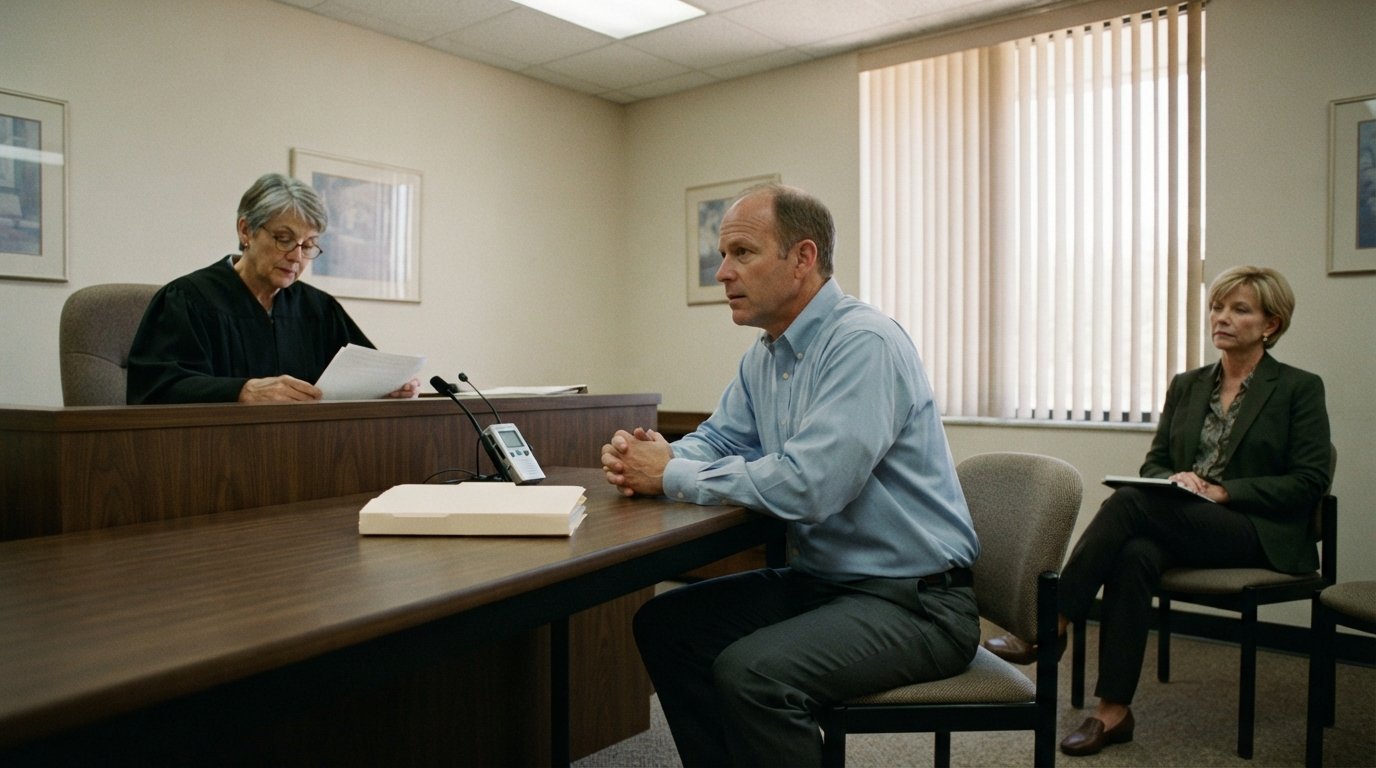
Before you can prepare, you need to understand what you are preparing for. A Social Security disability hearing is not a trial. There is no jury, no courtroom theatrics, and no cross-examination in the traditional sense. Instead, you appear before an administrative law judge (ALJ) in a relatively informal setting. The judge will ask you questions about your medical conditions, your daily limitations, your work history, and why you believe you can no longer work.
The hearing usually lasts between 30 and 90 minutes. In addition to the judge, a vocational expert may be present to testify about whether jobs exist that you could perform given your limitations. A hearing reporter will create a record of the proceedings. In some cases, a medical expert may also testify. Your attorney, if you have one, will have the opportunity to question you and the experts, and to make a closing statement.
Understanding this structure helps you focus your preparation. You are not trying to win an argument. You are trying to provide clear, consistent, and credible testimony that supports the medical evidence already in your file.
Review Your Medical Records Before the Hearing
Your medical records are the foundation of your disability claim. The judge will have reviewed them before your hearing, and your testimony must align with what those records show. If you have not done so already, request a copy of your complete file from the Social Security Administration. This file contains all the evidence that has been submitted on your behalf.
Read through your records carefully. Pay attention to the following:
- Diagnoses and the dates they were made
- Treatment history, including medications and therapies
- Statements from doctors about your functional limitations
- Any inconsistencies or gaps in treatment that the judge might question
If you notice missing records, such as a hospital stay or a specialist visit that was not included, contact your attorney or the Social Security office immediately to have them added. The more complete your file, the stronger your case. For additional strategies on strengthening your claim before the hearing, see these proven Social Security claim approval tips for applicants.
Practice Your Testimony with Specific Examples
One of the most common mistakes applicants make is speaking in generalities. Saying "I cannot work because of pain" is far less persuasive than describing a specific incident. The judge needs to understand how your condition affects your ability to function on a typical day.
Practice answering common questions with concrete examples. For instance, if you have back pain, explain that you cannot sit for more than 20 minutes without needing to stand, and that you have to lie down for several hours each afternoon. If you have anxiety, describe how it prevents you from leaving the house alone or interacting with coworkers. The more specific you are, the more credible you appear.
It also helps to practice with someone who can ask follow-up questions. A friend, family member, or attorney can help you identify areas where your answers are vague or inconsistent. The goal is not to memorize a script but to become comfortable speaking about your limitations in a clear, honest way.
Prepare for Questions About Your Work History
The judge will ask about your past work and why you can no longer perform it. You should be ready to describe your job duties in detail, including the physical and mental demands of each job you held over the past 15 years. This is not just about job titles. The judge wants to know what you actually did on a day-to-day basis.
For example, if you worked as a retail manager, you might have spent most of your day on your feet, lifting boxes, and managing employees. If you now have a condition that limits your ability to stand or lift, you need to explain how those specific tasks have become impossible. The vocational expert will use this information to determine whether any jobs exist that you could still perform.
Be honest about your work history. If you left a job for reasons unrelated to your disability, say so. The judge will find out anyway, and attempting to hide or distort the facts can seriously damage your credibility.
Gather Supporting Documentation and Statements
While medical records are essential, they are not the only evidence that matters. Statements from people who know you well can provide powerful support for your claim. These statements, often called third-party function reports, describe how your condition affects your daily life from an outside perspective.
Ask a spouse, family member, or close friend to write a statement. It should include specific observations, such as how often you need to rest, what activities you have had to give up, and how your mood or behavior has changed. These statements can fill in gaps that medical records do not cover, such as your ability to concentrate, interact with others, or complete tasks on a consistent basis.
You should also bring a list of all medications you take, including dosages and side effects. If you use any assistive devices, such as a cane, brace, or walker, bring them to the hearing or be prepared to describe them. The judge may ask about these details, and having the information ready shows that you are organized and credible.
Know What to Expect on the Day of the Hearing
The day of the hearing can be stressful, but knowing what to expect can help you stay calm. Arrive early, at least 30 minutes before your scheduled time. Bring a photo ID and any documents you want the judge to see. Dress neatly and professionally, as a sign of respect for the proceedings.
When you enter the hearing room, the judge will explain the process and place you under oath. You will then be asked questions. Answer them directly and truthfully. If you do not understand a question, ask for clarification. Do not guess or try to provide an answer you think the judge wants to hear. If you need a break, you can ask for one.
If you have an attorney, they will guide you through the process and object to improper questions. If you do not have an attorney, you will need to represent yourself. This is possible, but it is significantly more challenging. Many applicants find that having legal representation increases their chances of a favorable outcome.
For those who are also navigating disputes with a former attorney or considering a legal malpractice issue related to their disability case, resources like LawyerCaseReview can provide valuable information and connect you with appropriate legal professionals.
Common Mistakes to Avoid at Your Hearing
Even well-prepared applicants can hurt their case by making avoidable mistakes. One of the most common is exaggerating symptoms. Judges are experienced at detecting exaggeration, and it can destroy your credibility. It is far better to be honest about your worst days and your better days than to claim you are completely incapacitated when the evidence suggests otherwise.
Another mistake is failing to listen to the question. Applicants sometimes launch into long explanations that do not address what was asked. Listen carefully, pause if needed, and answer the specific question. If you do not know the answer, say so.
Finally, do not argue with the judge or the vocational expert. Your job is to provide information, not to win a debate. If you disagree with something, your attorney can address it later. Staying calm and respectful will serve you well.
How an Attorney Can Help You Prepare
An experienced disability attorney can be invaluable in preparing for your hearing. They can review your file, identify weaknesses, gather additional evidence, and conduct a mock hearing to help you practice. They can also question the vocational expert and make legal arguments on your behalf.
If you cannot afford an attorney, many disability lawyers work on a contingency basis, meaning they only get paid if you win. This makes representation accessible to most applicants. Even if you choose to go to the hearing alone, consider consulting with an attorney beforehand to review your case and get advice on how to present your testimony.
Remember that the Social Security Administration does not provide an attorney for you. You are responsible for presenting your own case, and the judge will make a decision based on the evidence and testimony presented. Preparation is the key to making sure your voice is heard.
Final Steps to Take Before Your Hearing
In the days leading up to your hearing, confirm the time and location. If you are traveling, make arrangements for transportation and lodging. Review your notes and practice your answers one more time. Get a good night's sleep and eat a healthy meal before you go.
On the day of the hearing, bring a list of your medications, a copy of your medical records if you have them, and any recent medical updates. Be ready to describe your limitations in clear, specific terms. Most importantly, be yourself. The judge wants to understand your situation, and honesty is always the best approach.
Preparing for a Social Security disability hearing takes time and effort, but it is worth it. By understanding the process, reviewing your records, practicing your testimony, and avoiding common mistakes, you can present your case in the best possible light. Whether you have an attorney or not, thorough preparation gives you the best chance at a favorable decision.