How to Find the Best Personal Injury Attorney Near You

After a sudden accident, your world can feel like it’s been turned upside down. Between mounting medical bills, lost income, and the physical and emotional pain of recovery, the last thing you need is the stress of navigating a complex legal system alone. This is when finding the best personal injury attorney near you becomes not just a strategic move, but a critical step toward securing your future and your peace of mind. The right lawyer does more than just file paperwork. They become your advocate, your guide, and your shield against aggressive insurance companies, allowing you to focus on what truly matters, your health. However, with countless law firms advertising their services, how do you cut through the noise and identify the legal partner who will genuinely fight for the maximum compensation you deserve? This guide will provide you with a clear, actionable framework for your search.
What Makes a Personal Injury Lawyer the “Best”?
The term “best” is subjective and highly personal when it comes to legal representation. What is best for one person’s case may not be the ideal fit for another. However, certain universal qualities separate exceptional attorneys from the rest. First and foremost, the best personal injury attorneys specialize exclusively or primarily in this area of law. Personal injury is a nuanced field encompassing car accidents, slip and falls, medical malpractice, and product liability. A specialist will have a deep, current understanding of state laws, local court procedures, and the tactics used by insurance adjusters.
Beyond specialization, look for a proven track record of success. This doesn’t just mean a high volume of cases, but demonstrated success in securing substantial settlements and jury verdicts for clients with situations similar to yours. Experience also means the attorney has taken cases to trial when necessary. Insurance companies quickly assess which lawyers are willing to go to court, and this willingness often leads to better settlement offers. Finally, the best attorney for you will be someone you trust and can communicate with openly. You need a lawyer who listens, explains complex legal concepts in plain language, and makes you feel like a priority, not just a case file.
Your Step-by-Step Search Strategy
Finding the best personal injury attorney near you requires a methodical approach. Start with thorough research, then move to careful evaluation. Begin by seeking recommendations from trusted sources, such as other lawyers you may know, friends, or family members who have had positive experiences. Online reviews on platforms like Google and Avvo can provide valuable insights into a firm’s reputation and client satisfaction, but read them critically, looking for consistent patterns in feedback.
Once you have a shortlist of three to five potential firms, visit their websites. A professional, informative website is a good indicator of a serious practice. Look for detailed information about the attorneys’ backgrounds, their specific experience with your type of accident, and resources that educate potential clients. Most importantly, take advantage of free initial consultations. This meeting is your opportunity to interview the lawyer. Come prepared with questions and documents related to your accident. The process for initiating a claim can vary, and understanding the specifics is crucial, as outlined in resources like our guide on how to file a personal injury lawsuit in Utah.
To organize your evaluation, focus on these key areas during your consultations:
- Case Assessment: Did the attorney listen carefully and provide a clear, initial analysis of the strengths and challenges of your case?
- Fee Structure: Reputable personal injury lawyers almost always work on a contingency fee basis. This means you pay no upfront fees, they cover case costs, and they only get paid if they win your case, taking a pre-agreed percentage of the recovery.
- Communication Plan: Who will be your primary point of contact? How often will you receive updates? Ensure their communication style matches your expectations.
- Proposed Strategy: Ask about their initial plan for investigating your claim, dealing with insurance companies, and whether they are prepared to go to trial.
- Your Comfort Level: Trust your instincts. Do you feel confident in this person’s abilities and genuinely cared for as an individual?
Critical Questions to Ask During a Consultation
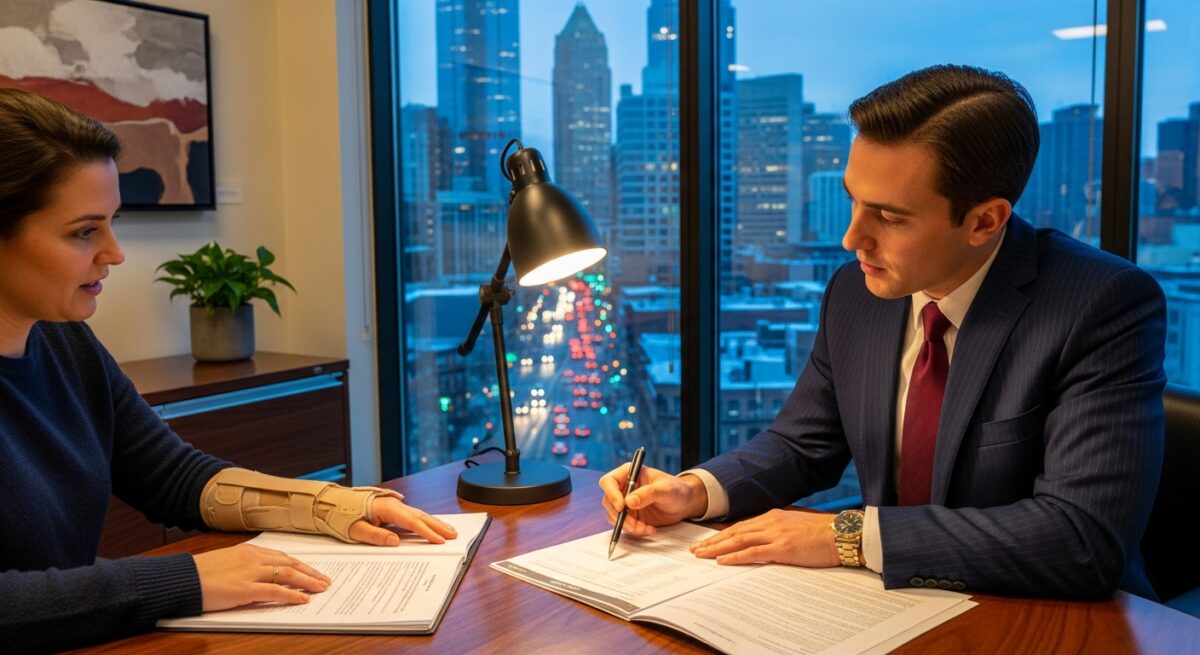
The initial consultation is a two-way interview. Your goal is to gather specific information that goes beyond marketing slogans. Start by asking about the attorney’s direct experience. How many cases like yours have they personally handled? What were the outcomes? Inquire about their trial experience. While most cases settle, you want a lawyer with a strong trial reputation to maximize your leverage. Ask who will actually handle the day-to-day work on your file. In some firms, a senior partner may sign you up, but a junior associate or paralegal manages the case. There’s nothing inherently wrong with this if the team is skilled, but you deserve to know upfront.
Discuss the financial aspects in detail. Clarify the exact contingency fee percentage and what case costs (e.g., filing fees, expert witness fees, medical record retrieval) are covered. Understand if costs are deducted from the gross recovery before or after the legal fee is calculated, as this can significantly impact your net compensation. Ask for an honest assessment of the potential timeline and value of your case. A good lawyer will not make guarantees but can give a reasonable range based on similar past cases. For a deeper dive into the procedural journey, especially in different jurisdictions, you can explore comprehensive resources like the complete guide to filing a personal injury lawsuit in Texas.
Red Flags and Warning Signs to Avoid
Just as important as knowing what to look for is knowing what to avoid. Be wary of any attorney who guarantees a specific result or dollar amount. No ethical lawyer can promise an outcome, as too many variables are outside their control. Excessive advertising is not necessarily a red flag, but if a firm seems more focused on marketing than on the substantive legal information on their website, proceed with caution. High-pressure sales tactics during the consultation are a major warning sign. You should never feel rushed into signing a contract.
Pay attention to the office environment and staff professionalism. Disorganization can translate to missed deadlines and poor case management. Avoid attorneys who suggest you exaggerate your injuries or be dishonest in any way. This is unethical and can destroy your credibility and your case. Finally, trust your gut. If something feels off, or if the attorney seems too busy to give you their full attention during the consultation, they likely will not have time for you once you sign. Your case is important, and you deserve dedicated representation. For broader perspectives on legal strategies and case evaluation, reviewing external expert analyses can be beneficial. You can Read full article for such insights.
Frequently Asked Questions
How much does a personal injury lawyer cost?
The vast majority work on a contingency fee, typically ranging from 33% to 40% of the recovery, depending on the case stage (settlement vs. trial). You pay nothing upfront or out-of-pocket if you lose.
What if I can’t travel to a law office due to my injuries?
Most reputable personal injury firms offer to meet clients at their home, the hospital, or via video conference. Accessibility is a key service.
How long do I have to file a personal injury lawsuit?
This is governed by a law called the statute of limitations, which varies by state and by case type (e.g., medical malpractice may have a shorter window). It is critical to consult an attorney immediately to avoid losing your right to sue forever.
What should I bring to my first consultation?
Bring any documentation you have: the accident report, photos from the scene, your insurance information, contact details for any witnesses, and all medical records and bills related to the injury.
Will my case go to trial?
Most personal injury cases are settled out of court. However, having an attorney with a strong trial record is essential to negotiate a fair settlement, as the insurance company knows they are prepared to go the distance if needed.
Selecting the best personal injury attorney near you is one of the most consequential decisions you will make after an accident. It requires diligent research, thoughtful questions, and a focus on finding a specialist who combines legal expertise with a commitment to client-centered service. By following the steps outlined here, you move from a position of vulnerability to one of empowered action. You gain a professional advocate whose goal aligns perfectly with yours: to achieve the best possible outcome for your recovery and your future, allowing you to move forward with confidence and security.