
How to Find a Criminal Lawyer for Your Case: A Vetting Guide
A practical guide to finding a criminal lawyer for your case, from verifying credentials to comparing fees. Call (833)-670-8160 for a free case review.

By Nadine Kestrel
Facing criminal charges is one of the most stressful experiences a person can endure. The stakes are enormous: your freedom, your reputation, and your future all hang in the balance. In that moment of uncertainty, the single most important decision you will make is choosing the right criminal defense attorney. But how do you separate a truly skilled advocate from a smooth talker? How do you know which lawyer will fight hardest for you? This guide walks you through a practical, step-by-step method for finding and vetting a criminal lawyer for your case, from verifying credentials to asking the right questions in a consultation. You will learn what to look for, what to avoid, and how to make an informed choice under pressure.
Start with the Basics: Verify Credentials and Standing
Before you even pick up the phone, do your homework on any attorney you are considering. The first stop should be your state bar association's website. Every licensed attorney has a public record that shows their status (active, inactive, suspended, or disbarred), their year of admission, and any disciplinary actions taken against them. This is non-negotiable. A lawyer with a history of misconduct or a suspended license is not someone you want handling your case. Check the record carefully and look for any pattern of complaints or sanctions. If the record is clean, move on to the next layer of verification.
Beyond bar standing, you want to confirm that the attorney actually practices criminal defense and has meaningful experience in the courthouse where your case will be heard. Criminal law is highly local: procedures, judges, prosecutors, and even informal courthouse culture vary from county to county. A brilliant attorney from another jurisdiction may be at a disadvantage simply because they do not know the local players. Ask directly: How many criminal cases have you handled in this county? How familiar are you with the judges and prosecutors here? A good lawyer will answer confidently and specifically. Vague answers are a red flag.
Finally, look for signs of specialized knowledge. Criminal defense is broad, and you want someone whose practice focuses on the type of charge you are facing. A lawyer who mostly handles DUIs may not be the best choice for a complex white-collar fraud case, and vice versa. Check their website, professional profiles, and any published articles or speaking engagements. If they have written or taught about the specific area of law relevant to your case, that is a positive signal. You can also ask whether they are board-certified in criminal law, a designation that requires additional testing and peer review in some states.
Public Defender vs. Private Criminal Defense Counsel
One of the first practical decisions you will face is whether to rely on a public defender or hire a private attorney. Public defenders are government-employed lawyers who represent indigent defendants at no cost. They are often highly experienced, especially in high-volume courthouses, because they handle hundreds of cases and know the local system intimately. However, their caseloads can be overwhelming, which may limit the time they can devote to your case. If you qualify financially, a public defender can be a solid option, particularly for straightforward matters.
Private criminal defense counsel, on the other hand, offers more personalized attention and flexibility. You will typically have more direct access to your lawyer, and they can devote more resources to investigation, expert witnesses, and pretrial motions. The trade-off is cost. Private attorneys charge flat fees, hourly rates, or retainers, and the total can be significant. The right choice depends on your financial situation, the complexity of your case, and your comfort level with the attorney you meet. There is no universal answer, but understanding the differences helps you make a deliberate decision rather than a desperate one.
It is also worth noting that some private attorneys offer payment plans or sliding-scale fees. Do not assume you cannot afford a private lawyer until you have asked. And if you do qualify for a public defender but have concerns about their availability, you can sometimes supplement their work with a private attorney for specific tasks, though this is less common. The key is to evaluate both paths honestly and choose the one that gives you the best chance of a favorable outcome.
What Happens at an Initial Consultation (and How to Prepare)
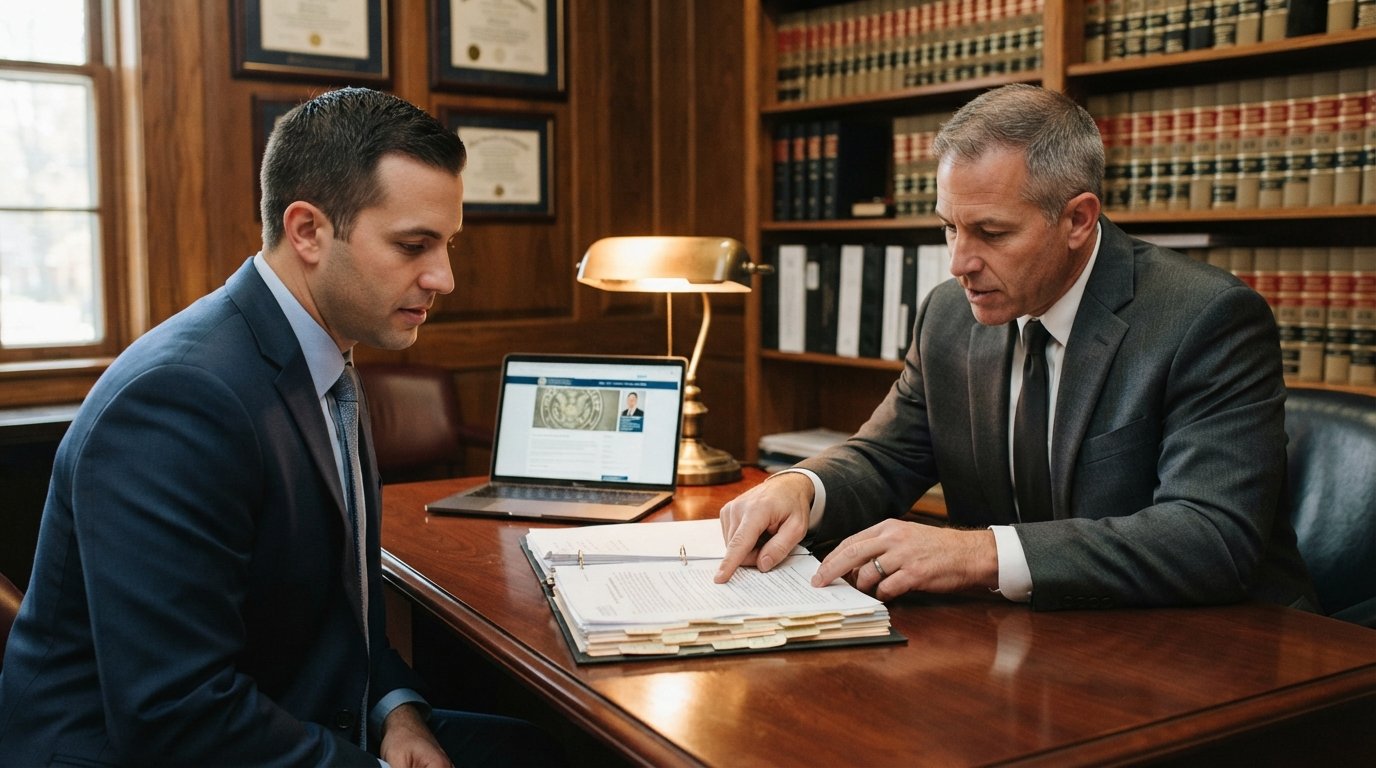
Most criminal defense attorneys offer a free or low-cost initial consultation. This meeting is your opportunity to evaluate the lawyer, and it is also their opportunity to evaluate your case. To make the most of it, prepare beforehand. Bring any relevant documents: the police report, charging documents, court notices, and any correspondence you have received. Write down a timeline of events and a list of questions. Being organized signals that you are serious and helps the attorney give you useful feedback quickly.
During the consultation, pay attention to how the attorney communicates. Do they listen carefully, or do they interrupt? Do they explain legal concepts in plain language, or do they hide behind jargon? Do they seem genuinely interested in your situation, or do they rush you toward a decision? A good criminal lawyer will be candid about the strengths and weaknesses of your case without making promises they cannot keep. They should also explain the likely process ahead, including any pretrial motions, plea negotiations, or trial considerations. If they guarantee a specific outcome, be wary: no honest attorney can promise a result.
This is also the time to ask about case strategy. You do not need to share every detail of what happened, especially if you are still deciding whether to hire them. Instead, ask open-ended questions: What is your initial assessment of the charges? What defenses might be available? What steps would you take first? How do you typically communicate with clients? A skilled attorney will give you a thoughtful, nuanced answer that demonstrates experience rather than bravado. Remember that anything you say in a consultation is generally confidential, but you should still avoid oversharing facts that are not necessary to get a sense of their approach. The goal is to evaluate their competence and fit, not to confess every detail before you have hired them.
Asking About Fees Without Getting Burned
Money is a sensitive topic, but it is essential to discuss fees upfront. Criminal defense attorneys use several fee structures: flat fees for the entire case, hourly rates, or a retainer that is drawn down as work is performed. Ask for a written fee agreement that spells out exactly what is covered and what is not. Are there additional costs for investigators, expert witnesses, or filing fees? What happens if the case goes to trial: is that included in the flat fee, or does it cost extra? A clear, transparent fee agreement protects you from surprise bills later.
Do not be afraid to compare fees among several attorneys. However, do not choose a lawyer based solely on price. The cheapest option may not be the best value if it means less attention to your case or less experience. Conversely, a high fee does not automatically guarantee quality. Look for a fee that is reasonable for the complexity of your case and the attorney's experience level. If you are working with a limited budget, ask about payment plans. Many attorneys are willing to work with clients who are upfront about their financial constraints.
It is also wise to ask about communication and availability. How quickly do they respond to calls or emails? Will you be working directly with the attorney or with paralegals and assistants? What is their caseload like? These practical details can make a big difference in your experience. A lawyer who is impossible to reach is not serving you well, no matter how skilled they are in the courtroom.
Where to Find Candidates: A Practical Search Framework
Now that you know what to look for, where do you actually find candidates? Start with personal recommendations from people you trust: friends, family, colleagues, or other professionals such as accountants or therapists. Word-of-mouth referrals often lead to attorneys who have proven themselves in your community. You can also use online legal directories, but be aware that many of these are paid listings. That does not mean they are worthless, but you should treat them as a starting point for research, not as endorsements.
Another valuable resource is your local bar association, which often operates a lawyer referral service. These services can connect you with attorneys who practice in the area you need, and they typically screen for basic licensing and insurance. You can also visit the courthouse and observe proceedings. This may sound old-fashioned, but watching attorneys in action can give you a sense of their style and competence. If you see someone who impresses you, note their name and look them up later.
For a broader search, consider using a consumer matching service that connects people facing criminal charges with participating attorneys. One option is AutoInjuryAccident.com, which helps individuals request a free, confidential case review from attorneys who advertise on the site. While the site is not a law firm or a lawyer referral service, it can be a useful way to explore your options, especially if you are unsure where to start. Remember that any listings you see are paid advertising, and you should still vet any attorney independently using the steps outlined in this guide.
When evaluating mass tort or complex litigation, understanding how case evaluation determines claim value can be helpful. For instance, our article on how mass tort case evaluation determines your claim's value explains the factors that attorneys consider when assessing a case. While that article focuses on mass torts, the principles of thorough case evaluation apply to criminal defense as well: a good attorney will assess the evidence, the applicable law, and the likely outcomes before recommending a strategy.
Red Flags to Watch Out For
Not every attorney who claims to be a criminal defense expert is worth your trust. Watch for these warning signs during your search. First, be cautious of anyone who guarantees a specific result, such as dismissal of charges or a not-guilty verdict. No one can predict the future, and such promises are often a sales tactic. Second, avoid attorneys who pressure you to hire them immediately or who refuse to put their fee agreement in writing. Transparency is essential. Third, be wary of lawyers who seem unfamiliar with the local court system or who cannot answer basic questions about your charges. Finally, trust your instincts. If you feel uncomfortable or dismissed during a consultation, that is a sign to keep looking.
Another red flag is an attorney who is difficult to reach or who delegates your case entirely to inexperienced staff. You are hiring a professional to represent you, and you deserve direct access to your lawyer. While paralegals and legal assistants can be helpful, the attorney should be the one making strategic decisions and communicating with you about important developments. Ask about their communication practices upfront, and do not be afraid to walk away if you are not satisfied with the answer.
Lastly, be cautious of attorneys who encourage you to lie or withhold information from the court. Ethical lawyers will work within the bounds of the law and will not ask you to compromise your integrity. If you encounter someone who suggests otherwise, run, do not walk, in the other direction.
Making the Final Decision
After you have consulted with several attorneys, take time to compare your options. Consider their experience, their communication style, their fees, and your gut feeling about working with them. The right attorney for your case is one who combines competence with empathy, who listens to your concerns, and who gives you a realistic assessment of your situation. Do not rush the decision, even if you are feeling pressure from the legal process. A hasty choice can have long-lasting consequences.
Once you have chosen an attorney, ask for a written engagement letter that outlines the scope of representation, the fee structure, and the expectations for communication. Make sure you understand what you are agreeing to before you sign. A clear agreement sets the foundation for a strong working relationship and helps prevent misunderstandings later.
Remember that finding a criminal lawyer for your case is not just about credentials and fees; it is about finding someone who will stand by you and fight for your rights. Take the time to do your research, ask tough questions, and trust your judgment. The effort you invest now can make all the difference in the outcome of your case.
If you are still unsure where to begin, consider reaching out to a consumer legal resource for guidance. AttorneyLawsuit.com is an informational website that connects consumers with participating attorneys for free, confidential case reviews. It is not a law firm and does not provide legal advice, but it can be a helpful starting point for exploring your options. Whatever path you choose, prioritize diligence, transparency, and open communication with any attorney you consider hiring.