
Field Sobriety Tests: Rights and Common Defenses
Know your field sobriety tests rights and common defenses before a DUI stop. Call 8336708160 for a free case review and protect your future.

By Tamsen Alderidge
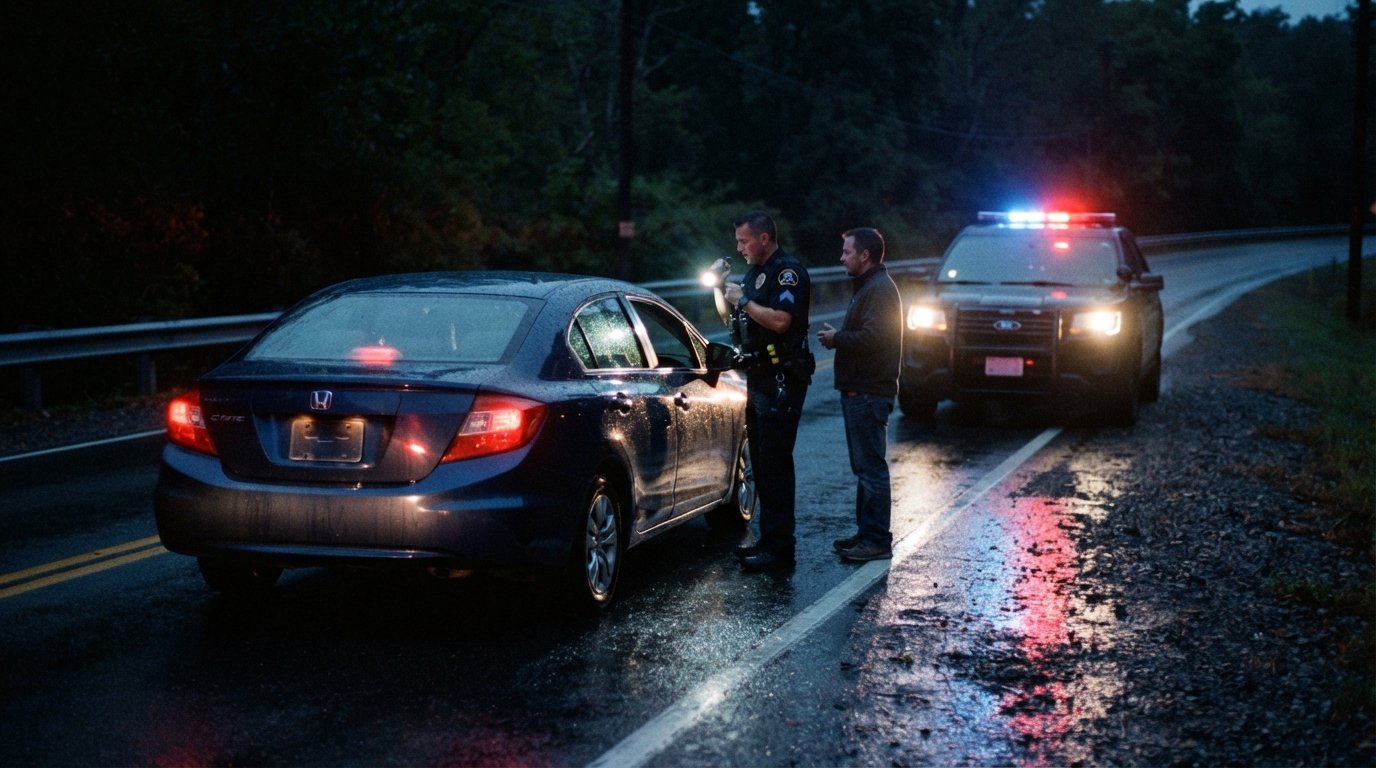
You see the flashing lights in your rearview mirror, and your stomach drops. After a traffic stop, an officer asks you to step out of the vehicle and perform a series of physical exercises: walking a straight line, standing on one leg, following a pen with your eyes. These are field sobriety tests, and how you handle them can shape the entire trajectory of a DUI or DWI case. Understanding your rights during these tests, and the defenses that experienced attorneys use to challenge them, is essential whether you are facing charges now or simply want to be prepared. This article explains what field sobriety tests are, what rights you have, and the most common defenses that can undermine their reliability in court.
What Are Field Sobriety Tests and Why Do They Matter?
Field sobriety tests (FSTs) are a set of physical and cognitive exercises that law enforcement officers use to estimate whether a driver is impaired. The National Highway Traffic Safety Administration (NHTSA) standardized three tests: the Horizontal Gaze Nystagmus (HGN) test, the Walk-and-Turn test, and the One-Leg Stand test. Officers may also use non-standardized tests like reciting the alphabet backwards or touching the nose, but these are not scientifically validated and are often attacked in court.
These tests are not mandatory in most states. They are voluntary, and you have the right to decline them. However, refusing a field sobriety test is different from refusing a chemical test (breath or blood), which can trigger automatic license suspension under implied consent laws. The distinction matters: you can usually say no to the roadside gymnastics without immediate license penalties, but you should always consult a local attorney to understand your state's specific rules.
The results of these tests are used as probable cause to arrest you for DUI. They also become key evidence in your prosecution. But they are far from foolproof. Many factors unrelated to alcohol or drugs can cause a person to fail, including medical conditions, fatigue, nervousness, uneven pavement, and even the shoes you are wearing. This is why defenses against field sobriety tests are a cornerstone of DUI defense strategy.
Your Rights During a DUI Stop and Field Sobriety Tests
Knowing your rights is the first line of defense. The Fourth Amendment protects you against unreasonable searches and seizures, and the Fifth Amendment protects you from self-incrimination. During a traffic stop, you are technically detained, but you still retain certain rights. The officer may ask you questions, but you are not obligated to answer beyond providing your license, registration, and insurance. You can politely decline to answer questions like "How much have you had to drink?" or "Where are you coming from?"
When it comes to field sobriety tests, you have the right to refuse. The officer may not tell you that refusal is an admission of guilt, because it is not. In fact, many experienced DUI attorneys advise clients to decline FSTs because they are subjective and designed to be failed. The officer is not just observing your performance; they are building a case against you. Every stumble, every word slur, every eye flutter is noted as a clue of impairment.
You also have the right to record the encounter, in many jurisdictions, as long as you are not interfering with the officer's duties. Some states allow citizens to record police interactions, and this footage can be invaluable for challenging the officer's account later. If you are unsure about your state's laws, a local attorney can advise you.
Another critical right is the right to an attorney. While you do not have the right to an attorney before deciding whether to take a chemical test (in most states), you do have the right to consult an attorney before making other decisions once you are arrested. If you are unsure how to proceed, politely ask to speak with a lawyer. The LawyerCaseReview platform connects individuals with experienced attorneys who can evaluate your case for free and explain your options.
Common Defenses Against Field Sobriety Tests
Defenses against field sobriety tests fall into several categories: procedural errors, medical and physical limitations, environmental factors, and improper administration. A skilled DUI defense attorney will examine every aspect of the stop and the tests to find weaknesses in the prosecution's case. Here are the most common defenses.
1. Improper Administration of the Tests
NHTSA has strict protocols for administering each standardized field sobriety test. For the HGN test, the officer must check for equal pupil size, resting nystagmus, and equal tracking before testing for gaze nystagmus. They must hold the stimulus at a specific distance and move it at a specific speed. For the Walk-and-Turn, the officer must demonstrate the test, ensure the surface is level and clear, and instruct the suspect properly. For the One-Leg Stand, the officer must give clear instructions and time the test accurately.
If the officer deviates from these protocols, the results can be challenged. For example, if the officer fails to check for resting nystagmus, the HGN test may be inadmissible. If the walk-and-turn is conducted on a slope or gravel, the results are unreliable. Many officers receive only minimal training on these tests, and mistakes are common. A defense attorney can cross-examine the officer on their training, certification, and adherence to procedure.
2. Medical Conditions and Physical Limitations
Many people have medical conditions that mimic the signs of impairment. Eye conditions like nystagmus, astigmatism, or a lazy eye can cause false positives on the HGN test. Inner ear problems, vertigo, or Meniere's disease can affect balance and make the walk-and-turn or one-leg stand impossible to perform. Back injuries, knee problems, and foot conditions can also impair balance and coordination.
Even common issues like fatigue, stress, or being overweight can affect performance. The officer may not ask about these conditions before administering the tests, and the suspect may not think to mention them. A defense attorney can bring these factors to light, often with the help of medical records or expert testimony.
3. Environmental and Situational Factors
The environment where the tests are conducted can significantly impact performance. Uneven pavement, loose gravel, wet grass, or a slope can cause a sober person to stumble. Poor lighting, flashing police lights, and distracting traffic can also affect concentration. The suspect's footwear (high heels, flip-flops, boots) can make walking a straight line difficult even when sober.
Weather conditions like rain, snow, or extreme cold can also play a role. Officers rarely document these environmental factors in their reports, but they can be powerful defenses when brought up at trial. A good attorney will visit the scene, take photographs, and present evidence of the conditions.
4. Nervousness and Anxiety
Being pulled over by police is inherently stressful, even for innocent people. Nervousness can cause shaking, sweating, and difficulty following instructions. The officer may interpret these as signs of impairment, but they are actually signs of anxiety. The pressure of performing physical tasks while being watched by an armed officer can cause anyone to make mistakes.
Defense attorneys often argue that the suspect's performance was affected by nervousness rather than alcohol. This is especially effective when the suspect has no prior record and was cooperative throughout the stop.
5. Lack of Probable Cause for the Stop
Before an officer can even administer field sobriety tests, they must have reasonable suspicion to believe you committed a traffic violation or a crime. If the initial stop was unlawful, everything that follows, including the FSTs and any chemical test results, can be suppressed. Common unlawful stop defenses include: no traffic violation observed, racial profiling, or an anonymous tip that lacks reliability.
If the stop is suppressed, the entire case may be dismissed. This is why it is critical to have an attorney review the police report and any dashcam or bodycam footage to challenge the stop.
6. Miranda Rights Violations
While field sobriety tests are not typically considered interrogation, the officer's questions during the stop can cross the line. If you are in custody and the officer interrogates you without reading your Miranda rights, your statements may be inadmissible. However, the physical tests themselves are not testimonial, so Miranda does not apply to the act of performing them. Still, any statements you make during the tests can be challenged if Miranda was violated.
7. Inaccurate or Missing Documentation
Officers are required to document their observations in detail. If the police report is vague, inconsistent, or missing key details (like the exact instructions given or the timing of the tests), the defense can argue that the officer's memory is unreliable. Bodycam and dashcam footage can contradict the officer's report, revealing that the suspect performed better than described or that the officer gave incorrect instructions.
In some cases, the officer may not have recorded the tests at all. Without video evidence, the case often comes down to the officer's word against the defendant's. A skilled attorney can exploit inconsistencies and challenge the officer's credibility.
What Happens If You Refuse Field Sobriety Tests?
Refusing field sobriety tests is not an admission of guilt, but it does not prevent your arrest. The officer may still arrest you based on other observations, such as the smell of alcohol, slurred speech, or erratic driving. However, refusing the tests deprives the prosecution of one piece of evidence. In many cases, the lack of FST evidence weakens the DUI charge.
It is important to distinguish between refusing FSTs and refusing a chemical test. Under implied consent laws, refusing a breath or blood test after a lawful arrest can result in automatic license suspension, even if you are not convicted of DUI. The consequences vary by state, so it is crucial to know your rights before you are in that situation. An attorney can explain the specific penalties in your jurisdiction.
The Role of an Attorney in Challenging Field Sobriety Tests
DUI defense is a specialized field. Not every criminal defense attorney has the training to challenge field sobriety tests effectively. The best DUI attorneys understand the NHTSA manual, have attended the same training as officers, and know how to cross-examine police on their administration of the tests. They may also use expert witnesses to testify about the flaws in FSTs and the effects of medical conditions.
If you are facing DUI charges, it is in your best interest to consult with an attorney as soon as possible. The sooner an attorney is involved, the more time they have to investigate, gather evidence, and build a defense. Many attorneys offer free consultations, and some, like those accessible through LawyerCaseReview, provide case evaluations at no cost.
When choosing an attorney, look for someone who focuses on DUI defense and has a track record of challenging field sobriety tests. Ask about their experience with NHTSA standards, their success rate in suppressing evidence, and whether they have access to expert witnesses. A good attorney will also explain the potential outcomes and help you decide whether to fight the charges or negotiate a plea.
Steps to Take If You Are Pulled Over for DUI
Knowing what to do in the moment can make a big difference. Here is a quick guide to protect your rights during a DUI stop.
- Pull over safely and stay calm. Turn off your engine, roll down your window, and keep your hands visible on the steering wheel.
- Provide your license, registration, and insurance. You are legally required to identify yourself, but you do not have to answer questions about drinking.
- Politely decline field sobriety tests. Say something like, "I respectfully decline to perform any field sobriety tests." You do not need to give a reason.
- Do not resist arrest. If the officer arrests you, comply. Resistance can lead to additional charges. You can fight the charges later in court.
- Ask to speak with an attorney. Once arrested, you have the right to counsel. Do not answer further questions without your attorney present.
- Document everything you remember. Write down details about the stop, the officer's behavior, the location, and any statements made. This information can help your attorney.
These steps can help preserve your rights and provide your attorney with the tools to challenge the prosecution's case. Remember, you are not required to help the police build a case against you.
When to Seek Legal Help for a DUI Charge
If you have been charged with DUI or DWI, you should seek legal help immediately. Even a first offense can carry serious consequences, including jail time, fines, license suspension, and increased insurance rates. A conviction can also affect your employment, professional licenses, and reputation. The sooner you have an attorney on your side, the better your chances of a favorable outcome.
Many people hesitate to hire an attorney because they think they cannot afford one or because they believe they are guilty. But DUI defense is not about guilt or innocence in the way you might think. It is about holding the prosecution to its burden of proof and ensuring that your constitutional rights were respected. An attorney can challenge the stop, the arrest, the field sobriety tests, and the chemical tests. They can negotiate with the prosecutor and, in some cases, get the charges reduced or dismissed.
If you are unsure where to turn, consider reaching out to a legal resource like LawyerCaseReview, which connects individuals with attorneys who handle DUI cases. The consultation is free, and you are under no obligation to hire. It is a low-risk way to get professional advice about your situation.
Facing a DUI charge can feel overwhelming, but you do not have to navigate it alone. Understanding your rights regarding field sobriety tests and the common defenses available is the first step toward protecting your future. With the right attorney, you can challenge the evidence and pursue the best possible outcome for your case.