Do I Need a Lawyer for Injury Claim: Key Factors
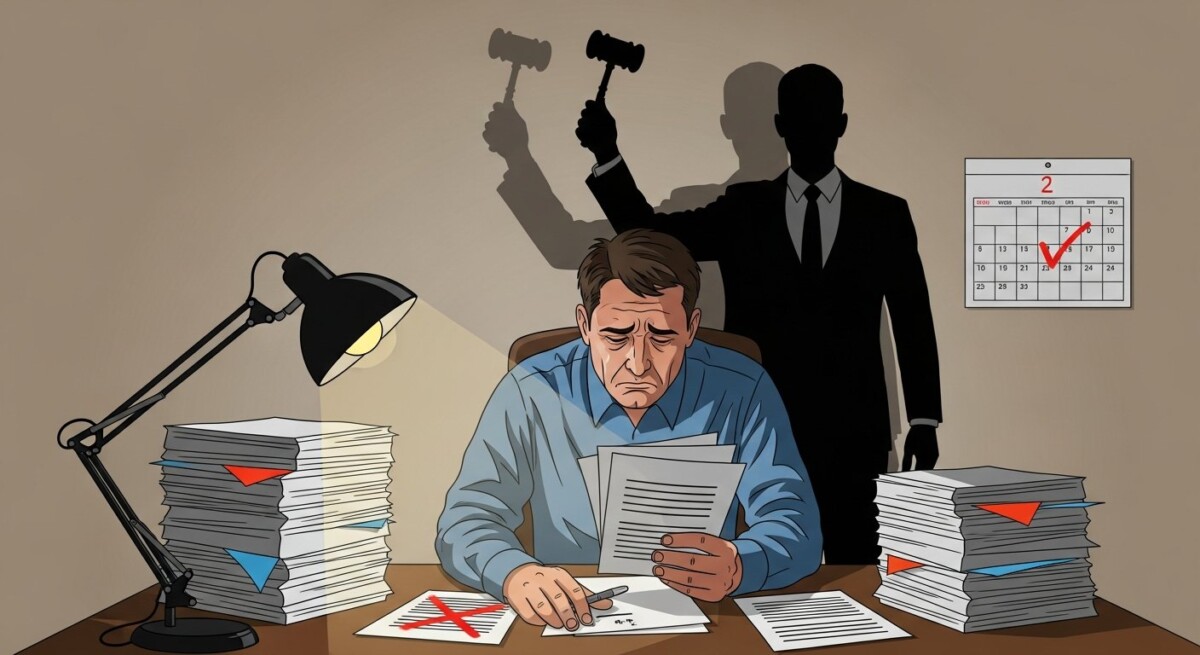
After an accident, the question of whether to hire a lawyer often arises while you are still dealing with medical bills, insurance calls, and lost wages. Many people assume they can handle the claim on their own, especially if the injury seems minor. However, the reality is that insurance companies have teams of adjusters and attorneys working to minimize payouts. Understanding when legal help is necessary can mean the difference between a fair settlement and a financial shortfall. This article breaks down the specific scenarios where hiring a lawyer is not just helpful but essential for your injury claim.
Understanding the Complexity of Injury Claims
An injury claim is more than just sending a bill to an insurance company. It involves proving fault, documenting damages, negotiating with adjusters, and complying with strict deadlines. Each state has its own statutes of limitations, which are deadlines for filing a lawsuit. Missing these deadlines can permanently bar you from recovering compensation. Additionally, liability rules such as comparative negligence or contributory negligence can reduce or eliminate your recovery if you are found partially at fault. For example, if you were rear-ended but had a broken taillight, the insurer might argue you contributed to the accident. A lawyer understands these nuances and can build a case that accounts for them.
Insurance companies also use tactics to devalue claims. They may request recorded statements designed to trick you into admitting fault, delay payments to pressure you into a low settlement, or dispute the severity of your injuries by requesting unnecessary medical examinations. Without legal representation, you are negotiating against professionals who handle claims daily. In our guide on navigating the personal injury claim process online, we explain how insurers often exploit unrepresented claimants. A lawyer levels the playing field by handling all communication and ensuring your rights are protected.
Key Factors That Determine Whether You Need a Lawyer
Not every injury claim requires a lawyer, but several factors strongly indicate that professional help is advisable. Consider the following criteria when evaluating your situation:
- Severity of Injuries: If your injuries require hospitalization, surgery, or long-term rehabilitation, the stakes are high. Severe injuries often lead to complex medical evidence, future care costs, and lost earning capacity. A lawyer can quantify these damages accurately.
- Disputed Liability: If the other party denies fault or if multiple parties are involved, legal expertise becomes critical. Disputes require gathering evidence, interviewing witnesses, and sometimes reconstructing the accident scene.
- Insurance Company Behavior: If the insurer offers a quick settlement, pressures you to sign a release, or refuses to communicate, these are red flags. A lawyer can negotiate aggressively and take the case to court if necessary.
- Significant Damages: When medical bills exceed a few thousand dollars or when you have lost significant income, the potential recovery justifies legal fees. Most personal injury lawyers work on a contingency basis, meaning they only get paid if you win.
Each of these factors increases the complexity of your claim. For instance, a herniated disc from a car accident may require expert testimony from a neurosurgeon to prove the injury is permanent. Without a lawyer, you would have to locate, retain, and pay for such experts yourself. Lawyers have established networks of medical experts and accident reconstruction specialists who can strengthen your case. If you are unsure about the value of your claim, you can learn more about how to file a personal injury claim: a clear step-by-step process to see where legal input becomes necessary.
When You Can Handle a Claim Without a Lawyer
There are situations where hiring a lawyer may not be necessary, particularly when the claim is straightforward and the damages are minimal. Minor accidents with no injuries or very low medical bills, such as a fender bender where you only have soft tissue soreness for a week, can often be resolved directly with the insurer. If liability is clear and the other driver admits fault, and if you are not dealing with permanent injuries or lost wages, you may be able to negotiate a fair settlement on your own.
However, even in these cases, it is wise to consult with a lawyer for a brief review. Many lawyers offer free initial consultations where they can evaluate whether your claim has hidden value. For example, what seems like a minor injury could develop into chronic pain that requires ongoing treatment. A quick consultation can help you avoid settling for too little. If you decide to proceed without a lawyer, keep detailed records of all medical visits, expenses, and communications with the insurance company. Do not sign any settlement agreement until you are certain that it covers all current and future medical costs related to the accident.
The Financial Impact of Hiring a Lawyer
Many people worry about the cost of legal representation, but personal injury lawyers typically work on a contingency fee basis. This means you pay nothing upfront, and the lawyer takes a percentage of the settlement or verdict, usually between 25% and 40%. If you lose, you owe nothing beyond agreed-upon costs like filing fees or expert witness expenses. This arrangement makes legal help accessible even if you are facing financial strain from medical bills.
Statistics show that represented claimants receive significantly higher settlements than those who go it alone. According to studies, people with lawyers recover about 3.5 times more money on average than unrepresented claimants. Even after paying the lawyer’s fee, you often walk away with more money than if you had negotiated alone. For example, a $10,000 settlement without a lawyer might become a $40,000 settlement with a lawyer, leaving you with roughly $30,000 after a 25% fee. Additionally, lawyers handle the paperwork, deadlines, and negotiations, saving you time and stress. This is especially important when you are recovering from an injury and need to focus on healing.
How a Lawyer Builds and Presents Your Case
A skilled injury lawyer does more than negotiate with insurers. They investigate the accident, gather evidence, and build a compelling narrative that shows the full extent of your losses. This process begins with collecting police reports, medical records, and witness statements. They may also work with accident reconstruction experts to recreate the scene and prove liability. For example, in a slip and fall case, a lawyer might inspect the property for code violations or hazardous conditions that the owner failed to fix.
Once the evidence is gathered, the lawyer calculates your damages. This includes economic damages like medical bills, lost wages, and property damage, as well as non-economic damages like pain and suffering, emotional distress, and loss of enjoyment of life. In some cases, punitive damages may be available if the defendant acted recklessly or intentionally. The lawyer then prepares a demand letter that outlines your case and requests a specific amount. If the insurer refuses to offer a fair settlement, the lawyer can file a lawsuit and take the case to trial. Throughout this process, your lawyer handles all court filings, discovery, and negotiations. For those dealing with specific jurisdictions, resources like navigating injury claims with a Denver Colorado injury lawyer can provide localized insights into how state laws affect your case.
Common Mistakes People Make Without a Lawyer
Unrepresented claimants often make errors that reduce their recovery or jeopardize their case entirely. One common mistake is accepting the first settlement offer. Insurance companies often start with a lowball offer hoping you will accept it out of desperation or ignorance. Without a lawyer, you may not realize that the offer is far below what your claim is worth. Another mistake is giving a recorded statement to the adjuster. These statements are used to find inconsistencies or admissions that can be used against you. A lawyer would advise you to decline such requests until the full extent of your injuries is known.
Additionally, many people fail to document their injuries properly. They may not keep a pain journal, take photos of their injuries, or save receipts for out-of-pocket expenses. This lack of documentation makes it harder to prove the severity of your suffering. Finally, some claimants miss the statute of limitations, which can be as short as one year in some states. A lawyer ensures that all deadlines are met and that your claim is filed correctly. If you are navigating a claim in a specific city, consider reading about navigating injury claims with a Detroit personal injury lawyer to understand how local courts and insurance practices might affect your case.
Frequently Asked Questions
Can I switch lawyers if I am unhappy with my current one?
Yes, you can switch lawyers at any time. However, your former lawyer may have a right to a portion of the settlement for work already performed. Most lawyers handle this professionally and will work out a fair division of the fee. It is important to review your retainer agreement before switching to understand any obligations.
How long does an injury claim take with a lawyer?
The timeline varies widely depending on the complexity of the case, the severity of injuries, and whether the case goes to trial. Simple claims may settle in a few months, while complex cases involving permanent injuries or disputed liability can take a year or more. Your lawyer can give you a rough estimate after reviewing your case.
What if the insurance company offers a settlement before I hire a lawyer?
You are not obligated to accept any offer. If you receive a settlement offer before hiring a lawyer, you can still consult with one to review the offer. Most lawyers offer free case evaluations. Do not sign any release or cash the check until you have had legal advice, as doing so may waive your right to pursue further compensation.
Will I have to go to court if I hire a lawyer?
Most personal injury cases settle out of court. Your lawyer will negotiate with the insurance company to reach a fair settlement. However, if the insurer refuses to offer a reasonable amount, your lawyer may recommend filing a lawsuit and taking the case to trial. Your lawyer will prepare you for what to expect if trial becomes necessary.
Deciding whether to hire a lawyer for an injury claim depends on the specific details of your case. If your injuries are minor and liability is clear, you may be able to handle the claim alone. But if you are facing significant medical bills, disputed fault, or uncooperative insurers, legal representation is a wise investment. A lawyer not only maximizes your recovery but also protects you from costly mistakes. Before making a decision, take advantage of free consultations offered by many personal injury attorneys. They can evaluate your claim and give you honest advice about whether you need their help. Your health and financial future are too important to leave to chance.