
Can You Sue for Pain and Suffering After a Minor Accident?
Can you sue for pain and suffering after a minor accident? Learn how to document your claim and when to call (833)-670-8160 for a free case review.

By Samira Lockwood
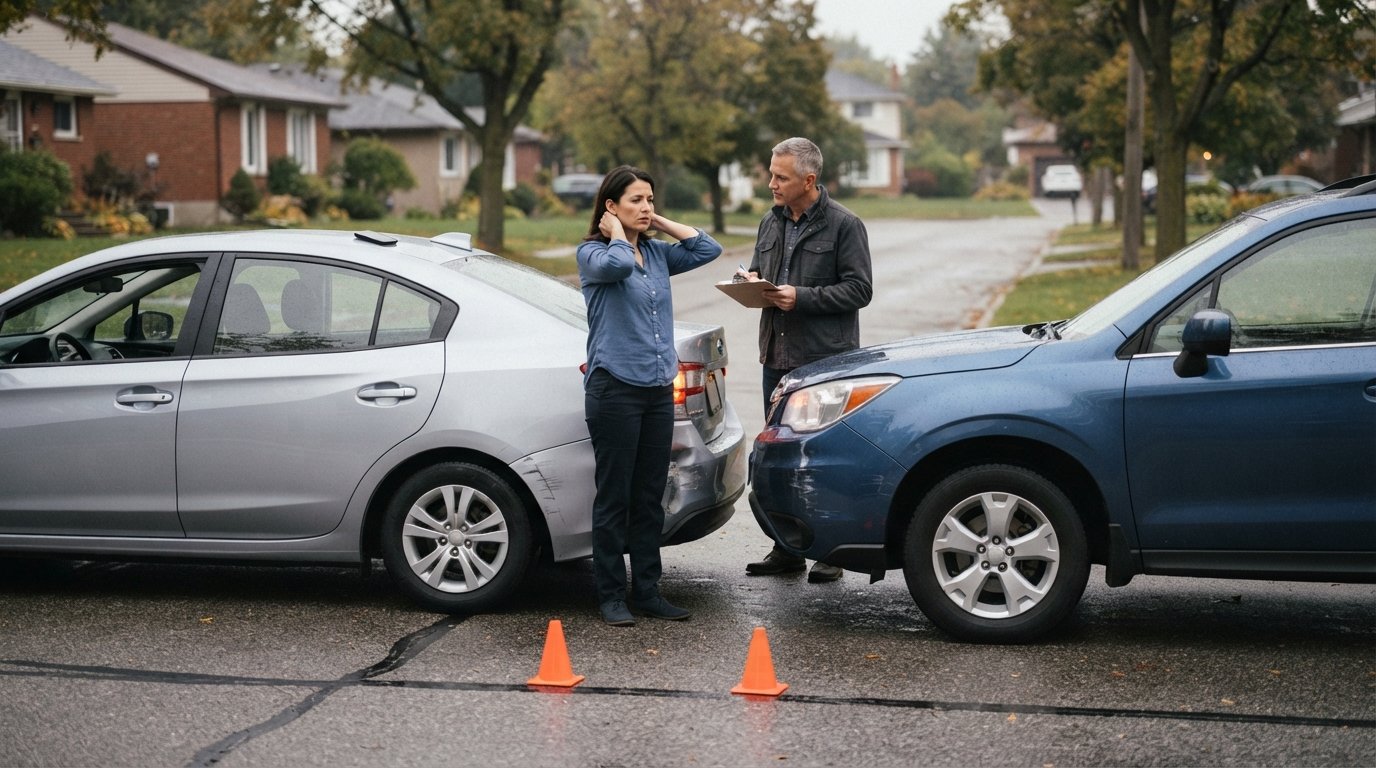
You walked away from the fender bender with a sore neck and a pounding headache. The damage to your car was minimal, the police report was straightforward, and the other driver admitted fault. But now, weeks later, the pain has not gone away. You are wondering whether it is even worth pursuing a claim for your discomfort, or if the law only cares about serious, catastrophic injuries. The short answer is that the law does not set a minimum injury requirement for filing a lawsuit, but the practical and legal hurdles for recovering pain and suffering after a minor accident are significant. Understanding those hurdles before you speak to an insurance adjuster can mean the difference between a fair settlement and a denied claim.
What Pain and Suffering Damages Actually Cover
Pain and suffering is a category of non-economic damages. Unlike medical bills, lost wages, and property damage, which have receipts and pay stubs, pain and suffering compensates you for the physical discomfort and emotional distress caused by an injury. This includes the immediate pain from the impact, the lingering ache during recovery, and the emotional toll of anxiety, sleep disruption, or loss of enjoyment in activities you once loved. In legal terms, these damages are subjective, meaning there is no fixed formula or receipt that proves their value.
Because these damages are subjective, insurance companies and courts rely on evidence that connects your physical injury to the accident and demonstrates the severity and duration of your symptoms. If you suffered a minor soft tissue injury, such as whiplash or a mild sprain, the challenge is proving that your pain is real and significant enough to warrant compensation beyond your medical bills. Without objective evidence like a fracture or a visible wound, the adjuster will likely argue that your discomfort is temporary or unrelated to the crash.
To build a credible claim, you need to show a clear timeline. The moment of impact, the onset of symptoms, the medical treatment you sought, and the way your daily life changed all matter. If you can demonstrate that you were healthy before the accident and that your pain began immediately or shortly after, you strengthen the link between the collision and your suffering. This is why a gap in treatment or a delay in seeking medical care can severely weaken a minor accident claim.
Why Immediate Medical Treatment Is Critical for Minor Accident Claims
One of the most common mistakes people make after a minor accident is skipping the doctor because they feel fine at the scene. Adrenaline can mask pain, and soft tissue injuries often take hours or days to fully manifest. However, from a legal and insurance perspective, the absence of immediate medical records creates a gap that the defense will exploit. If you wait a week or two to see a doctor, the insurance company will argue that your injury was either not caused by the accident or was so minor that it did not warrant prompt attention.
Even if you feel only mild discomfort, seeking a medical evaluation within 24 to 72 hours of the accident creates a record that your symptoms were acute and connected to the crash. This record becomes the foundation of your pain and suffering claim. Without it, you are relying solely on your own testimony, which is easily challenged. Insurance adjusters are trained to look for inconsistencies, and a delay in treatment is one of the easiest ways to discount or deny a claim.
Additionally, medical documentation helps quantify your pain. A doctor can note muscle spasms, limited range of motion, or tenderness during a physical exam. These objective findings, even if mild, support the subjective experience of pain. If you are considering whether you can sue for pain and suffering only, understanding the role of medical evidence is essential because non-economic damages rarely stand alone without proof of injury.
Threshold Rules in No-Fault States and Their Impact on Lawsuits
If you live in a no-fault state, your ability to sue for pain and suffering after a minor accident may be limited by a legal threshold. In no-fault systems, your own auto insurance pays for your medical expenses and lost wages up to a certain limit, regardless of who caused the accident. To step outside the no-fault system and sue the at-fault driver for non-economic damages, your injuries must meet a specific threshold defined by state law.
These thresholds vary widely. Some states use a verbal threshold, requiring that your injury be a serious impairment of a body function, a permanent injury, significant disfigurement, or death. Other states use a monetary threshold, meaning your medical expenses must exceed a certain dollar amount (often $2,000 to $5,000) before you can sue for pain and suffering. In a minor accident, meeting either threshold can be difficult. A case with $1,500 in medical bills and a diagnosis of whiplash may not clear a $2,000 monetary threshold, effectively barring a pain and suffering lawsuit in a no-fault state.
Even in fault-based states, where you can sue the at-fault driver directly, the insurance company will still compare your injuries to the severity of the crash. If the property damage is minimal and you declined an ambulance, the adjuster will argue that your pain could not have been severe. Understanding your state's specific rules is crucial, and a licensed attorney can evaluate whether your minor accident meets the legal standard for a pain and suffering claim. This is one of the many situations where a free case review can provide clarity before you sign any settlement release.
Documentation That Supports Subjective Injury Claims
Building a successful claim for pain and suffering after a minor accident requires more than just a doctor's note. You need a comprehensive record that paints a picture of how the injury affected your life. Start by keeping a pain journal. Write down your symptoms each day, including the date, time, and activities that aggravated or relieved your pain. Note any sleep disturbances, difficulty concentrating, or emotional distress. While a journal is self-reported, it creates a contemporaneous record that can be powerful evidence if your case goes to court.
Collect all medical records, bills, and receipts related to the accident. This includes emergency room visits, primary care appointments, physical therapy sessions, and over-the-counter pain medication purchases. Even if your treatment was conservative, the consistency of care demonstrates that your pain was persistent. Additionally, gather witness statements, photographs of your vehicle damage, and the police report. If your injury prevented you from participating in hobbies, social events, or household chores, document those missed activities with dates and, if possible, statements from family members or friends.
Here are the key pieces of evidence that strengthen a minor accident pain and suffering claim:
- Prompt medical records: Documentation of an exam within 72 hours of the crash showing objective findings like muscle spasms or limited mobility.
- Consistent treatment history: A record of follow-up visits, physical therapy, or chiropractic care that shows your symptoms did not resolve quickly.
- Pain journal: A daily log of your symptoms, their impact on your daily routine, and any emotional distress.
- Witness statements: Accounts from passengers or family members who observed your pain or changes in behavior after the accident.
- Photographic evidence: Pictures of vehicle damage, visible injuries (bruises, swelling), and any environmental factors at the scene.
Each of these pieces of evidence works together to overcome the inherent skepticism that insurers have toward minor accident claims. Without a thorough record, the adjuster can easily dismiss your pain as exaggerated or unrelated. With a well-organized file, you demonstrate that your suffering was real and consequential, even if the crash itself seemed minor at the time.
When a Case Review with a Licensed Attorney Makes Sense
Not every minor accident requires an attorney, but there are clear scenarios where professional guidance is invaluable. If the insurance company denies your pain and suffering claim outright, offers a settlement that barely covers your medical bills, or delays payment without explanation, an attorney can step in to negotiate on your behalf. Attorneys understand how to value non-economic damages and can push back against adjusters who rely on formulas that undervalue soft tissue injuries.
Furthermore, if your accident occurred in a no-fault state and you are unsure whether your injury meets the threshold, a lawyer can assess your medical records against the statutory requirements. They can also help you gather the right documentation and avoid mistakes that could jeopardize your claim, such as giving a recorded statement to the insurance company or posting about your activities on social media. For those who are considering legal action, it helps to know that AttorneyLeads connects consumers with pre-screened legal professionals across the country, making it easier to find an attorney who handles minor accident claims in your area.
Even if you ultimately decide not to file a lawsuit, a consultation with a licensed attorney provides peace of mind. You will understand your rights, the strengths and weaknesses of your case, and the potential value of your claim. Many personal injury attorneys offer free consultations and work on a contingency fee basis, meaning you pay nothing upfront and only owe a fee if they recover compensation for you. This risk-free arrangement makes it practical to seek professional advice even for a seemingly minor accident.
The Role of Insurance Adjusters and Settlement Negotiation
Insurance adjusters are not on your side. Their job is to protect the company's bottom line, which means minimizing payouts whenever possible. When you file a claim for pain and suffering after a minor accident, expect the adjuster to question the severity of your injuries, request a recorded statement, and possibly ask you to sign a medical release form. These tactics are designed to gather information that can be used to reduce your settlement or deny your claim entirely.
You are not required to give a recorded statement to the other driver's insurance company, and doing so without legal advice can harm your case. Instead, you can provide a brief written statement and direct all further communication to your attorney. If you choose to negotiate on your own, be prepared to justify your pain and suffering with the documentation discussed earlier. Use a demand letter that clearly outlines the accident, your injuries, your treatment, and the impact on your life. Attach supporting evidence and propose a settlement figure that is based on a reasonable multiplier of your medical expenses (often 1.5 to 3 times the medical bills for minor injuries, depending on the jurisdiction).
Keep in mind that the first offer from an insurance company is rarely their best. Negotiation is a process, and having an attorney can level the playing field. If the adjuster refuses to offer a fair amount, an attorney can file a lawsuit to force the issue. Even the threat of litigation can encourage a more reasonable settlement, as insurers want to avoid the cost and uncertainty of a trial.
Common Myths About Minor Accident Lawsuits
There is a widespread belief that you cannot sue for pain and suffering after a minor accident because the injuries are not serious enough. This is a myth. The law does not impose a minimum injury severity for filing a lawsuit, although practical challenges exist. Another myth is that you must have a visible injury, like a broken bone, to recover non-economic damages. Soft tissue injuries, concussions, and emotional distress are all compensable if properly documented.
Some people also believe that if the insurance company pays their medical bills, they cannot ask for pain and suffering. This is incorrect. Medical payments coverage or the at-fault driver's liability insurance may cover your treatment, but pain and suffering is a separate category of damages that you can pursue in addition to medical expenses. Finally, many assume that hiring a lawyer is too expensive for a minor claim. As mentioned, most personal injury attorneys work on contingency, so you do not pay unless you win. This makes legal representation accessible for claims of all sizes.
Understanding these myths can help you make informed decisions about your case. Do not let misinformation prevent you from seeking the compensation you deserve.
Steps to Take If You Are Considering a Pain and Suffering Claim
If you are still within the statute of limitations and want to pursue a claim for pain and suffering after a minor accident, follow a structured approach to protect your rights. First, continue your medical treatment and follow your doctor's recommendations. Gaps in treatment are the easiest way for an insurer to argue that you were not really hurt. Second, document everything: keep a pain journal, save receipts, and take photos of your injuries as they heal. Third, avoid discussing the accident on social media or with the other driver's insurance company without legal advice.
Next, gather your evidence and calculate a reasonable settlement range. Consider using a demand letter to initiate negotiations. If the insurance company responds with a low offer or denies your claim, consult with a personal injury attorney. Many offer free case evaluations and can tell you whether your claim is worth pursuing. Finally, be mindful of the statute of limitations in your state, which is typically two to three years from the date of the accident. Missing this deadline can bar your claim forever.
Taking these steps systematically increases your chances of a favorable outcome and ensures that you are not taken advantage of by an insurer eager to close your file for as little as possible.
The decision to sue for pain and suffering after a minor accident is personal, but you do not have to navigate it alone. Whether you choose to negotiate directly or hire an attorney, understanding the legal landscape and documenting your injuries thoroughly will give you the best chance of recovering the compensation you deserve. If you are unsure where to start, a free consultation with a licensed attorney can provide the clarity you need to move forward with confidence.