Best Way to Prove Fault in Accident Claims
After a car crash, a slip and fall, or any other personal injury incident, the single most important question is usually this: who caused it? Insurance companies and courts do not simply take your word for it. They require proof. Without convincing evidence, you may be left paying for damages that someone else caused. Understanding what is the best way to prove fault in accident claims can mean the difference between a fair settlement and a denial. This article walks you through the most effective methods to establish liability and secure the compensation you deserve.
Why Proving Fault Matters More Than You Think
Fault determines who pays. In most states, the at-fault driver (or property owner) is responsible for medical bills, lost wages, vehicle repairs, and pain and suffering. If you cannot prove fault, the insurance company will likely deny your claim or offer a fraction of what you need. Even in no-fault insurance states, proving the other party’s serious negligence may be required to step outside the no-fault system and pursue additional damages.
Moreover, fault affects the timeline of your case. A strong evidence package can pressure the insurer to settle quickly, while weak evidence leads to delays, investigations, and potential litigation. The best way to prove fault in accident claims is to gather and preserve evidence immediately, before it disappears or degrades.
Physical Evidence: The Foundation of Your Case
The most compelling proof often comes from the scene itself. Physical evidence does not lie, and it can tell a clear story about how an accident happened.
Photographs and Videos
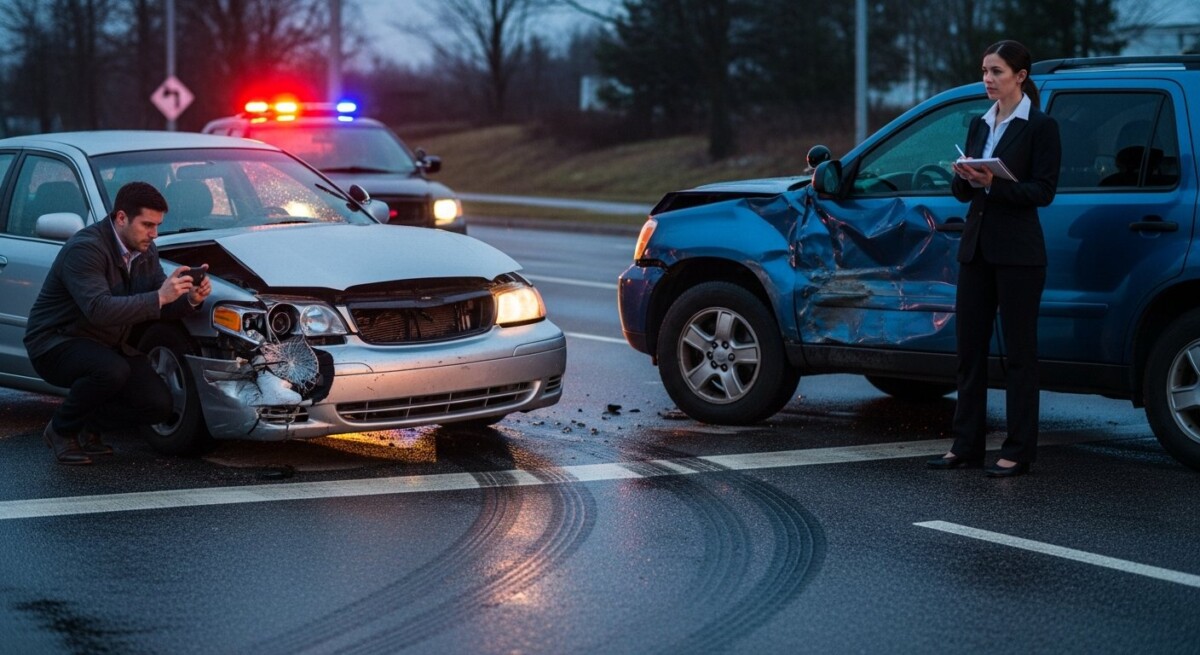
Take pictures and videos of everything. Capture the vehicles involved, their positions, damage patterns, skid marks, debris, road conditions, weather, traffic signs, and lighting. If you are injured, photograph your injuries as well. A picture of a bent guardrail or a shattered windshield can be far more convincing than a verbal description. For a slip and fall, photograph the wet floor, missing handrail, or uneven pavement immediately.
Vehicle Damage Patterns
The location and severity of vehicle damage often reveal the type of collision. Rear-end crashes typically indicate the trailing driver’s fault. Side-impact (T-bone) crashes suggest a driver ran a red light or stop sign. Head-on collisions often point to one driver crossing the center line. An experienced attorney or accident reconstruction expert can use these patterns to support your version of events.
Documentary Evidence: Reports and Records
Official documents carry significant weight with adjusters and judges. They are considered objective and reliable.
- Police reports: Officers at the scene record their observations, cite traffic violations, and note statements from drivers and witnesses. While the report is not always admissible in court, insurance companies rely heavily on it. Request a copy as soon as it is available.
- Medical records: Your medical records link the accident to your injuries. They document the date, mechanism of injury, diagnosis, and treatment plan. Do not delay seeking medical care; a gap in treatment can be used to argue your injuries are not serious or not accident-related.
- Repair estimates: Get written estimates from auto body shops. These quantify the damage and reinforce the severity of the collision.
These documents work together. For example, a police report citing the other driver for running a red light, combined with an emergency room record showing a fractured wrist, creates a powerful chain of evidence. In our guide on best way to prove negligence in an injury case, we explain how to connect these documents to establish legal fault.
Witness Testimony: Third-Party Perspectives
Neutral witnesses can strengthen your claim immensely. A witness who saw the other driver speed through a red light or fail to yield is worth more than your own account. Insurance adjusters expect you to be biased. Independent witnesses are not.
Gather names and phone numbers at the scene. If possible, ask witnesses to write a brief statement while the event is fresh in their minds. Dashcam footage from a witness’s vehicle is even better. If you cannot identify witnesses at the scene, your attorney can sometimes locate them through nearby businesses or traffic cameras.
Electronic and Digital Evidence
Modern accidents often leave digital footprints that can prove fault.
Event Data Recorders (EDRs): Most newer vehicles have a “black box” that records speed, braking, steering angle, seatbelt use, and airbag deployment seconds before a crash. This data is highly objective. An expert can download and analyze it to show that the other driver was speeding or failed to brake.
Cell phone records: If you suspect distracted driving, request the other driver’s phone records through discovery (in litigation). Texting, browsing, or calling at the time of the crash is strong evidence of negligence.
Traffic and surveillance cameras: Red-light cameras, intersection cameras, and nearby business security footage can capture the accident. Act quickly, as many systems overwrite footage within days or weeks. Your attorney can issue a preservation letter to prevent deletion.
GPS and ride-share data: If the driver was using Uber, Lyft, or a delivery app, their GPS data may show erratic driving or route deviations that suggest fault.
The Role of Expert Witnesses
Some accidents are too complex for photographs and police reports alone. Experts can analyze the evidence and provide professional opinions that clarify fault.
- Accident reconstructionists use physics, math, and computer modeling to recreate the crash. They can determine speeds, points of impact, and reaction times with high accuracy.
- Medical experts can testify that your injuries are consistent with the accident mechanism and not pre-existing.
- Human factors experts evaluate driver perception and reaction, often in cases involving fatigue, distraction, or impairment.
Hiring an expert is not always necessary, but it can be the deciding factor in a disputed liability case. For example, if the other driver claims you suddenly stopped, a reconstructionist can show that your brake lights were on for several seconds before impact, contradicting their story.
Legal Strategies to Strengthen Your Claim
Proving fault is not just about collecting evidence. How you present that evidence matters.
Preserve evidence immediately: Send a spoliation letter to the other party and any third parties (like the city or a business) demanding they preserve all relevant evidence. If they destroy footage or documents, the court may instruct the jury to assume that evidence would have hurt them.
File your claim promptly: Each state has a statute of limitations. Missing it bars your claim forever. Even before the deadline, early filing shows you are serious and can pressure the insurer to act.
Do not admit fault: Even saying “I’m sorry” at the scene can be used against you. Stick to the facts. Let the evidence speak.
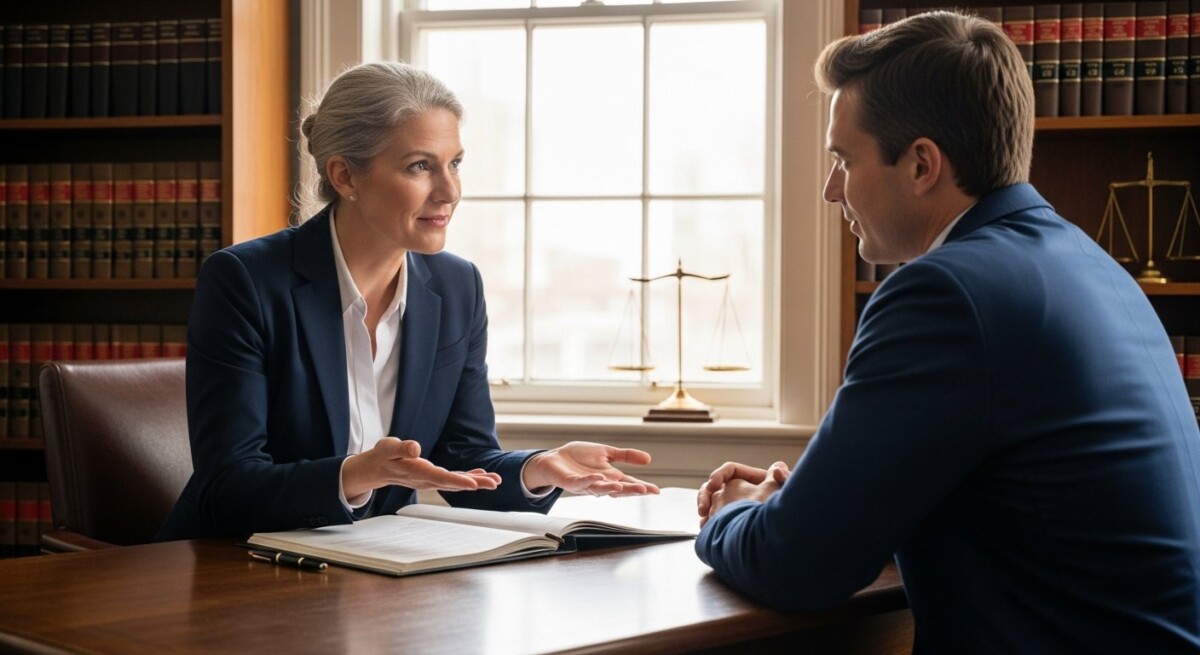
Hire an experienced attorney: A lawyer knows which evidence matters, how to obtain it, and how to present it persuasively. They also handle negotiations so you do not have to face the insurer alone. For those in Florida, our article on navigating accident claims in Miami FL choosing your legal advocate offers region-specific guidance.
Common Mistakes That Undermine Fault Proof
Even with strong evidence, certain errors can weaken your case.
- Leaving the scene without documenting: Adrenaline may make you think you are fine, but injuries and evidence fade. Always document before leaving.
- Posting on social media: Insurance companies monitor social media. A photo of you smiling or attending an event can be twisted to suggest your injuries are not real.
- Accepting a quick settlement: Insurers often offer a lowball amount before you know the full extent of your injuries or have gathered all evidence. Once you settle, you cannot reopen the claim.
- Failing to see a doctor: Delayed medical treatment creates a gap the insurer will exploit. See a doctor immediately, even if you feel fine.
How Comparative and Contributory Negligence Affect Fault
Some states reduce your compensation if you share any fault. In pure comparative negligence states (like California), you can recover even if you are 99% at fault, but your award is reduced by your percentage of fault. In modified comparative negligence states (like Texas), you cannot recover if you are 50% or more at fault. In pure contributory negligence states (like Virginia), any fault at all bars recovery.
This makes proving the other party’s fault even more critical. If the insurer argues you were 20% at fault, your settlement drops by 20%. Strong evidence that the other driver was solely responsible eliminates this reduction. A detailed discussion of these legal nuances can be found in our piece on best ways to prove pain and suffering in court, which complements fault analysis.
Frequently Asked Questions
What is the single most important piece of evidence for proving fault?
There is no single piece of evidence that works in every case. However, a police report citing the other driver for a violation, combined with photographs of the scene, is often the strongest foundation. Dashcam footage is also extremely persuasive because it captures the accident as it happened.
Can I prove fault without a police report?
Yes, but it is harder. Without a police report, you will need other evidence such as witness statements, photographs, video footage, and expert analysis. Insurance companies may be more skeptical, so your evidence must be thorough and well-organized.
How long do I have to gather evidence after an accident?
You should start immediately. Some evidence, like surveillance footage, may be overwritten within days. Physical evidence like skid marks and vehicle damage can be cleaned or repaired quickly. Witness memories fade. Collect everything as soon as possible.
Should I hire a lawyer to help prove fault?
For minor accidents with clear liability, you may handle it yourself. But if the accident involves serious injuries, disputed fault, or a large insurance company, a lawyer is essential. They know how to obtain and preserve evidence, hire experts, and negotiate effectively. Consult our resource on navigating accident claims in Miami Florida your legal guide for more on when legal counsel is advisable.
What if the other driver lies about what happened?
Lying happens frequently. That is why objective evidence is so important. Photographs, video, independent witnesses, and black box data can contradict a false story. If the other driver’s lie is exposed, it can damage their credibility and strengthen your claim.
Proving fault in an accident claim is a process of gathering, preserving, and presenting evidence in a way that leaves no reasonable doubt about who caused the crash. The best approach is to be proactive: document everything, seek medical care, avoid social media, and consult an attorney if the stakes are high. With the right evidence and strategy, you can hold the responsible party accountable and recover the compensation you need to move forward.