Incorrect Accident Report: Legal Consequences Explained
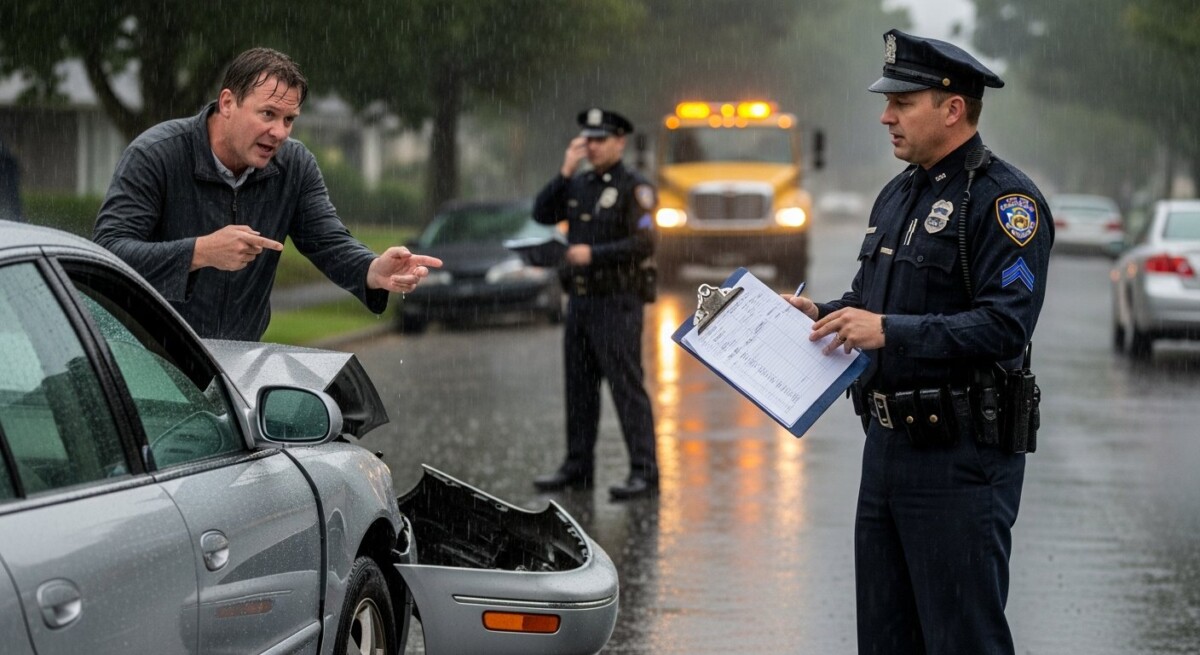
Imagine you have just been in a car accident. You are shaken up, but you exchange information with the other driver and file a police report. Weeks later, you discover the accident report contains errors. The officer wrote down the wrong direction of travel, misidentified the point of impact, or even listed you as the at-fault driver when you were not. Suddenly, a simple mistake on paper becomes a major legal and financial hurdle. Understanding what happens if an accident report is incorrect is critical because that document often dictates how insurance companies, lawyers, and even judges view your case. A single error can derail your claim, increase your premiums, or leave you paying for damages you did not cause.
Why Accident Reports Carry So Much Weight
Police accident reports are not admissible as evidence in court in the same way a witness testimony is. However, they carry significant persuasive power. Insurance adjusters rely heavily on these reports to determine fault and calculate settlement amounts. If the report says you ran a red light, the insurer will likely assume you are liable. If the report states you were speeding, your claim for injuries may be reduced or denied. The report creates a powerful first impression that can be very difficult to overcome, especially if you do not act quickly to correct it.
This is why the question of what happens if an accident report is incorrect is not just about fixing a clerical error. It is about protecting your legal rights and your financial future. An incorrect report can affect everything from your insurance rates to your ability to recover compensation for medical bills and lost wages. In some cases, it can even lead to traffic citations or civil lawsuits against you. For a deeper look at how these reports are used in court, you might find our article on Incorrect Accident Report: What Happens Next to be a helpful resource.
Common Types of Errors in Accident Reports
Errors in accident reports fall into several categories. Recognizing them is the first step in understanding what happens if an accident report is incorrect and how to fix it. Some of the most frequent mistakes include:
- Factual errors: These involve basic details like the date, time, location, weather conditions, and road surface. While seemingly minor, a wrong location can affect jurisdiction and the applicability of local traffic laws.
- Vehicle information errors: Incorrect license plate numbers, VINs, makes, models, or colors can cause confusion and delay claims processing.
- Driver and witness information errors: Misspelled names, wrong addresses, or incorrect driver’s license numbers can prevent insurance companies from properly identifying parties.
- Narrative and diagram errors: The officer’s written description of how the accident occurred and the diagram showing vehicle positions are often the most critical sections. Errors here, such as stating the wrong direction of travel or misplacing the point of impact, directly affect fault determination.
- Citation errors: The officer may cite the wrong traffic violation or fail to cite a violation that should have been issued. This can create a false record of who was at fault.
Each type of error carries different implications. A typo in your name is easier to fix than a narrative that falsely claims you were speeding. Understanding the specific error helps you determine the best course of action. For more guidance on handling these specific situations, refer to our detailed post on Incorrect Accident Report: What Happens Next.
The Immediate Consequences of an Incorrect Report
When an accident report contains errors, the consequences can begin almost immediately. Insurance companies often receive these reports directly from law enforcement agencies. Within days of the accident, you may receive a letter from the other driver’s insurance company denying your claim based on the incorrect information. Your own insurance company may also use the report to increase your premiums or place you in a higher-risk category.
Beyond insurance, an incorrect report can affect your driving record. If the officer wrongly cited you for a moving violation, that citation may be added to your record, leading to points, fines, and potential license suspension. In severe cases, a completely inaccurate report could lead to criminal charges if the error suggests reckless driving or DUI. This is why knowing what happens if an accident report is incorrect and acting fast is so important. Delaying even a few weeks can allow the incorrect information to become embedded in official databases, making it much harder to remove.
How to Correct an Incorrect Accident Report
The process for correcting an accident report varies by state and law enforcement agency, but there are general steps you can follow. The first and most important step is to obtain a copy of the report. You can usually request it from the police department that responded to the accident. Review it carefully for any inaccuracies.
Once you have identified the errors, you will need to contact the law enforcement agency that prepared the report. In most cases, you must submit a written request for a correction. This request should include:
- Your name, contact information, and the report number (if available).
- A clear description of each error you believe exists.
- Specific evidence that supports your correction, such as photographs, witness statements, or GPS data.
- A request for the specific change you want made.
After submitting your request, the agency will review it. The officer who wrote the report may be contacted to verify the information. If the officer agrees with your correction, an amended report will be issued. If the officer disagrees, you may have the right to submit a supplemental statement that is attached to the original report, noting your disagreement. This supplemental statement does not change the original report, but it creates a record of your version of events. For a step-by-step breakdown of this process, our guide on Incorrect Accident Report: What Happens Next provides additional details.
What If the Officer Refuses to Amend the Report?
Sometimes, even with clear evidence, the responding officer may refuse to make changes. This can be frustrating, but it is not the end of the road. You have several options. First, you can request to speak with the officer’s supervisor or the agency’s internal affairs division. Explain the situation and provide your evidence. Second, you can file a formal complaint with the police department’s civilian oversight board, if one exists. Third, and most importantly, you can hire an attorney.
An attorney can help you gather stronger evidence, communicate with the police department on your behalf, and ensure the correction process is handled properly. In some cases, an attorney may even be able to petition the court to have the report corrected if the police department refuses. Your lawyer can also use the incorrect report to your advantage during settlement negotiations, arguing that the report is unreliable because it contains errors. This strategy can pressure the insurance company to take your claim more seriously. For more on how legal representation can help, see Incorrect Accident Report: What Happens Next.
How Insurance Companies Use (and Misuse) Incorrect Reports
Insurance companies are businesses focused on minimizing payouts. They will seize on any information that supports a denial or reduction of your claim. An incorrect accident report gives them a powerful tool to do just that. If the report says you were at fault, they will likely deny your claim outright. If the report contains ambiguous language, they may use it to argue that the accident was partially your fault, reducing your settlement by your percentage of liability.
It is crucial to understand that insurance adjusters are not your friends. They are trained to look for reasons to deny claims. An incorrect report is a gift to them. They will not voluntarily point out errors in the report. It is your responsibility to identify and correct those errors. If you fail to do so, you may be stuck with a reduced settlement or a denial. This is why knowing what happens if an accident report is incorrect and taking immediate action to correct it is essential for maximizing your recovery.
Legal Ramifications and Your Rights
Beyond insurance, an incorrect accident report can have legal consequences. If the report leads to a traffic citation, you have the right to contest that citation in court. You can present evidence that the report was incorrect and that you did not commit the violation. If you are sued by the other driver for damages, the incorrect report will be a key piece of evidence against you. Your attorney will need to attack the credibility of the report, pointing out the errors and presenting your own evidence to establish the true facts of the accident.
In cases of serious injury or death, an incorrect report can be even more damaging. It can affect the outcome of a civil lawsuit, potentially leading to a larger judgment against you. It could also influence criminal charges if the accident involved reckless driving or DUI. Protecting your rights means ensuring that the official record of the accident is as accurate as possible. Do not assume that the police officer got it right. Always review the report carefully and take steps to correct any inaccuracies.
Frequently Asked Questions
Q: Can I sue the police for an incorrect accident report?
A: It is very difficult to sue a police officer or department for an incorrect report. Officers have qualified immunity for actions taken in the course of their duties. However, you can challenge the report’s accuracy in court or through an administrative process. Your best course is to seek a correction or file a supplemental statement.
Q: How long do I have to correct an accident report?
A: There is no universal deadline, but it is best to act as quickly as possible. Some states have specific time limits for requesting amendments. Even if there is no official deadline, the sooner you act, the less likely the incorrect information will become entrenched in databases and used against you.
Q: Will my insurance company believe me over the police report?
A: Usually, no. Insurance companies give great weight to official police reports. If the report contradicts your version of events, they will almost always side with the report. This is why correcting the report is so important.
Q: What if the error is in my favor?
A: If the report incorrectly says the other driver was at fault when they were not, you may be tempted to stay quiet. However, this can backfire. The other driver may correct the report, and your silence could be seen as an attempt to deceive the insurance company. It is always best to ensure the report is accurate.
An incorrect accident report is not just a paperwork mistake. It is a threat to your financial and legal well-being. By understanding what happens if an accident report is incorrect and taking swift action to correct it, you protect your rights, your insurance rates, and your ability to recover fair compensation. If you discover an error in your accident report, do not wait. Gather your evidence, contact the reporting agency, and consider consulting an attorney who can guide you through the process and fight for the accurate record you deserve.