Incorrect Accident Report: Immediate Steps to Take
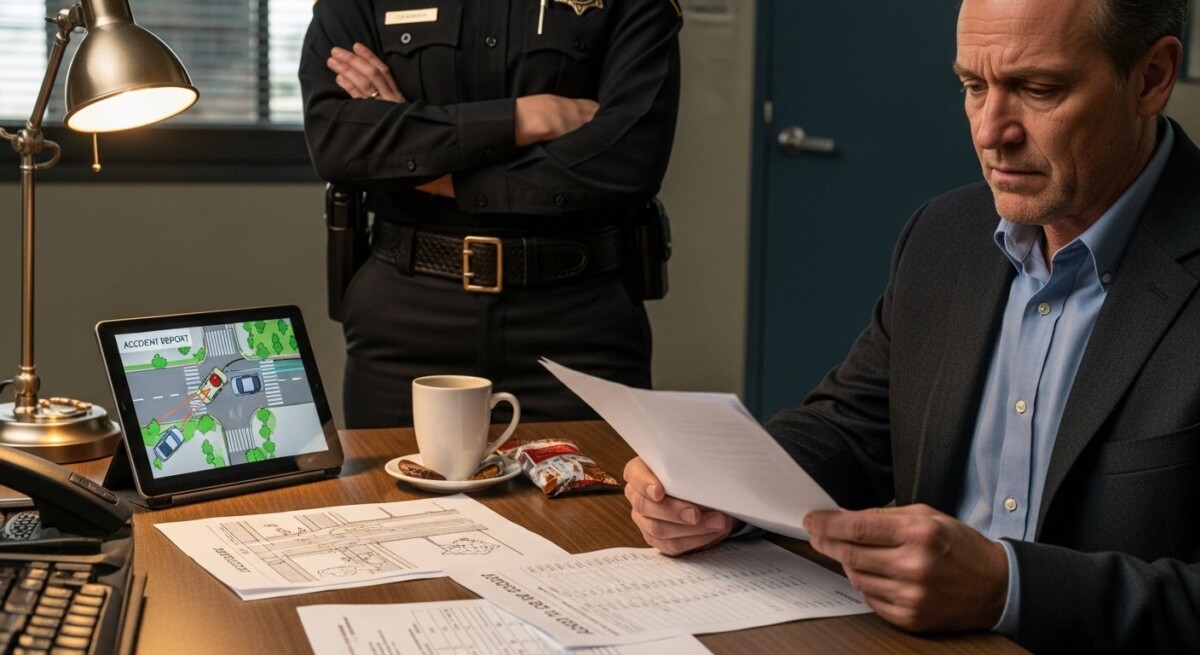
You are sitting at home after a car crash, reviewing the police report, and something is wrong. Maybe the officer wrote that you were speeding when you were stopped. Perhaps the diagram shows the wrong lane position, or a witness statement is attributed to the wrong person. An incorrect accident report is more than a paperwork error. It can determine who pays for damages, who gets cited, and whether your insurance claim succeeds or fails. Understanding what happens if an accident report is incorrect is the first step to protecting your rights and your wallet.
How an Error in the Accident Report Affects Your Claim
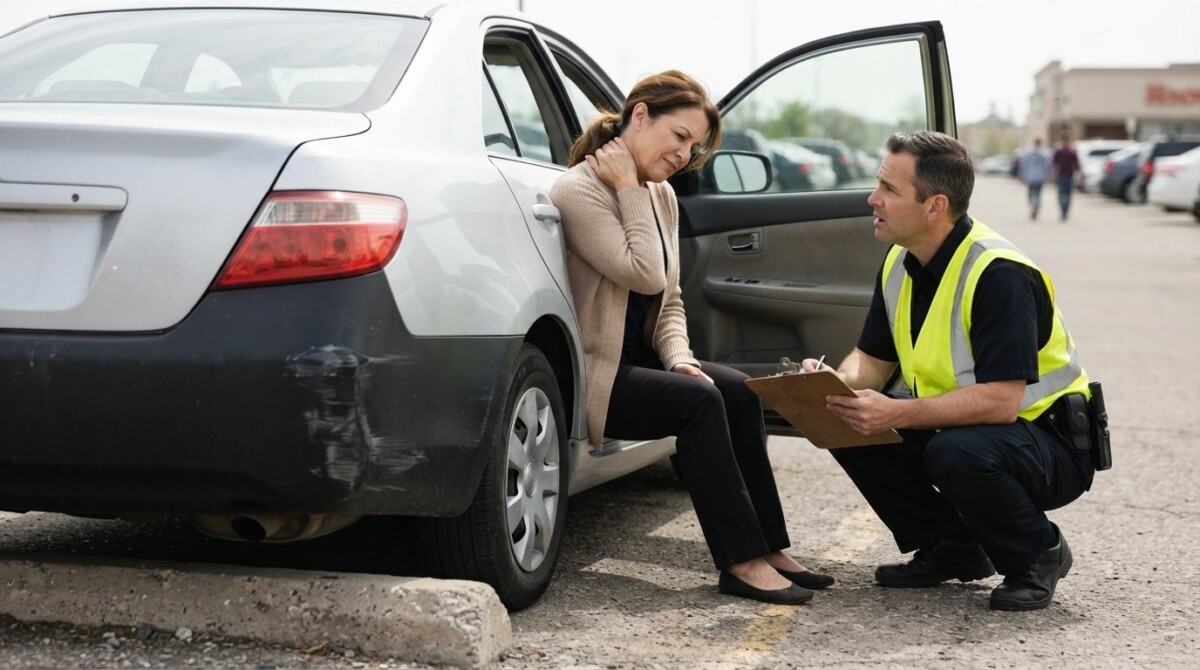
Insurance adjusters rely heavily on the official accident report when evaluating fault. If the report incorrectly states that you failed to yield, the insurer may deny your claim or offer a low settlement. The report carries weight because it is prepared by a trained officer at the scene. However, officers are human. They misjudge distances, mishear statements, or miss key evidence. When the report is wrong, the consequences can ripple through every stage of your claim.
For example, if the report says your vehicle was on the wrong side of the road, the other driver’s insurance will likely reject liability. Your own insurance company may also use the error to raise your rates or deny coverage. In some cases, an incorrect report can even lead to a traffic citation or criminal charges. That is why catching the mistake early and taking corrective action is critical.
Common Types of Errors in Accident Reports
Not every mistake is the same. Some errors are minor typographical issues, while others fundamentally change the story of the crash. Recognizing the type of error helps you decide how to respond.
- Factual inaccuracies: Wrong date, time, location, or weather conditions.
- Diagram errors: Incorrect placement of vehicles, skid marks, or traffic control devices.
- Witness misidentification: Mixing up which driver a witness saw or what they said.
- Citation mistakes: Listing the wrong traffic violation or citing the wrong driver.
- Omitted evidence: Failing to note a broken traffic light, a vehicle’s dashcam, or a third party involved.
Each type of error requires a different correction strategy. A typo may be fixed with a simple phone call. A disputed liability finding may require a formal challenge with supporting evidence. Understanding the distinction saves time and prevents you from overreacting to a minor mistake.
Steps to Correct an Incorrect Accident Report
If you discover an error, do not panic. Most states have a process for requesting corrections. The key is to act quickly while memories are fresh and evidence is still available. In our guide on incorrect accident report what happens next, we explain how to gather supporting documents and approach the responding agency.
Start by obtaining a copy of the official report from the police department or state DMV. Review every section carefully. Note each error you find. Then contact the officer or the records division of the agency that prepared the report. Some departments allow you to submit a written correction request. Others require you to file an affidavit or provide additional evidence such as photographs, dashcam footage, or witness statements.
If the agency refuses to amend the report, you may need to escalate the matter. In some jurisdictions, you can request a hearing or file a complaint with a civilian review board. At that point, legal representation becomes invaluable. An attorney can formally petition the court or negotiate with the prosecutor to correct the record. For more details on what happens when corrections are denied, see our article on incorrect accident report what happens next.
What Happens if the Report Is Not Corrected
Sometimes the police department will not change the report. They may insist the original findings are accurate or that their policy prohibits post-incident amendments. When that happens, the incorrect report remains in official databases and can affect your driving record, insurance rates, and legal liability for years.
Insurance companies will still use the flawed report as evidence. You can fight back by submitting your own evidence to the adjuster. Provide photographs, GPS data, witness affidavits, and expert reconstruction analysis. The adjuster may disregard the police report if your evidence is strong enough. However, this takes more effort and often requires legal help. If the case goes to court, the judge or jury will hear both the report and your contradictory evidence. The report is not conclusive, but it is persuasive.
In criminal cases, an uncorrected error can lead to wrongful traffic convictions. You may face fines, points on your license, or even jail time for a violation you did not commit. Fighting a citation based on an incorrect report is possible, but you must act before the court deadline. That is why understanding what happens if an accident report is incorrect matters before the case is closed.
When to Hire an Attorney for an Incorrect Report
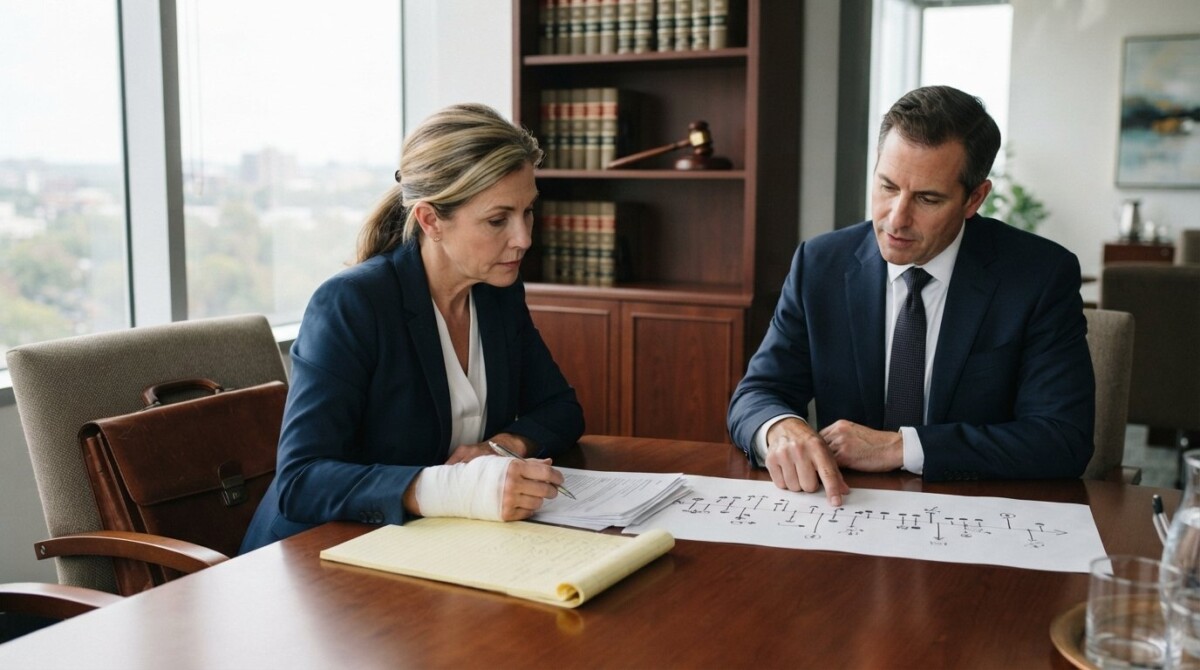
Not every error requires a lawyer. If the mistake is a simple typo like a misspelled name, you can handle it yourself. But when the error affects liability, involves conflicting witness accounts, or leads to a traffic citation, an attorney’s help is wise. Legal representation is especially important if the other driver is injured, if the crash involved a commercial vehicle, or if the insurance company has already denied your claim.
An experienced attorney can contact the police department on your behalf, gather independent evidence, and file a motion to correct the record. They can also represent you in negotiations with insurance companies and in court. The cost of hiring a lawyer is often offset by the higher settlement or reduced penalties you receive. For a deeper look at how legal professionals handle these disputes, read our resource on incorrect accident report what happens next.
How Insurance Companies Use Incorrect Reports
Insurance adjusters are trained to minimize payouts. A report that places fault on you is a powerful tool for them. They may refuse to investigate further, claiming the official report is conclusive. In reality, the report is just one piece of evidence. But if you do not challenge it, the adjuster will use it to justify a low offer or a denial.
Your own insurance company may also use the error against you. If you carry collision coverage, your insurer may still raise your premiums after a claim if the report shows you at fault. Some policies have fault-based surcharges that last three to five years. Correcting the report can prevent those surcharges. Additionally, if the other driver’s insurance accepts liability based on a corrected report, your deductible may be waived.
Frequently Asked Questions
Can I dispute a police accident report without a lawyer?
Yes. You can call the officer or the records division and request a correction. Provide evidence such as photos, videos, or witness statements. However, if the officer refuses or the error is complex, legal help is recommended.
How long do I have to correct an accident report?
Deadlines vary by state and agency. Some allow corrections within 30 days. Others have no formal deadline but encourage prompt requests. Check with the agency that prepared the report.
Will a corrected report remove a traffic ticket?
Not automatically. The correction may help your case in court, but you still need to contest the ticket separately. The corrected report can serve as evidence that the citation was based on a mistake.
Does an incorrect report affect my insurance rates?
Yes. If the report shows you at fault, your insurer may raise rates. Correcting the report can prevent or reverse those increases. Contact your insurer after the correction is made.
What if the other driver caused the error?
If the other driver gave false information to the officer, that is fraud. You can file a complaint with the police and provide evidence. An attorney can help pursue legal action against the other driver for misrepresentation.
Protecting Your Rights After an Error
An incorrect accident report can feel like a betrayal of trust. You expect the official record to be accurate, but mistakes happen. The difference between a minor inconvenience and a major financial loss is how quickly and effectively you respond. Review the report as soon as you receive it. Document every error. Gather supporting evidence. Contact the agency and request a correction. If the process stalls or the stakes are high, consult an attorney.
Remember that the report is not the final word. Courts and insurance companies can consider other evidence. But you must present that evidence. Silence is interpreted as agreement. By taking action, you preserve your right to a fair outcome. For further guidance on navigating disputes over accident reports, visit our page on incorrect accident report what happens next.
Do not let a clerical error determine your future. Whether the mistake is a wrong date, a misdrawn diagram, or a false statement of fault, you have options. Start by requesting a correction. If that fails, escalate with legal support. The time and effort you invest today can save you thousands of dollars and years of frustration tomorrow.